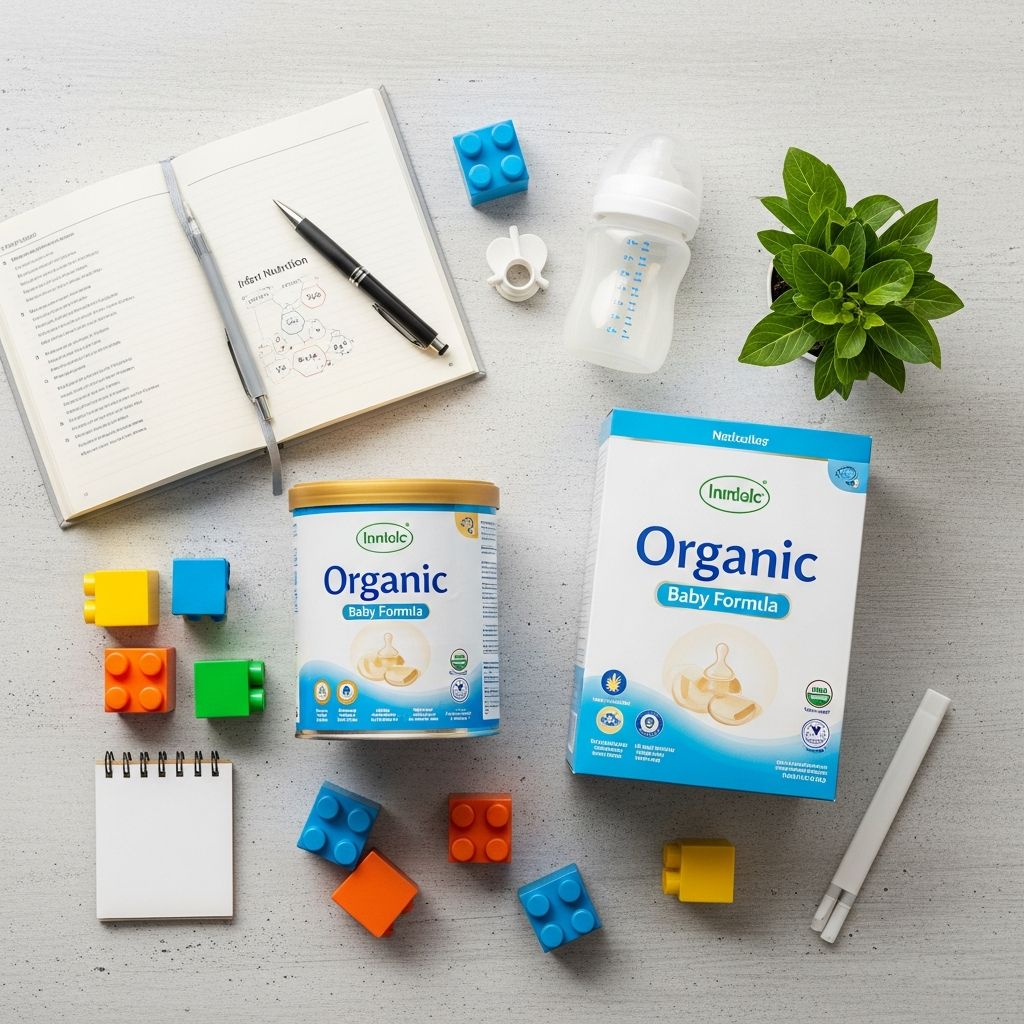
Modern parents have more formula options than ever before, but more choice can also create more confusion. This guide breaks down what organic baby formula really is, how it compares with conventional options, what to look for on the label, and how to pick a product that matches your baby’s needs and your family’s values.
What “Organic” Really Means in Baby Formula
When a baby formula is labeled organic, it means its ingredients are produced under farming and manufacturing standards that restrict synthetic pesticides, artificial fertilizers, genetically modified organisms (GMOs), and certain synthetic additives. The exact rules vary by region, but the shared goal is to reduce exposure to potentially harmful chemicals and promote more sustainable agriculture.
For most organic formulas, this includes organic dairy or plant-based proteins, organic carbohydrates (often lactose), and fats and micronutrients that meet regulatory safety and nutrition requirements. It does not mean the formula is risk-free or nutritionally superior in every way, but it does signal a higher bar for how core ingredients are grown and processed.
- Certified organic ingredients: Milk or plant sources must come from certified organic farms.
- Restrictions on GMOs: Organic standards typically prohibit genetically modified crops.
- Limits on synthetic chemicals: Pesticides, herbicides, and fertilizers are tightly controlled or banned.
Organic vs. Conventional Formula: Key Differences
All infant formulas sold in developed countries must meet strict nutrition and safety regulations. That means both organic and conventional products are designed to support growth and development in healthy, full-term babies. The main differences center on how ingredients are sourced, processed, and supplemented rather than on the basic nutrients themselves.
Parents often choose organic formulas because they prefer fewer synthetic inputs, want to avoid GMOs, or value animal welfare and environmental sustainability. Others prioritize cost, specialized medical formulations, or availability, which can make conventional formulas more practical.
At-a-Glance Comparison
| Feature | Organic Formula | Conventional Formula |
|---|---|---|
| Ingredient sourcing | Certified organic farms, strict limits on pesticides and synthetic fertilizers | Standard farms, may use synthetic pesticides and fertilizers |
| GMOs | Typically prohibited in certified organic products | May include GMO-derived ingredients, depending on brand and region |
| Typical price | Usually higher due to stricter standards and smaller supply chains | Generally lower and more competitive; wider range of budget options |
| Selection | Growing but more limited, especially for specialized formulas | Wide variety, including many specialized and medical formulas |
| Environmental focus | Emphasizes soil health, biodiversity, and animal welfare | Varies by brand; may or may not emphasize sustainability |
Benefits Parents Often Seek in Organic Formula
Parents who lean toward organic formulas usually have overlapping but distinct goals. Some prioritize reducing chemical exposure, while others care most about animal welfare or sustainability. Understanding your own priorities can clarify which product makes sense for your household.
Below are common perceived advantages of organic baby formulas. Not every brand delivers all these benefits, so it is important to read labels carefully and discuss options with a pediatrician, especially if your baby has health concerns.
- Lower exposure to synthetic pesticides and fertilizers: Organic farming standards sharply limit or eliminate many common agricultural chemicals.
- Restrictions on certain synthetic additives: Organic certification can restrict preservatives, artificial colors, and some highly processed ingredients.
- Support for sustainable and humane farming: Organic certification typically includes requirements for animal welfare and environmental stewardship.
- Alignment with broader family food values: For families who already buy organic produce and dairy, organic formula is often a natural extension of those choices.
Important Limitations and Trade-Offs
Organic formula is not automatically the best or only safe option, and it is not essential for healthy growth. Many babies thrive on conventional formulas, which are carefully regulated, widely studied, and often more affordable and accessible.
There are also real constraints within organic standards that can affect what shows up in the ingredient list. For example, a formula may offer fewer specialized versions or may not be suitable for certain medical conditions where non-organic, extensively hydrolyzed or amino-acid-based formulas are needed.
- Higher cost: Organic products can strain tight budgets, especially for families relying entirely on formula.
- Limited specialized options: Parents of babies with severe allergies or digestive conditions may have fewer organic choices.
- Availability: In some regions, organic formulas sell out frequently or may only be available online.
Decoding the Organic Formula Ingredient List
Ingredient lists can be intimidating, but learning to decode them turns marketing buzzwords into useful information. It helps to group ingredients into broad categories: proteins, carbohydrates, fats, added nutrients, and optional extras like prebiotics and probiotics.
Remember that many complex-sounding names refer to vitamins, minerals, or fatty acids that babies need in tiny but crucial amounts. The key is not to search for a product with the fewest ingredients, but to understand why each category is there.
Core Components to Look At
- Protein source: Most organic formulas use cow’s milk protein, sometimes partially broken down for easier digestion. Goat’s milk or plant-based proteins may be used in some specialized formulas.
- Carbohydrate source: Lactose is typically preferred because it is the main carbohydrate in human milk. Some formulas also include other carbohydrates like maltodextrin or starch.
- Fat blend: A mix of vegetable oils often supplies essential fatty acids. Some formulas add DHA and ARA, long-chain fats linked to brain and eye development.
- Vitamins and minerals: Regulations require specific minimum and maximum levels of nutrients such as iron, calcium, and vitamin D.
- Optional extras: Prebiotics, probiotics, nucleotides, and other compounds may support digestion or immune function in some babies.
How to Choose an Organic Formula Step-by-Step
Choosing a formula becomes more manageable when approached as a step-by-step process rather than a one-time, high-pressure decision. Many parents try more than one product before finding the best fit, and that is normal.
Use the following sequence as a roadmap. Adjust it with your pediatrician if your baby has special medical needs or was born prematurely.
- Confirm your baby’s basic needs. Ask your pediatrician whether your baby is full-term, has any known allergies, reflux, or digestive concerns, and whether a standard formula is appropriate.
- Clarify your top priorities. Decide whether you care most about cost, organic certification, specialized proteins, or added features like prebiotics.
- Filter by type. Narrow choices to a general category: cow’s-milk-based organic formula, goat’s-milk organic formula, or plant-based option if recommended.
- Compare labels. Look at protein, carbohydrate, and fat sources, plus any extras (DHA, prebiotics, probiotics). Decide which trade-offs you are comfortable with.
- Start with a small supply. Purchase one or two containers rather than a bulk order so you can see how your baby responds.
- Observe and record. Track your baby’s stools, spit-up, gas, sleep, and general comfort during the first week or two on a new formula.
- Adjust with professional guidance. If your baby shows persistent discomfort, poor weight gain, or other concerning symptoms, return to the pediatrician for a reassessment and possible change.
Common Types of Organic Baby Formula
Not all organic formulas are the same. Within the organic category, there are several subtypes that address different feeding situations. Knowing the broad categories helps you understand why one formula might be recommended over another.
Always verify age ranges and suitability on the label, and discuss any major change with your baby’s healthcare provider, especially for newborns under two months or babies with medical conditions.
| Type | What It Is | When It May Help |
|---|---|---|
| Standard cow’s-milk organic | Uses organic cow’s milk proteins and lactose-based carbohydrates | Most healthy full-term babies without known allergies |
| Goat’s-milk organic | Uses organic goat’s milk proteins, often with lactose as main carb | Some babies who seem sensitive to cow’s milk but do not have a confirmed allergy |
| Partially hydrolyzed organic | Proteins partially broken down into smaller fragments | Babies with mild digestive sensitivities, as advised by a pediatrician |
| Plant-based or dairy-free organic | Uses plant proteins and is free from dairy ingredients | Families avoiding animal products or babies with diagnosed cow’s-milk protein allergy, if clinically appropriate |
Signs a Formula May Not Be a Good Fit
Occasional spit-up, gas, and fussiness are common in young babies and do not always signal a formula problem. However, certain patterns can suggest that the current product might not be the best choice or that a medical evaluation is needed.
Track any repeated or worsening symptoms and share them with your pediatrician before making drastic changes. Self-diagnosing allergies or intolerances can lead to unnecessary switches and confusion.
- Persistent vomiting rather than mild spit-up.
- Very watery, frequent, or bloody stools.
- Extreme irritability or inconsolable crying after most feeds.
- Rash, hives, or swelling around the mouth or face.
- Poor weight gain or noticeable decline in growth percentiles.
Cost, Access, and Practical Considerations
Organic baby formula is often more expensive than conventional brands, and this difference accumulates quickly over months of feeding. It is reasonable to consider what your family can sustainably afford without guilt or comparison to other parents.
Parents also need to think about how easily they can obtain a chosen formula. Supply interruptions, shipping delays, and store stock limitations can all complicate exclusively using a niche brand. Having a backup plan that your pediatrician has approved can reduce stress if your usual product is temporarily unavailable.
- Compare cost per ounce rather than price per container to get a fair comparison.
- Check whether your preferred formula is normally available at more than one store or retailer.
- Ask your pediatrician to recommend two or three formulas that would be acceptable for your baby in case of shortages.
Safe Preparation and Storage Basics
Whether you choose organic or conventional formula, safe preparation and storage are crucial. Formula-related infections are rare but can be serious, and basic hygiene significantly reduces risk.
Always follow the instructions on your chosen product and any country-specific health guidance. When in doubt, consult a healthcare professional or local public health resources for regionally appropriate advice.
- Wash hands and all feeding equipment thoroughly before preparing a bottle.
- Measure water and powder exactly as directed; do not “stretch” formula by adding extra water.
- Discard any formula left in the bottle after a feed rather than saving it for later.
- Store unopened containers according to the label and respect “best by” dates.
Frequently Asked Questions About Organic Baby Formula
Is organic baby formula healthier than conventional formula?
Organic formulas follow stricter rules about how ingredients are grown and processed, which can reduce exposure to certain synthetic pesticides and additives. However, both organic and conventional formulas are designed to meet core nutritional standards for infant growth, and many babies thrive on each type.
Does my baby need organic formula to be safe?
No. Safety standards for infant formula are strong, regardless of whether a product is organic or conventional. Choosing organic is largely a values-based decision about farming practices and ingredient sourcing rather than a medical necessity for most healthy babies.
Can I switch between organic and non-organic formulas?
Most babies can switch between compatible formulas without harm, although some may experience temporary changes in stool patterns or mild digestive upset. It is wise to involve your pediatrician in the decision, especially if your baby has health conditions or a history of feeding challenges.
Is goat’s-milk organic formula better for sensitive stomachs?
Some parents report that their babies seem more comfortable on goat’s-milk formulas, possibly because of differences in protein and fat structure. However, goat’s milk is not suitable for every baby, especially those with confirmed cow’s-milk protein allergy, so medical guidance is important before switching.
What if I cannot afford organic formula?
Feeding your baby an appropriate, safe formula that you can consistently afford is far more important than achieving an organic label. You are still providing complete nutrition, and there is no evidence that loving, responsive feeding depends on the type of formula you buy.
Final Thoughts: You Are Still a Good Parent Whatever You Choose
Marketing language around baby formula can make parents feel that one choice will secure a perfect outcome while another will cause harm. In reality, there is no single “best” formula for every baby, and your attention, responsiveness, and care matter far more than the specific can on your shelf.
Use organic labels and ingredient lists as tools, not sources of pressure. With sound information, support from your pediatrician, and a willingness to adjust as your baby grows, you can choose a formula—organic or not—that helps your child thrive and gives your family peace of mind.