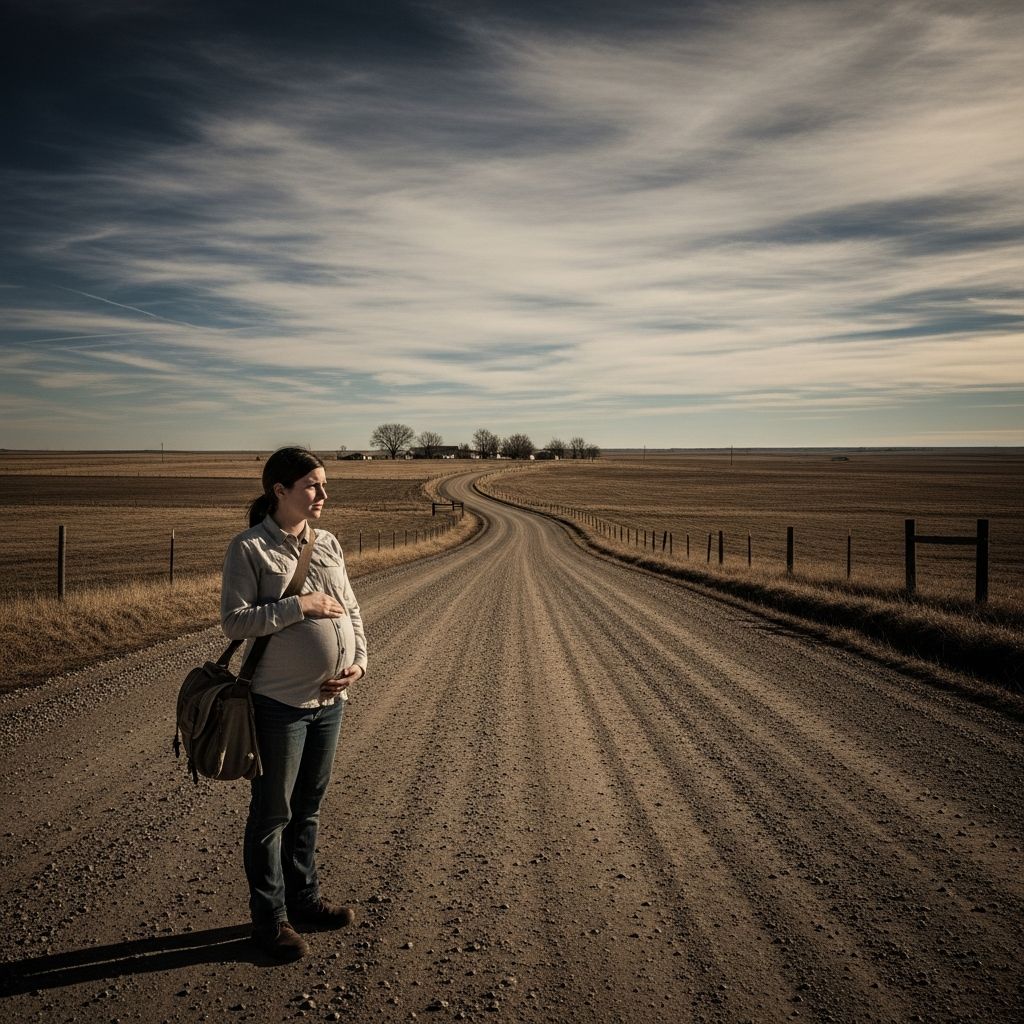
Rural communities across the United States are increasingly losing access to essential maternity services, leading to the emergence of so-called obstetric deserts—regions without nearby hospitals offering obstetric care. This crisis disproportionately affects areas like Mississippi and extends nationwide, exacerbating health disparities for expectant mothers and newborns.
Understanding Obstetric Deserts
Obstetric deserts refer to counties lacking maternity care providers or hospitals equipped to handle deliveries and obstetric emergencies. Rural populations, often older with higher chronic disease rates, face compounded challenges including poverty, limited transportation, and fewer healthcare professionals. In rural America, 66.33% of primary care health professional shortage areas are located, underscoring the broader access issues.
These deserts arise from hospital closures, particularly of labor and delivery units, driven by financial pressures and low patient volumes. Smaller rural facilities struggle with narrow margins, heavy reliance on public insurance like Medicaid, and workforce shortages, making sustainable obstetric services difficult.
Key Barriers to Maternity Care in Rural Regions
- Workforce Shortages: Recruiting OB-GYNs, midwives, and nurses to rural areas is challenging due to isolation, lower pay, and limited professional support. Rural areas have fewer clinicians per capita, with subspecialty care even scarcer.
- Transportation and Geography: Vast distances mean patients may travel hours for prenatal visits or emergencies, burdened by poor roads and lack of public transit.
- Financial Strain on Providers: Rural hospitals depend on Medicaid reimbursements, which are often inadequate. Policy changes can further strain budgets, leading to service cutbacks.
- Health Literacy and Stigma: Lower education levels and cultural factors can deter care-seeking, compounded by privacy concerns in tight-knit communities.
Spotlight on Mississippi and Similar States
Mississippi exemplifies the crisis, with numerous counties classified as obstetric deserts due to closures of small-town birthing centers. High poverty and rural demographics amplify risks, resulting in elevated maternal mortality rates. Similar patterns appear in other Southern and Midwestern states, where economic factors and isolation hinder service retention.
| State/Region | % Counties as OB Deserts | Main Contributing Factors |
|---|---|---|
| Mississippi | High (over 50% rural counties) | Hospital closures, poverty |
| Appalachia | Moderate-High | Workforce shortages, aging population |
| Midwest Rural | Increasing | Financial pressures, low volumes |
This table illustrates disparities; data drawn from rural health analyses showing rural counties disproportionately affected.
Health Impacts on Mothers and Babies
The absence of local maternity care leads to delayed prenatal monitoring, higher complication risks during labor, and increased emergency transports. Rural women experience shorter lifespans and more chronic illnesses, with maternity gaps worsening outcomes like preterm births and infant mortality. Mental health services, crucial for perinatal care, are also scarce, contributing to higher rural suicide rates.
Infants in these areas face elevated risks of low birth weight and developmental issues due to inconsistent care access. Chronic disease management for mothers, such as diabetes or hypertension in pregnancy, suffers from provider shortages.
Efforts to Bridge the Maternal Health Divide
Several initiatives aim to counteract these trends. Federal programs like loan repayment for rural providers and visa waivers incentivize professionals to serve underserved areas. Telehealth expansion allows remote prenatal consultations, monitoring, and even some ultrasound interpretations, reducing travel burdens.
Rural health clinics and federally qualified health centers play pivotal roles, offering primary care that includes basic maternity support. Integration into larger networks helps share resources and expertise. States are piloting midwifery programs and community health worker models to extend services.
Policy Solutions and Future Directions
Government policies promote telemedicine, adjust Medicare payments for rural providers, and fund network development to bolster sustainability. The Affordable Care Act expanded insurance, aiding access, though challenges persist. Recent investments, like the American Hospital Association’s $20 million for rural health research, target equity goals.
Innovations such as mobile maternity units and partnerships with urban centers show promise. Policymakers emphasize monitoring policy impacts, state adaptations, and community involvement for long-term viability.
Real Stories from Affected Communities
Consider a mother in rural Mississippi driving two hours for each checkup, risking emergencies on poorly lit roads. Or families in Appalachian counties relying on volunteer doulas amid unit closures. These narratives highlight urgency, driving calls for sustained investment.
Frequently Asked Questions (FAQs)
What is an obstetric desert?
An obstetric desert is a county without hospitals offering maternity services or sufficient OB-GYN providers, forcing long-distance travel for care.
Why are rural areas hit hardest by maternity care shortages?
Factors include low patient volumes, financial losses, provider recruitment difficulties, and geographic isolation.
How does lack of maternity care affect infant health?
It increases risks of preterm birth, low birth weight, and developmental delays due to delayed or absent prenatal care.
What role does telehealth play in solving this?
Telehealth enables remote monitoring, consultations, and education, making care more accessible without travel.
Are there federal programs helping rural maternity care?
Yes, including HRSA loan repayments, HPSA designations, and funding for rural clinics.
Community Strategies for Improvement
Local advocacy, training local midwives, and broadband expansion for telehealth are vital. Educating residents on available resources builds trust and utilization.
In summary, addressing obstetric deserts requires multifaceted action: bolstering workforces, leveraging technology, and refining policies to ensure every rural mother has safe birthing options.
References
- Continuing Challenges in Rural Health in the United States — National Library of Medicine. 2020-02-21. https://pmc.ncbi.nlm.nih.gov/articles/PMC7043306/
- Access to Health Care in Rural America: Current Trends and Key Challenges — U.S. Department of Health and Human Services. 2024-09. https://aspe.hhs.gov/reports/health-care-rural-america
- Challenges Facing Rural Healthcare in the Current Policy Landscape — ECRI. 2024. https://home.ecri.org/blogs/ecri-blog/safety-challenges-facing-rural-healthcare
- Healthcare Access in Rural Communities Overview — Rural Health Information Hub. 2024-09. https://www.ruralhealthinfo.org/topics/healthcare-access
- What’s health care like in rural America? We’re taking a close-up look — American Heart Association. 2024-04-30. https://www.heart.org/en/news/2024/04/30/whats-health-care-like-in-rural-america-were-taking-a-close-up-look