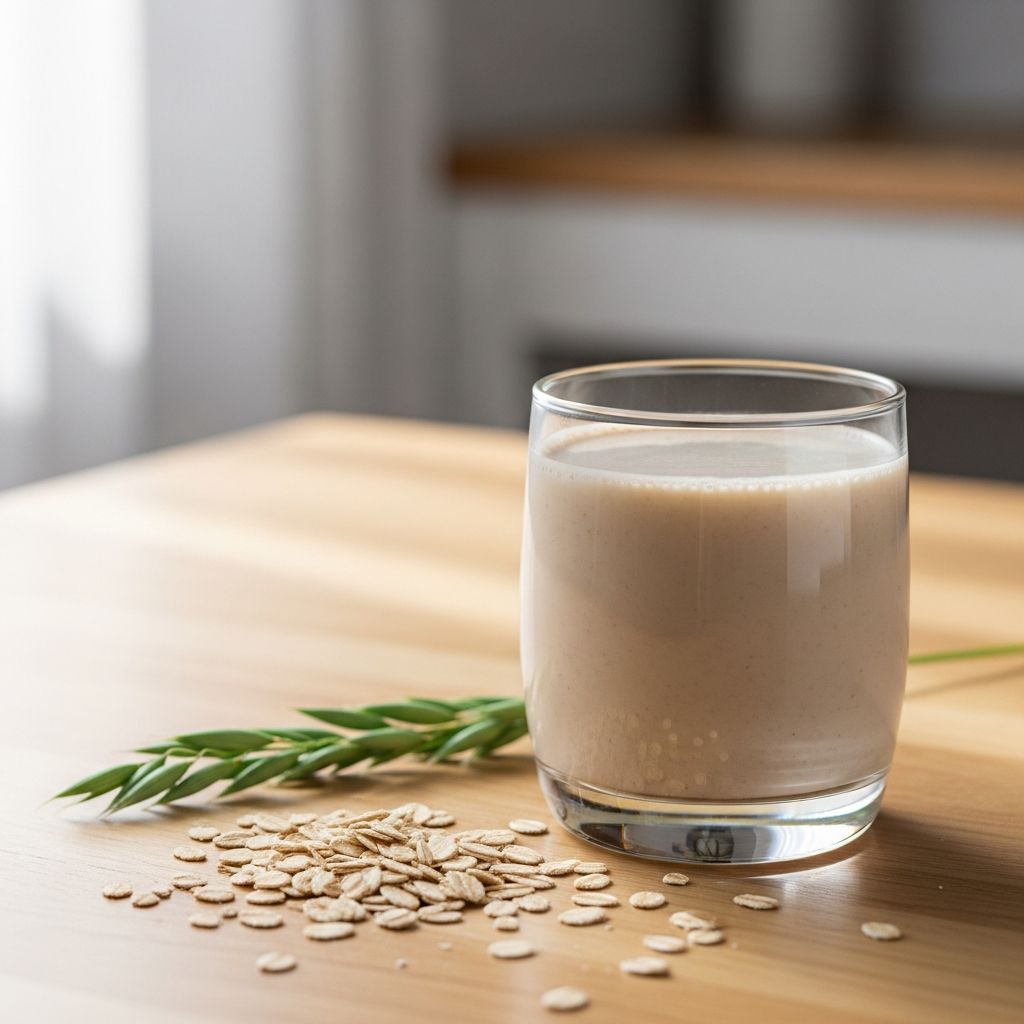
The Oatzempic trend has exploded on social media, positioning a simple blended oat beverage as a natural rival to prescription weight loss drugs like Ozempic. This drink, crafted from oats, water, and lime juice, promises to curb hunger and promote rapid fat loss without medications. But amid the hype, questions linger about its true effectiveness and safety.
Origins of the Oatzempic Craze
Oatzempic draws its name from semaglutide-based drugs like Ozempic, which mimic hormones to suppress appetite and slow digestion. Social platforms buzz with user testimonials claiming pounds shed in weeks by replacing meals with this low-calorie shake. The appeal lies in its accessibility—no doctor’s visit required, just pantry staples blended smooth.
Virality stems from quick recipes shared online, often highlighting before-and-after photos. Users blend a half-cup of rolled oats with water and a squeeze of lime, creating a gel-like mixture around 150 calories per serving. Proponents argue it mimics drug effects through natural means, sparking debates on whether food can rival pharmaceuticals.
Core Ingredients and Their Power
At its heart, Oatzempic relies on **oats**, a whole grain packed with soluble fiber known as beta-glucan. When mixed with liquid, beta-glucan forms a viscous gel in the stomach, expanding to signal fullness to the brain. This mechanism delays gastric emptying, reducing overall calorie intake by minimizing snacking.
- Beta-glucan fiber: Lowers cholesterol absorption and stabilizes blood sugar, per studies on oat consumption.
- Lime juice: Adds vitamin C and a tangy flavor, potentially aiding digestion without significant calories.
- Water base: Hydrates while bulking the mixture for satiety.
Oats also deliver B vitamins, iron, and antioxidants, making the drink nutrient-dense compared to sugary breakfast options. Swapping it for processed cereals could naturally cut daily calories by hundreds.
Potential Health Advantages
While Oatzempic lacks dedicated clinical trials, oats’ benefits are well-documented. Regular intake supports heart health by reducing LDL cholesterol and improves gut microbiota through prebiotic effects. For weight management, the fiber promotes gradual loss when part of a calorie-controlled diet.
| Benefit | How Oats Contribute | Evidence Level |
|---|---|---|
| Appetite Control | Beta-glucan gel slows digestion | High (multiple RCTs) |
| Cholesterol Reduction | Binds bile acids in gut | High (FDA-approved claim) |
| Gut Health | Feeds beneficial bacteria | Moderate |
| Blood Sugar Stability | Low glycemic index | High |
Incorporating Oatzempic-style drinks may enhance these effects by encouraging mindful eating. Nutritionists note it as a smarter swap for high-sugar beverages, potentially aiding 1-2 pounds weekly loss—the healthy CDC benchmark.
Recipe Variations for Everyday Use
Basic Oatzempic: Blend ½ cup rolled oats, 1 cup water, juice of ½ lime. For variety:
- Berry Boost: Add frozen berries for antioxidants (200 calories).
- Protein Punch: Mix in Greek yogurt or protein powder for muscle support.
- Spice It Up: Cinnamon or ginger for flavor and metabolism perks.
Consume once daily, ideally mornings, to kickstart metabolism. Blend until creamy, chill for 10 minutes to thicken.
Risks and Realistic Expectations
Despite buzz, Oatzempic isn’t a miracle. Claims of 40-pound losses in weeks ignore biology—rapid drops often rebound due to metabolic slowdown. Extreme calorie cuts risk nutrient gaps, fatigue, and muscle loss, especially without balanced meals.
Those with gluten sensitivity should opt for certified gluten-free oats. Over-reliance may foster disordered eating patterns, echoing Ozempic’s cultural pitfalls where trends glorify thinness over wellness. Experts urge holistic approaches: pair with exercise, sleep, and stress management.
Comparing Oatzempic to Ozempic
| Aspect | Oatzempic (Oat Drink) | Ozempic (Drug) |
|---|---|---|
| Mechanism | Natural fiber gel | GLP-1 hormone mimic |
| Cost | <$1 per serving | $1,000+/month |
| Side Effects | Mild bloating possible | Nausea, GI issues |
| Sustainability | Easy to maintain | Requires prescription |
| Evidence | Oat studies supportive | Clinical trials proven |
Oatzempic offers a gentler entry to appetite control, but lacks the drug’s potency for obesity treatment.
Expert Strategies for Lasting Results
Registered dietitians recommend Oatzempic as a tool, not a fix. Build habits like:
- Tracking intake via apps for awareness.
- Strength training to preserve muscle.
- Mindful portions beyond shakes.
Consult professionals before trends, especially with conditions like diabetes. Sustainable loss averages 1-2% body weight monthly through lifestyle shifts.
Frequently Asked Questions
Can Oatzempic replace breakfast daily?
Yes, as a low-calorie option, but rotate with protein-rich meals to avoid deficiencies. Limit to one serving for balance.
Is Oatzempic safe for long-term use?
Oats are safe indefinitely in moderation. Monitor for digestive discomfort; diversify diet for nutrients.
How much weight can I lose with Oatzempic?
Expect 1-2 pounds weekly if combined with diet tweaks. Rapid claims lack evidence and risk rebound.
Who should avoid Oatzempic?
Those with oat allergies, IBS, or eating disorders. Pregnant individuals or kids need pediatric guidance.
Does it work like real Ozempic?
It mimics mild satiety via fiber, not hormones. No substitution for medical therapy.
Building a Balanced Nutrition Plan
Integrate Oatzempic into meals: pair with veggies, lean proteins, healthy fats. Weekly sample:
- Monday Breakfast: Oatzempic + nuts.
- Lunch: Grilled chicken salad.
- Dinner: Salmon, quinoa, greens.
Track progress via measurements, not scales, for body composition insights. Hydrate, walk 10,000 steps daily.
The Bigger Picture: Trends vs. Science
Viral diets like Oatzempic highlight fiber’s role but underscore fad pitfalls. Prioritize evidence-based nutrition over hype. Oats shine in balanced regimens, supporting heart, gut, and weight goals without extremes.
For personalized plans, see a dietitian. Sustainable health trumps quick fixes, fostering vitality long-term.
References
- CDC Adult Obesity Facts — Centers for Disease Control and Prevention. 2024-09-30. https://www.cdc.gov/obesity/adult-obesity.html
- Health Effects of Oats — FDA. 2023-05-15. https://www.fda.gov/food/food-labeling-nutrition/health-claim-notification-oats-and-coronary-heart-disease
- Oatzempic Diet: Oatmeal Ozempic Weight Loss — WebMD. 2024-11-12. https://www.webmd.com/obesity/what-is-oatzempic-diet
- Ozempic for Weight Loss: Does It Work? — UC Davis Health. 2023-07-20. https://health.ucdavis.edu/blog/cultivating-health/ozempic-for-weight-loss-does-it-work-and-what-do-experts-recommend/2023/07
- Beta-Glucan Health Benefits — American Chemical Society. 2024-03-05. https://www.acs.org/pressroom/tiny-matters/ozempic-the-blockbuster-drug.html