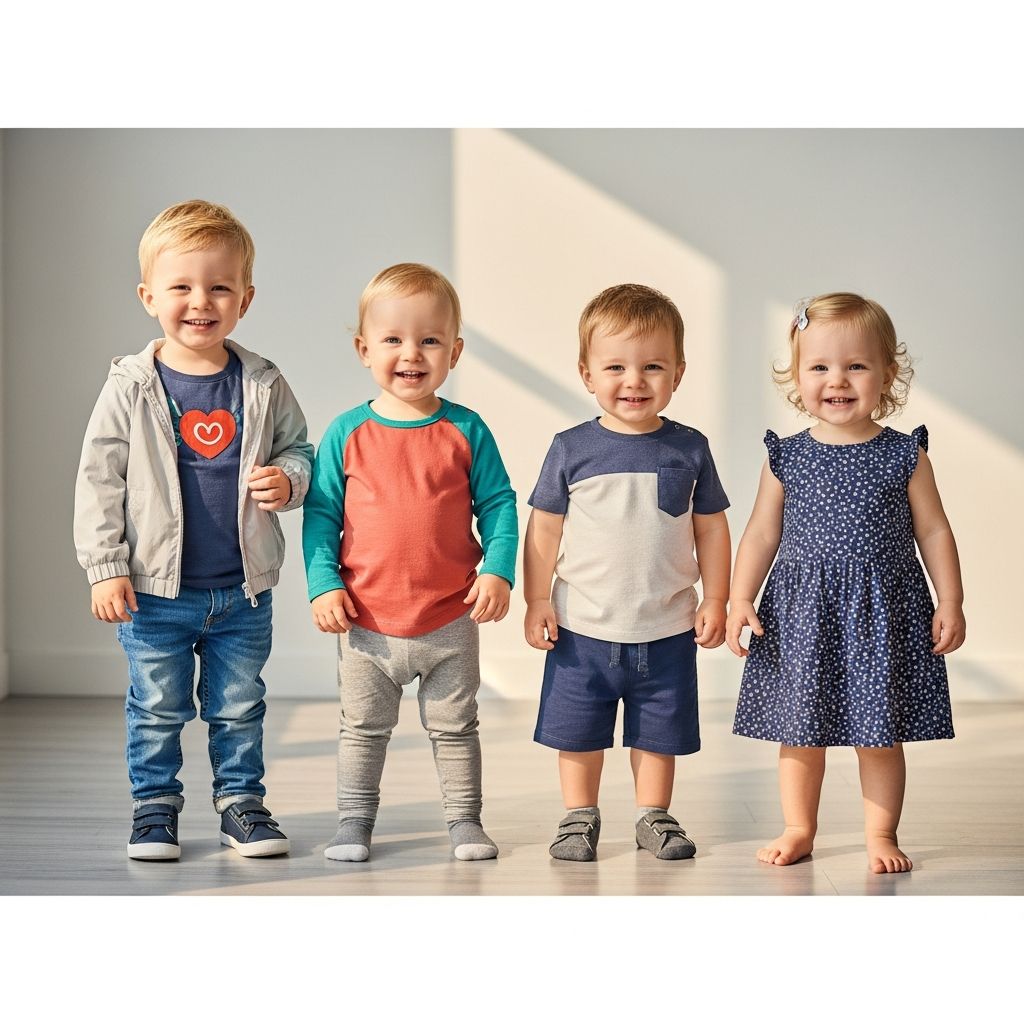
This guide explores nursemaid’s elbow, a prevalent minor injury affecting young children’s elbows. Known medically as radial head subluxation, it involves the radius bone partially slipping out of position due to a loose ligament getting trapped. It accounts for over 20% of upper arm injuries in kids under 5, primarily from everyday pulling motions.
Understanding the Anatomy Behind the Injury
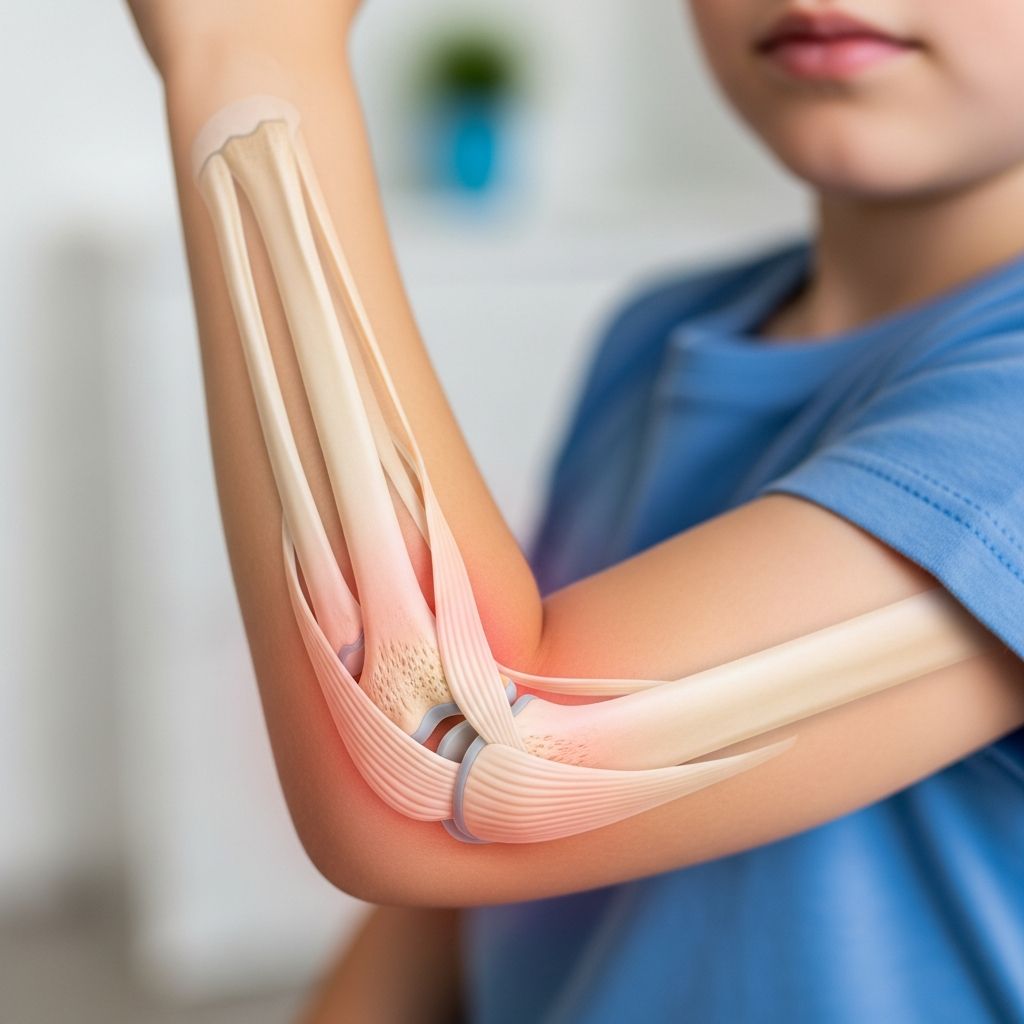
The elbow joint connects the humerus (upper arm bone) to the radius and ulna (forearm bones). In young children, the annular ligament—a band of tissue around the radial head—is often loose and elastic, making it prone to slipping over the radius during traction. This creates a partial dislocation where the ligament traps between the radius and capitellum (part of the humerus), restricting motion. Unlike full dislocations or fractures, this subluxation resolves quickly without lasting damage.
Children’s ligaments strengthen with age, explaining why incidents drop sharply after age 5, though cases can occur up to 7 years. Girls face a slightly higher risk, and the left arm is affected more often.
Common Triggers in Daily Life
Nursemaid’s elbow typically results from longitudinal traction on a pronated (palm-down) extended arm. Everyday scenarios include:
- Adults yanking a child’s hand to stop them from running into traffic or tripping.
- Lifting or swinging toddlers by one arm or wrist during play.
- Child pulling away suddenly from an adult’s grip.
- Infants rolling over in bed, causing arm extension.
Rarely linked to falls—if a child falls on an outstretched hand, suspect a fracture instead. Previous episodes raise recurrence risk to about 20% due to ligament laxity.
Spotting the Telltale Signs Early
Symptoms appear immediately after the trigger, with no visible swelling, bruising, or deformity. Key indicators include:
- Sudden crying or distress during the pull.
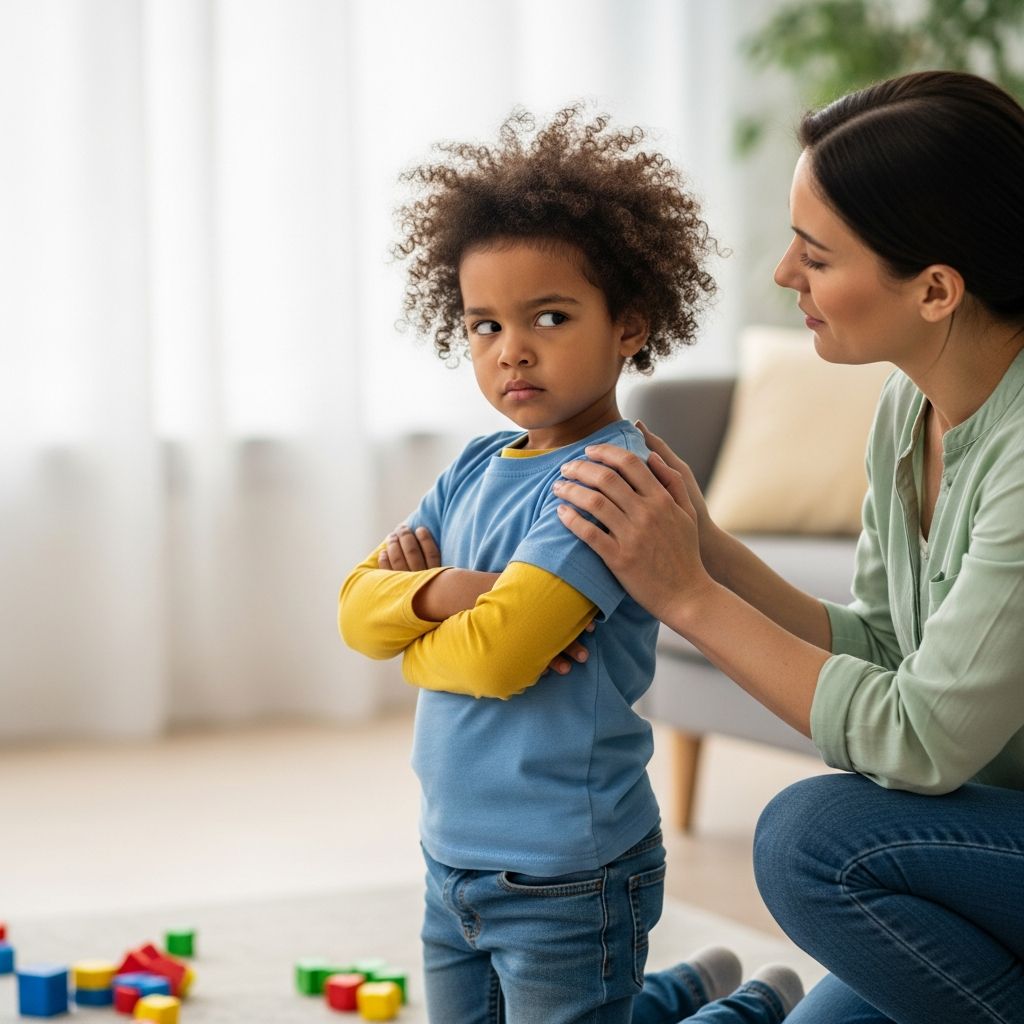
- Refusal to use the arm, holding it limp against the body with elbow slightly flexed and palm down.
- Pain on supination/pronation (rotating forearm) more than flexion/extension.
- Mild tenderness at the radial head (outer elbow).
- Normal shoulder movement but elbow avoidance.
Children may vaguely report pain in the wrist, forearm, or elbow without pinpointing it. Pseudoparalysis—voluntary immobility—helps protect the joint.
When and How to Seek Professional Care
Always consult a doctor promptly if symptoms match, as timely reduction prevents complications. Pediatricians, ER physicians, or orthopedists diagnose via history and arm position—no X-ray needed unless fracture suspected.
Diagnosis Process:
| Step | Description |
|---|---|
| History Review | Details on incident, arm use, and symptoms. |
| Physical Exam | Checks for tenderness, range of motion; child holds arm pronated. |
| X-ray (if needed) | Ruled out for bones; normal in true nursemaid’s cases. |
Effective Treatment Methods
Treatment is a simple, non-invasive reduction maneuver performed by trained providers. Two common techniques:
- Supination-Flexion: Hold arm with thumb over radial head, supinate forearm (palm up), then flex elbow sharply.
- Hyperpronation: Pronate forearm maximally with pressure on radial head; often successful on first try.
A “pop” or click signals success, followed by normal arm use within minutes. Ice and pain relief (e.g., acetaminophen) aid comfort post-reduction. Full recovery is typical; no surgery required.
Preventing Recurrence and Future Episodes
Avoid arm-pulling habits:
- Lift under arms or torso, not wrists/hands.
- Supervise play to prevent swinging by arms.
- Use two hands for guidance.
- For recurrent cases, consider a sling briefly or ligament-tightening consult (rare).
Education reduces incidence; ligaments naturally firm up over time.
Potential Complications and Myths Debunked
Untreated, it may persist but rarely causes chronic issues. Myths include home reductions—avoid without training to prevent harm. Differentiate from fractures: falls or trauma suggest imaging. No long-term growth effects reported.
Frequently Asked Questions (FAQs)
Can I fix nursemaid’s elbow at home?
No, seek medical help. Improper maneuvers risk worsening.
How long until my child uses the arm normally?
Often immediately post-reduction; full comfort in hours.
Is nursemaid’s elbow only from rough play?
No, common from protective pulls too.
Will it recur often?
About 20% chance; lessens with age.
Does it affect both arms equally?
Left more common; girls slightly higher risk.
Long-Term Outlook for Affected Children
Prognosis is excellent—no developmental delays or weaknesses. Monitor for repeat until age 7. Teach caregivers prevention for siblings.
(Word count: 1678)
References
- Nursemaid’s Elbow | Fact Sheets — Yale Medicine. 2023. https://www.yalemedicine.org/conditions/nursemaids-elbow
- Nursemaid Elbow 101 — Children’s Hospital Los Angeles. 2022-10-12. https://www.chla.org/blog/advice-experts/nursemaid-elbow-101
- Nursemaid’s Elbow — OrthoInfo – AAOS. 2023-05-01. https://orthoinfo.aaos.org/en/diseases–conditions/nursemaids-elbow/
- Nursemaid’s Elbow — Nemours KidsHealth. 2024. https://kidshealth.org/en/parents/nursemaid.html
- Nursemaid’s Elbow: Symptoms & Treatment — Cleveland Clinic. 2023-08-15. https://my.clevelandclinic.org/health/diseases/22109-nursemaid-elbow
- Nursemaid’s Elbow — Nationwide Children’s Hospital. 2023. https://www.nationwidechildrens.org/conditions/nursemaids-elbow
- Nursemaid Elbow — StatPearls – NCBI Bookshelf. 2023-07-17. https://www.ncbi.nlm.nih.gov/books/NBK430777/