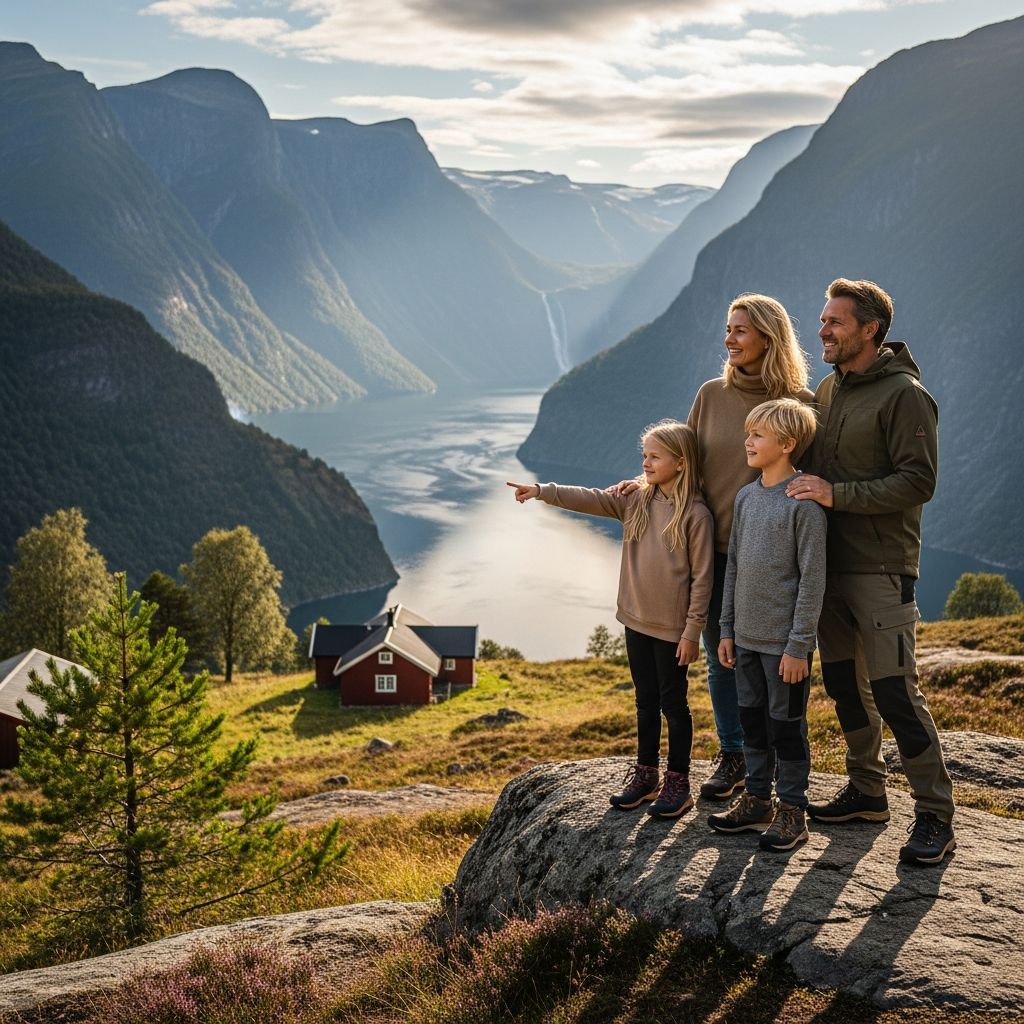
Why Norway Stands Out as a Premier Family Destination
Norway has become increasingly recognized as an exceptional location for family vacations, combining natural wonders with infrastructure specifically designed to welcome children. The country prioritizes family life and child welfare in its tourism infrastructure, making it distinctly appealing for parents seeking destinations where their children’s comfort and safety are paramount considerations. From dramatic coastal landscapes to pristine wilderness areas, Norway offers diverse experiences that cater to various age groups and interests.
The Norwegian approach to family-oriented travel extends beyond simple attractions. The culture emphasizes outdoor engagement, sustainable tourism practices, and educational experiences that enrich children’s understanding of nature and geography. Families visiting Norway can expect well-maintained facilities, clear signage, accessible transportation, and a general welcoming attitude toward children in public spaces.
Coastal Regions and Fjord Exploration
The fjord regions represent Norway’s most iconic landscape and offer remarkable opportunities for family engagement. These deep waterways carved by ancient glaciers create dramatic scenery that captivates visitors of all ages. The fjords provide multiple ways to experience their beauty, from leisurely boat cruises to more active kayaking expeditions suited to older children.
Families can explore the fjords through various means tailored to different age groups and comfort levels:
- Scenic boat tours designed specifically for families, with many operators accommodating children under two years old with appropriate safety provisions
- Combination experiences pairing boat travel with short hiking trails to accessible viewpoints
- Multi-day fjord cruises offering onboard entertainment and dining facilities suited to young travelers
- Kayaking adventures for families with older children seeking more active participation
The Geirangerfjord exemplifies the family-friendly fjord experience. This UNESCO World Heritage site features accessible hiking trails, including routes to historic mountain farms, combined with boat tours through crystalline waters. The region does experience seasonal cruise ship traffic, which can create temporary crowding at popular dock areas. Strategic timing of visits—consulting cruise schedules in advance—allows families to enjoy the fjord’s beauty without excessive congestion.
Urban Centers: Culture Meets Accessibility
Norway’s major cities balance cultural richness with family-friendly amenities, offering urban exploration without sacrificing child-centered services. These cities serve as logical starting points for broader Norwegian adventures while providing substantial attractions for multi-day stays.
Oslo: The Capital Experience
Oslo represents Norway’s largest urban center and combines historical significance with contemporary attractions. The city hosts numerous museums appealing to different age groups, from science centers to art galleries. The Vigeland Sculpture Park offers outdoor recreation space where children can run freely among thousands of bronze sculptures, making it an ideal destination for families seeking respite from indoor activities. During summer months, the extended daylight hours and pleasant weather create ideal conditions for extended park exploration.
The city’s modern architecture, including the iconic Opera House and innovative Barcode District, provides visual interest for older children developing appreciation for design and urban planning. Multiple neighborhoods offer distinct characteristics, allowing families to experience different aspects of contemporary Norwegian life.
Bergen: The Gateway to Natural Beauty
Bergen, positioned as Norway’s second-largest city, sits at the threshold between urban culture and dramatic natural landscapes. The historic Bryggen district features colorful wooden buildings and narrow streets, creating an atmospheric exploration area for families. The city’s strategic location provides easy access to surrounding fjords and mountains.
The Fløyen cable car delivers families to mountain-top viewpoints with minimal physical exertion, offering perspectives of the harbor and surrounding fjords. Children find the cable car experience exciting, while parents appreciate the accessibility for younger or less mobile family members. Multiple museums throughout the city cater to diverse interests, including maritime history, science, and decorative arts.
Arctic Adventures and Northern Experiences
Northern Norway presents a distinct category of family experiences, particularly appealing to families seeking more adventurous or unique travel memories. The Arctic regions combine stunning natural phenomena with activities ranging from gentle to moderately challenging.
Tromsø: Arctic Capital Adventures
Tromsø, designated as the Arctic capital, serves as a hub for Northern Lights observation during winter months and midnight sun experiences during summer. The city maintains significant cultural infrastructure despite its northern location, featuring historic wooden architecture, contemporary museums, and an observatory specializing in aurora borealis study. Families can engage with cutting-edge science while enjoying historical ambiance.
The city’s unique position creates distinct seasonal opportunities. Winter visitors can experience dog sledding across frozen landscapes, a thrilling activity for older children and adults. Summer travelers enjoy extended daylight hours enabling round-the-clock outdoor activities. The transition seasons showcase rare astronomical phenomena accessible to younger learners through educational programs and guided experiences.
Svalbard Archipelago: Remote Wilderness
For families prepared for more remote travel, Svalbard represents an exceptional destination showcasing Arctic biodiversity and dramatic landscapes. The archipelago’s vast glaciers, national parks, and unique wildlife create memorable experiences for children developing environmental awareness. Families might observe polar bears, arctic foxes, reindeer, seabirds, and marine mammals in their natural habitats.
Activities scale with family capabilities and children’s ages. Summer enables trekking through pristine terrain, climbing expeditions, kayaking in fjords, and sailing adventures. Winter transforms the landscape into a snow-covered wonderland supporting snowmobiling, forest hiking, and ice cave exploration. The extreme environment demands appropriate preparation and realistic assessment of family fitness levels.
Lofoten Islands: Dramatic Scenery and Cultural Immersion
The Lofoten Islands offer distinct experiences combining dramatic mountain scenery with fishing village culture and Norse heritage. These islands appeal particularly to families seeking authentic experiences beyond major tourist centers while maintaining adequate tourism infrastructure.
Accommodations in traditional fishing huts positioned directly on the water provide unique stays enabling children to engage directly with maritime culture. Historic villages preserve traditional building styles and fishing practices, offering educational experiences about historical Norwegian life. Sandy beaches provide recreational opportunities and animal observation points for spotting eagle and other seabirds.
The islands accommodate various activity levels. Families with young children enjoy leisurely exploration of villages and beaches, while active families pursue hiking trails with panoramic views, kayaking expeditions, and fishing experiences. The extended summer daylight allows extended activity periods without time pressure.
Seasonal Considerations for Family Planning
| Season | Primary Activities | Weather Considerations | Optimal Family Types |
|---|---|---|---|
| Summer (June-August) | Hiking, kayaking, fishing, fjord cruises, midnight sun viewing | Mild temperatures, extended daylight, midges in some areas | Families with active children, outdoor enthusiasts |
| Winter (December-February) | Northern Lights viewing, dog sledding, snowmobiling, ice activities | Cold temperatures, limited daylight, excellent snow conditions | Families comfortable with cold weather, adventure seekers |
| Spring (April-May) | Hiking, wildlife observation, spring scenery, moderate weather | Variable temperatures, awakening landscape, manageable crowds | Families seeking balance between activity and weather comfort |
| Autumn (September-October) | Hiking, Northern Lights beginning, cultural festivals | Cooling temperatures, shorter days, dramatic seasonal colors | Families avoiding peak summer crowds, interested in aurora |
Practical Accommodations and Transportation
Norway provides diverse accommodation options scaled to family needs and budgets. Traditional hotels in urban centers offer standard amenities and reliable services. Farm stays throughout rural regions provide immersive experiences with animals, gardens, and authentic local engagement. Unique accommodations including tree houses and waterfront fishing huts create memorable experiences appealing to children’s sense of adventure.
Transportation infrastructure simplifies family travel. Well-maintained roads, efficient public transit systems, and reliable airports facilitate smooth movement between regions. Rental vehicles provide flexibility for families preferring independent exploration. Scenic train routes offer engaging alternatives to driving, particularly the Bergen-Oslo railway and routes through mountainous regions.
Activities Across Age Groups
Young Children (Toddlers to Age 6)
- Play areas and playgrounds available in urban centers and tourist destinations
- Gentle beach exploration on sandy shores
- Short boat excursions with infant-accommodating provisions
- Farm visits featuring animal interaction and seasonal activities
- Museum exhibits designed for interactive learning
School-Aged Children (Ages 7 to 12)
- Moderate hiking trails with rewarding viewpoints
- Kayaking and paddle boarding in calm fjord waters
- Glacier exploration and hiking tours designed for youth
- Historical site visits and museum exhibits targeting this age group
- Wildlife observation and nature photography opportunities
Teenagers
- Challenging mountain hiking and rock climbing
- Adventure sports including kayaking and mountaineering
- Northern Lights photography expeditions
- Dog sledding and winter sports activities
- Cultural and historical exploration with educational depth
Practical Logistics for Family Travel
Successful family travel to Norway requires strategic planning addressing specific needs. Research facilities, activities, and accommodations aligned with children’s ages and interests before booking. Advance reservations during peak summer season ensure preferred accommodations and activity participation.
Budget considerations should account for higher Scandinavian prices, though family-oriented accommodations and activities often provide value. Many museums offer family discounts. Food costs can be managed through shopping at local markets and selecting accommodations with kitchen facilities for meal preparation.
Health and safety preparations include travel insurance coverage, documentation of vaccinations, and familiarity with local medical facilities. Despite northern latitude, Norway maintains excellent healthcare standards and accessible services. Pack appropriately for seasonal weather, recognizing that temperatures and conditions vary significantly between regions and seasons.
Frequently Asked Questions
Is Norway expensive for families?
Norway is relatively expensive compared to many European destinations, but families can manage costs through budget accommodations, self-catering where possible, seeking family discounts at attractions, and traveling during shoulder seasons when rates decline.
What is the best time to visit Norway with children?
Summer (June-August) offers ideal weather and extended daylight for outdoor activities. However, winter (December-February) provides unique Northern Lights and snow-based activities. Spring and autumn offer good weather with fewer crowds.
Are Norwegian cities safe for families?
Yes, Norwegian cities consistently rank among the world’s safest destinations. Low crime rates, well-maintained public spaces, and family-oriented infrastructure make them excellent for families.
Can toddlers participate in fjord activities?
Many fjord tour operators accommodate infants and toddlers with appropriate safety provisions. Research specific boat tour policies in advance, as requirements vary by operator and vessel type.
What language barriers might families encounter?
Norwegian is the primary language, but English proficiency is widespread, particularly among younger generations and tourism industry professionals. Tourist areas provide English signage and materials.
How much hiking is essential for enjoying Norway?
Hiking enhances the experience but isn’t essential. Cable cars, boat tours, scenic drives, and urban exploration offer alternatives. Many attractions accommodate various mobility levels.
References
- Norway Family Trips: Vacations & Holidays with Kids — Nordic Visitor. Accessed April 2026. https://www.nordicvisitor.com/norway/family-tours/
- Luxury Family Trips to Norway 2026/2027 — Jacada Travel. Accessed April 2026. https://www.jacadatravel.com/europe/norway/family-trip/
- Norway with Kids – Epic 7 Day Norwegian Fjords Itinerary — Sweet Little Journey. Accessed April 2026. https://www.sweetlittlejourney.com/norway-with-kids-fjords-itinerary/
- Norway with a Baby or Toddler – Everything to Know — Parenthood Adventures. Accessed April 2026. https://parenthoodadventures.com/norway-with-a-baby-or-toddler/
- Family Fun for Kids of All Ages — Visit Norway Official Tourism. Accessed April 2026. https://www.visitnorway.com/things-to-do/family-fun/
- Fjords with the Family: Our 17-day Adventure in Norway — Travel Near Travel Far. Accessed April 2026. https://www.travelnear-travelfar.com/post/fjords-with-the-family-our-17-day-adventure-in-norway
- 7 Reasons to Take Your Kids to Norway — Local Passport Family. Accessed April 2026. https://www.localpassportfamily.com/2018/09/7-reasons-to-take-your-kids-to-norway.html