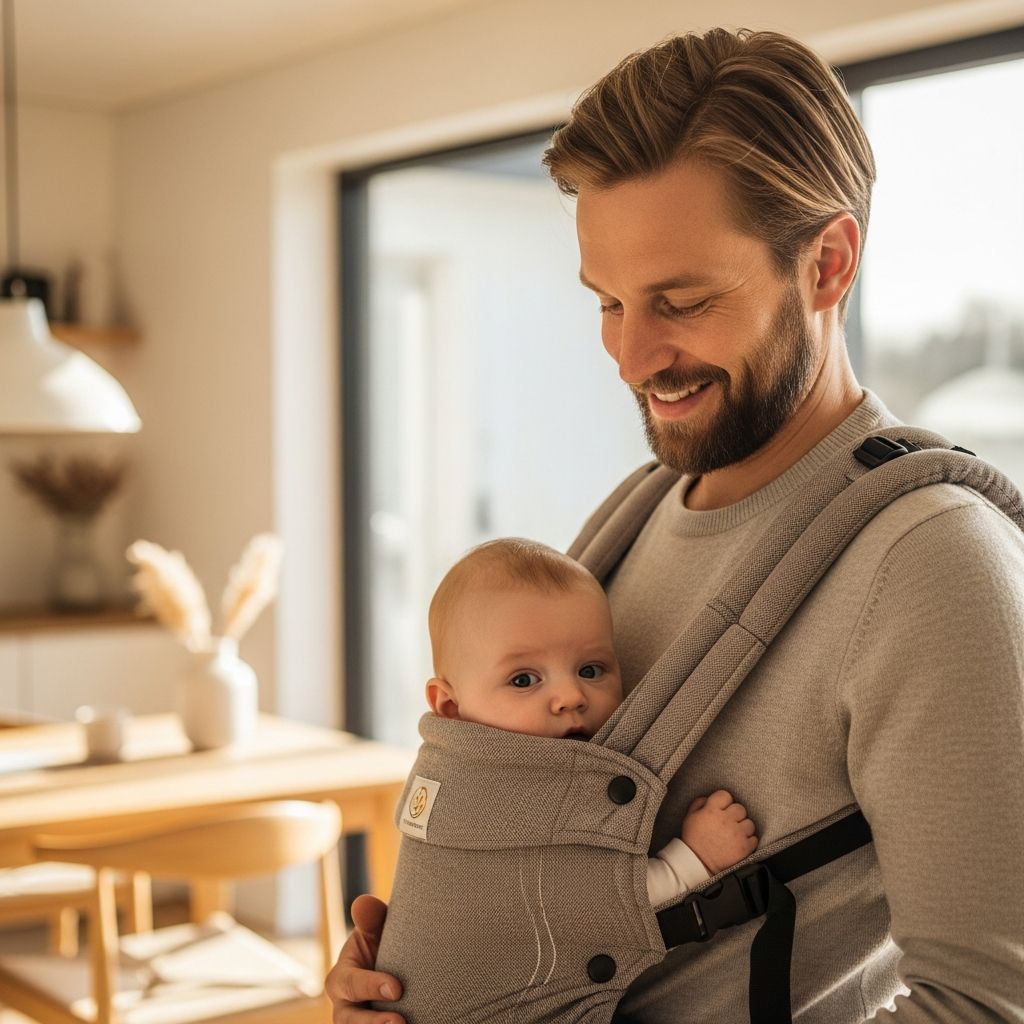
Modern fatherhood in the Nordic region—encompassing Sweden, Denmark, Iceland, Finland, and Norway—stands as a global benchmark for involved parenting and gender equity. Decades of policy innovation have shifted cultural norms, encouraging men to embrace caregiving roles alongside their professional lives. This article delves into the evolution of these practices, key survey insights, policy impacts, and persistent hurdles, drawing from authoritative studies to highlight why Nordic dads are reshaping family dynamics worldwide.
The Rise of Engaged Fatherhood in the North
Over the past 50 years, Nordic societies have witnessed a profound transformation in how fathers participate in family life. In the mid-20th century, childcare was predominantly viewed as a maternal duty, with fathers focused on breadwinning. Pioneering reforms in the 1970s introduced paid parental leave, initially met with resistance. Terms like Sweden’s ‘velour dads’ mocked men who stayed home, associating it with laziness or unmanliness. Yet, persistent policy efforts, including quotas reserved exclusively for fathers—known as the ‘daddy quota’—gradually normalized paternal involvement.
Today, fathers pushing strollers or carrying infants in slings are commonplace sights in Nordic cities. This cultural shift is underpinned by generous leave systems: Sweden offers up to 69 weeks of shared parental leave, while others provide at least 40 weeks. These policies not only provide financial security but also signal societal approval of men prioritizing family.
Key Insights from the State of Nordic Fathers Survey
The landmark ‘State of Nordic Fathers’ report, published by Promundo in partnership with Nordic organizations, surveyed 7,515 parents across the five countries. It reveals overwhelming support for equal parenting: 75% of both fathers and mothers advocate splitting leave evenly. An impressive 89-96% of fathers express confidence and eagerness in caregiving during their children’s early years.
Parents unanimously—86-94%—affirm that fathers must play a major role in childcare. This enthusiasm translates to tangible benefits: men taking extended leave report stronger partnerships, deeper child bonds, heightened life satisfaction, and reduced adherence to rigid masculinity norms. They actively consult parenting resources, fostering informed caregiving.
- High Capability Perception: Swedish fathers top the charts at 96% feeling equipped for active parenting.
- Shared Responsibility Consensus: Near-universal agreement on fathers’ duties in daily care, planning, and emotional support.
- Long-Term Gains: Extended leave correlates with equitable household dynamics and personal fulfillment.
Parental Leave Policies: A Comparative Overview
Nordic leave models vary but share core principles of generosity and flexibility. Iceland led with its 2000 reform, mandating three equal months per parent, boosting fathers’ take-up and equal care division in children’s first three years. Economic adjustments, like salary caps post-2008 crisis, temporarily reduced uptake but underscored policy sensitivity to fiscal realities.
| Country | Total Leave (Weeks) | Father’s Quota | Fathers’ Usage (% of Total Leave) |
|---|---|---|---|
| Sweden | 69 | ~3 months reserved | 25-30% |
| Denmark | 52 | 2 weeks reserved | 10-20% |
| Iceland | 40 (12+12+16 flexible) | 3 months | ~30% |
| Finland | 44 | ~2 months | 10-25% |
| Norway | 49 | 15 weeks | 20-30% |
Data adapted from national policies and surveys; fathers typically claim 10-30% overall, with quotas driving increases.
The daddy quota proves most effective, as quotas compel use or forfeit, dismantling excuses rooted in career fears. Norway and Iceland exemplify this, with fathers’ leave days surging post-implementation.
Beyond Leave: Everyday Caregiving Realities
While attitudes align on equality, practice lags. Fathers self-report equal sharing in planning (55%), physical care (66-70%), and emotional nurturing (similar rates). Mothers, however, perceive imbalances: only 33% agree on equal planning, with 64% handling most or all. This ‘optimism gap’ highlights perceptual disconnects, where men overestimate contributions.
In Denmark, fathers contribute about 33-40% of primary care, a leap from prior generations, yet mothers still shoulder more. Post-divorce shared parenting has risen sharply—from 5% in 2009 to 41% in 2021—reflecting legal and cultural support for joint custody.
Barriers Holding Fathers Back
Despite progressive policies, utilization remains suboptimal. Career concerns dominate: many fear leave harms promotions or colleague relations. Supportive managers boost uptake, emphasizing workplace culture’s role.
Lingering gender stereotypes persist; mothers more vocally demand paternal involvement (e.g., 85% of Swedish moms). Broader norms of masculinity deter some, though Nordic men show greater tolerance for diverse life choices, like childlessness, potentially influencing fertility trends.
Main Challenges:
- Career Penalties: Perceived risks deter full leave use.
- Perception Gaps: Fathers overstate equality in chores.
- Normative Pressures: Residual views of care as ‘women’s work’.
- Economic Factors: Salary caps reduce high-earners’ incentives.
Benefits of Paternal Involvement for Families
Extended leave yields multifaceted gains. Children thrive with dual caregivers, evidenced by stronger attachments. Partners enjoy equitable loads, curbing resentment and divorce risks—Iceland’s post-2000 data shows lower separations among early beneficiaries.
Fathers gain personally: reduced dependency on partners, proactive health-seeking, and fulfillment. Societally, it advances gender equality, with men modeling balanced lives. Denmark’s rising shared custody post-divorce (to 41%) underscores sustained involvement.
Lessons for the World: Adopting Nordic Models
Nordic success stems from intertwined policy, culture, and economics. Reserved quotas outperform flexible systems, as seen in NIKK analyses. Global adopters, like Spain or Canada, report upticks, but need cultural buy-in.
Workplaces must normalize leave; governments incentivize via funding. Ultimately, challenging masculinity myths empowers men as equals in care.
Frequently Asked Questions (FAQs)
What makes Nordic paternity leave unique?
It features long durations (40+ weeks), paid benefits, and father-specific quotas, ensuring active participation unlike many countries’ mother-centric systems.
Do Nordic fathers really share childcare equally?
Attitudes yes, but mothers report doing more planning (64% majority). Fathers handle 10-30% of leave, with gains in daily care.
How has the ‘daddy quota’ impacted usage?
Proven most effective, it boosted fathers’ leave by reserving non-transferable periods, e.g., Iceland’s equal months reform.
Are career risks real for Nordic dads?
Yes, many cite promotion fears, but supportive managers mitigate this, highlighting culture’s role.
What benefits do kids get from involved dads?
Stronger bonds, better development; studies link long leave to improved family stability and child outcomes.
Conclusion: A Blueprint for Balanced Families
Nordic fathers exemplify progress, yet gaps remind us equality is ongoing. Their model—policy-driven, culturally reinforced—offers a roadmap for nurturing generations of equitable parents.
References
- What Swedish Dads and Nordic Dads Have That We Don’t — Fatherly. 2019. https://www.fatherly.com/life/swedish-dads-nordic-dads-survey
- State of Nordic Fathers — Nordic Council of Ministers (norden.org). 2019-11-01. https://www.norden.org/en/publication/state-nordic-fathers
- Nordic Parental Leave Policy: The Case of Iceland — Nordics.info. 2020. https://nordics.info/show/artikel/nordic-parental-leave-policy-the-case-of-iceland
- Shared parenting and father involvement after divorce in Denmark — PMC/NCBI (PMC10662306). 2023. https://pmc.ncbi.nlm.nih.gov/articles/PMC10662306/
- The daddy quota – the most effective policy instrument — NIKK (nikk.no). 2023. https://nikk.no/en/the-daddy-quota-the-most-effective-policy-instrument/