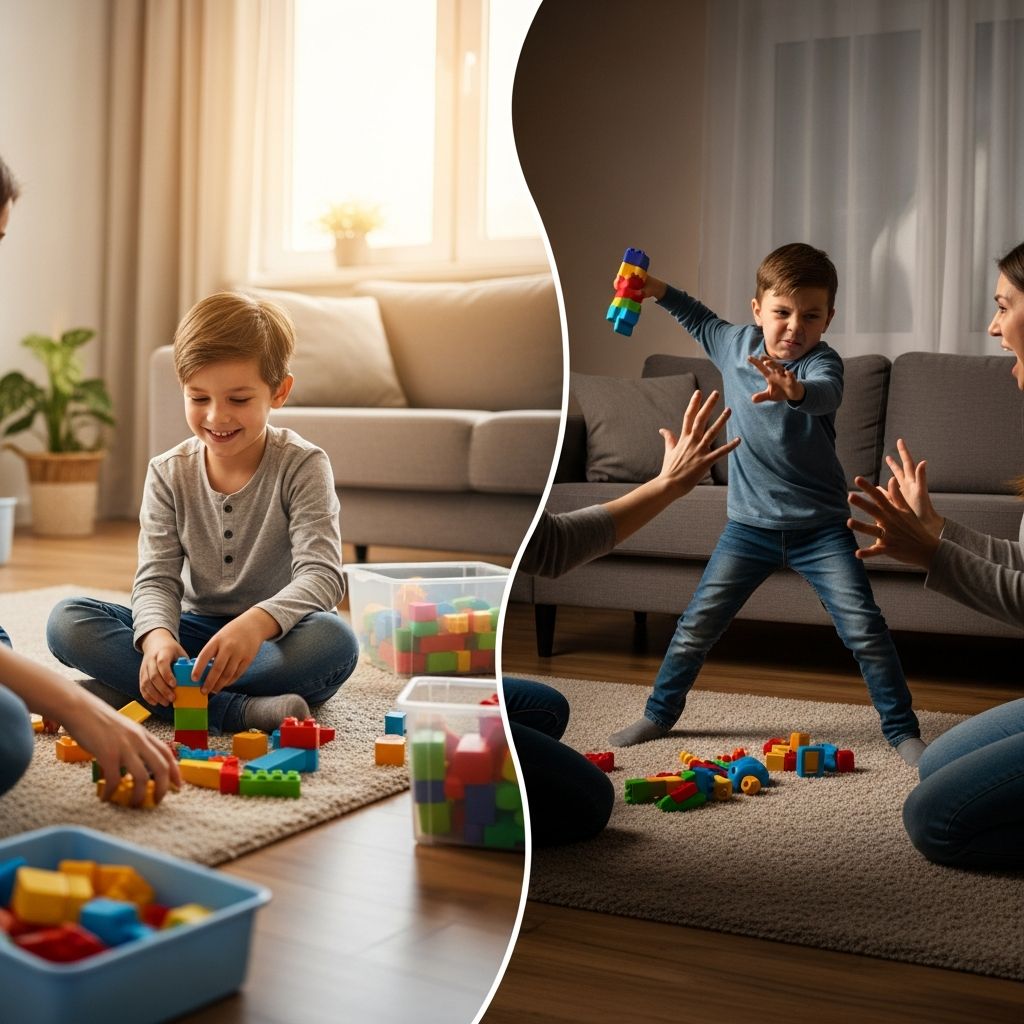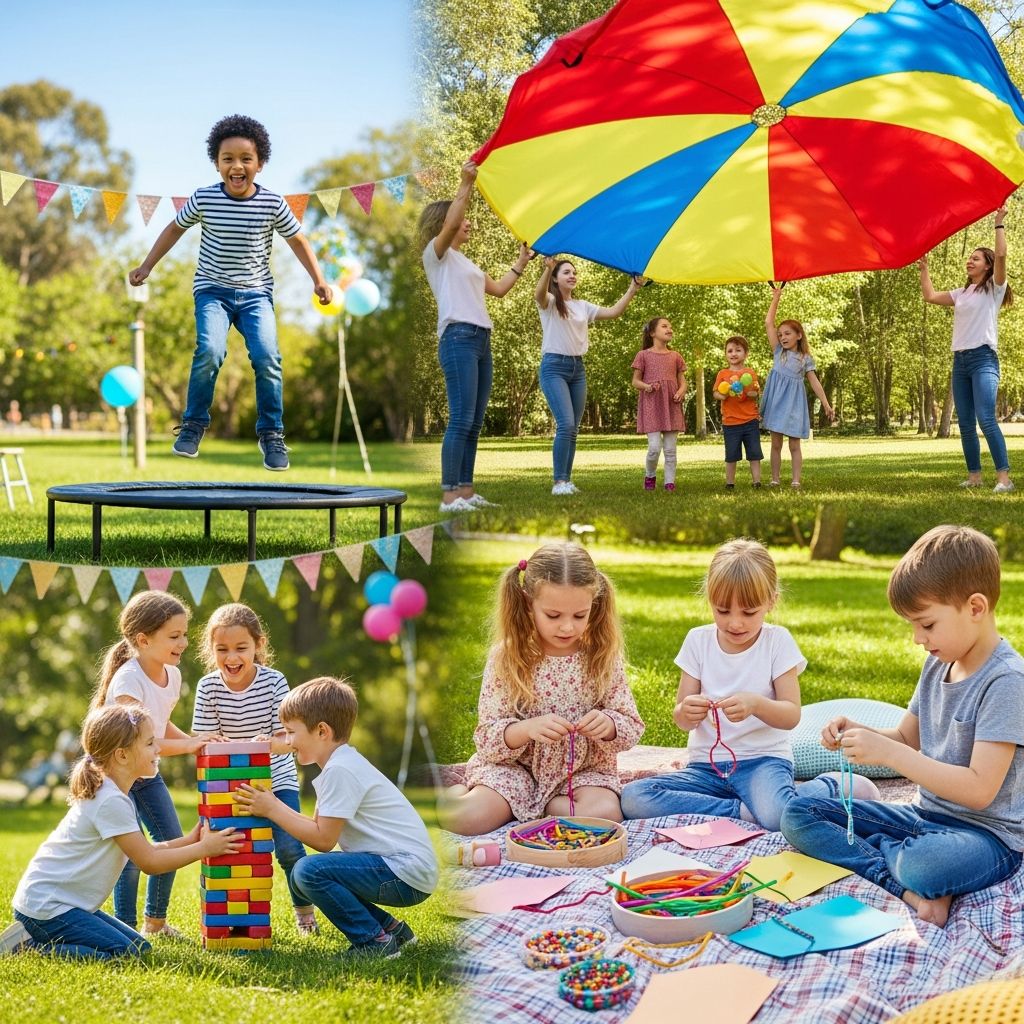
Children’s birthday parties can be magical, but the mountain of presents that follows is not always so enchanting. Many families now look for ways to celebrate big without adding more clutter, financial pressure, or sugar-fueled chaos. A “no-gifts” birthday party is one way to do that, while keeping all the fun and excitement that make the day feel special.
Why Consider a No-Gifts Party?
Choosing a no-gifts birthday is not about being ungrateful; it is about being intentional. Parents often find that the gifts create more stress than joy once the party is over. A different approach can align better with family values around simplicity, generosity, and sustainability.
- Helps minimize clutter and toy overload in your home.
- Reduces financial and social pressure on guests’ families.
- Shifts the focus from “What did I get?” to “Who is here with me?”
- Models gratitude, simplicity, and thoughtfulness for children.
Common Worries Parents Have
Even parents who love the idea of a no-gifts party often hesitate to take the leap. Most concerns fall into a few predictable categories, and thinking through them ahead of time makes it easier to move forward with confidence.
- Worried about hurt feelings: Will guests think you are rejecting their generosity?
- Worried about your child’s reaction: Will they feel disappointed or embarrassed?
- Worried about awkwardness: Will people ignore the request or feel unsure what to do?
The good news is that clear communication and thoughtful planning can address almost all of these worries. The celebration can still feel rich, generous, and joyful—even without wrapped boxes.
Talking With Your Child First
The conversation with your child is the true foundation of a successful no-gifts party. When kids understand the “why” and help shape the plan, they are much more likely to embrace it.
Explain the Reason in Simple Terms
A child does not need a lecture on consumer culture to get on board. A few clear points are usually enough:
- “We have lots of toys already, and we want to enjoy the ones you love most.”
- “We want your friends to come celebrate, even if buying a present is hard for them.”
- “We would like your party to be about fun and memories, not just gifts.”
Tailor the message to your child’s age and personality. Some kids are motivated by helping others, while others care more about experiences and special activities.
Offer Appealing Alternatives
Instead of simply taking gifts away, offer your child attractive options that make the party feel even more special:
- Choosing a big family outing or “experience gift” instead of a pile of toys.
- Picking a charity or cause to support as part of the celebration.
- Designing an extra-fun activity for the party, such as a science station or treasure hunt.
When kids feel they are gaining something meaningful—more fun, a bigger adventure, or the chance to help others—they are less likely to miss the traditional gift table.
Different Ways to Handle “No Gifts”
“No gifts” does not have to mean the same thing for every family. Think of it as a spectrum of choices, from completely gift-free to creative alternatives that still keep things modest and meaningful.
| Approach | What It Means | Best For |
|---|---|---|
| Strict no-gifts | Guests are asked not to bring any presents at all. | Families focused on simplicity and less clutter. |
| Charity-focused | Guests bring donations (items or money) for a chosen cause. | Children motivated by helping others. |
| Group gift | Guests contribute a small amount toward one larger gift. | Kids who dream of one big-ticket item. |
| Experience-based | Guests skip gifts, and the party centers on shared activities. | Families prioritizing memories and time together. |
| Swap or exchange | Guests bring one item to swap (books, puzzles, etc.). | Older kids who enjoy trading and sharing. |
Ideas for Charity or Giving Parties
For many families, “no gifts” turns into “different gifts.” A giving-focused party can teach compassion and create tangible impact without adding clutter to your home. The key is choosing something your child truly cares about.
- Animal-loving child: Collect pet food, blankets, or toys for a local shelter.
- Nature-lover: Ask for small donations to plant trees or support wildlife conservation.
- Community-minded kid: Gather canned goods or hygiene items for a local food pantry.
- Bookworm: Collect gently used books for a school, library, or community center.
Consider building a simple ritual into the party—such as a moment where you show the kids the donations pile and briefly explain how it will be used. Keep it short and age-appropriate, but let them feel part of something bigger than themselves.
Group Gift and “One Big Dream” Options
Some children may feel more comfortable with a middle ground: fewer gifts, but something they are truly excited about. A pooled or group gift can strike that balance. It also lowers pressure on guests, who might otherwise feel they must find the perfect item.
- A larger toy or set (like a train table or building kit).
- Sports equipment, a bike, or outdoor play gear.
- Lessons or classes (dance, music, art, sports).
- A special trip or membership (zoo, aquarium, museum pass).
If you pursue a group gift, think carefully about how you communicate this idea so families never feel forced to participate. Emphasize that any contribution is optional and that their presence is the most important part of the celebration.
How to Word Your Invitations (Without Being Awkward)
Clear, kind wording on the invitation is the most practical tool you have for making a no-gifts party work. You do not need a long explanation; one or two gentle sentences usually do the job.
General Tips for Invitation Wording
- Keep the request short and warm rather than strict or apologetic.
- Emphasize that guests’ presence is what really matters.
- If you are suggesting an alternative (charity, group gift, or swap), give simple, concrete instructions.
- Make the note easy to spot so it is not overlooked in the excitement of party details.
You can place your sentence or two near the RSVP details or as a small line at the bottom of the invitation. If you use digital invitations, consider using a short “event note” section to spell out any special requests.
Planning a Party That Still Feels Special
When you remove gifts from the center of the party, something else has to become the highlight. Think of this as an opportunity rather than a problem. With a little planning, the energy shifts toward play, connection, and experiences.
Make Experiences the Star
- Set up rotating activity stations (crafts, building, sensory play, or science experiments).
- Organize a simple cooperative game or scavenger hunt instead of competitive prize-heavy games.
- Create a DIY photo booth with props so kids can take silly pictures together.
- Plan one “wow” moment, such as a piñata, bubble show, or group dance-off.
When the party has a strong activity focus, children are engrossed in what they are doing. That reduces the chances of anyone fixating on the missing pile of presents.
Navigating Guests Who Bring Gifts Anyway
No matter how carefully you word your invitation, at least one guest will probably show up with a present. People often do this out of habit or cultural expectation, not because they are ignoring your wishes. Having a plan avoids last-minute awkwardness at the door.
- Thank the guest warmly and simply; there is no need to lecture or correct.
- Consider placing unexpected gifts in a discreet basket or room to open later, after guests leave.
- Explain briefly to your child beforehand that this might happen so they are not surprised.
- Focus on kindness over perfection; the relationship matters more than strict rules.
If a relative or close friend repeatedly ignores the request, consider a private conversation at another time. Clarify that your goal is less about presents and more about easing financial pressure and clutter, not about refusing their love.
Helping Your Child Handle Big Feelings
Even the most enthusiastic child might waver when they see friends at other parties unwrapping stacks of toys. Preparing them emotionally is just as important as choosing activities and decorations. Honest, calm conversations go a long way.
- Validate their feelings if they say they feel “left out” or disappointed.
- Remind them of the special benefits of their party (experience, charity impact, or group gift).
- After the party, revisit what they enjoyed most to reinforce the value of the experience.
Some families create a small private tradition—such as a letter, keepsake box, or one special family gift—that helps the child feel cherished even without a tower of packages.
Sample Party Flow for a No-Gifts Celebration
You can structure a no-gifts party much like any other, simply skipping the present-opening segment. Here is an example of how a two-hour party might unfold for younger children:
- 0:00–0:15: Arrival, free play, and simple icebreaker activity.
- 0:15–0:45: Main activity (craft, game circuit, or themed project).
- 0:45–1:00: Snack or meal time.
- 1:00–1:20: Group game, story, or short performance.
- 1:20–1:35: Cake, candles, and singing happy birthday.
- 1:35–2:00: Free play, goodbyes, and distribution of simple favors (if you choose to have them).
Notice that there is no present-opening segment in this outline. If someone brings a gift anyway, it can be set aside with a warm thank you and opened quietly later.
Thoughtful Party Favors (Or Skipping Them)
Many parents who move away from gifts also rethink party favors. Disposable trinkets can feel like a miniature version of the toy-clutter problem. You can either skip favors altogether or choose something simple and useful.
- Single, higher-quality item (a book, small puzzle, or art supply).
- Consumable treats (bubbles, sidewalk chalk, seed packets, or homemade playdough).
- A photo from the party or a printed note from the birthday child thanking guests for coming.
Make sure your child understands that the favor (if you choose one) is a small thank-you, not a replacement for gifts. This keeps expectations realistic and prevents the favor bag from becoming a new source of pressure.
Frequently Asked Questions About No-Gifts Kids’ Parties
Will people think we are being rude or ungrateful?
Most guests will understand that your request is about easing pressure, not rejecting kindness. When you frame it gently and emphasize appreciation for their presence, many parents actually feel relieved not to worry about buying a gift.
What if my culture strongly associates birthdays with gift-giving?
In communities where gifts are deeply tied to respect or affection, a strict no-gifts request might feel uncomfortable. Consider a modified approach: smaller, meaningful gifts, or a shared group gift that still honors cultural expectations while reducing excess.
How young is too young for a no-gifts party?
Very young children often care more about the balloons, cake, and attention than the presents themselves. It may actually be easier to start no-gifts traditions early, then adjust as kids grow and can be more involved in the decision-making.
Is it okay to keep gifts just from close family?
Many families choose a hybrid model: no gifts from party guests, but gifts from parents or close relatives at a separate time. This can be a gentle way to transition toward simpler celebrations while still preserving some gift traditions.
What if my child changes their mind at the last minute?
Feelings can shift, especially for young kids. Acknowledge their disappointment, remind them why you chose this plan together, and look for a special way to mark the day—such as an extra story at bedtime, a future outing, or a small surprise they were not expecting.
Creating a Celebration That Fits Your Family
A no-gifts kids’ birthday party is not a moral test; it is simply one more tool for designing a celebration that matches your family’s values and season of life. For some, that means a strict “presence over presents” approach. For others, it might be a charitable focus, a group gift, or a home filled with experiences rather than things.
What matters most is not whether the gift table is full, but whether your child feels seen, loved, and celebrated. When the focus rests on laughter, connection, and shared moments, the memories you make will outlast any toy that could have been unwrapped.