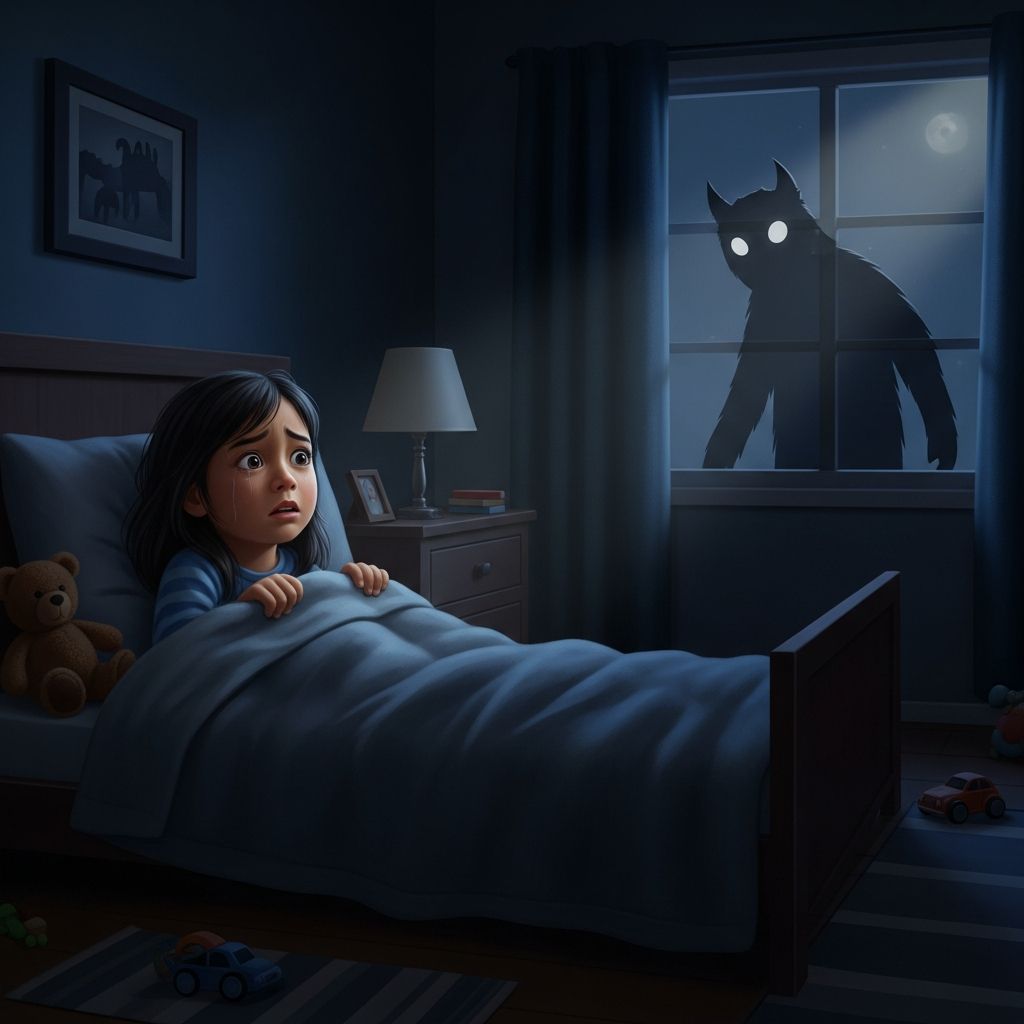
Distressing dreams that wake children in fear are common during childhood, affecting sleep quality and emotional well-being. Parents play a crucial role in providing comfort and implementing strategies to lessen their occurrence.
Understanding Bad Dreams in Young Minds
Bad dreams, or nightmares, involve vivid, frightening scenarios that jolt children awake, often leaving them upset and reluctant to return to sleep. These episodes typically happen during rapid eye movement (REM) sleep, the stage associated with dreaming, usually in the second half of the night. Unlike fragmented thoughts, nightmares feel intensely real, with detailed plots involving monsters, falls, or pursuits.
Prevalence is high: about one in six children with mental health challenges experience chronic nightmares, though many cases go unnoticed without screening. These dreams can persist even after addressing underlying issues like anxiety, trapping kids in cycles of fear and fatigue.
Key Differences: Nightmares vs. Night Terrors
Parents often confuse nightmares with night terrors, but they differ fundamentally. Nightmares wake the child fully alert and able to recount details, while night terrors occur in non-REM sleep early in the night, featuring screaming, thrashing, and unresponsiveness—children rarely remember them upon waking.
| Aspect | Nightmares | Night Terrors |
|---|---|---|
| Sleep Stage | REM (later night) | Non-REM (early night) |
| Awareness | Fully awake, recalls dream | Inconsolable, no memory |
| Duration | Minutes, seeks comfort | 5-15 minutes, hard to wake |
| Triggers | Stress, media, fever | Overtiredness, fever, genetics |
Recognizing these distinctions guides appropriate responses: comfort for nightmares, safety monitoring for terrors.
What Sparks Nightmares in Children?
- Emotional Stress: Daily worries, school pressures, or family changes heighten nightmare risk. Trauma, including abuse or loss, links to recurrent themes of fear and helplessness.
- Developmental Milestones: As imaginations flourish around ages 3-6, dreams intensify, reflecting real-life processing.
- Sleep Disruptions: Overtiredness from inconsistent schedules or skipped naps primes the brain for vivid dreams. Insufficient sleep exacerbates vulnerability.
- Environmental Factors: Scary media exposure, new surroundings, illness, or caffeine introduce frightening elements into sleep.
- Genetic and Health Links: Family history of parasomnias increases odds; conditions like PTSD sustain nightmares despite therapy.
Effects on Children’s Health and Behavior
Frequent nightmares erode sleep, fostering daytime anxiety, irritability, and bedtime resistance. Children may delay sleep, demand co-sleeping, or develop hypervigilance, perpetuating exhaustion and emotional distress. Untreated, they heighten risks for broader sleep disorders, behavioral issues, and mental health challenges.
Research shows chronic cases correlate with PTSD symptoms in trauma-exposed youth, where 77% report fear-themed dreams, amplifying suffering.
Practical Steps for Parents to Ease Nightmares
Immediate comfort reassures children they are safe. Encourage recounting dreams during daylight to demystify fears, then shift to positive imagery.
- Maintain consistent bedtime routines: baths, stories, dim lights signal safety.
- Limit screen time: Avoid thrilling content pre-sleep; discuss daytime fears openly.
- Promote relaxation: Breathing exercises or comfort objects reduce arousal.
- Optimize sleep hygiene: Age-appropriate schedules prevent overtiredness.
Resist co-sleeping demands long-term; instead, use rewards for independent sleep to build confidence.
Proven Therapies: Rewriting Nightmares
Evidence-based interventions target nightmares directly. Image Rehearsal Therapy (IRT) empowers kids to script happier endings to scary dreams, rehearsing them daily. Pediatric adaptations, including drawings for younger ones, yield significant reductions in frequency and distress.
A landmark randomized trial tested a five-session protocol blending CBT, relaxation, and visualization. Children rewrote nightmares, boosting self-efficacy as ‘dream directors.’ Results: fewer awakenings, less distress, sustained at follow-up—first such evidence for youth.
Self-guided IRT also cuts frequency, effective up to nine months later. For adolescents, it slashes nightmare nights versus controls.
Other approaches: Trauma-focused CBT for PTSD-linked cases; brief behavioral sleep interventions. Medications like prazosin or SSRIs are rare for kids, reserved for severe PTSD.
Building a Fear-Free Bedtime Environment
Transform bedtime into a sanctuary. Use nightlights, familiar toys, and soothing sounds. Daytime play addressing fears—drawing monsters as silly—builds resilience. Track patterns in a sleep diary to pinpoint triggers.
For persistent cases, consult pediatricians or sleep specialists. Therapy addresses root causes like anxiety, preventing cycles.
When to Seek Professional Guidance
Intervene if nightmares exceed twice weekly, disrupt daily life, or accompany symptoms like bedwetting, sleepwalking, or mood shifts. Sudden onset post-trauma warrants urgent evaluation for PTSD or abuse.
Professionals screen via sleep histories, diaries; refer for CBT or IRT. Emerging child trials underscore need for tailored psychosocial care.
Frequently Asked Questions (FAQs)
Can nightmares harm my child’s development?
Occasional ones are normal, but chronic disrupt sleep and heighten anxiety risks. Early intervention prevents long-term issues.
How long do children’s nightmares typically last?
Most peak ages 3-6, fading by adolescence. Chronic cases need therapy.
Is medication safe for kids’ nightmares?
Rarely first-line; focus on therapy. SSRIs or benzodiazepines only under specialist supervision for severe PTSD.
Do night terrors mean my child has nightmares?
No—terrors lack recall and occur differently. Manage separately.
How does IRT work for young kids?
They draw/write new endings, rehearse daily, fostering control over dreams.
Long-Term Strategies for Restful Family Nights
Empower children through education: Explain dreams as brain stories, changeable via imagination. Foster resilience with routines emphasizing safety. Monitor progress; celebrate improvements. With consistent support, most children outgrow nightmares, enjoying uninterrupted sleep.
Expand on routines: Earlier bedtimes for overtired toddlers prevent escalation. Mindful media choices shield sensitive minds. Open dialogues normalize fears, reducing isolation.
Incorporate mindfulness: Simple apps or stories teach breathing to calm pre-sleep minds. Parental modeling—sharing mild dream stories—normalizes experiences without alarm.
For school-age kids, school stressors surface in dreams. Partner with teachers for workload insights; after-school unwinding aids decompression.
Nutrition matters: Avoid caffeine, heavy meals near bedtime. Hydration supports rest without disruptions.
Family-wide sleep hygiene amplifies effects: Parents’ routines influence children. Collective calm begets peaceful nights.
Research gaps persist, especially for under-5s, but psychosocial tools like IRT show promise across ages. Future trials may refine self-help options, making relief accessible.
References
- Nightmares in Children: Causes & Help — Sleep Foundation. 2023-10-12. https://www.sleepfoundation.org/nightmares/nightmares-in-children
- Newly Published Research Shows Effectiveness of Novel Nightmare Therapy for Children — University of Oklahoma Health Sciences Center. 2023-11-15. https://inside.ouhsc.edu/news/article/newly-published-research-shows-effectiveness-of-novel-nightmare-therapy-for-children
- Psychosocial treatments for nightmares in adults and children — National Center for Biotechnology Information (PMC). 2023-04-20. https://pmc.ncbi.nlm.nih.gov/articles/PMC10122409/
- Nightmare disorder – Diagnosis and treatment — Mayo Clinic. 2024-05-08. https://www.mayoclinic.org/diseases-conditions/nightmare-disorder/diagnosis-treatment/drc-20353520
- Toddler nightmares: Why they happen and what to do — Huckleberry Care. 2023-09-22. https://huckleberrycare.com/blog/toddler-nightmares-why-they-happen-and-what-to-do
- More than Just a Bad Dream: Helping Your Child Cope with Night Terrors — Children’s Hospital of Philadelphia. 2023-07-10. https://www.chop.edu/news/health-tip/more-just-bad-dream-helping-your-child-cope-night-terrors