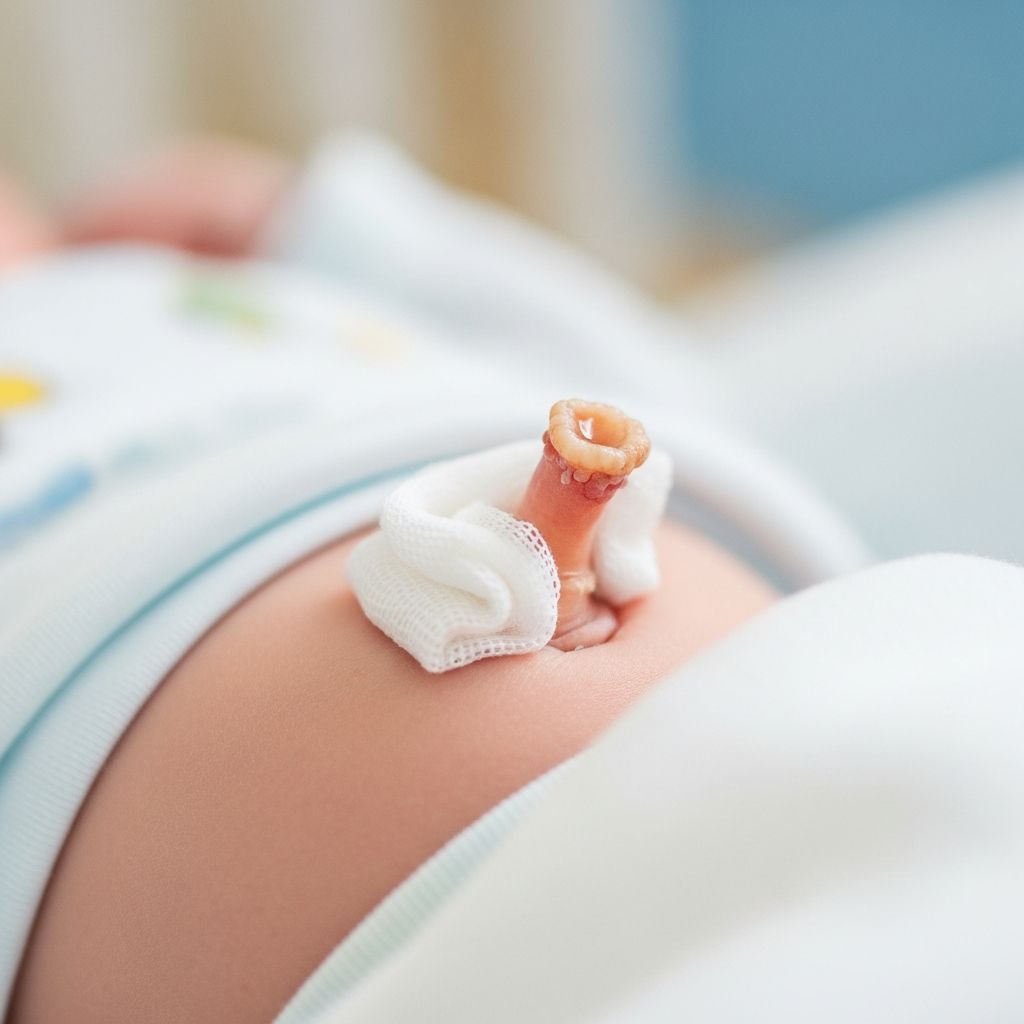
The umbilical cord stump is a temporary remnant of your baby’s life-sustaining connection in the womb, typically drying and detaching within 1-3 weeks after birth. Proper care during this period promotes natural healing, minimizes infection risks, and supports your newborn’s overall health. Modern guidelines emphasize simple, hands-off approaches like keeping the area clean and dry, moving away from outdated alcohol routines.
Why Umbilical Cord Care Matters for Your Newborn
Caring for the umbilical cord stump prevents complications such as omphalitis, a rare but serious infection that can cause redness, swelling, or pus. In clean home environments, infection rates are low with basic hygiene, but vigilance is key. The stump’s base is rich in blood vessels, making it vulnerable until fully healed. Allowing air exposure accelerates drying, while moisture from urine, baths, or tight clothing can delay separation and invite bacteria.
Expect the stump to shrivel, darken to brown or black, and possibly emit a mild odor as it detaches naturally. Premature pulling risks bleeding or infection, so patience is essential.
Fundamental Principles of Stump Maintenance
- Hand Hygiene First: Always wash hands thoroughly with soap and water before touching the stump or surrounding skin to block germ transfer.
- Clean and Dry Protocol: Wipe gently with water and a soft cloth if soiled; pat dry immediately. Avoid rubbing or over-cleaning, as excess moisture hinders healing.
- No Additives: Skip alcohol, powders, ointments, or antiseptics unless directed by a doctor, as they can irritate skin and prolong drying.
- Air Circulation: Expose the stump to air as much as possible by folding diapers low and choosing loose clothing.
Step-by-Step Daily Cleaning Routine
Incorporate stump checks into diaper changes and cleaning sessions for consistency. Here’s a reliable method:
- Prepare Supplies: Gather warm water, mild soap (optional), soft cloths or cotton balls, and a clean towel.
- Inspect Gently: Lift the diaper and observe for soiling, redness, or discharge without pulling the stump.
- Clean if Needed: Dip a cloth in warm water (add neutral soap sparingly); dab the base and skin folds. Rinse with plain water.
- Dry Thoroughly: Pat with a clean towel or air dry for several minutes. Ensure no moisture lingers.
- Position for Air: Fold diaper below the navel; secure loosely.
Repeat 2-4 times daily or as needed, focusing on efficiency to avoid unnecessary handling.
Bathing Your Newborn Safely with an Attached Stump
Full immersion baths risk wetting the stump, so opt for sponge baths until detachment. This method cleans effectively while protecting the area.
| Step | Action | Tips |
|---|---|---|
| 1. Setup | Fill basin with warm water (test on wrist: 100°F/37.8°C). Lay baby on flat surface with towel underneath. | Have all items ready to minimize exposure time. |
| 2. Face and Head | Wash with damp cloth, avoiding stump entirely. | Start top-down to keep body drier. |
| 3. Body | Gently wipe arms, legs, torso; skip navel. Use fresh cloth sections. | Support head securely. |
| 4. Diaper Area | Clean last with separate cloth; pat dry. | Prevents cross-contamination. |
| 5. Dry and Dress | Towel off completely; air dry stump 5-10 minutes. | Use breathable cotton outfits. |
If the stump gets wet accidentally, dry promptly—no panic needed. Transition to tub baths post-detachment once healed (about 3-5 days).
Diapering Strategies to Protect the Stump
Newborn diapers often feature umbilical cutouts or elastic bands; select these or manually fold the top down 1-2 inches to expose the stump. Change diapers frequently to avert urine contact, which softens the stump and breeds bacteria. Position baby on their back for sleep and play to reduce friction.
For optimal airflow:
- Choose newborn-size diapers with navel grooves.
- Avoid elastic waists rubbing the area.
- During tummy time (supervised), the stump airs out naturally.
Recognizing Normal Healing vs. Warning Signs
Healing milestones:
- Days 1-3: Moist, yellow-white; slight oozing normal.
- Days 4-7: Dries, shrinks, darkens.
- Weeks 1-3: Detaches; base may granulate (pink tissue) before scabbing.
Seek medical help if:
- Redness spreads to skin around base.
- Swelling, warmth, or tenderness.
- Pus, foul smell, or yellow/green discharge.
- Bleeding beyond a spot.
- Fever in baby (>100.4°F/38°C rectal).
These indicate possible infection; contact pediatrician promptly.
Special Scenarios: Preemies, Twins, and High-Risk Cases
Preterm or low-birth-weight babies may heal slower, requiring hospital-grade sterile care like chlorhexidine in high-infection areas (per WHO). Home care mirrors standard but with extra monitoring. Twins share similar needs unless one has complications. Always follow your provider’s tailored advice.
Clothing and Sleep Tips for Stump Recovery
Dress in layers: a loose onesie with envelope neck or snap bottom allows easy access and airflow. Skip tight swaddles over the belly; opt for wearable blankets post-detachment. Sleep on back in a bare crib promotes safety and drying.
Timeline Expectations and Post-Detachment Care
Detachment Timeline: 7-14 days average; up to 21 not unusual.
After fall:
- Clean base with water/soap during baths.
- Watch for granuloma (excess tissue)—doctor may cauterize.
- Hernias rare; most resolve naturally.
Full healing: 4-8 weeks.
Frequently Asked Questions About Newborn Umbilical Cord Care
Should I use rubbing alcohol on the stump?
No, current guidelines discourage it as it irritates skin and delays healing. Stick to water and dry care.
How do I know if the stump is infected?
Look for spreading redness, pus, odor, fever, or excessive crying at touch. Call your doctor immediately.
Can I cover the stump with gauze or bandages?
Not routinely; it traps moisture. Air exposure is better unless advised otherwise.
What if the stump doesn’t fall off after 3 weeks?
Monitor closely; consult pediatrician if no progress or symptoms appear. Delays can be normal but warrant check.
Is sponge bathing enough until healing?
Yes, it’s ideal and sufficient for cleanliness without risking wetness.
Empowering Parents: Long-Term Belly Button Health
Mastering stump care builds confidence in newborn routines. Track progress with photos; involve partners for shared responsibility. Consult resources from AAP or WHO for updates. Your attentive care ensures a smooth transition to full baths and beyond.
References
- Umbilical Cord Care and Signs of Infection – Newborn Baby — Pampers UK. 2023. https://www.pampers.co.uk/newborn-baby/care/article/newborn-umbilical-cord-care
- Umbilical cord care: safe, gentle newborn cord stump healing guide — Heloa.app. 2024. https://heloa.app/en/blog/0-12-months/health/umbilical-cord-care
- Newborn Daily Care | Baby | Henry Ford Health — Henry Ford Health. 2024. https://www.henryford.com/Services/Baby/Newborn-Care/Daily-Care
- Umbilical Cord Care: Cleaning and Signs of Infection — American Pregnancy Association. 2023. https://americanpregnancy.org/healthy-pregnancy/first-year-of-life/umbilical-cord/
- Recommendations for the care of the umbilical cord in the newborn — Anales de Pediatría. 2019-10-01. https://www.analesdepediatria.org/es-recommendations-for-care-umbilical-cord-articulo-S234128791930078X
- Umbilical cord care — Pregnancy Birth & Baby. 2024. https://www.pregnancybirthbaby.org.au/umbilical-care