The Reality of Infant Sneezing: What New Parents Should Know
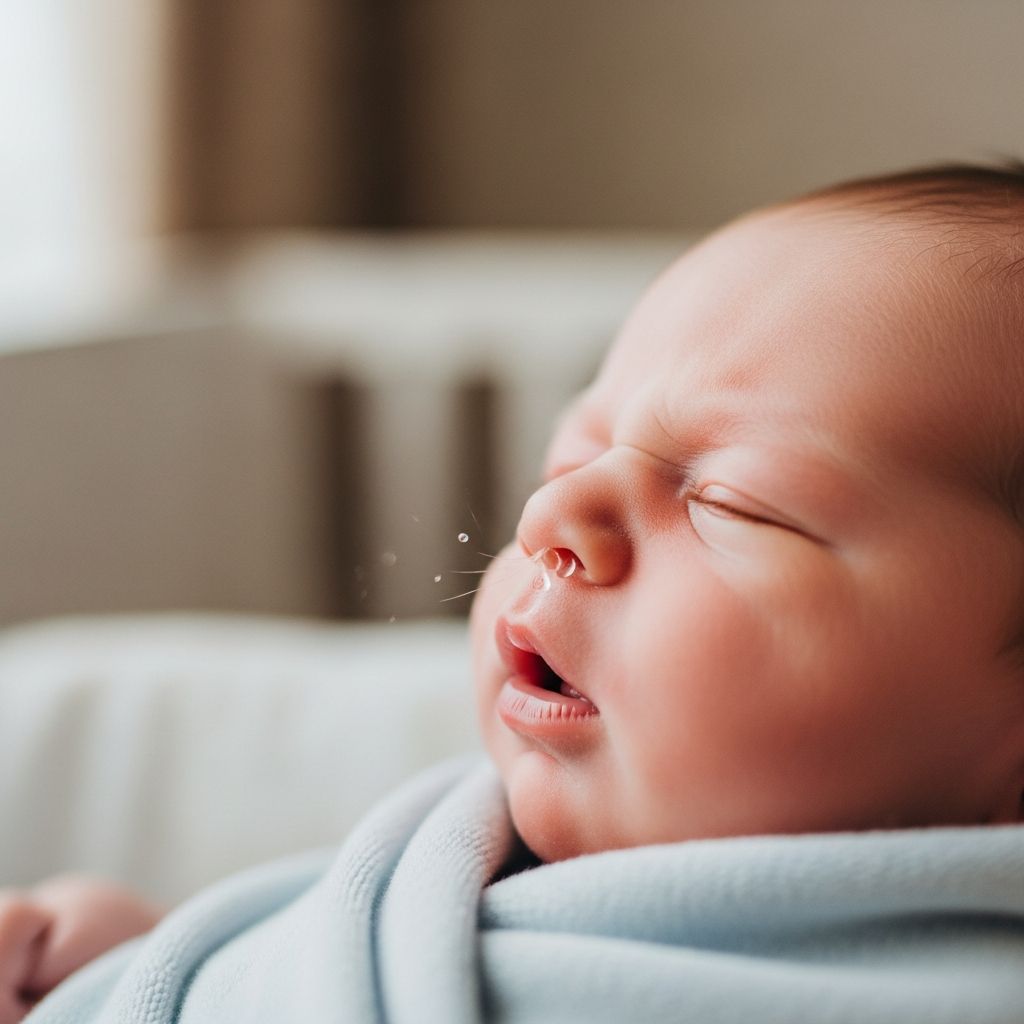
Welcoming a newborn brings countless surprises, and for many new parents, the frequency of sneezing in their infants can be one of the more unexpected observations. A typical newborn may sneeze multiple times daily, sometimes in rapid succession, which can cause concern among parents unfamiliar with infant development. However, understanding the biological mechanisms behind this common behavior can help parents distinguish between normal developmental patterns and situations requiring medical evaluation.
Sneezing in newborns is primarily a protective reflex controlled by the nervous system. When the nasal passages experience irritation, the brain triggers an involuntary response that expels air forcefully through the nose and mouth. This reflex is not only normal but represents a sign that your baby’s neurological system is functioning correctly. The Cleveland Clinic emphasizes that sneezing, along with spitting up, yawning, gurgling, hiccuping, and burping, comprises the full spectrum of normal newborn behaviors.
The Biological Reasons Behind Frequent Sneezing
Newborns sneeze significantly more often than older children and adults, with some infants sneezing up to 12 or more times daily, sometimes in consecutive bursts. This elevated frequency relates directly to several developmental and anatomical factors unique to the early weeks and months of life.
Clearing Residual Amniotic Fluid and Mucus
During pregnancy, babies exist in an aqueous environment within the amniotic sac. At birth, even though infants undergo the birth process, residual amniotic fluid and mucus can remain in the nasal passages and respiratory tract. Sneezing serves as the body’s natural mechanism for expelling these remaining secretions, allowing the respiratory system to function properly in the air-breathing environment. This clearing process typically occurs more frequently in the immediate days and weeks following birth as the body completes its transition from intrauterine to extrauterine life.
Managing Undersized Nasal Passages
The anatomy of an infant’s respiratory system differs significantly from that of adults. Newborns possess significantly smaller nasal passages compared to older children and adults. These tiny, narrow airways can become obstructed by remarkably small particles that would not affect an adult. A single speck of dust, a microscopic droplet of breast milk, or ambient pollen can trigger the sneezing reflex in a newborn. The sensitivity of these small passages means infants must sneeze more frequently to maintain clear breathing pathways, as even minor debris can compromise airflow.
Adjustment to Environmental Exposure
For nine months, a developing fetus exists in a controlled, sterile environment within the womb. Upon birth, the infant’s sensory systems encounter an entirely new atmospheric landscape filled with odors, temperature variations, and particulate matter. The olfactory receptors and nasal sensory organs must adapt to this new external environment. Sneezing represents one mechanism by which the body processes and responds to these novel stimuli as the infant’s nervous system calibrates to life outside the uterus.
Environmental and Situational Triggers for Sneezing
Beyond the developmental and biological factors inherent to infancy, several environmental conditions and situations can provoke increased sneezing episodes in newborns. Recognizing these triggers enables parents to minimize unnecessary irritation and create a more comfortable environment for their infants.
Dry Air and Indoor Climate Control
Heating systems during winter months and air conditioning during summer can significantly reduce humidity levels in the home. When nasal passages dry out, they become irritated and more susceptible to triggering the sneezing reflex. Parents can address this environmental factor by utilizing a humidifier to maintain optimal moisture levels in the baby’s sleeping and living areas, particularly during seasons when indoor heating or cooling systems operate continuously.
Feeding-Related Nasal Irritation
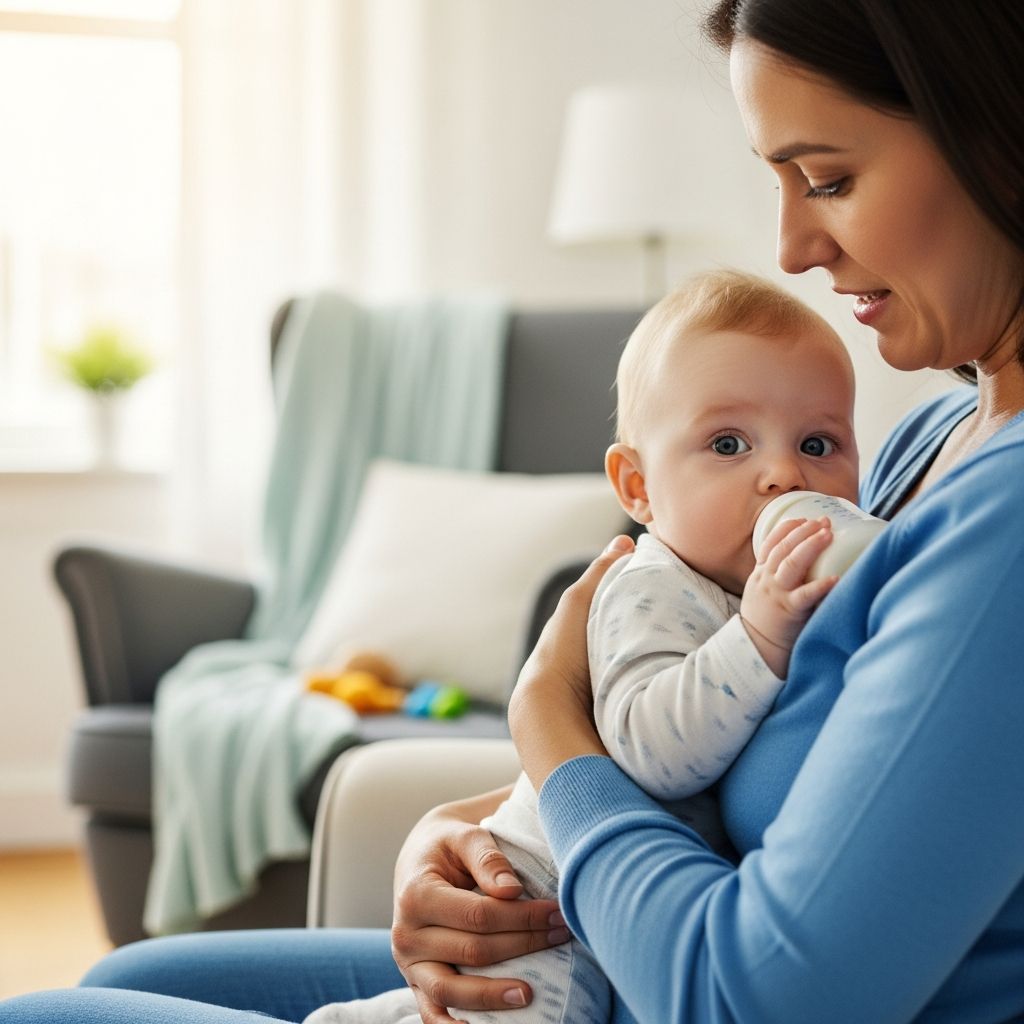
During breastfeeding or bottle feeding, occasionally a small quantity of milk can inadvertently enter the nasal passage rather than traveling down the esophagus. This milk in the nasal passage stimulates irritation and triggers sneezing. While this occurrence is typically harmless and occurs infrequently, parents should monitor feeding positions to minimize the likelihood of milk misdirection.
Airborne Particles and Pollutants
Newborns’ immature respiratory systems and tiny nasal passages make them particularly vulnerable to irritation from various airborne substances. Common environmental irritants include:
- Household dust and dust accumulation in the home
- Pet dander from cats, dogs, and other animals
- Pollen from seasonal outdoor and indoor plants
- Tobacco smoke and secondhand smoke exposure
- Strong chemical odors from cleaning products or fragrances
- Mold spores in damp environments
- Pollution when traveling from rural to urban environments
Parents should maintain clean home environments, avoid smoking around newborns, and consider the air quality in spaces where their infants spend significant time. Minimizing exposure to these irritants can reduce unnecessary sneezing episodes.
When Sneezing Might Indicate Illness
While the majority of newborn sneezing represents normal developmental and environmental responses, certain patterns and accompanying symptoms warrant closer attention and possible medical evaluation. Distinguishing between normal sneezing and sneezing related to illness requires observation of the broader clinical picture rather than focusing on sneezing in isolation.
Signs That Sneezing May Indicate Infection
Sneezing accompanied by other respiratory symptoms may suggest that an infant has contracted a viral infection such as a common cold or influenza. When sneezing occurs alongside the following symptoms, medical evaluation becomes important:
- Persistent coughing that lasts beyond a few days
- Nasal discharge that appears yellow, green, or thick rather than clear
- Fever at or above 100.4 degrees Fahrenheit (38 degrees Celsius) in infants under three months of age
- Consistently elevated breathing rate beyond normal infant respiratory patterns
- Difficulty feeding or refusal to eat, suggesting nasal obstruction interferes with breathing
- Unusual lethargy or excessive sleepiness beyond typical infant napping patterns
- Labored breathing or wheezing sounds during respiration
- Bluish discoloration of lips or fingertips, indicating inadequate oxygen delivery
The presence of these additional symptoms suggests something beyond simple nasal irritation and warrants prompt pediatric assessment.
Respiratory Infections and Viral Illnesses
When a newborn develops a respiratory infection, sneezing often represents the body’s attempt to expel pathogens and infected mucus from the respiratory tract. However, infections typically present with a constellation of symptoms beyond sneezing alone. Respiratory syncytial virus (RSV), a common viral infection in infants, often presents with sneezing combined with coughing, runny nose, and congestion. Consulting with a pediatrician becomes essential when multiple respiratory symptoms appear simultaneously, particularly if they persist for more than several days.
Sensitivity and Allergic Responses in Newborns
Many parents wonder whether their newborn’s sneezing reflects early allergic conditions. The development of true seasonal allergies typically does not occur until after age two. However, newborns can experience sensitivity to specific environmental irritants, creating cold-like symptoms that mimic allergic responses.
Irritants that may affect newborns include dust mites in bedding, pet dander, mold spores, and various airborne particles. When exposed to these substances, a baby’s immature immune system may trigger sneezing and nasal discomfort. This represents a response to environmental irritants rather than true allergic disease. As the infant’s immune system matures, reactions to these same substances may diminish. Minimizing exposure to known irritants remains the best approach for managing sneezing related to environmental sensitivity in young infants.
Distinguishing Normal from Concerning Sneezing Patterns
For parents seeking clarity on whether their infant’s sneezing warrants medical attention, several key distinctions can guide decision-making. The timing, frequency, and associated symptoms all contribute to determining whether sneezing represents normal development or suggests an underlying health concern.
| Sneezing Pattern | Typical Characteristics | When to Monitor |
|---|---|---|
| Normal Sneezing | Occasional to frequent (up to 12+ times daily), clear nasal discharge, infant appears healthy and feeds well, normal sleeping patterns, no fever | Continue normal care; no medical action needed unless other symptoms develop |
| Environmental Irritation | Increased sneezing in specific locations, sneezing decreases when environment changes, no other symptoms present | Identify and reduce irritant exposure; sneezing should resolve when irritant removed |
| Potential Infection | Sneezing combined with cough, fever, thick colored nasal discharge, feeding difficulties, lethargy | Contact pediatrician for evaluation; may require medical assessment |
Practical Strategies for Managing Newborn Sneezing
While most infant sneezing requires no intervention, parents can take several practical steps to minimize unnecessary irritation and maintain an optimal environment for their newborns.
Optimizing Home Environment
Maintaining a clean, well-humidified home environment significantly reduces sneezing triggers. Use a cool-mist humidifier to maintain humidity levels between 40-60 percent, particularly in baby’s sleeping area. Dust surfaces regularly, wash baby’s bedding frequently in unscented detergent, and avoid using heavily scented products near the infant.
Protecting Against Smoke and Strong Odors
Never smoke around newborns, as tobacco smoke represents a significant respiratory irritant. Additionally, minimize the use of strong fragrances, air fresheners, and chemical cleaning products in areas where the baby spends time. These substances can trigger unnecessary sneezing and respiratory irritation.
Monitoring Feeding Techniques
Position your baby correctly during feeding to reduce the likelihood of milk entering the nasal passages. If your infant frequently has milk in their nose during feeding, discuss positioning strategies with your pediatrician or lactation consultant.
Awareness of Environmental Changes
When traveling with your newborn or introducing them to new environments, observe whether sneezing increases in certain locations. If so, note potential irritants present and attempt to minimize exposure when possible.
Frequently Asked Questions
Q: Is it normal for newborns to sneeze multiple times per day?
A: Yes, it is completely normal for newborns to sneeze frequently, sometimes up to 12 or more times daily. This frequency reflects the combination of tiny nasal passages, developmental adjustment, and the need to clear irritants. Frequent sneezing in an otherwise healthy baby requires no medical intervention.
Q: What should I do if my baby is sneezing and has a fever?
A: Fever in an infant under three months of age (100.4 degrees Fahrenheit or higher) combined with sneezing warrants prompt evaluation by a pediatrician. Fever often indicates infection, and early assessment helps ensure proper treatment if needed.
Q: Can newborns have allergies that cause sneezing?
A: True seasonal allergies typically do not develop until after age two. However, newborns can be sensitive to environmental irritants like dust mites, pet dander, and mold, which may trigger sneezing. This represents irritant sensitivity rather than true allergic disease.
Q: When should I call my pediatrician about my baby’s sneezing?
A: Contact your pediatrician if sneezing is accompanied by fever, thick or colored nasal discharge, persistent cough, difficulty breathing or feeding, lethargy, or bluish discoloration of lips or fingertips. Sneezing alone in an otherwise healthy, active baby typically does not require medical evaluation.
Q: How can I reduce my baby’s sneezing?
A: Maintain a clean, well-humidified home environment, avoid smoke and strong odors, ensure proper feeding positioning, and minimize exposure to known irritants. These steps help reduce unnecessary sneezing triggers while allowing normal developmental sneezing to continue.
References
- Newborn Sneezing Frequently: Is It Normal or a Concern? — Cloudnine Care. https://www.cloudninecare.com/blog/newborn-sneezing
- Newborn Sneezing: Is It a Cold or Something Else? — Healthline. https://www.healthline.com/health/parenting/newborn-sneezing
- Newborn Sneezing: What Causes It And When To Take Action — Dr. Noze Best. https://drnozebest.com/blogs/the-doctor-is-in/newborn-sneezing
- Newborn Sneezing: Why It Happens So Often — The Bump. https://www.thebump.com/a/newborn-sneezing
- Newborn Sneezing Explained: What’s Normal? — Pampers. https://www.pampers.com/en-us/baby/newborn/article/newborn-sneezing