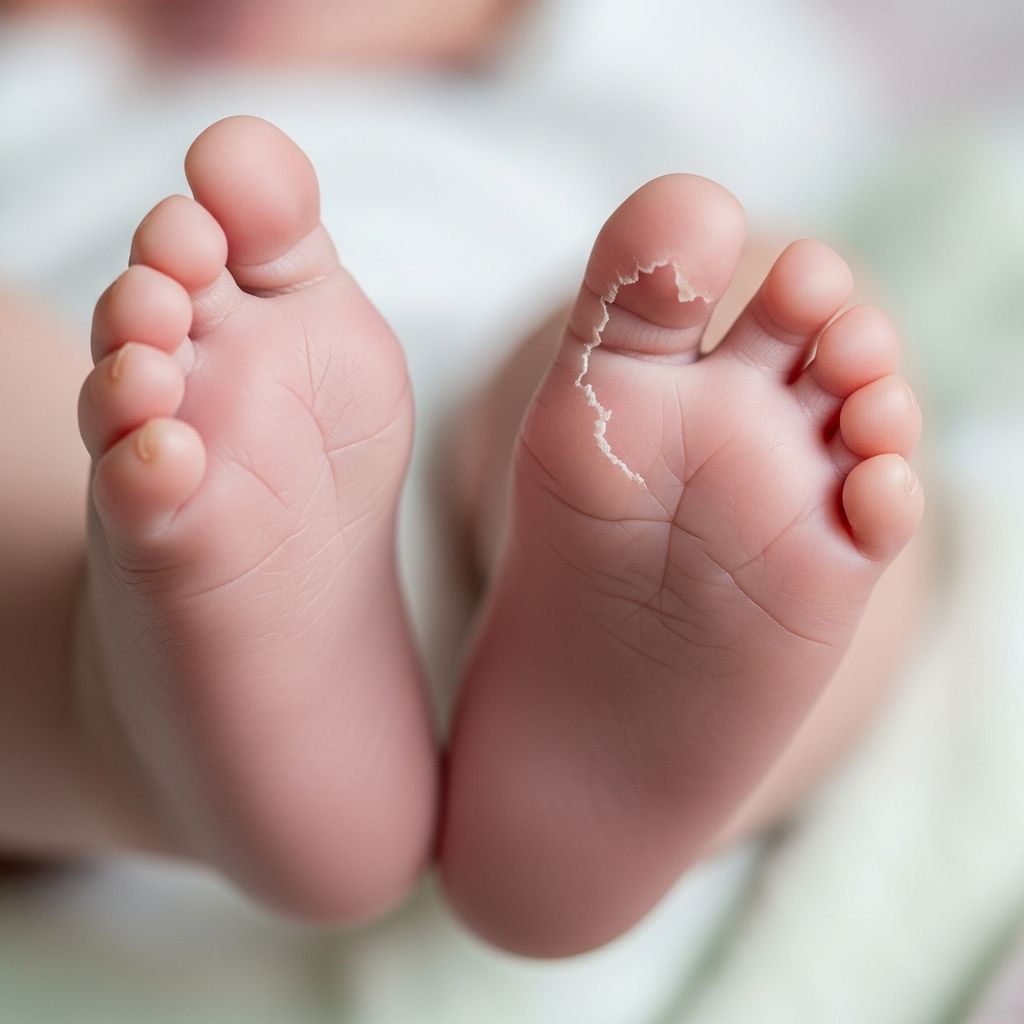
Newborn skin peeling is a frequent occurrence in the first weeks of life, stemming primarily from the transition from the womb’s protective environment to the drier outside world. This natural process involves the shedding of the outermost skin layer, often noticeable on hands, feet, and ankles, and typically resolves without intervention.
Understanding the Natural Skin Transition in Newborns
During pregnancy, a baby’s skin develops immersed in amniotic fluid, which prevents normal exfoliation like in adults. A protective coating known as vernix caseosa forms around the 20th week of gestation, acting as a barrier against this fluid while providing moisture and insulation. After birth, much of this vernix is either rubbed off or washed away, exposing thinner, more delicate skin to air, temperature changes, and reduced humidity. This shift prompts the top skin layer to dry and flake off, mimicking peeling.
Babies born at or beyond full term often exhibit more pronounced peeling because their skin has had additional time to mature in utero, leading to a thicker outer layer that sheds postnatally. This phenomenon peaks within the first two to four weeks and fades as the baby’s skin barrier strengthens.
Key Factors Triggering Skin Peeling
Several elements contribute to this shedding beyond the vernix loss:
- Environmental Dryness: Low humidity and cold air dehydrate the skin surface, accelerating flaking, especially in heated indoor spaces during winter.
- Excessive Bathing: Frequent or prolonged water exposure strips natural oils, impairing the skin’s moisture retention.
- Post-term Birth: Full-term or overdue infants shed more due to accumulated skin layers.
- Dehydration: Insufficient fluid intake can manifest as facial dryness, though breastfeeding or formula usually suffices.
These factors combined make peeling a standard adaptation, not a sign of poor health in most cases.
Distinguishing Normal Peeling from Medical Concerns
While peeling is benign, certain patterns warrant monitoring. Normal peeling appears as fine, widespread flakes without intense redness or discomfort. In contrast, conditions like eczema present with persistent itchiness, thickened patches, or rashes on flexures such as elbows and knees.
| Condition | Symptoms | Common Locations | Treatment Notes |
|---|---|---|---|
| Normal Peeling | Fine flakes, no itch | Hands, feet, ankles | Moisturize gently |
| Eczema (Atopic Dermatitis) | Red, itchy, dry patches | Face, elbows, knees | Prescription creams |
| Cradle Cap (Seborrheic Dermatitis) | Greasy yellow scales | Scalp, face | Soft brushing, oils |
| Diaper Rash | Red, peeling, raw | Diaper area | Barrier creams |
Other issues include heat rash (small bumps from blocked sweat glands) or erythema toxicum (red splotches with white pustules), both self-resolving. Rare genetic disorders like ichthyosis cause severe, fish-scale-like peeling and require specialist care.
Daily Skincare Practices for Peeling Prevention
Gentle routines support skin recovery:
- Bathe Sparingly: Limit to 2-3 times weekly with lukewarm water and fragrance-free cleansers to preserve oils.
- Moisturize Immediately: Apply thick, hypoallergenic creams post-bath while skin is damp to lock in hydration.
- Humidify Air: Use a cool-mist humidifier to maintain 40-60% indoor humidity, countering dry air effects.
- Dress Appropriately: Layer soft cotton clothing to avoid irritation; avoid wool or synthetics.
- Protect from Sun: Keep newborns out of direct sunlight until 6 months, using shade and clothing.
Avoid lotions with allergens like nuts or fragrances, as they may trigger reactions mimicking peeling.
Nutritional and Hydration Support for Skin Health
Ensuring adequate feeding prevents internal dehydration contributing to dryness. Breast milk or formula provides essential fatty acids for skin barrier function. Signs of sufficient intake include 6-8 wet diapers daily. If peeling accompanies poor weight gain or lethargy, consult a pediatrician to rule out feeding issues.
When to Consult a Pediatrician
Seek medical advice if peeling:
- Persists beyond 4 weeks or worsens.
- Accompanies fever, excessive crying, or oozing.
- Forms blisters, widespread redness, or pustules.
- Appears with swelling or breathing difficulties, potentially indicating allergy.
A doctor may recommend emollients, steroids for eczema, or tests for underlying issues.
Frequently Asked Questions (FAQs)
Is newborn skin peeling always normal?
Yes, in most cases, especially in the first month, as it’s due to vernix loss and adaptation. Monitor for additional symptoms.
How long does newborn skin peeling last?
Typically 2-4 weeks, longer in post-term babies, resolving as the skin matures.
Can I use baby oil for peeling skin?
Yes, sparingly on dry areas, but prefer thicker ointments for better occlusion.
Does peeling mean my baby is dehydrated?
Not usually if feeding well; check diaper output. Facial peeling may hint at mild internal dryness.
Should I wash off the vernix after birth?
Leaving it on aids skin transition, but gentle cleaning is fine if preferred.
Long-Term Skin Health Tips for Babies
Beyond the newborn phase, maintain routines to prevent recurrent dryness. Introduce probiotics via breastfeeding for allergy risk reduction, and patch-test new products. For eczema-prone families, early moisturizing halves condition onset. Consistent care fosters resilient skin into toddlerhood.
This guide empowers parents to navigate newborn skin changes confidently, blending science-backed insights with practical steps for optimal care.
References
- Newborn Skin Peeling: What Causes It And How To Best Treat It — Mustela USA. 2023. https://www.mustelausa.com/blogs/mustela-mag/newborn-skin-peeling-what-causes-it-and-how-to-best-treat-it
- Newborn skin peeling: Causes, treatment, and home remedies — Medical News Today. 2023-05-15. https://www.medicalnewstoday.com/articles/322499
- Is Skin Peeling Normal in Newborns? Why It Happens — GoodRx. 2024. https://www.goodrx.com/health-topic/childrens-health/newborn-skin-health
- Dry, Peeling Skin in Newborns and Older Babies — Pampers. 2024. https://www.pampers.com/en-us/baby/health/article/newborn-baby-skin-peeling
- Newborn Skin Peeling: How to Care for Baby Dry Skin — The Bump. 2023. https://www.thebump.com/a/caring-for-newborns-skin
- Why Your Newborn Has Peeling Skin — Cleveland Clinic. 2023-10-12. https://health.clevelandclinic.org/newborn-skin-peeling
- Newborn Skin Peeling on Face and Body: What Should Parents Do? — Healthline. 2023. https://www.healthline.com/health/parenting/newborn-skin-peeling