Preparing for a newborn involves thoughtful planning, and a well-curated baby registry ensures you have the right tools for daily care. This guide outlines key categories of items that support safe sleep, efficient feeding, hygienic diapering, convenient travel, comfortable clothing, gentle bathing, home safety, and parental recovery. By focusing on versatile, high-quality essentials, new parents can navigate the early months with confidence and minimal stress.
Creating a Safe Sleep Environment
A restful sleep setup is foundational for your baby’s health and your sanity. Prioritize items that promote safe, independent sleep while keeping nighttime routines smooth. According to the American Academy of Pediatrics, infants should sleep on their backs in a bare crib or bassinet to reduce SIDS risk.
- Bassinet or bedside sleeper: Portable options allow room-sharing for the first 6 months, with adjustable heights for easy access during night feedings.
- Crib with firm mattress: Choose a convertible model that grows with your child; ensure the mattress fits snugly without gaps.
- Fitted crib sheets: Register for 4-6 breathable, organic cotton sheets for frequent changes due to spit-up or accidents.
- Swaddles or sleep sacks: These secure wraps mimic the womb, helping babies sleep longer; get 4-6 in newborn and 0-3 month sizes.
- White noise machine: Soothes with consistent sounds, blocking household noises for deeper sleep cycles.
Blackout curtains and a nursery humidifier also enhance comfort by regulating light and air moisture, preventing dry skin or congestion.
Feeding Fundamentals for Breast, Bottle, or Solids
Whether breastfeeding, formula-feeding, or introducing solids, reliable gear streamlines mealtimes. Stock up on multiples for spit-up incidents and growth spurts. The CDC recommends responsive feeding practices to support healthy development.
| Item | Quantity Suggested | Key Features |
|---|---|---|
| Nursing pillow | 1-2 | Contoured for back support; machine-washable cover. |
| Breast pump | 1 (double electric) | Hospital-grade if possible; check insurance coverage. |
| Bottles and nipples | 8-12 | BPA-free; slow-flow for newborns. |
| Burp cloths | 10-15 | Absorbent, multi-layered cotton. |
| Bottle brush and drying rack | 1 set each | Antibacterial; space-saving design. |
For later stages, include a high chair with a 5-point harness and bibs (6-8). Bottle warmers and sterilizers save time during busy days.
Diapering Supplies for Quick Changes
Efficient diapering prevents leaks and rashes, keeping both baby and home clean. A dedicated station with stock-up items reduces trips to the store. Newborns go through 8-12 diapers daily, so subscriptions are ideal.
- Changing pad or table: Contoured, waterproof with safety straps.
- Disposable or cloth diapers: Start with newborn size packs; consider eco-friendly options.
- Wipes and dispenser: Fragrance-free, unscented for sensitive skin.
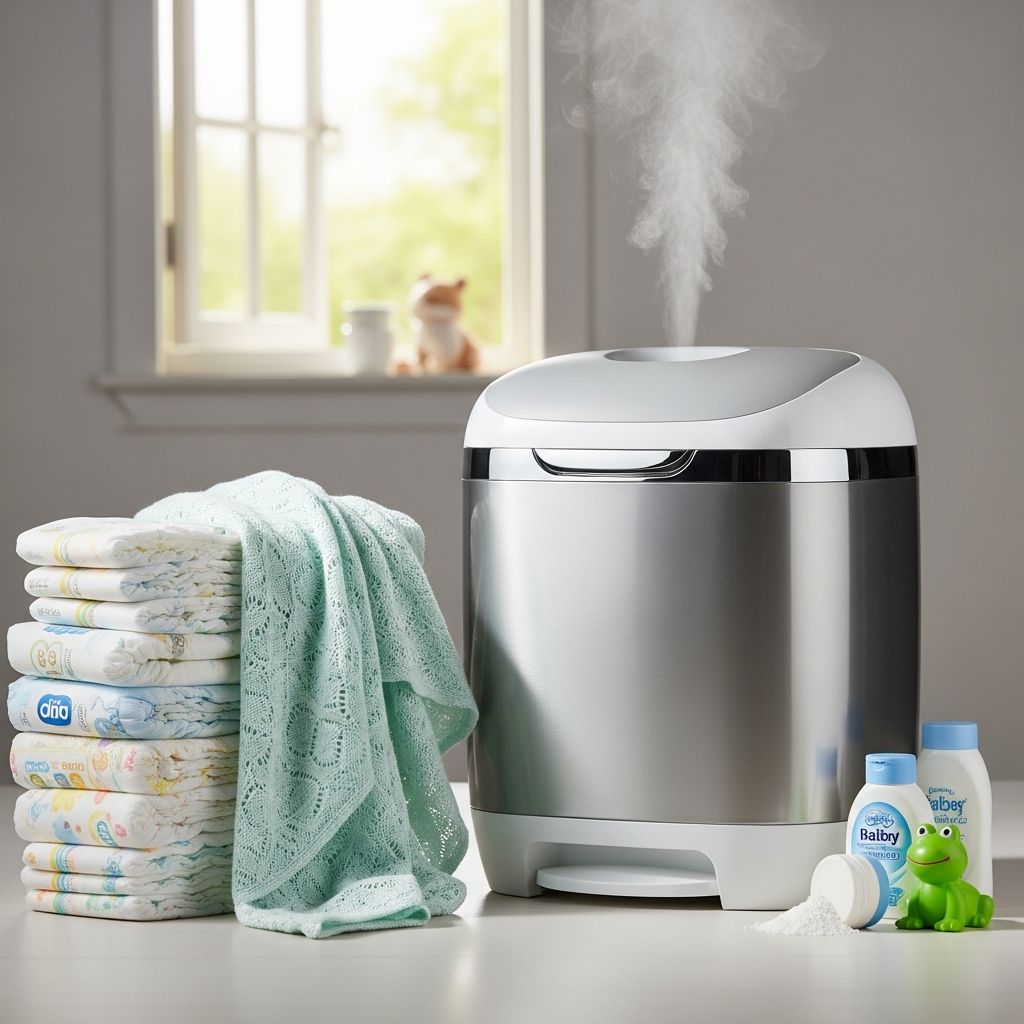
- Diaper pail: Odor-locking with refillable bags.
- Rash cream: Zinc oxide-based for barrier protection.
- Pad covers and liners: Disposable for easy cleanup.
Portable kits for outings include foldable mats and travel wipes cases.
Travel Gear for On-the-Go Adventures
Mobility is key for errands, visits, or vacations. Compatible systems ensure seamless transitions from car to stroller. NHTSA mandates rear-facing car seats until at least age 2.
- Infant car seat: Lightweight, with base; crash-tested.
- Stroller or travel system: All-terrain with reclining seat and storage.
- Baby carrier or wrap: Ergonomic for hands-free carrying.
- Diaper bag: Insulated pockets, changing mat included.
- Car seat accessories: Mirror, head support, canopy extender.
Playards double as travel cribs for naps away from home.
Wardrobe Basics for Everyday Comfort
Babies outgrow clothes quickly, so focus on soft, durable basics in neutral colors. Aim for easy-snap designs for frequent changes. Register for 7-10 outfits per size.
- Onesies: Short- and long-sleeve, 6-8 each.
- Footie sleepers: 4-6 zipper-front for midnight changes.
- Pants and leggings: Stretchy cotton, 4-6 pairs.
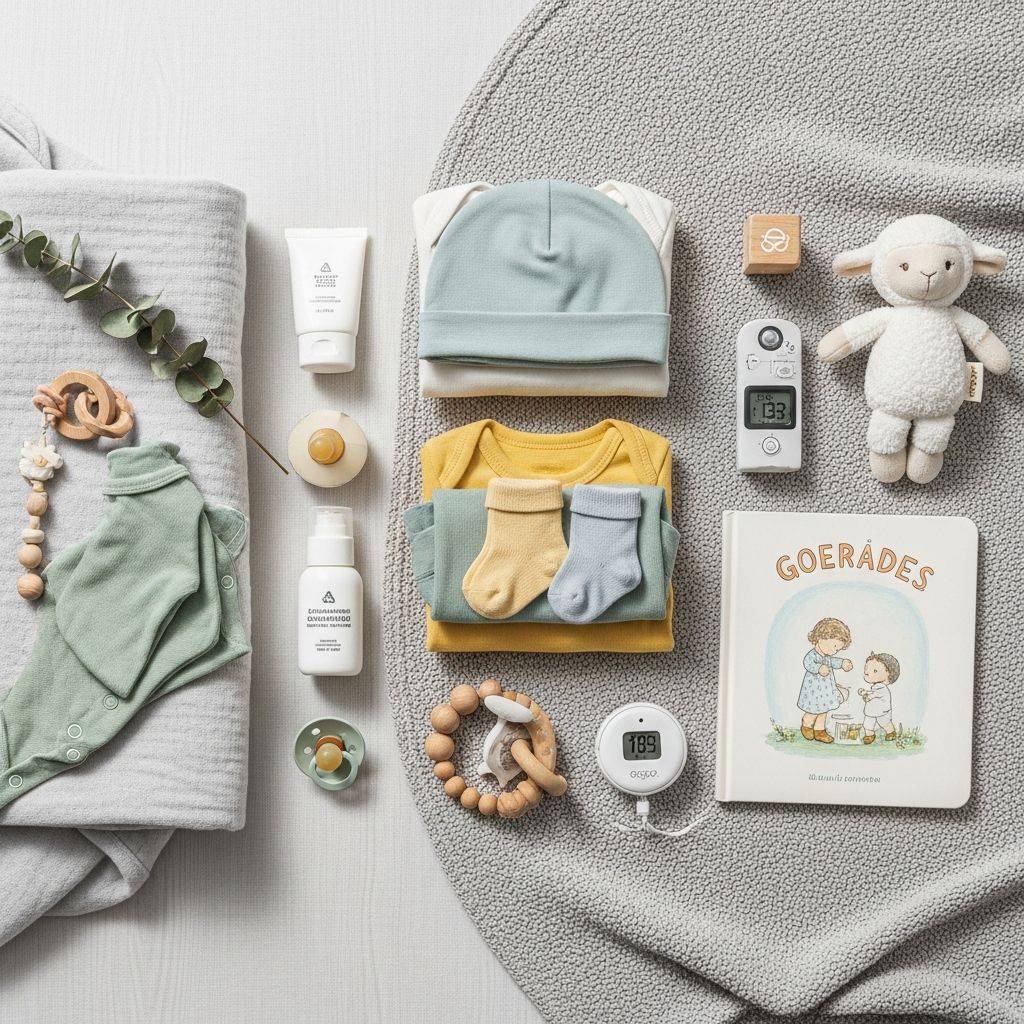
- Socks, hats, mittens: 6-8 sets to prevent scratches and chills.
- Seasonal layers: Swimsuit, jacket, or bunting bag.
Use gentle, dye-free detergent for washing.
Bath Time and Grooming Routines
Gentle cleansing builds bonding moments. Keep water at 100°F with a thermometer for safety.
- Infant tub or sink insert: Non-slip base.
- Hooded towels: 4-6 absorbent ones.
- Washcloths: 6-8 soft, organic.
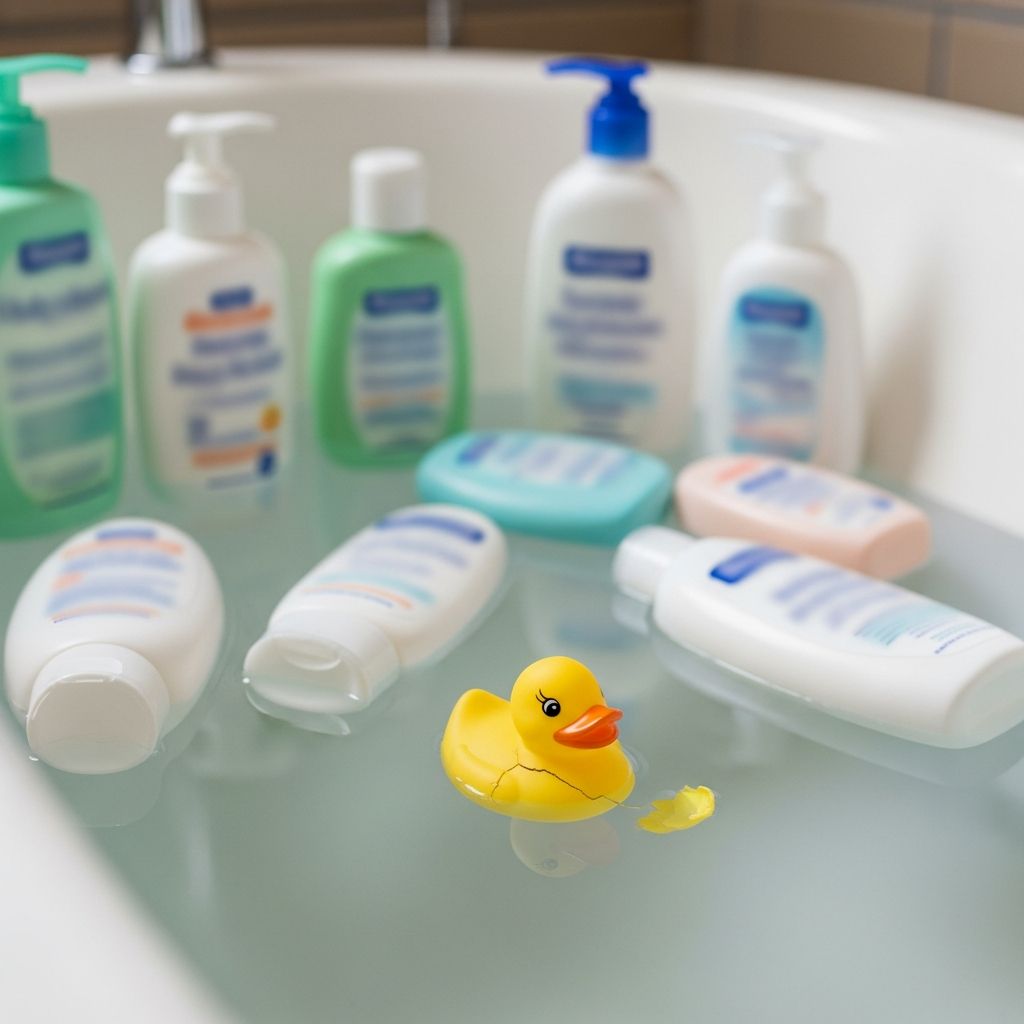
- Shampoo and lotion: Tear-free, hypoallergenic.
- Grooming kit: Nail clippers, brush, nasal aspirator.
Bath toys and robes add fun as baby grows.
Home Safety and Monitoring Tools
Childproofing from day one prevents accidents. Install anchors on furniture per CPSC guidelines.
- Baby monitor: Video with night vision and app connectivity.
- Outlet plugs and cabinet locks: Comprehensive sets.
- Baby gates: Pressure-mounted for stairs.
- Furniture straps: Secure dressers and TVs.
- First aid kit: Baby-specific with thermometer.
Door knob covers and corner guards complete the setup.
Parental Comfort and Postpartum Recovery
Care for yourself to care for baby. These items ease physical strain.
- Maternity support pillow: Full-body for better sleep.
- Nipple cream and pads: Soothing for breastfeeding.
- Postpartum supplies: Pads, peri bottle.
- Meal prep tools: Freezer trays for batch cooking.
Encourage registry completion gifts like housekeeping services.
Frequently Asked Questions
What are the absolute must-haves for a first-time parent?
Core items include a car seat, crib or bassinet, diapers, wipes, bottles or nursing pillow, and sleep essentials like swaddles. These cover safety, sleep, and feeding basics.
How many items should I include on my registry?
Aim for 100-150 items, mixing big-ticket gear (crib, stroller) with affordable extras (wipes, onesies) to suit all budgets.
Should I include clothing on my registry?
Yes, but sparingly—focus on basics like onesies and sleepers since gifts often include outfits. Specify sizes and fabrics.
What’s the best way to organize my registry?
Group by category (sleep, feeding), prioritize essentials, add wish-list splurges, and use universal registries for multi-store options.
Do I need both a bassinet and crib?
A bassinet suits the first months for closeness; transition to a crib around 4-6 months or when baby rolls over.
References
- Safe Sleep Recommendations — American Academy of Pediatrics. 2022-10-24. https://www.aap.org/en/patient-care/safe-sleep/
- Infant and Toddler Nutrition — Centers for Disease Control and Prevention. 2024-06-12. https://www.cdc.gov/nutrition/infantandtoddlernutrition/index.html
- Diapering Essentials Guide — Consumer Product Safety Commission. 2023-05-15. https://www.cpsc.gov/s3fs-public/2023-Diapering-Safety.pdf
- Car Seats and Booster Safety — National Highway Traffic Safety Administration. 2025-01-10. https://www.nhtsa.gov/equipment/car-seats-and-booster-seats
- Childproofing Your Home — Consumer Product Safety Commission. 2024-03-20. https://www.cpsc.gov/s3fs-public/childproofing.pdf