Newborns exhibit a range of behaviors and physical characteristics that can alarm first-time parents. Many of these quirks stem from their immature systems adjusting to life outside the womb, but distinguishing normal from concerning requires awareness of key indicators.
Everyday Reflexes and Movements in Infants
Infants display primitive reflexes essential for survival and development. The **startle reflex**, also known as the Moro reflex, triggers when a baby experiences a sudden noise or movement: arms fling outward, then pull back as if embracing. This peaks at birth and fades by 3-4 months. Similarly, the **tonic neck reflex** activates when the head turns, extending the arm and leg on that side while flexing the opposite limbs, mimicking a fencer’s pose. It resolves around 4 months.
Random jerks or twitches during sleep are common as the nervous system matures. These brief movements occur during light sleep transitions and last seconds, differing from seizures which persist when awake or exceed 10 seconds. Chin trembling or lower lip quivering often appears in the first weeks, especially when crying, and subsides by 1-2 months.
Breathing Patterns and Respiratory Sounds
Newborn breathing is irregular, often exceeding 60 breaths per minute, with pauses up to 10 seconds. Noises like gurgling arise from throat secretions during sleep, while grunting accompanies stool passage—a normal digestive effort. Wheezing, whistling, or retractions (ribs pulling in) warrant attention, as does persistent blue coloring.
**Sneezing** clears nasal passages reflexively and is frequent in the first weeks due to narrow airways, not necessarily infection. Newborns are obligate nose breathers, making mild congestion common; ensure they feed and sleep well.
Digestive Noises and Feeding Quirks
Gurgling or growling from intestinal food movement, belching, and gas passage release swallowed air—harmless lifelong traits. **Hiccups** result from an immature diaphragm, often post-feeding, and pose no harm; they decrease as the digestive system develops.
Spit-up or dribbling milk is typical due to an underdeveloped esophageal sphincter, but forceful vomiting or back-arching suggests reflux needing management like upright positioning and frequent burping. Grunting while pushing stools aids bowel clearance.
Skin and Appearance Variations
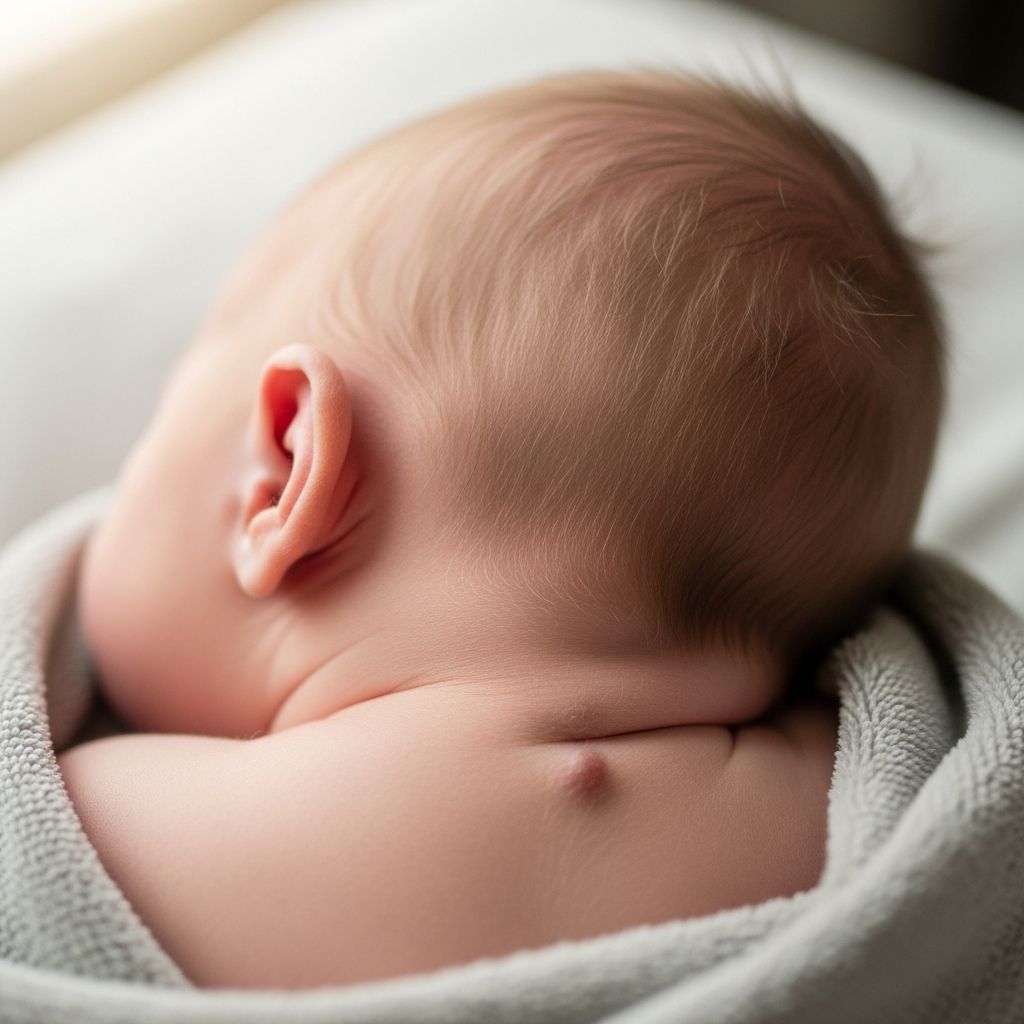
Skin changes are prevalent. **Jaundice** yellows eyes, skin, or extremities from bilirubin buildup; routine hospital screening detects it, with most cases resolving naturally but monitored via blood tests if needed. Umbilical cord sites may ooze blood when falling off, but foul discharge, redness, or tenderness signals infection. A granuloma, a small moist scar tissue bump, may drain fluid and require cauterization if persistent.
- Normal: Few drops of blood on diaper post-stump fall.
- Concerning: Active bleeding, pus, or pain on touch.
When Movements Signal Concern
**Jitters or trembling** during crying are normal, stopping with sucking or soothing by 1-2 months. Persistent jitters when calm, worsening over time, or accompanied by eye blinking and mouth sucking may indicate seizures—rare but serious. Lethargy, excessive sleepiness, poor response to stimuli, or prolonged feeds point to issues like infection or low blood sugar.
| Normal Jitters | Potential Seizure Signs |
|---|---|
| Occur only when crying | Occur when calm/awake |
| Stop with sucking/comfort | Muscle jerking, eye blinking |
| Resolve by 1-2 months | Persist >10 seconds |
Elimination and Output Patterns
No urine in first 24 hours home or no stool in 48 hours requires evaluation. Green stools or excess gas are common, especially in breastfed or formula-fed babies adjusting diets. Explosive poops reflect efficient digestion; monitor for abdominal distension.
Sleep Behaviors and Vocalizations
Sleep involves whimpers, groans, or cries during light phases, startling jerks, and GI noises—monitor parents often misinterpret via baby monitors. Excessive crying unrelieved by cuddling, twitching, or irritability may signal distress. Colic involves prolonged fussing and gas, possibly eased by feeding adjustments.
Recognizing Fever and Vital Sign Red Flags
A rectal temperature above **100.4°F (38°C)** or below **97.5°F (36.5°C)** demands immediate care. Rapid respirations over 60/min, flaring nostrils, or grunting beyond digestion are alarms.
Immediate Action Checklist
- No wet diapers 24hrs
- No stool 48hrs
- Fever or hypothermia
- Blue tint not resolving
- Poor feeding/latch
- Lethargy/hard to wake
Eye and Mouth Observations
Blocked tear ducts cause slight white/yellow discharge; gentle cleaning helps, but persistent cases need drops. Weak sucking, silent swallows, or prolonged feeds indicate feeding troubles. Swollen genitals or breast tissue from maternal hormones resolve naturally.
Head Shape and Skin Conditions
Molding from birth canal pressure reshapes heads over weeks. Cradle cap (scaly scalp) is benign seborrheic dermatitis.
Frequently Asked Questions
Are hiccups dangerous for my newborn?
No, hiccups are harmless diaphragm spasms common after feeds, decreasing with maturity.
Why does my baby grunt so much?
Grunting often aids stool passage or breathing; normal unless with retractions or distress.
When should I worry about sneezing?
Sneezing clears airways normally; concern arises with lethargy, cough, or feeding issues.
Is trembling always a seizure?
No, crying-induced jitters stopping with soothing are normal; awake persistent jerks need doctor check.
How do I know if jaundice is serious?
Mild facial yellowing is common; spreading to limbs or eyes requires bilirubin testing.
Monitoring Growth and Well-Being
Track weight loss (normal initially), wet/stool diapers, feeding cues, and activity. Daily patterns help spot deviations like sluggishness or infection. Consult pediatricians for tailored advice; most quirks self-resolve.
Understanding these traits empowers parents. Normal variations build confidence, while vigilance catches rare issues early.
References
- Newborn Warning Signs — Children’s Hospital of Philadelphia. 2023. https://www.chop.edu/pages/newborn-warning-signs
- Newborn Reflexes and Behavior — Seattle Children’s Hospital. 2023. https://www.seattlechildrens.org/conditions/a-z/newborn-reflexes-and-behavior/
- How to Tell if Your Newborn is Sick — Lurie Children’s Hospital. 2024. https://www.luriechildrens.org/en/blog/how-to-tell-if-your-newborn-is-sick/
- 11 Common Conditions in Newborns — American Academy of Pediatrics (HealthyChildren.org). 2023. https://www.healthychildren.org/English/ages-stages/baby/Pages/Common-Conditions-in-Newborns.aspx
- What Are These Noises My Newborn Making? — Texas Children’s Hospital. 2024. https://www.texaschildrens.org/content/wellness/what-are-these-noises-my-newborn-making
- Newborn Common Causes for Concern — Amherst Pediatrics. 2023. https://www.amherstpediatrics.org/newborn-common-causes-for-concern
- 5 Weird Newborn Symptoms That Are Perfectly Normal — Mid City Pediatrics. 2023. https://midcitypeds.com/blog-story-two/