Bringing a newborn home marks the start of an exciting yet demanding phase. Thoughtful preparation turns your living space into a functional sanctuary that supports both baby care and maternal recovery. This guide outlines key areas to focus on, from safety essentials to streamlined daily tasks, helping you navigate early parenthood with confidence.
Designing Safe and Practical Baby Zones
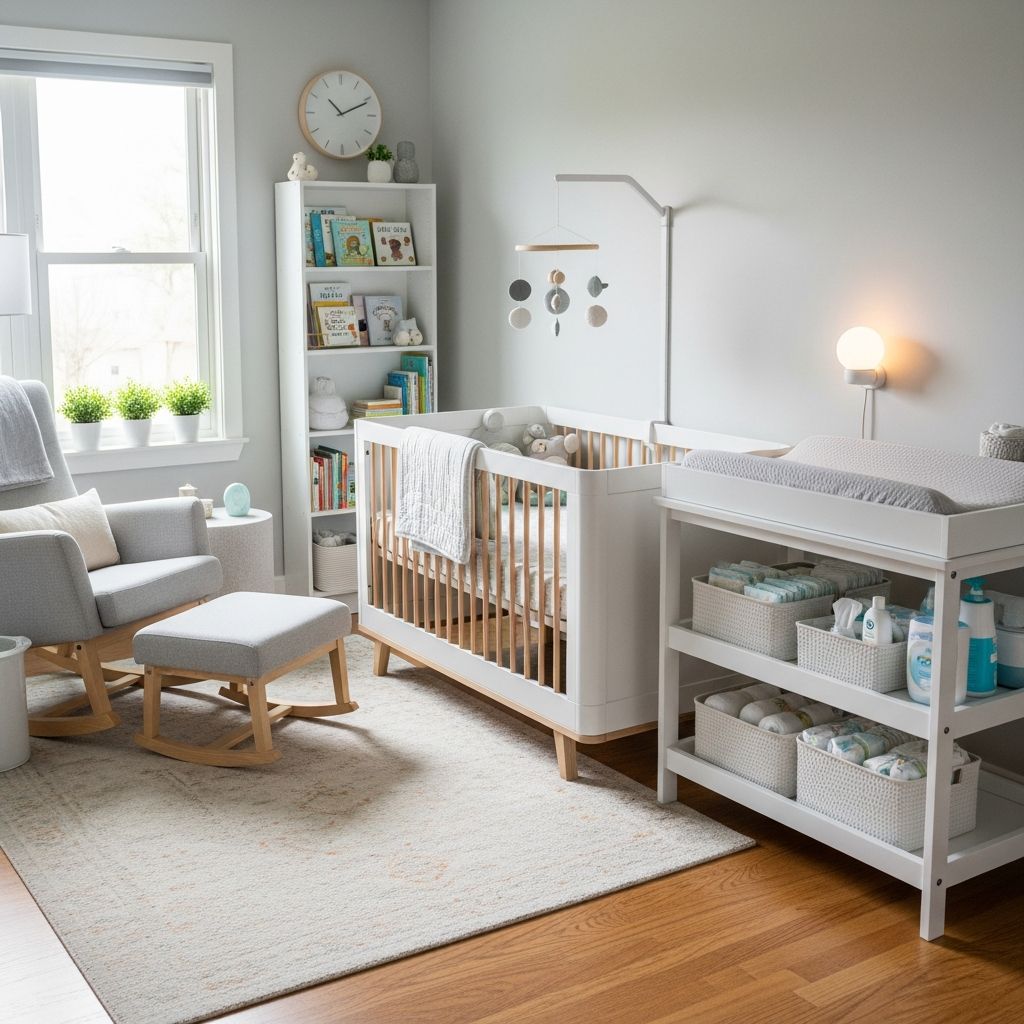
Creating dedicated areas for your newborn ensures quick access to necessities without constant disruption. Prioritize proximity to where you spend most time, aligning with health guidelines for infant sleep.
According to the American Academy of Pediatrics, newborns should room-share with parents for at least the first six months to reduce sudden infant death syndrome risk, ideally in a bassinet or crib in the primary caregiver’s bedroom.
- Bassinet or crib setup: Place a firm, flat sleep surface in your bedroom, free from pillows, blankets, or toys. Add a sleep sack for safe warmth.
- Secondary living area station: In family rooms, position a portable bassinet or playard with attached changing pad to minimize carrying heavy items.
- Furniture anchoring: Secure all dressers, shelves, and changing tables to walls using brackets to prevent tip-overs, a critical childproofing step.
These zones foster efficiency, allowing you to tend to baby needs swiftly during frequent night wakings.
Optimizing Diapering and Feeding Stations
Efficient stations stocked with essentials cut down on search time, vital when sleep-deprived. Organize items intuitively for one-handed grabs.
| Station Type | Key Items | Organization Tip |
|---|---|---|
| Diapering | Diapers (newborn size), wipes, rash cream, changing pad, disposal bags | Use a caddy or drawer organizer; keep within arm’s reach of sleep area |
| Feeding (Breast/Formula) | Nursing pillow, water bottle, snacks, pump with flanges, storage bags, bottles/formula | Side table next to comfy rocker; label storage for freshness |
| Bath Time | Baby tub, hood towels, mild soap, lotion | Bathroom basket; non-slip mat under tub |
For breastfeeding or pumping, select a supportive chair with ottoman to ease perineal pressure post-delivery. Pre-portion formula if bottle-feeding to simplify middle-of-night feeds.
Streamlining Wardrobe and Laundry Management
Newborns grow rapidly, so focus on versatile, easy-access clothing. Limit inventory to prevent overwhelm.
- Clothing essentials: Stock 10-12 zip-up footie pajamas in newborn and 0-3 month sizes for quick changes and safe sleep compliance. Add 5-7 outfits for outings.
- Storage solutions: Clear plastic bins or divided drawers sorted by size; anchor furniture securely.
- Laundry hacks: Dedicate a small hamper for baby items washed in fragrance-free detergent. Use mesh bags for socks to avoid losses.
Batch laundry every 2-3 days; enlist partners for folding to keep piles manageable.
Postpartum Recovery Essentials for Mom
Maternal healing often takes a backseat to baby duties. Assemble recovery kits to promote rest and hygiene without strain.
Stock hospital-grade supplies like oversized mesh underwear, peri bottles, witch hazel pads, and ice packs. The Cleveland Clinic recommends these for episiotomy or cesarean recovery, noting they reduce discomfort and infection risk.
- Bedside recovery basket: Nipple cream, stool softeners, pain relievers, adult diapers, hemorrhoid wipes.
- Bathroom mama kit: Padsicles (frozen pads with aloe), large pads, mirror for incision checks.
- Comfort aids: Donut cushion for sitting, heating pad, loose loungewear.
Position kits in bedroom and bathroom for minimal movement. Hydrate constantly—aim for 100 oz daily to support healing and milk production if nursing.
Meal Planning and Kitchen Strategies
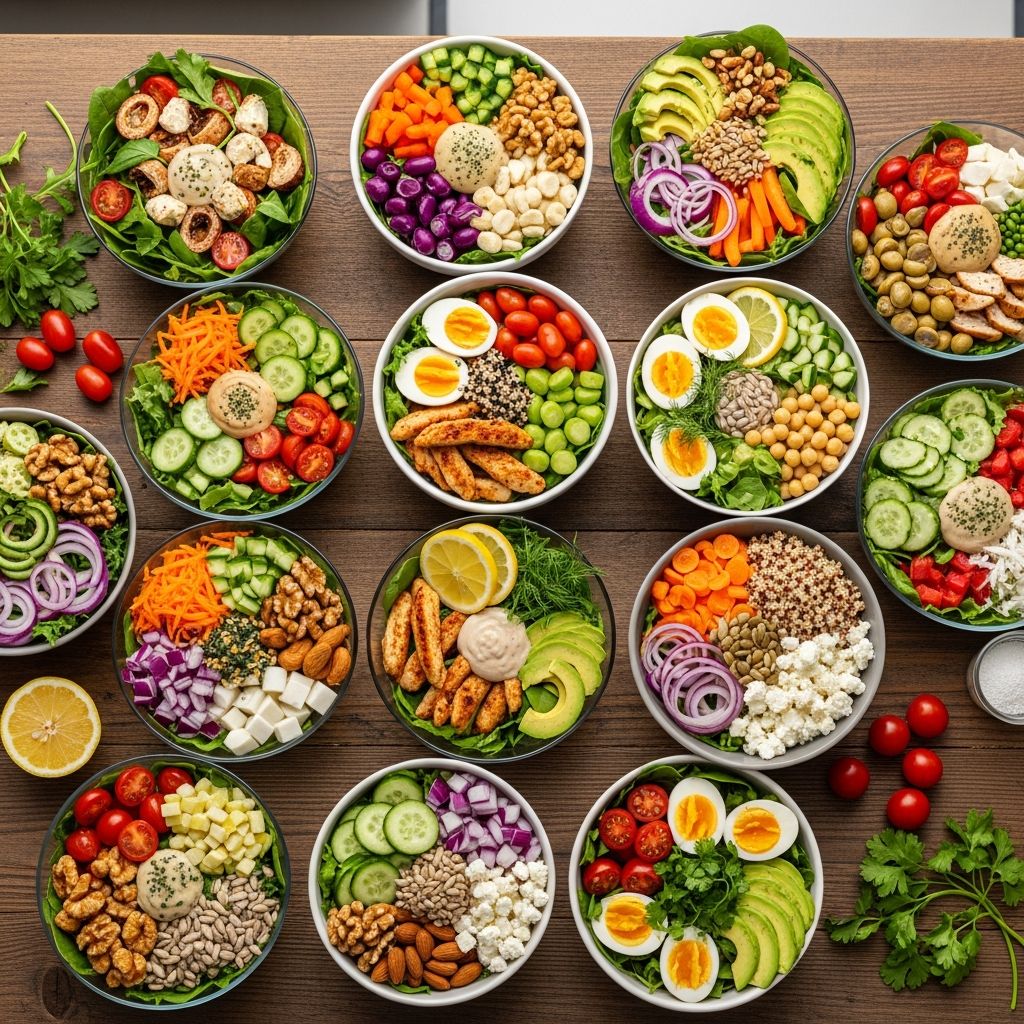
Nutrition fuels recovery; pre-prep meals to avoid takeout reliance. Focus on simple, nutrient-dense options.
- Freezer prep: Double recipes in third trimester—soups, casseroles, smoothies. Label with dates and reheating instructions.
- Easy tools: Slow cooker for hands-off meals; pre-chopped veggies, rotisserie chicken for salads.
- Snack stations: Jars of nuts, yogurt, fruit in fridge and pantry for grazing.
USDA guidelines emphasize iron-rich foods like spinach and lean meats for postpartum blood rebuilding. Partner up for grocery deliveries to conserve energy.
Household Cleaning and Maintenance Routines
A tidy home reduces stress; delegate to keep it sparkling without personal effort.
- Deep clean pre-baby: Enlist help for baseboards, windows, fridge in late pregnancy.
- Daily quick wins: Wipe surfaces, vacuum high-traffic areas to control dust and allergens.
- Volunteer tasks: Share checklists—laundry, dishes, trash—for visitors.
Prioritize sleep over spotless floors; a rested mom benefits baby more.
Supporting Siblings and Family Dynamics
Older kids may feel displaced; prepare them with engaging distractions.
- Activity bins: Coloring books, puzzles, quiet toys.
- Special routines: Designated reading time with baby included.
- Helper roles: Simple chores like fetching diapers build inclusion.
Minimize outings first weeks; virtual story times for grandparents keep connections alive.
Mastering Outings with Your Newborn
Venturing out builds confidence; pack smartly for success.
Curbside essentials: Diaper bag with changing pad, extra outfits (2 sets), feeding gear, blanket, hand sanitizer. Choose short trips to baby-friendly spots like parks.
Frequently Asked Questions
When should I set up baby’s sleep space?
Install bassinet and changing station by 36 weeks, ensuring compliance with AAP safe sleep rules for room-sharing.
How do I handle laundry overload?
Separate baby hamper; wash small loads frequently in gentle detergent. Line-dry to preserve snaps.
What if I need more help postpartum?
Line up doulas, meal trains, or night nannies via local networks; communicate needs clearly.
Can I deep clean while pregnant?
Delegate heavy tasks; focus on light organization to avoid strain.
How to stock a diaper bag efficiently?
Use packing cubes: one for diapers/wipes, one for clothes/blankets, one for feeding.
References
- Safe Sleep Recommendations — American Academy of Pediatrics. 2022-10-24. https://www.aap.org/en/news-room/news-releases/aap/2022/american-academy-of-pediatrics-releases-new-safe-sleep-recommendations-for-infants/
- Postpartum Care Guidelines — Cleveland Clinic. 2024-05-15. https://my.clevelandclinic.org/health/articles/9682-postpartum-care
- Dietary Guidelines for Americans — United States Department of Agriculture. 2025-01-10. https://www.dietaryguidelines.gov/