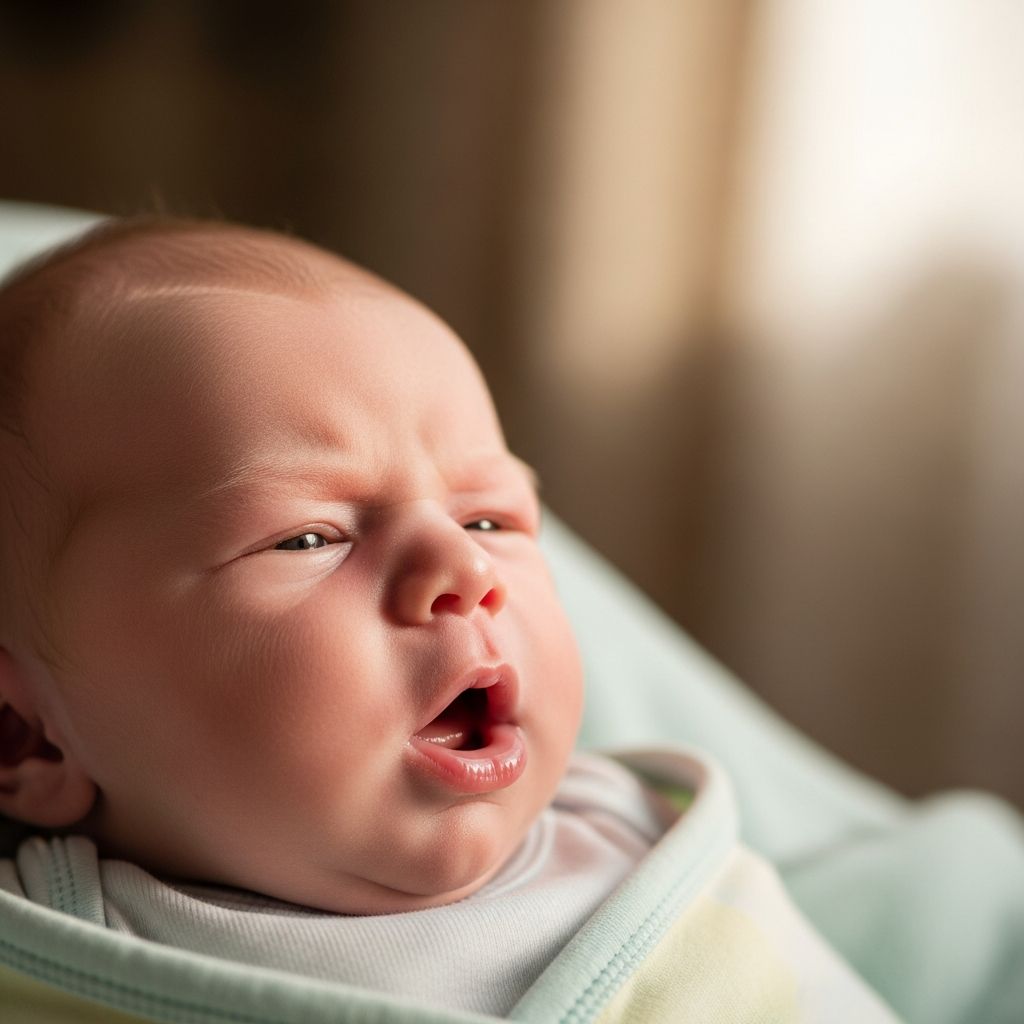
Newborn hiccups are a frequent occurrence that alarms many first-time parents, but they are typically benign and self-resolving. These involuntary spasms of the diaphragm create the characteristic ‘hic’ sound as air rushes through closed vocal cords, often triggered by feeding habits or digestive immaturity.
Understanding the Physiology Behind Baby Hiccups
The diaphragm, a dome-shaped muscle separating the chest from the abdomen, plays a central role in breathing and hiccupping. In newborns, this muscle is still developing, making it prone to sudden contractions. When irritated, it spasms, causing the vocal cords to snap shut abruptly, producing the hiccup sound.
Unlike adults, where hiccups might stem from various triggers, infant episodes are predominantly linked to gastrointestinal factors. The immature digestive system struggles to manage air intake and milk flow efficiently, leading to stomach distension that presses on the diaphragm.
Primary Triggers of Hiccups in Infants
Several everyday factors contribute to these episodes, most revolving around feeding routines:
- Overfeeding or rapid intake: Consuming too much milk too quickly expands the stomach, irritating the diaphragm.
- Air swallowing: Babies gulp air during eager feeds, especially if very hungry, trapping it in the tummy.
- Temperature shifts: Alternating hot and cold feeds can provoke spasms.
- Reflux (GERD): Stomach acid backing into the esophagus stimulates the phrenic nerve, triggering contractions.
- Excitement or overstimulation: High-energy play post-feeding jostles the stomach.
These triggers explain why hiccups often follow meals, lasting from minutes to half an hour before fading naturally.
Safe and Effective Ways to Stop Hiccups
Most remedies focus on relieving stomach pressure and relaxing the diaphragm. Here’s a step-by-step guide:
- Prioritize burping: Pause feeding every 2-3 ounces for bottle-fed babies or when switching breasts. Hold upright and pat gently to expel trapped air.
- Use a pacifier: Non-nutritive sucking calms the diaphragm by regulating breathing patterns.
- Adjust position: Sit the baby upright for 20-30 minutes post-feed to aid gravity in settling contents.
- Gentle motion: Rock softly or walk while holding vertically to soothe and release gas.
- Back rubbing: Light circular motions during or after feeds promote burping.
A table summarizing quick remedies:
| Method | How It Helps | Best For |
|---|---|---|
| Burping | Releases air pressure | During/after feeding |
| Pacifier | Relaxes diaphragm | Anytime |
| Upright hold | Prevents reflux | Post-feeding |
| Rocking | Soothes spasms | When distressed |
These approaches succeed because they address root causes without distress.
Prevention Strategies for Frequent Hiccups
Proactive habits reduce occurrences significantly:
- Feed before extreme hunger to prevent gulping.
- Tip bottles properly to minimize air intake.
- Maintain consistent temperatures in feeds.
- Ensure proper latch during breastfeeding for optimal milk flow.
- Avoid vigorous activity right after meals.
Feed in smaller, more frequent sessions if overfeeding is suspected. Calm environments during meals also help.
Risks and Remedies to Avoid
Well-intentioned but harmful folk cures persist; steer clear of them:
- Scaring the baby: Causes unnecessary fear without stopping spasms.
- Water or gripe water: Not recommended for newborns under 6 months; risks choking or unproven efficacy.
- Tongue pulling or nose pinching: Dangerous and ineffective.
- Lemon or sugar: Potential allergens or irritants.
Stick to pediatric-approved methods for safety.
When Hiccups Signal a Deeper Issue
While isolated episodes are normal, persistent or symptomatic ones merit attention:
- Frequent bouts disrupting feeding or sleep.
- Accompanied by vomiting, poor weight gain, or irritability.
- Breathing issues or arching back (reflux signs).
- Lasting hours daily.
Consult a pediatrician promptly; they may check for GERD or other conditions. Early intervention ensures comfort and growth.
Myths Debunked: What Hiccups Do Not Mean
Common misconceptions include:
- Not a fullness indicator: Babies can hiccup before or after satisfying feeds.
- Not harmful long-term: Transient spasms pose no developmental risk.
- Not always gas-related: Though common, other factors play roles.
Understanding this eases parental anxiety.
Long-Term Outlook and Parental Tips
Hiccups peak in the first months, decreasing as the digestive system matures around 6-12 months. Track patterns in a journal to identify triggers. Parental stress can amplify baby fussiness, so prioritize self-care.
For multicultural perspectives, remedies like herbal teas appear in traditions but lack evidence; consult professionals.
Frequently Asked Questions
Are newborn hiccups a sign of reflux?
Possibly; if paired with spitting up or discomfort, discuss with a doctor.
How long do baby hiccups last?
Usually 5-10 minutes, but up to 30; rare persistence needs evaluation.
Can gripe water help?
Not advised for newborns; burping is safer and more effective.
Do hiccups affect sleep?
Rarely; they often stop when relaxed or asleep.
Is it okay to ignore them?
Yes, if baby is unbothered; intervene only if distressed.
References
- How to Get Rid of Newborn Baby Hiccups – 5 Tips — Baptist Health. 2023. https://www.baptisthealth.com/blog/mother-and-baby-care/how-to-get-rid-of-newborn-baby-hiccups-5-tips
- Newborn Baby Hiccups: Causes, Cures and Prevention — The Bump. 2023. https://www.thebump.com/a/newborn-hiccups-why-babies-get-how-to-get-rid
- Tips to Get Rid of Baby Hiccups Effectively — Brevard Health Alliance. 2023. https://www.brevardhealth.org/blog/how-to-get-rid-of-baby-hiccups/
- How to stop baby hiccups, what not to do, and prevention tips — Medical News Today. 2023-10-27. https://www.medicalnewstoday.com/articles/321932
- Hiccups, Causes & Treatment — Cleveland Clinic. 2023-08-28. https://my.clevelandclinic.org/health/diseases/17672-hiccups
- Baby Burping, Hiccups & Spit-Up — HealthyChildren.org (American Academy of Pediatrics). 2023. https://www.healthychildren.org/English/ages-stages/baby/feeding-nutrition/Pages/baby-burping-hiccups-and-spit-up.aspx