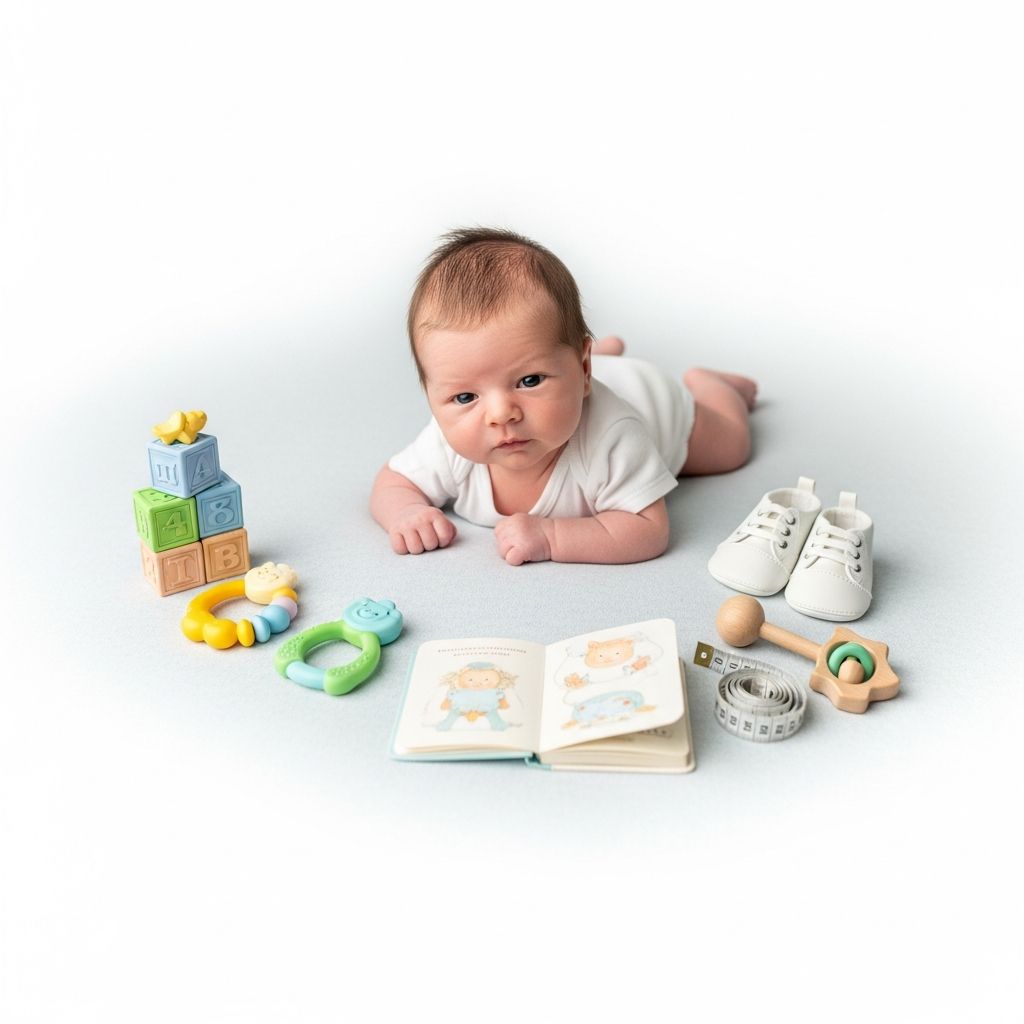
The first year of life marks an extraordinary period of transformation for infants, as they progress from helpless newborns to active explorers. Parents often marvel at how quickly their little ones master new skills, from lifting their heads to taking those first wobbly steps. Understanding these **newborn growth milestones** empowers caregivers to support development effectively while recognizing when professional advice might be needed. This guide draws on established patterns observed in healthy infants, highlighting physical, sensory, cognitive, and social advancements month by month.
Understanding the Foundations of Infant Progress
Infant development unfolds in predictable yet individualized stages. Factors like genetics, nutrition, and environmental stimulation influence the pace, but most babies follow similar trajectories. By tracking milestones, parents can celebrate achievements and identify potential delays early. Organizations like the Centers for Disease Control and Prevention emphasize acting promptly if concerns arise, as early intervention can make a significant difference.
Newborns enter the world with innate reflexes that aid survival, such as rooting for feeding and grasping objects placed in their palms. Over time, these give way to voluntary movements, signaling maturing neural pathways. Weight gain is a key indicator: babies typically double their birth weight by five months and triple it by their first birthday, averaging 5-7 ounces weekly in the early months.
Birth to One Month: Instincts and Adaptation
In the initial weeks, your newborn focuses on basic survival. Their world is a blur of sensations, with vision limited to about 8-12 inches—perfect for gazing at a caregiver’s face. Movements are reflexive and jerky, but subtle changes emerge rapidly.
- Physical: Head lags when pulled to sit; turns head side-to-side on tummy; hands often clenched.
- Sensory: Tracks moving objects briefly; prefers high-contrast patterns; startles to loud noises.
- Social: Quiets when held or spoken to; displays rooting and sucking reflexes.
By month’s end, many lift their head momentarily during tummy time, building neck strength. Daily weight gain of around 1 ounce post-two weeks supports steady growth, with length increasing by about 1-1.5 inches.
One to Three Months: Emerging Awareness
This phase brings smiles and coos, as babies become more responsive. Brain growth accelerates, enabling better head control and social engagement.
| Age | Gross Motor | Fine Motor | Social/Communication |
|---|---|---|---|
| 1 Month | Head movement side-to-side on tummy | Strong grasp reflex | Stares at faces |
| 2 Months | Holds head up briefly | Opens/closes hands | Responsive smiles |
| 3 Months | Lifts head/chest on tummy | Reaches for objects | Coos and imitates sounds |
Infants now recognize familiar voices, turning toward parents. They discover their hands, bringing them to mouth for exploration. Tummy time strengthens muscles essential for later rolling and sitting.
Four to Six Months: Exploration Begins
Babies transition to active participants, rolling over and reaching eagerly. Hand-eye coordination sharpens, allowing them to grasp toys deliberately.
- Physical: Rolls front-to-back and vice versa; pushes up on arms; may scoot or army crawl.
- Fine Motor: Transfers objects hand-to-hand; rakes small items; masters pincer grasp precursor.
- Communication: Babbles; laughs aloud; responds to name.
- Social: Shows joy in play; may cry when fun stops; recognizes family faces.
By six months, sitting with support is common, and solid foods may introduce textures. Height reaches about 25-27 inches on average, with head circumference growing steadily.
Seven to Nine Months: Mobility and Independence
Movement explodes as babies sit unassisted and prepare to crawl. Cognitive leaps include understanding object permanence—knowing toys exist when hidden.
Key achievements:
- Sits without help; rocks on hands and knees; may crawl or pull to stand.
- Pincer grasp perfected for finger foods; bangs objects together.
- Babbles with inflection; waves bye-bye; plays peekaboo.
- Stranger anxiety peaks; prefers primary caregivers.
Socially, they mimic gestures and express preferences, fostering attachment bonds crucial for emotional security.
Ten to Twelve Months: Toward Toddlerhood
The final quarter buzzes with pre-walking feats. Babies cruise along furniture, stand briefly, and may take independent steps by year’s end.
| Milestone | Typical Age | Description |
|---|---|---|
| Pulls to Stand | 10 Months | Uses furniture for support |
| Cruises | 11 Months | Walks holding edges |
| First Steps | 12 Months | Stands alone, walks a few steps |
| Words | 12 Months | Says 1-3 words like ‘mama’, ‘dada’ specifically |
Fine skills advance: stacking blocks, turning pages, pointing to desired items. They test boundaries, dropping food repeatedly to gauge reactions, learning cause-and-effect. Personality shines through gestures like clapping or shaking head ‘no’.
Factors Influencing Development
While milestones provide benchmarks, variation is normal. Premature babies may reach goals later, adjusted for gestational age. Nutrition, sleep (14-17 hours daily initially), and interaction fuel progress. Tummy time (3-5 sessions daily) prevents flat head spots and builds strength.
Red flags warrant pediatric consultation: no head lift by 3 months, no babbling by 7, or no crawling/walking attempts by 12. The CDC’s ‘Learn the Signs. Act Early’ program offers free trackers.
Supporting Your Baby’s Journey
Engage through responsive play: narrate actions, read books, provide safe toys. Breast milk or formula meets needs until solids at 6 months. Vaccinations and checkups monitor growth curves.
- Sing and talk daily to boost language.
- Offer varied textures for sensory play.
- Encourage safe exploration with baby-proofing.
Cultural practices and family dynamics enrich development uniquely.
Frequently Asked Questions (FAQs)
Is it normal if my baby skips crawling?
Yes, some babies scoot or go straight to walking; as long as they move progressively, it’s fine.
When should babies say their first words?
Around 12 months, with ‘mama’ or ‘dada’ specific to parents; range varies widely.
How much tummy time is enough?
Start with 3-5 minutes daily, building to 30-60 minutes by 7 months.
What if my baby isn’t meeting milestones?
Discuss with your doctor; early screening via CDC tools helps.
Does screen time help development?
Limited interactive use post-18 months; prioritize face-to-face play initially.
References
- Your baby’s growth and development – first 12 months — Pregnancy Birth & Baby. 2023. https://www.pregnancybirthbaby.org.au/baby-development
- Baby Development Stages: The First Year — WebMD. 2024-10-15. https://www.webmd.com/parenting/baby/features/stages-of-development
- Infant development: Birth to 3 months — Mayo Clinic. 2024. https://www.mayoclinic.org/healthy-lifestyle/infant-and-toddler-health/in-depth/infant-development/art-20048012
- Newborn Development: 0-1 month — CHOC Children’s. 2023. https://choc.org/ages-stages/newborn/
- CDC’s Developmental Milestones — Centers for Disease Control and Prevention (CDC). 2025-04-28. https://www.cdc.gov/act-early/milestones/index.html