Bringing a newborn home comes with one big, urgent question: “Is my baby getting enough to eat?” New parents often worry about timing, amounts, and whether to choose breastfeeding, formula, or a combination. This guide walks through the essentials of newborn feeding in simple, reassuring language so you can focus on bonding instead of second-guessing every feed.
Understanding How Newborns Eat
A newborn’s stomach is tiny at birth and can hold only a small amount at each feeding. Rather than taking large meals a few times a day, most newborns eat small amounts frequently around the clock. Their feeding patterns change quickly in the first days and weeks as their stomach grows and their energy needs increase.
Every baby is unique, but most healthy newborns gradually settle into a pattern of feeding, sleeping, and brief awake times. Instead of aiming for a strict schedule early on, it usually works better to respond to your baby’s early hunger cues while loosely watching the clock to avoid long stretches without feeding.
Breastfeeding: What to Expect in the Early Days
Breastfeeding is often described as natural, but it is also a learned skill for both baby and parent. The first days and weeks are a time of practice, adjustment, and frequent feeds while your milk supply is being established.
In the beginning, your body produces a thick, golden first milk called colostrum, followed by a gradual increase in mature milk volume. Frequent nursing helps bring in and maintain your supply, even if it sometimes feels like you are feeding almost constantly.
Typical Breastfeeding Patterns for Newborns
- Newborns commonly nurse about 8–12 times in 24 hours.
- Feeds are often spaced every 2–3 hours, though some may cluster closer together and others may be a bit further apart.
- Feeding sessions may last anywhere from about 10–45 minutes, especially while baby is still learning to latch and suck effectively.
- It is normal to have periods of “cluster feeding,” when baby wants to nurse repeatedly over a few hours, often in the evening.
Rather than watching the clock alone, pay close attention to your baby’s cues and the quality of the latch. A deep latch that feels comfortable and allows strong rhythmic sucking is more important than the exact number of minutes on each breast.
Formula Feeding: Getting Started with Confidence
Formula feeding can be a safe, healthy way to nourish a newborn, whether used alone or in combination with breastfeeding. The basic idea is the same as breastfeeding: offer small, frequent feeds and watch your baby’s cues to guide when and how much to offer.
Newborns who drink infant formula usually take slightly larger volumes per feed than breastfed babies, but the total daily number of feeds may be a bit lower. Most parents quickly learn a comfortable rhythm once they observe how their baby responds.
Approximate Formula Intake in the First Weeks
| Age | Typical Amount per Feed | Approximate Feeds per 24 Hours |
|---|---|---|
| First 1–2 days | About 15–30 ml (0.5–1 oz) | 8–12 feeds |
| Days 3–7 | About 30–60 ml (1–2 oz) | 8–10 feeds |
| Weeks 2–4 | About 60–90 ml (2–3 oz) | 6–8 feeds |
These figures are estimates, not strict rules. Some babies drink a bit more or less and still grow well. Working closely with your baby’s healthcare provider is the best way to confirm that your baby’s intake is right for them.
How Often Should a Newborn Eat?
Most healthy newborns eat at least every 2–3 hours in the first weeks, measured from the start of one feeding to the start of the next. Because their stomachs are small and their growth is rapid, long gaps without feeding are usually not recommended early on.
As a general guideline, many parents aim for at least 8–12 feeds in a 24-hour period, regardless of whether baby is breastfeeding or formula feeding. Some babies on formula settle closer to the lower end of that range, while many breastfed babies are on the higher end, especially during growth spurts.
Reading Your Baby’s Hunger Cues
One of the most helpful skills you can learn is how to spot hunger cues before your baby begins to cry. Crying is usually a late sign of hunger and can make latching or feeding more challenging.
Early and Active Hunger Signs
- Opening and closing the mouth, or making sucking motions.
- Turning the head side to side, “rooting” when the cheek is stroked.
- Bringing hands to the mouth and sucking on fingers or fists.
- Becoming more awake and active after a period of sleep.
When you respond to these early signs, feedings often go more smoothly and your baby may stay calmer. Over time, you will learn your baby’s own unique patterns and subtle signals.
Signs Your Newborn Is Getting Enough Milk
Because you cannot see how much milk a breastfed baby is drinking, and even bottle-fed babies may take different amounts at each feed, parents often rely on growth, diapers, and behavior to gauge whether baby is eating enough.
Diaper Output and Growth
- Wet diapers typically increase over the first few days and then remain steady; after the first week, many babies have at least 5–6 wet diapers per day.
- Stools change from dark, tarry meconium to lighter, softer stools as milk intake increases.
- Steady weight gain over time, confirmed at regular checkups, is the most reliable sign that your baby is getting enough.
A well-fed newborn usually seems content and relaxed after many feeds, with periods of alertness and quiet sleep. Keep in mind that some fussiness is normal and does not automatically mean your baby is still hungry.
Recognizing Fullness and Avoiding Overfeeding
Just as babies show signs of hunger, they also signal when they are full. Learning and respecting those signals helps protect your baby’s ability to self-regulate appetite and may reduce spit-up or discomfort.
Common Fullness Cues
- Slowing or stopping sucking, or letting the nipple slip from the mouth.
- Relaxing the hands and arms instead of keeping them tense or fist-clenched.
- Turning the head away from the breast or bottle.
- Becoming drowsy or falling asleep at the end of a feed.
If your baby shows several fullness cues but there is still milk in the bottle, it is usually fine to stop rather than encouraging them to “finish.” For breastfed babies, allowing them to come off the breast on their own usually works well.
Safe Bottle-Feeding Practices
Whether you are giving expressed breast milk or formula in a bottle, safe preparation and feeding techniques are important. Cleanliness, correct mixing, and pacing help keep your baby healthy and comfortable.
- Always wash your hands and make sure bottles, nipples, and any pump parts are clean.
- Follow the manufacturer’s instructions exactly when preparing formula; adding extra powder or extra water can be unsafe.
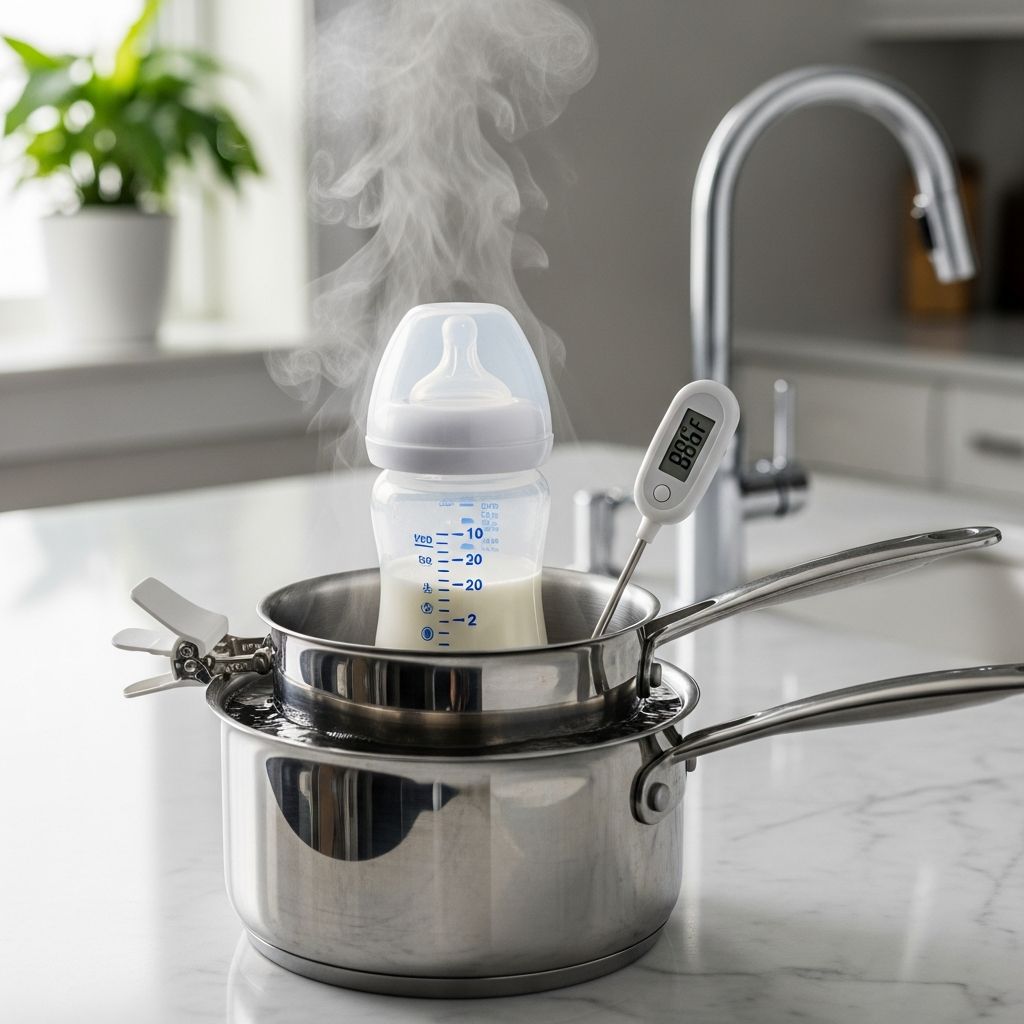
- Warm bottles gently if desired (such as in a warm water bath), and always test the temperature on your inner wrist before feeding.
- Hold your baby semi-upright during feeds and support the head; do not prop a bottle or leave your baby unattended.
- Use paced bottle feeding: hold the bottle more horizontally and give your baby pauses to rest and swallow, similar to the rhythm of breastfeeding.
Discard any milk that has been sitting out at room temperature for too long, according to safe storage guidelines, and do not reuse milk from a bottle that your baby has already started.
Nighttime Feeding Realities
Frequent night feeds are a normal part of life with a newborn. Their small stomachs cannot hold enough to keep them satisfied for long stretches, and their bodies still need round-the-clock nutrition to grow and develop.
Many newborns wake to eat every 2–4 hours overnight. As they grow and gain weight steadily, some begin to stretch out their longest sleep period, but it is common for night feeds to continue in some form throughout the first months.
Common Feeding Challenges in the First Weeks
Even with preparation, many families encounter bumps in the road with feeding. Some challenges are mild and resolve with time and support; others require prompt medical attention.
Examples of Early Feeding Hurdles
- Difficulty latching or pain with breastfeeding.
- Very sleepy baby who is hard to wake for feeds.
- Frequent spit-up, gas, or seeming discomfort after feeds.
- Concerns about supply—either “not enough” or feeling overly full and uncomfortable.
Involving professionals early can make a big difference. Lactation consultants, pediatricians, and other breastfeeding or infant-feeding specialists can help assess what is going on and suggest tailored strategies.
When to Call the Doctor About Feeding
Trust your instincts if something does not feel right. Certain signs around feeding or diapers deserve quick attention from your baby’s healthcare provider.
- Very few wet diapers, or a sudden drop from your baby’s usual pattern.
- Persistent vomiting (not just small spit-ups) or green/bloody vomit.
- Weak sucking, refusing to feed, or taking very little over several feeds.
- Floppy or unusually sleepy baby who is hard to wake and keep awake for feeds.
- Signs of dehydration, such as dry mouth or lips, no tears when crying, or a sunken soft spot on the head.
Seek urgent help if your baby has trouble breathing, appears blue or gray around the lips, or shows any signs of serious illness along with feeding problems.
Practical Tips to Make Feeding Easier
Newborn feeding is not just about nutrition; it is also about creating a nurturing routine that works for the whole family. Small adjustments can make feeds more comfortable and less stressful.
- Create a cozy feeding spot with good back support, water within reach, and items you need for burping and diaper changes.
- Use skin-to-skin contact when possible; it helps many babies feed better and may support milk supply.
- Burp your baby during and after feeds, especially if using bottles, to reduce gas and discomfort.
- Share the workload when you can, such as having a partner handle burping, diaper changes, or bottle prep.
- Keep a simple log of feeds and diapers during the first days if it helps you track patterns and discuss them at checkups.
Remember that feeding a newborn is a full-time job for a short season. As you and your baby learn together, feeds usually become more efficient and predictable.
Frequently Asked Questions About Newborn Feeding
How do I know if I should wake my baby to feed?
In the first couple of weeks, many healthcare providers recommend waking a newborn if more than about 3 hours have passed during the day or 4 hours at night between feeds, especially if there are concerns about weight gain. Once your baby is gaining well, your provider may advise that it is safe to let them wake on their own more often.
Is it better to feed on a schedule or on demand?
For most healthy newborns, responding to early hunger cues—also called feeding on demand—works best, with the gentle safeguard of avoiding very long intervals between feeds. Over time, a loose pattern or routine often emerges naturally without enforcing a rigid schedule.
Can I combine breastfeeding and formula?
Many families use a combination of breastfeeding and formula for medical, practical, or personal reasons. If you plan to mix feeding methods, it can help to discuss a plan with your baby’s healthcare provider or a lactation specialist to support your milk supply and your baby’s growth.
Why does my baby want to eat again so soon?
Periods of very frequent feeding are common, especially during growth spurts or in the evening. Your baby may be taking in smaller amounts more often, boosting milk supply, or seeking comfort and closeness. As long as weight gain and diapers look good, these phases are typically normal and temporary.
When will my baby start spacing out feeds?
As newborns grow over the first weeks and months, many gradually extend the time between feeds and may sleep longer stretches, particularly at night. The exact timing varies widely; it is more important to focus on your baby’s overall growth, alertness, and comfort than to compare schedules with other babies.
Final Thoughts
Feeding a newborn can feel overwhelming at first, but it becomes more manageable as you learn your baby’s cues and rhythms. There is no single “perfect” way to feed every baby—what matters most is that your newborn is growing, thriving, and loved. With time, support, and patience, feeding turns from a source of stress into a routine part of your relationship with your child.