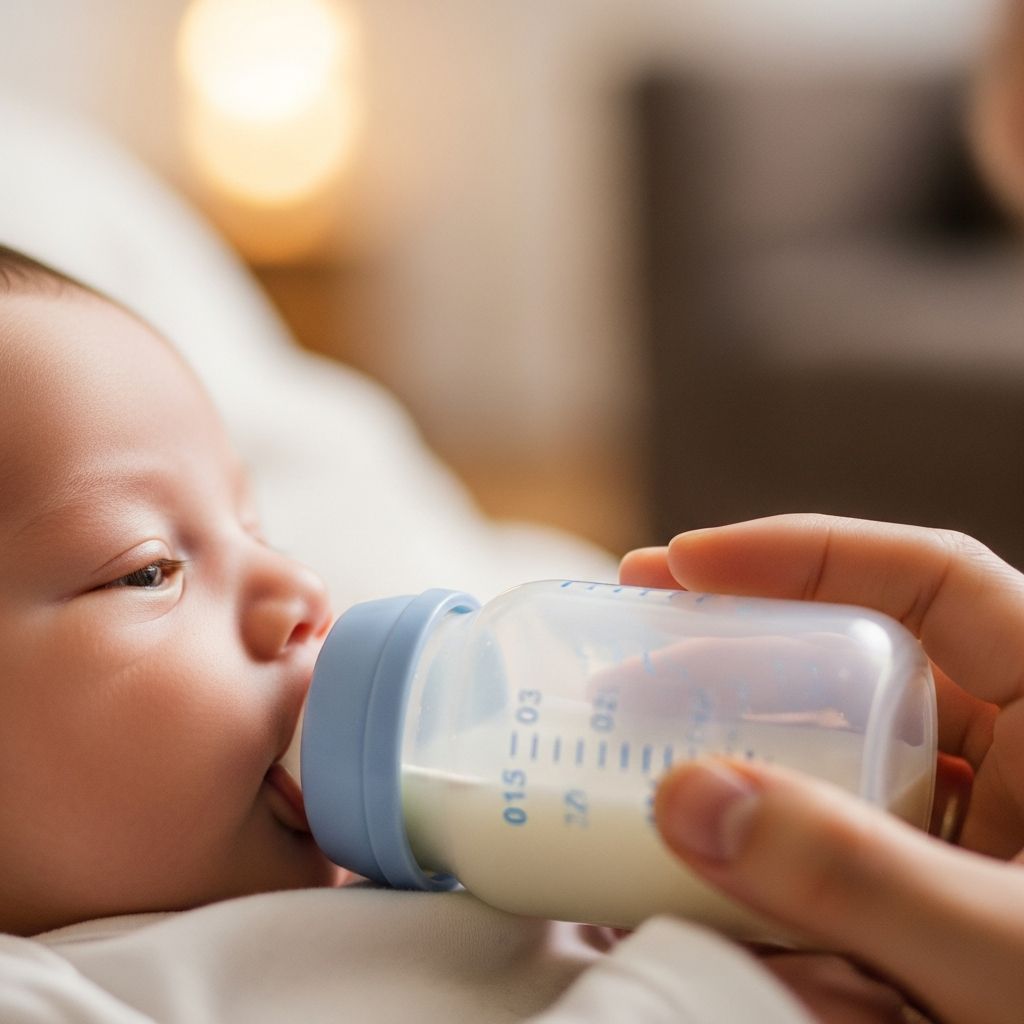
Welcoming a newborn into your family brings immense joy, but it also introduces the vital task of providing proper nutrition. In the earliest days, your baby’s tiny stomach requires frequent, small feedings of breast milk or formula to support rapid growth and development. Understanding feeding patterns, recognizing hunger signals, and knowing when to introduce new foods ensures your little one thrives. This guide draws from authoritative health recommendations to help you navigate this journey confidently.
Understanding Your Newborn’s Nutritional Needs
A newborn’s digestive system is immature, holding only about 10-20 milliliters initially, expanding quickly with each feeding. Exclusive breast milk or iron-fortified formula meets all nutritional requirements for the first six months, supplying proteins, fats, vitamins, and antibodies for immunity. The American Academy of Pediatrics prioritizes breastfeeding, but formula serves as a safe alternative when needed. Avoid water, juices, or solids before six months, as they can displace essential nutrients and risk digestive issues.
Monitor growth through steady weight gain—typically 5-7 ounces weekly in the first months—and output like 6+ wet diapers daily by day five. Consult a pediatrician if concerns arise.
Breastfeeding Fundamentals for Success
Breast milk adapts perfectly to your baby’s needs, digesting faster than formula, often prompting 8-12 feedings per 24 hours. Position your baby skin-to-skin to encourage latching; early cues include rooting, hand-to-mouth movements, and fist sucking.
- Frequency: Every 1.5-3 hours, including nights; cluster feeding (frequent short sessions) boosts supply.
- Duration: 10-20 minutes per breast initially, switching as baby slows.
- Supplements: Exclusively breastfeeding infants need 400 IU vitamin D daily from birth.
Build supply by nursing on demand. If challenges like sore nipples occur, seek lactation support promptly.
Formula Feeding: Practical Tips and Amounts
Formula-fed babies typically need 6-10 feedings daily, with slightly longer intervals due to slower digestion. Start with 1-2 ounces every 2-3 hours in the first days, increasing based on hunger.
| Age | Feedings per Day | Ounces per Feeding |
|---|---|---|
| Birth to 2 weeks | 8-12 | 1.5-3 |
| 2-4 weeks | 7-10 | 2-4 |
| 1-2 months | 6-8 | 4-5 |
| 2-4 months | 5-6 | 5-6 |
| 4-6 months | 4-5 | 6-8 |
Data adapted from standard pediatric guidelines. Prepare formula per package instructions using safe water; never dilute. Burp midway and after to prevent discomfort.
Recognizing and Responding to Hunger and Fullness Cues
Babies communicate needs subtly. Early hunger signs—lip smacking, rooting—allow calm feeding before crying escalates. Fullness cues include slowing sucks, turning away, or relaxing hands.
- Rooting or head turning toward touch.
- Mouthing hands or fists.
- Increased alertness or fussing.
- For fullness: Closing mouth, spitting out nipple, or falling asleep.
Feed on cue rather than clock, fostering self-regulation and bonding.
Evolving Feeding Patterns: 1-6 Months
As babies grow, efficiency improves; feedings space out naturally. By 1-2 months, many sleep longer stretches. Total daily intake reaches 24-32 ounces by 3-6 months.
Introduce paced bottle feeding to mimic breastfeeding: hold bottle horizontal, pause for swallows, preventing overfeeding. Night feedings decrease as caloric needs consolidate daytime intake.
Transitioning to Solid Foods: Timing and First Steps
Around 6 months, when baby sits with support, shows interest in food, and loses tongue-thrust reflex, begin solids alongside milk. Start with iron-rich purees like fortified cereal or meat, 1-2 tablespoons twice daily.
- Introduce one new food every 3-5 days to monitor allergies.
- Prioritize variety: veggies, fruits, proteins, grains.
- Avoid honey, cow’s milk, choking hazards until later.
Age-Specific Feeding Milestones: 6-12 Months
6-8 Months
Breastfeed or formula 6+ times (27-32 oz total); add 2-3 pureed meals. Try mashed fruits/veggies, soft cereals. Gradually introduce lumps around 8 months.
9-12 Months
Reduce milk to 24-28 oz; offer 3 meals + 1-2 snacks of chopped soft foods like diced meats, cheese, pasta. Encourage self-feeding with utensils or fingers for motor skills.
| Age Group | Key Foods | Texture | Daily Structure |
|---|---|---|---|
| 6 Months | Iron-fortified cereal, pureed veggies/meat | Smooth puree | 2 small meals |
| 7-8 Months | Mashed fruits, beans, yogurt | Lumpy mash, soft fingers | 3 meals + 1 snack |
| 9-12 Months | Chopped fruits/veggies, cheese, grains | Bite-sized pieces | 3 meals + 2 snacks |
Family meals model healthy eating; supervise to prevent choking. Transition to sippy cup for water or milk post-1 year.
Safe Feeding Practices and Common Pitfalls
Maintain hygiene: sterilize bottles, wash hands. Sit baby upright during feeds; never prop bottles to avoid ear infections or aspiration. Responsive feeding prevents obesity risk by respecting cues.
Watch for adequate intake: 6-8 wet diapers, regular stools, alert demeanor. If baby refuses feeds or shows distress, contact healthcare provider.
Special Considerations for Growth and Health
Premature or low-birth-weight infants may need adjusted schedules per pediatrician. Vitamin D for breastfed babies remains crucial. By 12 months, whole milk can replace formula if growth-appropriate, but consult first.
Frequently Asked Questions (FAQs)
What if my newborn sleeps through feedings?
Wake every 2-3 hours initially, especially if under birth weight, to ensure nutrition.
How do I know if breastfeeding is going well?
Look for 6+ wet diapers by day five, steady weight gain, and contentment.
When should I stop nighttime feedings?
Gradually as baby grows, often by 4-6 months with day calories increasing.
Can I mix breast milk and formula?
Yes, combination feeding works; prioritize breast milk when possible.
What are first solid food signs of readiness?
Good head control, interest in spoons, doubling birth weight.
Building Healthy Habits from the Start
Consistent, cue-based feeding lays the foundation for lifelong healthy eating. Involve family in mealtimes, offer diverse flavors early to shape preferences. Track progress with well-child visits; most babies self-regulate effectively with parental guidance.
References
- Baby feeding chart: A simple guide for new parents — Norton Children’s. 2023. http://nortonchildrens.com/news/babyfeedingchart/
- Ages 0-2 Feeding Recommendations — Healthy Eating Research. 2024. https://healthyeatingresearch.org/tips-for-families/ages-0-2-feeding-recommendations/
- Infant Feeding Guide — Colorado Department of Public Health & Environment (CDPHE) WIC. 2024. https://www.coloradowic.gov/health-and-nutrition/babies/feeding-guide
- Feeding your newborn: Tips for new parents — Mayo Clinic. 2024-10-15. https://www.mayoclinic.org/healthy-lifestyle/infant-and-toddler-health/in-depth/healthy-baby/art-20047741
- How Much and How Often to Feed Infant Formula — Centers for Disease Control and Prevention (CDC). 2024. https://www.cdc.gov/infant-toddler-nutrition/formula-feeding/how-much-and-how-often.html
- Feeding Your Newborn Baby — Kaiser Permanente. 2024. https://healthy.kaiserpermanente.org/health-wellness/maternity/baby-101/feeding
- Feeding Your Baby in the First Year — Cleveland Clinic. 2024. https://my.clevelandclinic.org/health/articles/9693-feeding-your-baby-the-first-year