Bringing a newborn home marks the start of an incredible journey filled with joy, challenges, and endless learning. New parents often feel a mix of excitement and anxiety about readiness. This guide provides a thorough roadmap to equip your living space with everything needed for your baby’s safety, comfort, and your peace of mind. From selecting core furniture to stocking supplies and implementing safety protocols, you’ll find practical advice drawn from reliable parenting resources.
Designing a Safe Nursery Space
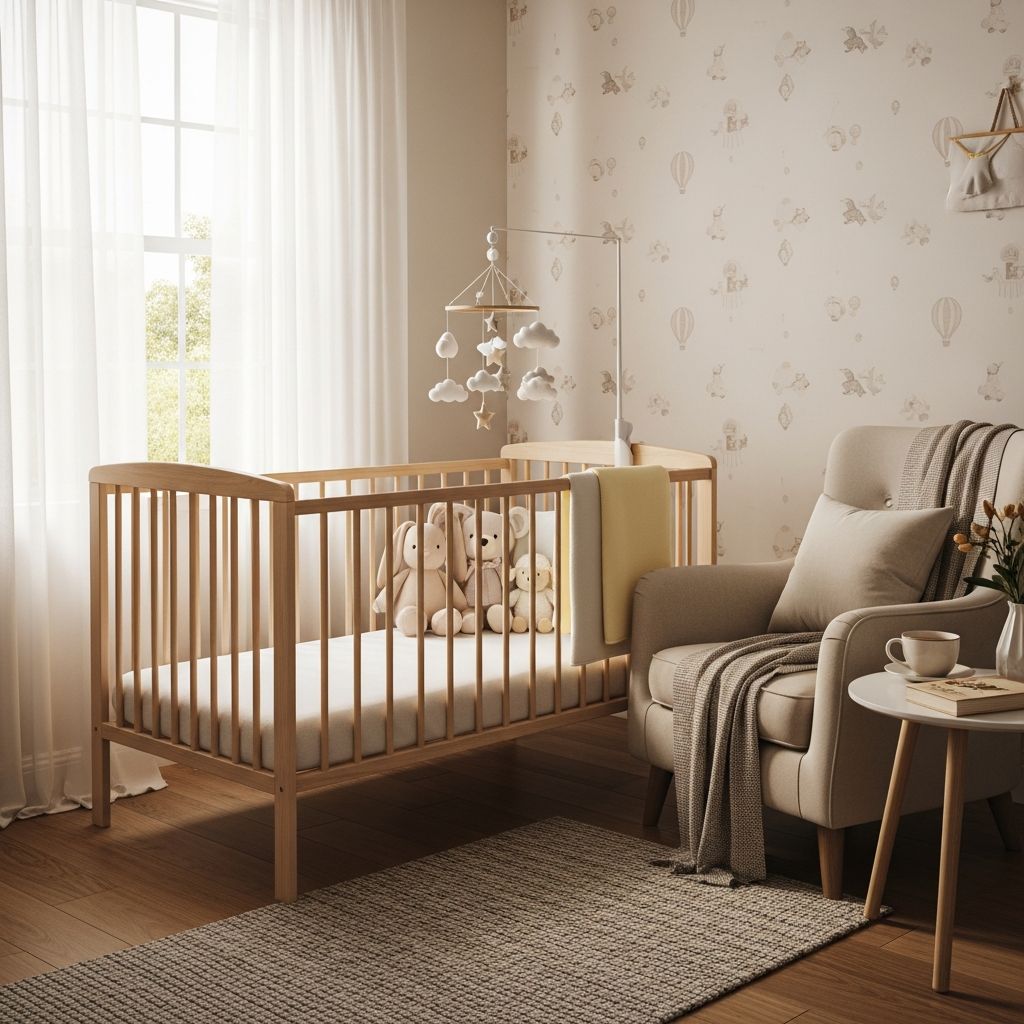
The nursery serves as your baby’s primary haven, so prioritize safety and functionality. Select a room that’s quiet, well-ventilated, and close to your bedroom for easy nighttime access. Use soft, neutral colors on walls to promote calmness, and install blackout curtains to regulate light for better sleep cycles.
Essential furniture includes:
- Crib or Bassinet: Opt for models meeting current safety standards, such as firm mattresses and slatted sides no more than 2.375 inches apart. A bassinet is ideal for the first six months due to its portability and proximity to parents’ beds.
- Changing Station: A padded table at waist height reduces back strain. Include nearby storage for wipes, diapers, and creams.
- Rocking Chair or Glider: Perfect for feeding and soothing, with a footrest for comfort during long sessions.
- Storage Solutions: Dressers or bins keep clothes and toys organized, preventing clutter.
Before assembly, inspect all items for sharp edges or loose parts. A baby monitor with audio and video capabilities allows remote checking without constant entry.
Stocking Up on Clothing and Bedding Basics
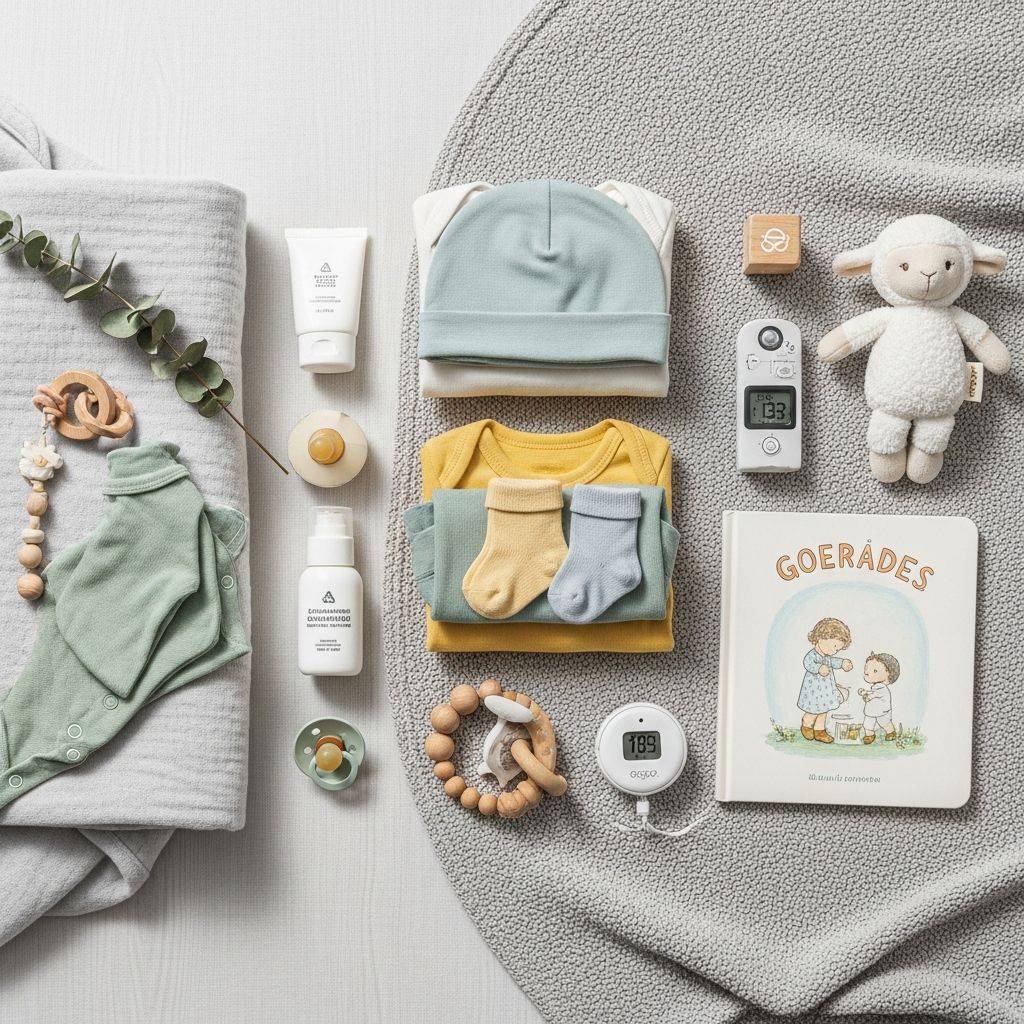
Newborns grow rapidly, so focus on practical, soft fabrics like cotton. Aim for 7-10 outfits in newborn and 0-3 month sizes to cover spit-ups and accidents.
| Item | Quantity | Purpose |
|---|---|---|
| Onesies (short and long-sleeved) | 7-10 | Daily layering for temperature control |
| Sleepers with zippers | 5-7 | Easy nighttime changes |
| Swaddles or Sleep Sacks | 4-6 | Safe sleep alternative to loose blankets |
| Socks, Mittens, Hats | Multiple pairs | Protect extremities and prevent scratches |
| Receiving Blankets | 4-6 | Swaddling, burping, or stroller use |
For bedding, use fitted sheets only—no pillows, quilts, or toys in the sleep area to minimize SIDS risk. Wash everything in hypoallergenic detergent before first use.
Feeding Your Newborn: Setup and Supplies
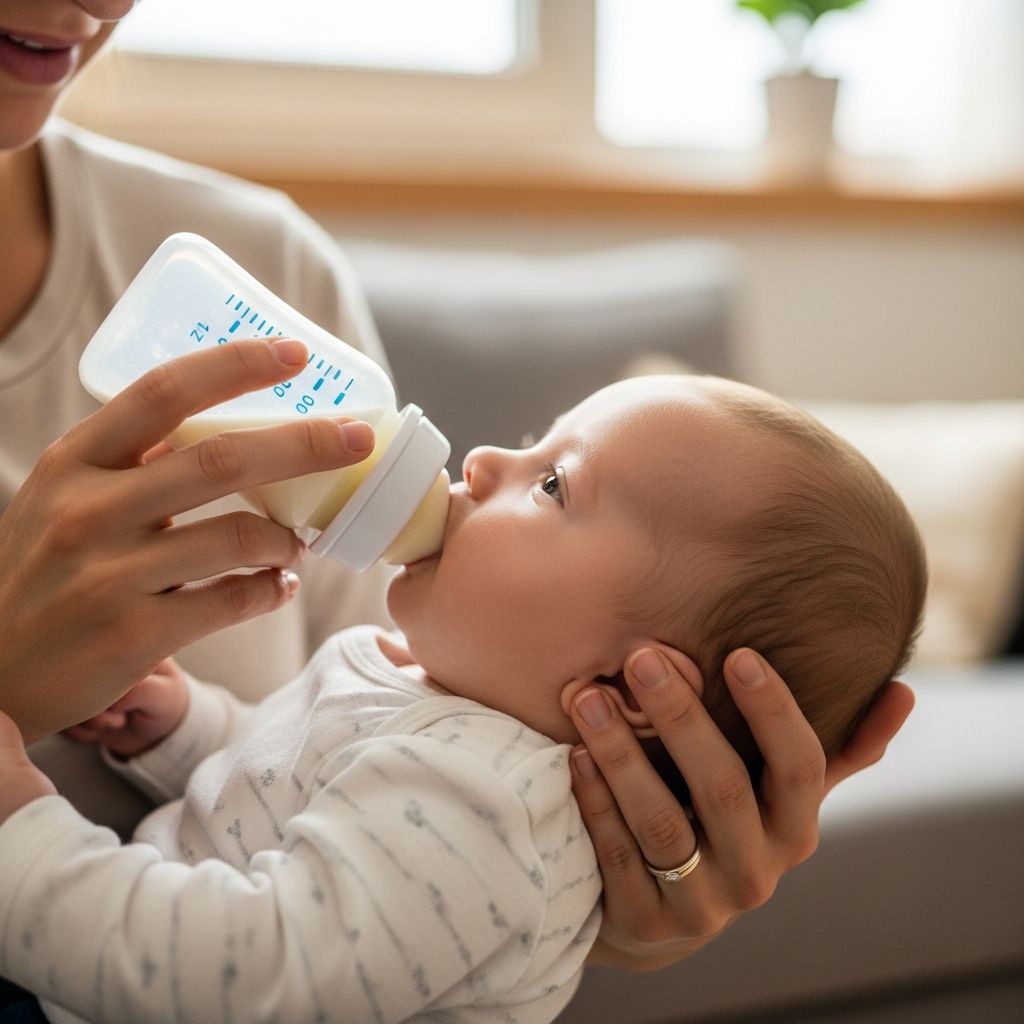
Whether breastfeeding, formula-feeding, or both, a dedicated feeding zone streamlines the process. Place a comfortable chair near an outlet for pumps, with side tables for water and snacks.
- Breastfeeding: Nursing pillow, breast pads, lanolin cream, and a pump with storage bags.
- Formula or Bottle-Feeding: Bottles, nipples, formula, sterilizer, and burp cloths (10-15).
Prepare by freezing meals ahead; newborns feed every 2-3 hours, leaving little cooking time. A soft lamp aids night feeds without disrupting sleep.
Diapering and Hygiene Essentials
Newborns use 8-12 diapers daily, so stock 2-3 packs of newborn size. Choose fragrance-free wipes and a barrier cream to prevent rashes.
Set up a changing area with:
- Waterproof pad and covers
- Diaper pail for odor control
- Hand sanitizer nearby
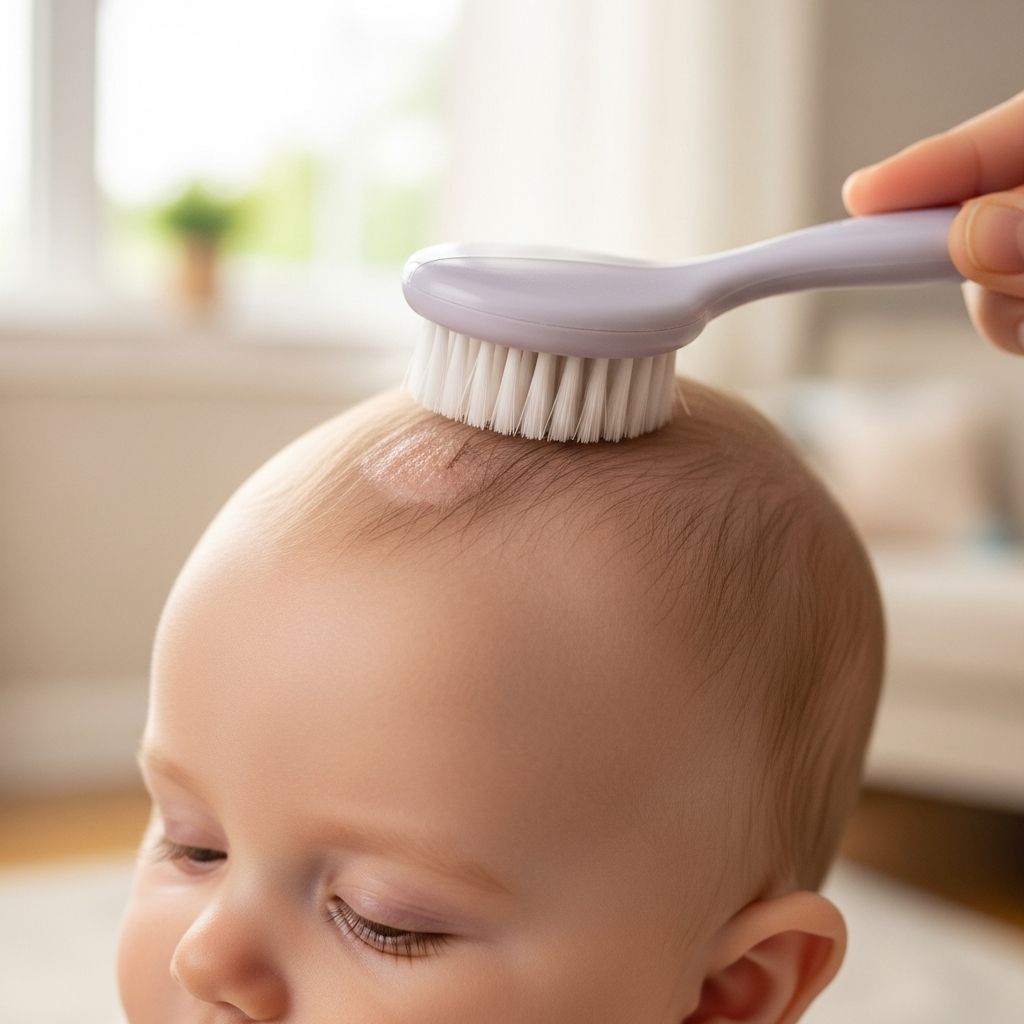
For bathing, a sink insert or small tub works until the umbilical cord heals. Stock hooded towels, soft washcloths, mild soap, and lotion. Trim nails with baby clippers and keep a nasal aspirator for congestion.
Transportation and Outdoor Gear
A rear-facing car seat is mandatory; install it properly and have it inspected. Hospitals won’t discharge without one.
Other mobility items:
- Stroller or pram compatible with the car seat
- Baby carrier or sling for hands-free carrying
- Diaper bag with changing mat, extras, and your essentials
Health, Safety, and Home Proofing
Baby-proof early: Secure furniture to walls, cover outlets, tuck cords, and install gates at stairs. Keep a first-aid kit with thermometer, bandages, and petroleum jelly.
Compile emergency contacts: Pediatrician, poison control, family support. Carbon monoxide and smoke detectors are crucial.
Daily Routines and Parental Self-Care
Establish gentle routines for sleep, feed, play. Skin-to-skin contact builds bonds. Accept help—stock easy meals and rest when baby sleeps.
Emotional prep: Join parent groups for support. Track milestones loosely; focus on responsiveness.
Frequently Asked Questions (FAQs)
What’s the safest sleep setup for a newborn?
Room-share in a bassinet or crib with a firm mattress and no soft bedding for the first 6-12 months.
How many diapers will I need daily?
Expect 10-12 for newborns; stock accordingly and consider both disposable and cloth options.
Do I need all new items?
No—borrow or buy second-hand safely checked gear to save costs.
When should I baby-proof the home?
Start now, even before mobility, and update as baby grows.
What if I’m overwhelmed?
It’s normal; reach out to healthcare providers or support networks early.
References
- Preparing your home for when your baby arrives — Pregnancy Birth & Baby. 2023. https://www.pregnancybirthbaby.org.au/what-you-will-need-for-baby
- The Expecting Parent’s Checklist: Preparing for Baby — Beittel Becker. 2024. https://www.beittelbecker.com/blog/the-expecting-parent-s-checklist-preparing-for-baby
- The Ultimate Checklist for Preparing Your Home for a New Baby — Helping Mamas Tennessee. 2024-12-09. https://tennessee.helpingmamas.org/2024/12/09/the-ultimate-checklist-for-preparing-your-home-for-a-new-baby/
- First Day Checklist: 7 Things You Need When Bringing Baby Home — Kinsa Health. 2023. https://home.kinsahealth.com/post/7-things-you-need-when-bringing-baby-home
- The Comprehensive Baby Checklist: Newborn Essentials — Sandy Springs Pediatrics. 2024. https://sandyspringspediatrics.com/the-comprehensive-baby-checklist-newborn-essentials/
- Nursery Checklist — Taking Cara Babies. 2024. https://www.takingcarababies.com/blogs/pregnancy/nursery-checklist
- Baby Checklist — American Pregnancy Association. 2024. https://americanpregnancy.org/healthy-pregnancy/first-year-of-life/baby-checklist/