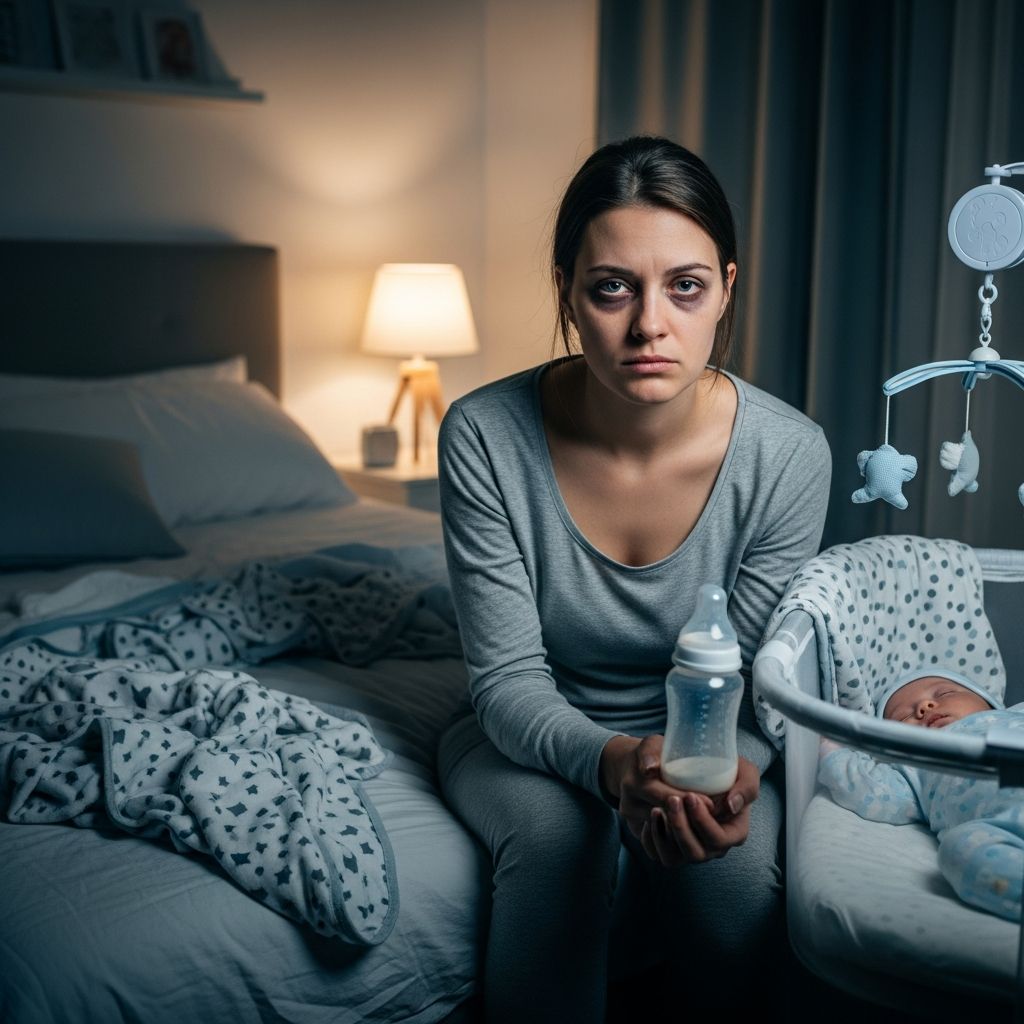
New mothers face profound sleep deficits in the first year after birth, often totaling around 700 hours of lost rest, equivalent to 44 full nights. This exhaustion impacts physical recovery, mental health, and infant bonding, but targeted strategies can restore balance and vitality.
The Hidden Toll of Postpartum Sleep Loss
Sleep deprivation defines early motherhood, driven by frequent night feedings, cluster feeding, and unpredictable baby schedules. Research shows mothers average far less than the recommended 7-9 hours nightly, leading to chronic fatigue that hampers daily functioning.
Physically, it delays healing from delivery, weakens immunity, and elevates risks for conditions like postpartum depression. Mentally, persistent tiredness fosters irritability, anxiety, and cognitive fog, making even routine tasks overwhelming. Emotionally, it strains parent-infant connections, as exhausted caregivers struggle with responsiveness.
- Daytime sleepiness: Constant need for caffeine, zoning out during activities.
- Mood instability: Heightened irritability, tearfulness, or detachment.
- Health signals: Frequent illnesses, headaches, or slowed recovery from birth.
Early recognition prevents escalation; experts urge prioritizing rest as a non-negotiable health pillar.
Reframing Rest: Realistic Expectations for Recovery
Traditional 8-hour sleep blocks are unrealistic postpartum. Shift focus to intentional micro-rests—short, purposeful pauses that recharge the body and mind. Experts like postpartum specialists emphasize quality over quantity, noting even 10-20 minute intervals lower stress hormones and sharpen focus.
Key mindset shift: View rest as healing medicine, not luxury. When baby naps, resist chores; lie down instead. Track small wins, like a 15-minute eyes-closed break, to build momentum toward sustained energy.
| Myth | Reality |
|---|---|
| Need 8 straight hours | Micro-naps restore nearly as much |
| Chores first | Rest trumps tasks for long-term productivity |
| Sleep fixes everything instantly | Consistent short rests compound benefits |
Daily Habits to Maximize Every Minute of Rest
Integrate proven routines to enhance sleep efficiency amid chaos.
Sleep When Baby Sleeps—Unapologetically
This classic advice holds: align your rest with baby’s cycles. Dim lights, silence notifications, and surrender to slumber. Parents report 2-3 hour protected blocks dramatically reduce cumulative debt.
Movement as a Sleep Amplifier
Gentle activity, like stroller walks, boosts nighttime sleep depth without exhaustion. Therapists note it regulates circadian rhythms, countering daytime lethargy. Aim for 20-30 minutes outdoors daily.
Evening Wind-Down Rituals
Counter anticipatory dread with calming pre-bed sequences: deep breathing, herbal tea, or 5-minute meditation. Limit screens 1 hour prior; cool, dark rooms signal safety to your nervous system.
- Deep diaphragmatic breaths: Inhale 4 counts, hold 4, exhale 6.
- Progressive muscle relaxation: Tense-release from toes to head.
- Gratitude journaling: Note 3 daily positives to rewire stress responses.
Leveraging Your Support Network Effectively
No one thrives solo. Partners, family, and friends provide lifelines through targeted help.
Partner Strategies: Divide nights into shifts (e.g., 9pm-1am, 1am-6am) for 4+ hour uninterrupted stretches. Handle all non-feeding duties during your rest window.
Family/Friend Gifts: Practical offers beat baby clothes.
- Baby break: 1-2 hours of solo infant care for your nap.
- Meal prep or grocery runs to eliminate cooking.
- Household blitz: Laundry, cleaning, sibling outings.
- Errand proxy: Postpartum supplies without you leaving home.
Communicate needs clearly: ‘A 90-minute nap while you walk the baby would transform my week.’
Breastfeeding Without Sacrificing Sleep
Nursing demands frequent wakes, but adaptations preserve maternal rest.
Pumping for Flexibility
Build a freezer stash for bottle feeds by partners, enabling 4-6 hour sleep gaps. Lactation experts recommend consulting pros for efficient routines.
Side-Lying Feeds
Master this position to doze semi-reclined during sessions, minimizing full arousal. Combine with co-sleeping safety (firm mattress, no pillows).
Cluster Feeding Hacks
Anticipate evenings; power-nap afternoons. Supplement with donor milk if supply stabilizes.
Optimizing Your Sleep Environment and Routine
Baby’s needs fluctuate, but your setup can adapt.
- Crib proximity: Bassinet bedside cuts middle-of-night travel.
- Caffeine cutoff: None after noon to protect fragile sleep cycles.
- Consistent cues: Blackout curtains, white noise, 65-68°F room temp.
- Say no to visitors: Delay guests until routines solidify, prioritizing rest.
Weekend catch-up: Extend mornings with help for deeper recovery sleep.
Warning Signs: When to Seek Professional Help
Sleep issues can signal deeper problems. Monitor for:
- Persistent insomnia despite strategies (difficulty falling/staying asleep).
- Symptoms of postpartum depression: hopelessness, withdrawal, intrusive thoughts.
- Extreme fatigue impairing baby care or driving safety.
Cognitive-behavioral therapy for insomnia (CBT-I) offers drug-free relief, proven effective postpartum. Consult OB-GYN or pediatrician promptly; early intervention slashes depression risk.
Long-Term Roadmap to Sustained Energy
As baby grows, evolve habits:
- Weeks 1-6: Micro-rests, partner shifts.
- Months 2-4: Introduce routines, pump strategically.
- Month 6+: Sleep training basics, reclaim nights.
Balanced nutrition, hydration, and gentle exercise (post-clearance) amplify gains. Track progress weekly to celebrate improvements.
Frequently Asked Questions
Can new moms really get 6+ hours of sleep?
Yes, via shifts and pumping; aim for one consolidated block nightly.
What if my partner works nights?
Enlist daytime help from family; nap early evenings and use weekends for recovery.
Is it safe to co-sleep for better rest?
Follow AAP guidelines: firm surface, no soft bedding, sober caregivers.
How soon should I worry about depression?
If sleep strategies fail after 2 weeks or mood plummets, contact a provider immediately.
Does exercise worsen fatigue?
No—light movement enhances sleep quality; start with 10-minute walks.
References
- How Can New Moms Cope with Sleep Deprivation? — DFWChild. 2023. https://dfwchild.com/how-can-new-moms-cope-with-sleep-deprivation/
- How to Survive Sleep Deprivation as a New Parent — The Bump. 2023. https://www.thebump.com/a/sleep-deprivation-new-parents
- Surviving the Sleepless Nights: Expert Tips to Help New Moms Prioritize Rest — Atrium Health. 2025-02-14. https://atriumhealth.org/dailydose/2025/02/14/surviving-the-sleepless-nights-expert-tips-to-help-new-moms-prioritize-rest-while-caring-for-baby
- 7 Ways to Manage New-Parent Sleep Deprivation — Gerber. 2023. https://www.gerber.com/parenttalk/sleep-deprivation-and-mental-health
- Insomnia and Postpartum Depression: Sleep Tips for New Moms — Michigan Medicine. 2023. https://www.michiganmedicine.org/health-lab/insomnia-and-postpartum-depression-when-new-moms-sleep-loss-turns-perilous
- Understanding Sleep Deprivation and New Parenthood — Sleep Foundation. 2023. https://www.sleepfoundation.org/sleep-deprivation/parents
- New Parents: Tips for Quality Rest — Johns Hopkins Medicine. 2023. https://www.hopkinsmedicine.org/health/wellness-and-prevention/new-parents-tips-for-quality-rest
- For Sleep-Deprived New Parents, These “Gifts” Can Be Priceless — HealthyChildren.org (AAP). 2023. https://www.healthychildren.org/English/ages-stages/baby/sleep/Pages/for-sleep-deprived-new-parents-these-gifts-can-be-priceless.aspx