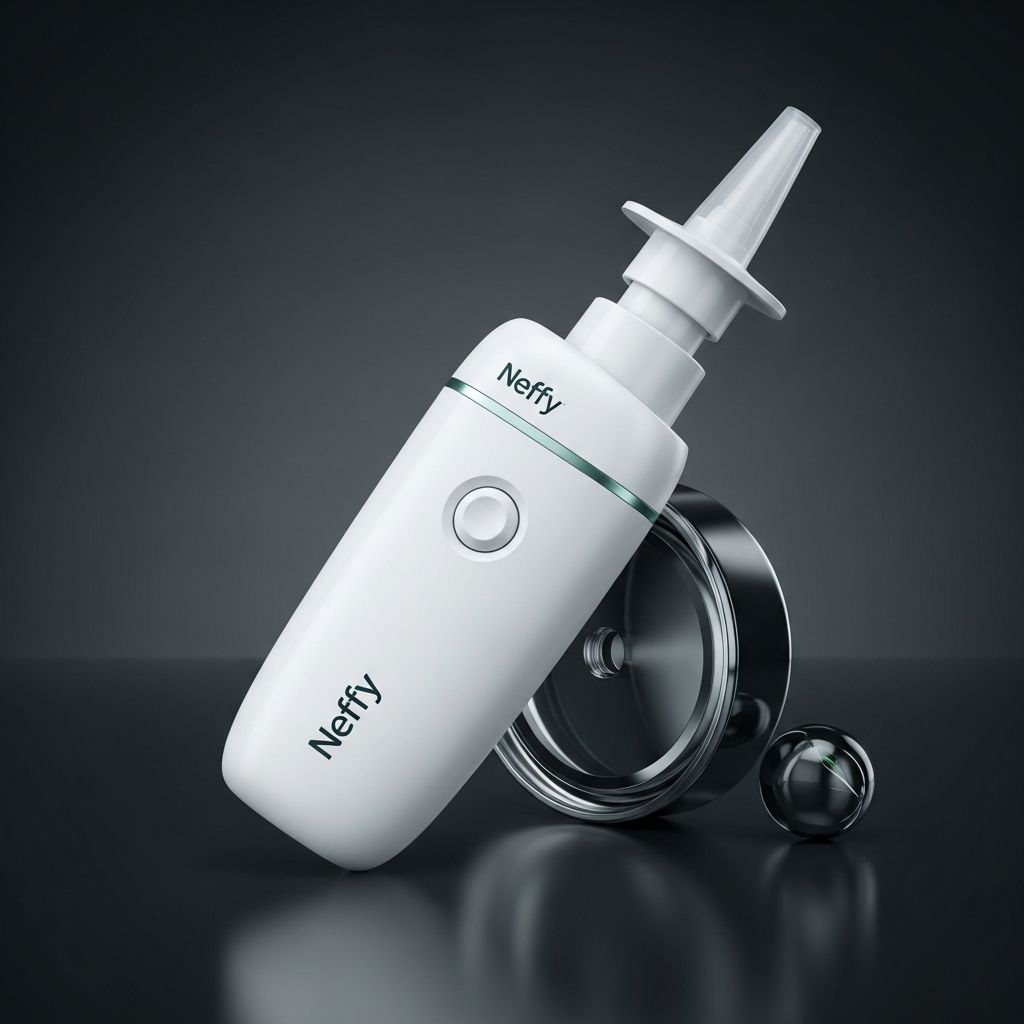
The introduction of Neffy marks a pivotal advancement in emergency allergy management. This epinephrine nasal spray, approved by the U.S. Food and Drug Administration, provides a needle-free method to deliver life-saving treatment for severe allergic reactions, including anaphylaxis, particularly benefiting those who fear injections.
Understanding Anaphylaxis and the Critical Role of Epinephrine
Anaphylaxis represents a rapid, potentially fatal immune response triggered by allergens such as foods, insect stings, or medications. Symptoms emerge swiftly—often within minutes—and encompass hives, widespread swelling, respiratory distress, gastrointestinal upset, and hypotension, demanding immediate intervention.
Epinephrine remains the cornerstone therapy, counteracting these effects by relaxing airway muscles, bolstering blood pressure, and curbing further histamine release. Historically confined to intramuscular injections via auto-injectors like EpiPen, access has been hindered by needle phobia, especially among pediatric populations, leading to treatment delays.
FDA Approval Milestones for Neffy
In August 2024, the FDA greenlit the 2 mg Neffy formulation for adults and children weighing at least 30 kg (66 lbs), fulfilling a Fast Track designation for addressing unmet needs in anaphylaxis care.
Building on this, March 2025 saw approval of the 1 mg version for younger children aged 4+ and weighing 15-30 kg (33-66 lbs), broadening accessibility. By May 2025, this pediatric dose became prescription-available, including via school stock programs like neffy in Schools.
- August 2024: 2 mg dose for ≥30 kg patients.
- March 2025: 1 mg dose for 15-30 kg children.
- Fast Track: Expedited due to injection barriers.
How Neffy Works: Mechanism and Administration
Neffy delivers epinephrine intranasally, where it transiently widens nasal epithelial gaps for swift systemic absorption, mirroring injection pharmacokinetics. Administer by tilting the head back 30 degrees, inserting the nozzle into one nostril, and pressing firmly—simple even in high-stress scenarios.
A two-pack supplies initial and potential second doses, administered in the same nostril if needed after 5 minutes. This contrasts with auto-injectors requiring thigh injection, often daunting for bystanders.
| Feature | Neffy Nasal Spray | Traditional Auto-Injectors |
|---|---|---|
| Dosing Method | Intranasal spray | Intramuscular injection |
| Patient Weight (Initial Approval) | ≥30 kg (2 mg) | Varies, including lower weights |
| Pediatric Expansion | 15-30 kg (1 mg, 2025) | Available for smaller children |
| Barrier Reduction | No needles; easier use | Needle phobia common |
Clinical Evidence Supporting Neffy’s Efficacy
FDA approval stemmed from four pharmacokinetic trials with 175 healthy adults, demonstrating Neffy’s blood epinephrine levels equivalent to approved injectables. Additional pediatric data confirmed consistency across age groups.
ARS Pharmaceuticals’ 2024 study, presented at the AAAAI meeting, compared Neffy under normal and allergen-challenged nasal conditions, revealing superior repeat-dose exposure versus bilateral nostril use or injections. Nitrosamine testing confirmed purity.
Even with mild rhinitis, absorption remained reliable, though severe nasal obstructions warrant caution.
Who Qualifies for Neffy and Usage Guidelines
Suitable for Type I allergic reactions in eligible weights, Neffy joins injectables as first-line therapy. Prescribe two-packs; train users via device trainer. Post-administration, seek emergency care regardless of symptom resolution.
- Weigh patient: 15-30 kg uses 1 mg; ≥30 kg uses 2 mg.
- First dose: One spray per nostril if directed, but same nostril preferred for repeats.
- Contraindications: Consult for nasal polyps, surgery history, or sulfite allergies.
Potential Side Effects and Safety Profile
Neffy’s adverse events largely stem from epinephrine’s systemic effects: nasal/throat irritation, headache, tremor, dizziness, nausea, and rhinorrhea top the list. These are typically transient and comparable to injectables.
Warnings highlight absorption risks in nasal pathology; injectable alternatives recommended. Cardiovascular patients require physician oversight due to epinephrine’s stimulatory nature.
Overcoming Barriers: Impact on Patients and Caregivers
Needle aversion delays treatment in up to 20% of cases, per expert insights; Neffy mitigates this, potentially saving lives. Parents report relief over injection training, while schools gain stock options.
As of 2026, adoption grows, with ARS expanding distribution. Cost and insurance mirroring injectables enhance equity.
Availability, Cost, and Prescription Access
Prescription-only from ARS Pharmaceuticals, Neffy retails comparably to EpiPen, with copay assistance programs. neffy in Schools equips educational settings with undesignated stock.
Future Directions in Allergy Emergency Care
Neffy’s success spurs research into refined formulations, smaller doses, and combination therapies. Ongoing trials explore real-world anaphylaxis outcomes, promising refined guidelines.
Integration into protocols emphasizes dual carriage: nasal and injectable for comprehensive preparedness.
Frequently Asked Questions (FAQs)
Is Neffy suitable for all anaphylaxis patients?
Neffy is approved for patients ≥15 kg with appropriate dosing. Those with nasal issues may need injectables.
How does Neffy compare to EpiPen in effectiveness?
Pharmacokinetic studies show equivalent epinephrine delivery.
Can Neffy be used in schools?
Yes, via the neffy in Schools program for stock epinephrine.
What if symptoms persist after Neffy?
Administer second dose after 5 minutes and proceed to ER.
Does insurance cover Neffy?
Most plans do, akin to injectables; check copay support.
References
- FDA Approves First Nasal Spray for Treatment of Anaphylaxis — U.S. Food and Drug Administration. 2024-08-09. https://www.fda.gov/news-events/press-announcements/fda-approves-first-nasal-spray-treatment-anaphylaxis
- FDA Approves Neffy (Epinephrine) Nasal Spray — GoodRx. 2024-08. https://www.goodrx.com/neffy/fda-approval
- Epinephrine Nasal Spray to Treat Anaphylaxis is Now Available — Allergy Asthma Network. 2025. https://allergyasthmanetwork.org/news/epinephrine-nasal-spray-for-anaphylaxis/
- FDA Fast-Tracks First Nasal Spray for Allergic Reactions, Anaphylaxis — JAMA. 2024-10-01. https://jamanetwork.com/journals/jama/fullarticle/2823585
- 5 Things to Know About neffy, the New Nasal Spray for Anaphylaxis — Yale Medicine. 2024. https://www.yalemedicine.org/news/5-things-to-know-about-neffy-the-new-nasal-spray-for-anaphylaxis