Necrotizing enterocolitis (NEC) is a serious intestinal condition that mainly affects premature and medically fragile newborns. It can be frightening to hear this diagnosis, but understanding what is happening and how doctors treat it can help parents feel more informed and better able to support their baby.
What Is Necrotizing Enterocolitis?
Necrotizing enterocolitis is an inflammatory disease of the intestines in which sections of the bowel become injured and may start to die. As the bowel wall weakens, bacteria can pass through it, leading to infection inside the abdomen and sometimes throughout the body.
NEC most often affects babies who are born too early or who are already very sick, but it can occasionally occur in full-term newborns as well. It usually appears after feedings have been started, rather than right at birth.
Why NEC Happens: Key Risk Factors
The exact cause of NEC is not fully understood, but experts believe several factors work together to trigger the disease. These often relate to the immaturity of a premature baby’s organs and immune system.
Common risk factors and contributing elements include:
- Prematurity: Babies born early have underdeveloped intestines that are more easily damaged and less able to fight infection.
- Formula feeding: Some research suggests that babies who receive little or no human milk may have a higher risk, possibly because breast milk supports healthy gut bacteria and immunity.
- Decreased blood flow to the gut: Illness, infection, or birth complications can reduce blood supply to the intestines, making the tissue more vulnerable to injury.
- Imbalance of gut bacteria: Harmful bacteria or an overgrowth of certain microbes can trigger inflammation in sensitive bowel tissue.
- Other medical problems: Conditions such as heart defects, severe infection, or low oxygen levels may raise the chance of NEC.
Early Warning Signs Parents May Hear About
NEC can start subtly and then progress quickly. In the NICU, nurses and doctors watch closely for small changes that may be early signs of intestinal trouble.
Babies with NEC may show:
- A swollen or firm belly that may feel tight to the touch
- Discoloration of the skin on the abdomen, such as red, bluish, or gray patches
- Feeding problems, including difficulty tolerating feedings or milk remaining in the stomach longer than expected
- Changes in stool, such as diarrhea, very dark stools, or visible blood
- Vomiting, sometimes green from bile
- Low energy, unusual sleepiness, or reduced activity
- Unstable temperature (too low or swinging up and down)
- Breathing pauses (apnea), slow heart rate, or low blood pressure
Many of these signs can also occur in other illnesses, which is why continuous monitoring in the NICU is so important. When several signs appear together, the medical team will quickly evaluate for NEC.
How Doctors Diagnose NEC
Diagnosis combines physical examination, imaging tests, and blood work. The care team first examines the baby’s abdomen, looking for swelling, tenderness, or changes in skin color.
In addition, doctors may order:
- Abdominal X-rays: These can show gas in the wall of the intestine, abnormal bowel loops, or air in the abdominal cavity, which are hallmark clues for NEC.
- Blood tests: These help assess infection, inflammation, electrolyte balance, and overall stability.
- Stool testing: Checking for hidden (occult) blood or other abnormalities in the stool.
Results from these evaluations help determine whether the baby has NEC, how severe it is, and whether surgery may be needed.
Medical vs. Surgical NEC: Levels of Severity
Doctors sometimes describe NEC based on how advanced it is. At milder stages, treatment focuses on rest and medicine. At more severe stages, parts of the bowel may be badly damaged and require surgery.
| Aspect | Milder / Early NEC | Severe / Advanced NEC |
|---|---|---|
| Baby’s overall condition | Moderately ill but often stable with treatment | Very sick, may need breathing and blood pressure support |
| Abdominal findings | Some swelling, feeding intolerance | Marked swelling, tense belly, possible skin redness |
| X-ray findings | Changes in bowel gas patterns, gas in bowel wall | Possible air outside the bowel or in the abdomen, suggesting perforation |
| Treatment approach | Medical treatment alone is often enough | Often requires surgical evaluation and possible operation |
First Steps in Treatment
Once NEC is suspected, treatment begins right away to limit further injury and control infection. The central goal is to give the intestines time to rest and heal while supporting the baby’s overall health.
Initial management usually includes:
- Stopping all feedings: Milk or formula is paused so that food no longer passes through the inflamed intestines.
- Stomach drainage: A thin tube is placed through the nose or mouth into the stomach to remove air and fluid, relieving pressure in the gut.
- IV fluids and nutrition: Fluids, sugar, electrolytes, and sometimes complete nutrition are given through a vein to keep the baby hydrated and nourished.
- Antibiotics: Broad-spectrum antibiotics are started to treat or prevent serious infection.
- Close monitoring: Frequent exams, X-rays, and lab tests track how the baby is responding.
When Surgery Is Needed
Not all babies with NEC need an operation, but surgery becomes necessary if parts of the intestine are severely damaged or if the bowel has developed a hole (perforation). These complications allow intestinal contents to leak into the abdomen, causing life-threatening infection.
During surgery, a pediatric surgeon may:
- Remove sections of intestine that are dead or beyond repair.
- Wash out the abdominal cavity to reduce infection.
- Create a temporary ostomy, bringing the healthy end of the intestine to an opening on the baby’s belly so that stool empties into a small bag.
After the baby recovers and inflammation subsides, a second surgery is often planned to reconnect the bowel so that stool can pass normally again.
Life in the NICU During NEC Treatment
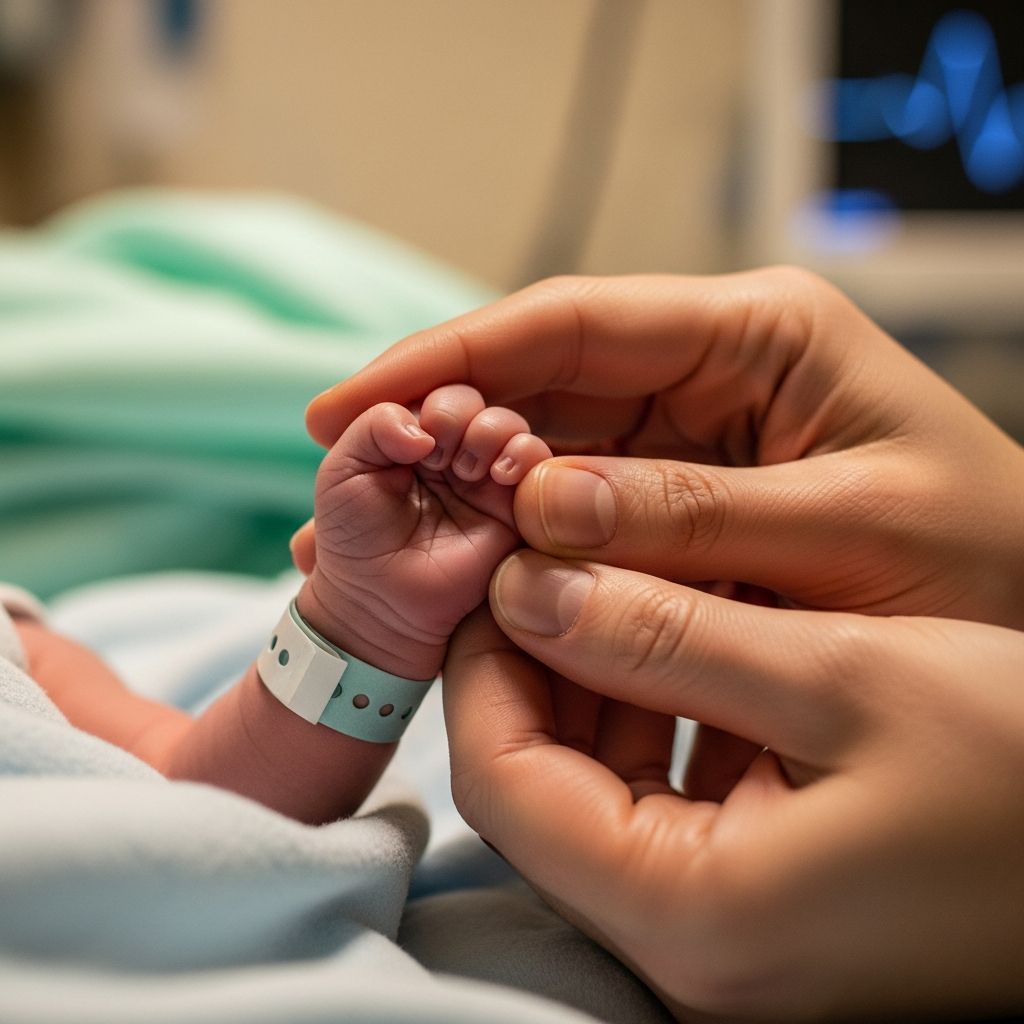
NEC almost always occurs while a baby is already in a neonatal intensive care unit (NICU). Parents often feel helpless watching monitors and machines, but they remain a vital part of the care team.
Even when a baby is very ill, parents can often:
- Participate in gentle touch or hand-holding, as allowed by staff.
- Provide breast milk if possible, which can be frozen and used when feedings restart.
- Talk, sing softly, or read to the baby if the baby is stable enough, offering comforting sounds and connection.
- Ask questions and stay informed about daily changes in treatment and test results.
Recovery and Possible Long-Term Effects
Many babies who develop NEC and receive prompt treatment recover fully and eventually feed and grow well. Recovery time can vary widely depending on how sick the baby was and whether surgery was needed.
Some babies, particularly those who had large sections of intestine removed, may face long-term challenges, such as:
- Feeding and growth difficulties: Shortened bowel can make it harder to absorb nutrients, leading to poor weight gain.
- Short bowel syndrome: When a significant length of intestine is lost, the baby may rely on IV nutrition for a prolonged period.
- Frequent infections or hospitalizations: Ongoing medical needs may require close follow-up with specialists.
- Developmental concerns: Prematurity and serious illness together can affect overall development, making early intervention services helpful.
Over time, many children show remarkable resilience, and the remaining intestine can adapt to do more of the work of absorbing nutrients. Regular visits with pediatricians, gastroenterologists, and nutrition specialists help track progress.
Can NEC Be Prevented?
Because NEC is complex and not fully understood, it cannot always be prevented. However, NICUs use several strategies that appear to reduce risk and support intestinal health in premature babies.
Protective approaches may include:
- Human milk feeding: Using the mother’s own milk whenever possible, or donor milk if needed, because it contains antibodies and factors that support a healthy gut.
- Careful advancement of feeds: Increasing feeding volumes slowly while watching for any signs of intolerance.
- Strict infection-control practices: Hand hygiene, equipment cleaning, and other measures to limit the spread of harmful germs.
- Thoughtful use of medications and blood transfusions: Adjusting care plans to reduce sudden changes in blood flow or stress on the intestines when possible.
Parents can support prevention efforts by providing breast milk if they are able, following hand-washing instructions carefully, and staying engaged with the NICU team about their baby’s feeding plan.
Emotional Support for Families
NEC is not just a medical crisis; it is also an emotional one. Parents may feel guilt, fear, anger, or numbness. It is important to remember that NEC is not caused by anything a parent did or did not do.
Helpful sources of support include:
- Social workers or psychologists who specialize in NICU families.
- Parent-to-parent support groups, either in the hospital or online.
- Chaplains or spiritual care providers, if faith or spirituality is important to the family.
- Trusted friends and relatives who can help with meals, child care for siblings, or simply listening.
Frequently Asked Questions About NEC
Is NEC contagious?
NEC itself is not considered a contagious illness like a cold or the flu. It develops because of a combination of factors inside the baby’s body, such as immature intestines, blood flow issues, and the types of bacteria in the gut. However, because infections can play a role, NICUs maintain strict hygiene standards to protect all babies.
How long will my baby need to stop feedings?
The length of time without feedings depends on the severity of the disease and how the baby responds to treatment. Some babies may resume small feedings after a week or two, while others may need a longer period of bowel rest, especially after surgery. The medical team will increase feeds carefully and slowly to avoid stressing the healing intestine.
Will my baby always have digestive problems?
Many babies who have had NEC go on to eat and grow normally, especially if only a small portion of the intestine was affected. When larger sections are removed, long-term digestive issues become more likely, but early nutritional support and specialized care can make a big difference. The outlook is very individual and is best discussed with the child’s care team.
Can NEC happen again?
Recurrent NEC is uncommon but can occur, particularly if there is still injured or vulnerable bowel tissue. For this reason, feedings are reintroduced very cautiously and the baby continues to be watched closely even after apparent recovery. Parents should report any new concerns or changes in feeding tolerance promptly.
What questions should I ask my baby’s doctors?
Parents have the right to clear, honest information about their baby’s condition. Helpful questions might include:
- How severe is the NEC in my baby’s case?
- What treatments are being used right now, and why?
- Does my baby need surgery, or is surgery being considered?
- How will we know when it is safe to restart feedings?
- What signs should I watch for that might mean the NEC is getting worse?
Key Takeaways for Parents
Necrotizing enterocolitis is a serious but treatable disease of the intestines that mainly affects premature and fragile newborns. Early recognition, rapid treatment, and coordinated care in the NICU give babies the best chance for recovery.
Parents play a vital role, from providing human milk and participating in daily care to seeking emotional support and asking questions. With time, information, and support, many families emerge from the NEC journey with a stronger understanding of their baby’s needs and a deep appreciation for the resilience of tiny bodies and big hearts.