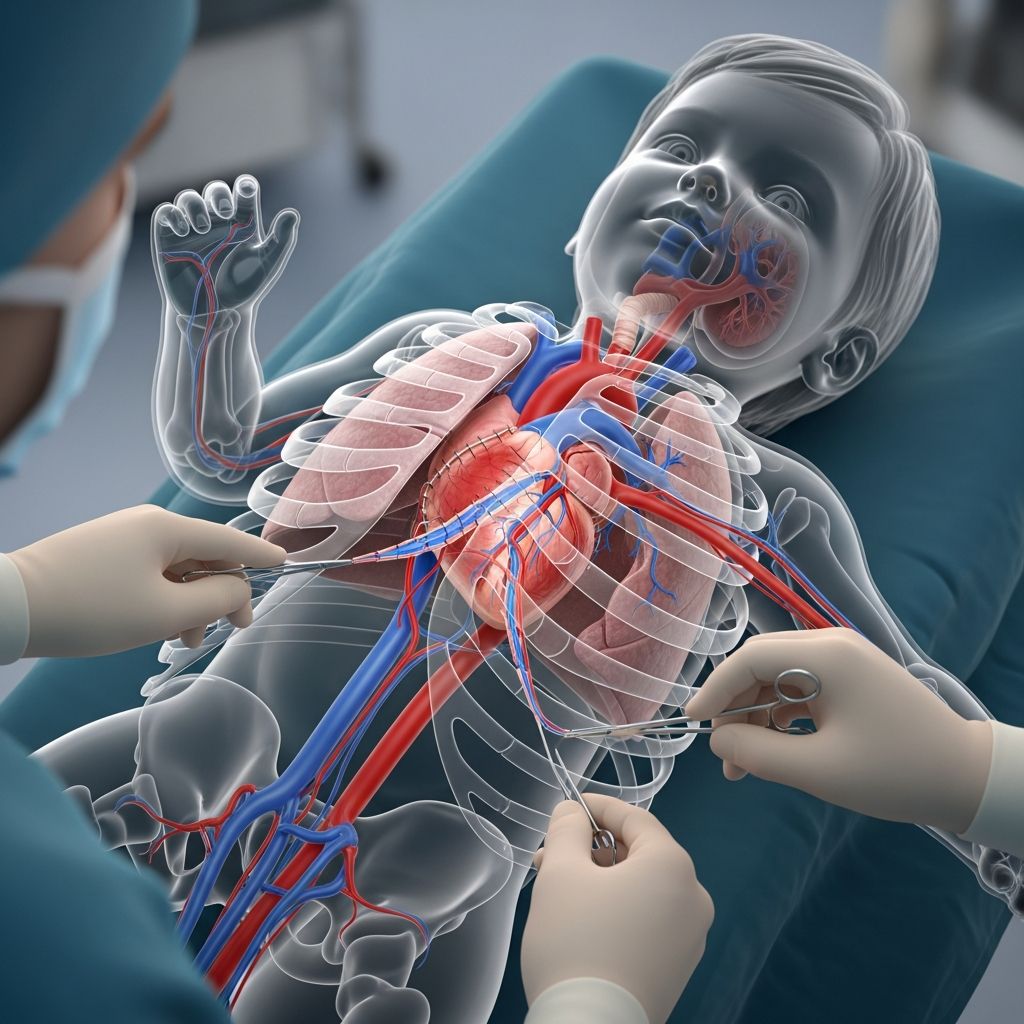
The Neonatal Intensive Care Unit (NICU) represents a critical lifeline for premature or medically fragile newborns, but for parents, it often feels like an emotional whirlwind. Thousands of families each year navigate this high-stakes environment, where advanced medical care meets profound uncertainty. This article delves into the realities of NICU life, drawing from personal accounts, medical insights, and support strategies to empower parents facing similar paths.
Understanding the NICU Environment
The NICU is a specialized hospital unit equipped with incubators, ventilators, and monitoring devices designed to support infants who cannot survive outside a controlled setting. Babies may arrive here due to prematurity, low birth weight, respiratory distress, or congenital issues. According to the March of Dimes, approximately 10% of U.S. births are preterm, with many requiring NICU admission.
Daily routines in the NICU involve round-the-clock monitoring, feeding tubes, and developmental therapies. Parents often describe the beeping machines and sterile atmosphere as intimidating, yet staff efforts to personalize spaces—like naming cribs or playing soft music—help foster a sense of normalcy.
- Key NICU Levels: Level I for basic care, Level II for moderate needs, Level III/IV for the most complex cases involving surgery.
- Common Conditions: Respiratory distress syndrome, jaundice, infections, and heart anomalies.
- Stay Duration: Ranges from days to months, depending on stability.
Emotional Toll on New Parents
Entering the NICU shatters the typical postpartum joy. Parents grapple with guilt, fear, and isolation, especially if separated from their baby. Studies from the American Academy of Pediatrics highlight elevated rates of anxiety and postpartum depression among NICU parents, with up to 40% experiencing significant distress.
Sleep deprivation compounds the stress, as families camp out in hospital lounges or nearby lodgings. Yet, many find resilience through small victories, like a baby’s first cry or sustained breathing without support.
| Challenge | Impact on Parents | Coping Strategy |
|---|---|---|
| Fear of the Unknown | Anxiety spikes | Daily nurse updates |
| Physical Separation | Grief-like emotions | Kangaroo care (skin-to-skin) |
| Financial Strain | Added worry | Nonprofit housing aid |
| Social Isolation | Loneliness | Parent support groups |
Celebrity Insights: Real Stories from the NICU
Public figures like actress Danielle Fishel, known from Boy Meets World, have shared raw accounts of their NICU ordeals, humanizing the experience. Fishel’s son Adler was born four weeks early with fluid in his lungs, spending 12 days across two NICUs, including Children’s Hospital Los Angeles. She described feeling terrified and exhausted but praised staff for compassionate touches, like custom signs and encouraging parental breaks.
Today, Adler thrives at nearly nine months, weighing 18 pounds with emerging teeth and constant laughter, though monitored for low bone density. Fishel emphasizes the enduring “club” of NICU parents—a compassionate network formed in crisis, where shared trauma creates instant empathy. Her story echoes many: an unexpected preterm labor at 35 weeks led to fluid issues, but gratitude for medical teams prevailed.
These narratives remind us that NICU graduates often catch up developmentally, with long-term success stories abundant.
The Power of Parent-to-Parent Connections
One of the NICU’s hidden strengths is the spontaneous community among families. Strangers become confidants, swapping tips on pumping milk, navigating insurance, or celebrating milestones. Fishel noted this bond as lifelong: “You never fully leave the NICU; you leave a part of you behind”.
Online forums and hospital groups amplify this support. Parents exchange photos of “NICU graduates,” fostering hope. Research from the National Perinatal Epidemiology Unit shows peer support reduces parental stress by 25-30%.
- Virtual meetups for remote families.
- Buddy systems pairing veterans with newcomers.
- Annual reunions celebrating survivorship.
Medical Advances Transforming NICU Care
Innovations have dramatically improved outcomes. Antenatal steroids now mature fetal lungs, reducing respiratory needs. Non-invasive ventilation like CPAP minimizes lung damage, while probiotics combat gut issues in preemies[primary source needed].
Developmental care—dim lights, low noise, and positioned cuddling—supports brain growth. Telemedicine allows remote consultations, easing family burdens.
Long-term, 85-90% of NICU infants reach typical milestones, per CDC data, though follow-ups track potential delays in vision, hearing, or motor skills.
Practical Tips for Thriving in the NICU
Navigating the NICU demands strategy:
- Advocate Actively: Ask questions, request daily huddles.
- Prioritize Self-Care: Eat, rest, exercise briefly.
- Document Progress: Photo journal for reflection.
- Seek Resources: Ronald McDonald House for lodging.
- Build Routines: Participate in cares like diapering.
Post-discharge, connect with early intervention programs for seamless transitions.
Long-Term Health and Follow-Up
After “graduation,” vigilance continues. Low bone density, as in Adler’s case, requires monitoring via DEXA scans. Common follow-ups address reflux, feeding challenges, or therapy needs.
Parental mental health remains key; therapy and support groups aid recovery. Families often report deeper bonds and heightened appreciation for life.
Frequently Asked Questions (FAQs)
What causes a baby to need the NICU?
Prematurity, infections, birth defects, or maternal conditions like preeclampsia. About 1 in 10 babies requires care.
How can parents bond with a NICU baby?
Skin-to-skin contact, talking/singing, and gentle touch during stable periods build secure attachments.
Is NICU care covered by insurance?
Often yes, but verify; nonprofits assist with gaps.
What are signs of NICU graduate success?
Weight gain, alert eyes, social smiles—tracked at checkups.
How long until a preemie catches up?
By age 2-3 for most, with interventions accelerating progress.
Resources for NICU Families
- March of Dimes: Prematurity education.
- Hand to Hold: Peer mentoring.
- Fisher House: Military family housing.
References
- Danielle Fishel Opens Up About Bond She Has With Other NICU Parents — The Bump. 2020-03-03. https://www.thebump.com/news/danielle-fishel-nicu-parents-bond
- Danielle Fishel Opens Up About Her Son’s Time in the NICU — KSAT. 2020-03-03. https://www.ksat.com/entertainment/2020/03/03/danielle-fishel-opens-up-about-her-sons-time-in-the-nicu-we-were-emotional-and-confused-exclusive/
- Danielle Fishel Celebrates Her ‘NICU Graduate’ With Sweet Instagram Post — Scary Mommy. N/A. https://www.scarymommy.com/danielle-fishel-nicu-instagram
- Foundation Helps Navy Family Care for Their NICU Baby — The Bump. N/A. https://www.thebump.com/news/nicu-fisher-house-foundation
- Danielle Fishel on the powerful way NICU parents support each other — Mother.ly. N/A. https://www.mother.ly/life/danielle-fishel-nicu-parents-support/