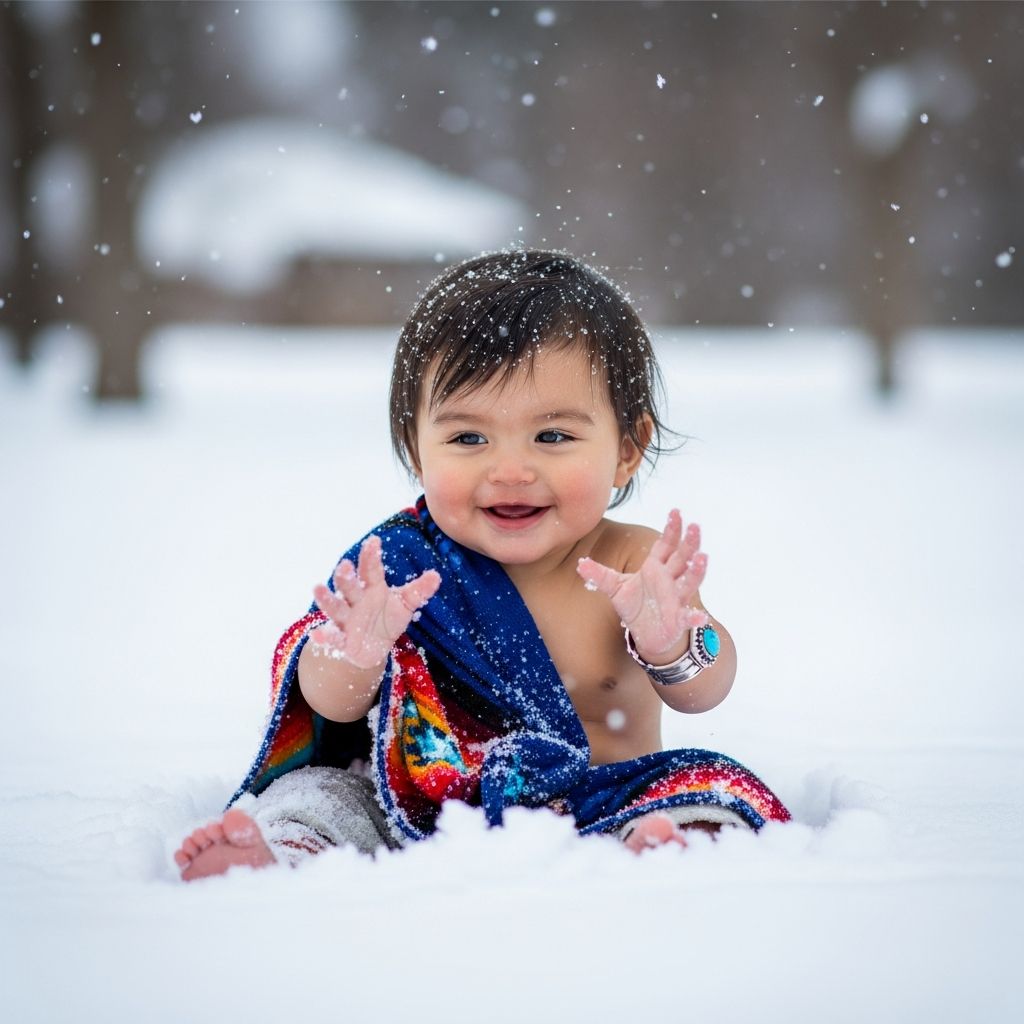
The Navajo toddler snow bath is a traditional practice in which a young child is briefly placed in snow as a way to build strength, resilience, and connection to nature within Navajo culture.
A short video of this ritual recently captured widespread attention online, sparking curiosity, admiration, and important conversations about Indigenous parenting and cultural respect.
What Is the Navajo Toddler Snow Bath?
The snow bath is a cultural practice among some Navajo families where a toddler is gently placed in or encouraged to interact with fresh snow, usually for a short period and under close supervision.
Rather than a random stunt, it is rooted in Navajo beliefs about preparing children to face challenges, stay strong, and embrace the natural world around them.
- Involves brief contact with snow, not prolonged exposure.
- Carried out by loving caregivers who stay close by.
- Deeply symbolic of strength, endurance, and balance with nature.
The Viral Video That Sparked Curiosity
The article describes a short viral clip in which a Navajo toddler is taken outside into the snow, with family members guiding and encouraging the child through the experience.
The child’s reactions, the family’s calm support, and the beautiful snowy setting created a powerful visual that drew millions of views and comments from people around the world.
Key Moments in the Video
- The toddler is carried or led out into a snowy yard or landscape, bundled but with some skin exposed to the snow.
- A caregiver gently places the child down or guides the child into sitting or lying in the snow for a short moment.
- Family members remain close, offering emotional support and encouragement while watching the child’s response.
- The moment is recorded not as a prank, but as a cherished cultural milestone worth remembering and sharing.
Cultural Meaning: Strength, Resilience, and Preparation
According to the article, the snow bath is understood within Navajo tradition as a way to help individuals “remain strong” and get ready for hardships they may face later in life.
This symbolism fits into a broader Navajo worldview in which the natural environment is both a teacher and a source of physical and spiritual resilience.
- Snow and cold represent challenges that can be met with courage.
- Brief discomfort is reframed as meaningful growth.
- The child’s experience becomes an embodied lesson about enduring and overcoming difficulty.
How Navajo Parenting Values Shape the Ritual
The snow bath can be seen as part of a larger pattern of Navajo parenting that emphasizes community, connection to the land, and the emotional and spiritual preparation of children.
Parents and elders are portrayed as deeply caring, using cultural teachings to surround the child with love, identity, and a sense of purpose.
Core Parenting Themes Reflected
- Guided challenge: Adults introduce difficulty in a controlled, safe way.
- Emotional safety: The child is never left alone, but constantly watched and reassured.
- Cultural pride: The moment is framed as an honor and an important step, not as punishment.
- Family bonding: The ritual becomes a shared memory that ties the child to family and tradition.
Online Reactions: Curiosity, Admiration, and Debate
The article notes that social media responses ranged from heartfelt admiration for the beauty of the tradition to surprise or concern from viewers unfamiliar with Indigenous practices.
Many commenters expressed that they had never seen anything like it, while others emphasized the importance of respecting cultural traditions that may look different from mainstream parenting norms.
| Reaction Type | Common Themes |
|---|---|
| Curiosity | People asking what the tradition means and where it comes from. |
| Admiration | Viewers praising the family’s strong cultural identity and the child’s bravery. |
| Concern | Questions about the child’s safety, warmth, and health in the cold. |
| Calls for respect | Indigenous and non-Indigenous viewers reminding others to honor cultural differences. |
Addressing Safety and Misconceptions
One of the themes in the discussion around the video is the difference between what a brief, supervised snow bath looks like in context and what outsiders might assume at first glance.
The article makes it clear that the toddler is not abandoned in the cold; instead, the exposure is short, carefully guided, and followed by warmth and comfort indoors.
How Caregivers Help Keep It Safe
- Staying close to the child at all times.
- Keeping the snow interaction very brief.
- Ensuring the toddler is warmly dressed apart from the area briefly exposed.
- Returning indoors right away to warm up with blankets, clothing, or a cozy environment.
Tradition and Identity in a Modern, Online World
The article explores how sharing this Navajo snow bath online sits at the intersection of tradition and modern digital culture.
By posting the video, the family is both preserving a cultural memory for themselves and educating a wider audience about an Indigenous practice that might otherwise remain unseen.
- Social media becomes a tool for cultural visibility.
- Young Indigenous families can see their ways of parenting reflected and valued.
- Non-Indigenous viewers gain a small window into Navajo life and beliefs.
Respecting Indigenous Traditions and Perspectives
Another key point raised in the article is the need for respect when encountering cultural practices that are unfamiliar, especially when they involve children.
The author suggests that before judging, viewers should listen to Indigenous voices, learn about the meaning behind the tradition, and recognize that Western norms are not the only standard for healthy, loving parenting.
Guidelines for Respectful Engagement
- Approach with curiosity instead of instant criticism.
- Seek Indigenous explanations and context where possible.
- Avoid mocking or dismissive comments about sacred or meaningful practices.
- Remember that parenting is always shaped by history, environment, and culture.
Why the Story Resonates with So Many People
The story of the Navajo toddler snow bath resonates because it touches universal themes: wanting children to grow up brave, resilient, and connected to something larger than themselves.
At the same time, it is very specifically Navajo, grounded in a particular history, land, and set of teachings that give the ritual its unique emotional weight.
- Parents everywhere understand the wish to prepare children for a difficult world.
- The snow bath offers a vivid, physical image of that preparation in action.
- Viewers also sense the love and pride surrounding the child in the video.
SEO-Focused Takeaways for Readers
For parents and readers searching for information about Indigenous parenting, cultural traditions, and the meaning of the Navajo snow bath, the article highlights several practical insights.
These insights can guide how families think about resilience, cultural identity, and respectful learning from traditions outside their own communities.
- Navajo snow baths are a symbolic ritual of strength, not a random challenge or trend.
- Family supervision and warmth before and after are essential parts of the practice.
- Indigenous traditions often blend physical experiences with spiritual and emotional lessons.
- Sharing cultural moments online can foster both understanding and, at times, misunderstanding.
Frequently Asked Questions (FAQs)
Is the Navajo toddler snow bath safe for children?
Within the context described, the snow bath is brief and closely supervised, with caregivers staying near the toddler and bringing them back into a warm environment immediately after the exposure.
The ritual is not meant to leave a child in dangerous conditions; rather, it symbolically introduces them to challenge while prioritizing their well-being.
What does the snow bath symbolize in Navajo culture?
The article explains that the snow bath is associated with remaining strong and preparing for hardships ahead, reflecting a Navajo belief that physical experiences with nature can help build resilience.
Snow serves as both a literal and symbolic representation of the difficulties one may face in life and the strength needed to endure them.
Why did the video of the snow bath go viral?
The video gained rapid attention because viewers found the combination of a small child, dramatic snow, and visible cultural pride compelling and emotionally powerful.
Its uniqueness, along with ongoing public interest in Indigenous traditions, led to widespread sharing and conversation across social media platforms.
How should non-Indigenous people respond to such traditions?
The article encourages non-Indigenous viewers to respond with openness, asking questions respectfully, and seeking context from Navajo or other Indigenous sources rather than rushing to judgment.
This approach supports cultural understanding and reduces the harm caused by stereotyping or dismissing unfamiliar practices.
Is the snow bath a common practice among all Navajo families?
The article focuses on one family’s practice and does not claim that every Navajo household follows the same ritual, reflecting the diversity within Indigenous communities.
Traditions can vary from family to family, with some maintaining specific rituals and others adapting or not practicing them at all.
Final Thoughts on the Navajo Snow Bath Tradition
The Navajo toddler snow bath, as shown in the article and video, is more than a striking winter scene; it is a living expression of cultural strength, parenting values, and the enduring relationship between people and the land.
By understanding the meaning behind this tradition, viewers can move beyond surface-level reactions and appreciate the powerful message of resilience, identity, and love that it carries for Navajo families.