Opting for a natural vaginal birth means embracing labor without pain medications, relying on your body’s innate strength and supportive techniques. This approach can foster a sense of empowerment and quicker recovery, but success hinges on thorough preparation and smart choices during labor.
Understanding Natural Vaginal Birth
Natural birth, often called unmedicated or drug-free delivery, involves progressing through labor’s stages using physical, mental, and emotional tools to manage discomfort. It typically occurs in a hospital, birth center, or home setting with skilled providers monitoring mother and baby safety. Unlike medicated births, it emphasizes mobility, breathing, and partner support to facilitate cervical dilation and pushing.
Benefits include reduced risk of interventions like forceps or epidurals, which can sometimes lead to complications, and enhanced early bonding through alert post-birth awareness. However, it’s not suitable for everyone—high-risk pregnancies require medical evaluation.
Key Preparation Strategies Before Labor
Preparation begins early in pregnancy, building physical resilience, mental fortitude, and a supportive team. Here’s how to set the foundation:
- Enroll in specialized classes: Programs like Lamaze focus on controlled breathing and distraction to lessen pain perception, while Bradley Method emphasizes nutrition, exercise, and partner coaching. Hypnobirthing teaches deep relaxation via meditation and visualization.
- Prioritize nutrition and fitness: Consume high-protein meals with fresh vegetables, stay hydrated, and avoid refined sugars. Engage in prenatal yoga, swimming, walking, or squats to boost endurance and flexibility.
- Assemble your support network: Choose a provider experienced in natural births with low cesarean rates. Include a doula or partner trained in comfort measures.
- Craft a detailed birth plan: Outline preferences for lighting, music, positions, and pain relief options. Share it early with your care team.
Regular prenatal visits should cover nutrition, exercise, and newborn care planning to ensure holistic readiness.
Physical Readiness: Strengthening Your Body
Your body undergoes profound changes to support birth, so conditioning it is crucial. Aim for 30 minutes of moderate exercise five to six days weekly, including prenatal yoga for flexibility.
| Exercise Type | Benefits | Frequency |
|---|---|---|
| Prenatal Yoga | Improves flexibility, reduces stress, eases back pain | 1-2 times/week |
| Walking/Swimming | Builds stamina, supports circulation | Daily, 30 mins |
| Squats/Ball Work | Strengthens pelvic floor, mimics labor positions | 3-4 times/week |
Practice labor positions at home with your partner to familiarize muscles with squatting, kneeling, or hands-and-knees postures.
Mental and Emotional Preparation
Mindset profoundly influences labor. Fear tenses muscles, amplifying pain, so cultivate relaxation.
- Seek positive birth stories and avoid negative media.
- Practice daily meditation or hypnobirthing scripts for quick access to calm.
- Get ample rest; nap as due date nears.
- Visualize success through affirmations like “My body knows how to birth.”
Classes instill confidence by demystifying labor stages, from early mild contractions to active pushing.
Must-Do Actions During Labor
Once labor starts, proactive steps keep progress smooth and discomfort manageable.
Stay Mobile and Use Gravity
Movement aids dilation. Walk, sway, rock, or use a birthing ball instead of lying flat, which slows labor.
Harness Breathing Techniques
Deep, rhythmic breaths oxygenate muscles and distract from pain. Lamaze patterns—slow inhales through nose, exhales through mouth—promote relaxation. Practice with your coach for seamless use.
Leverage Hydrotherapy
Warm showers or tubs soothe contractions like a natural epidural, easing back labor via buoyancy and heat.
Apply Counter-Pressure and Massage
Your partner can press hips or lower back firmly during peaks, or massage tense areas. Acupressure points on hands or feet also relieve intensity.
Create a Sensory Sanctuary
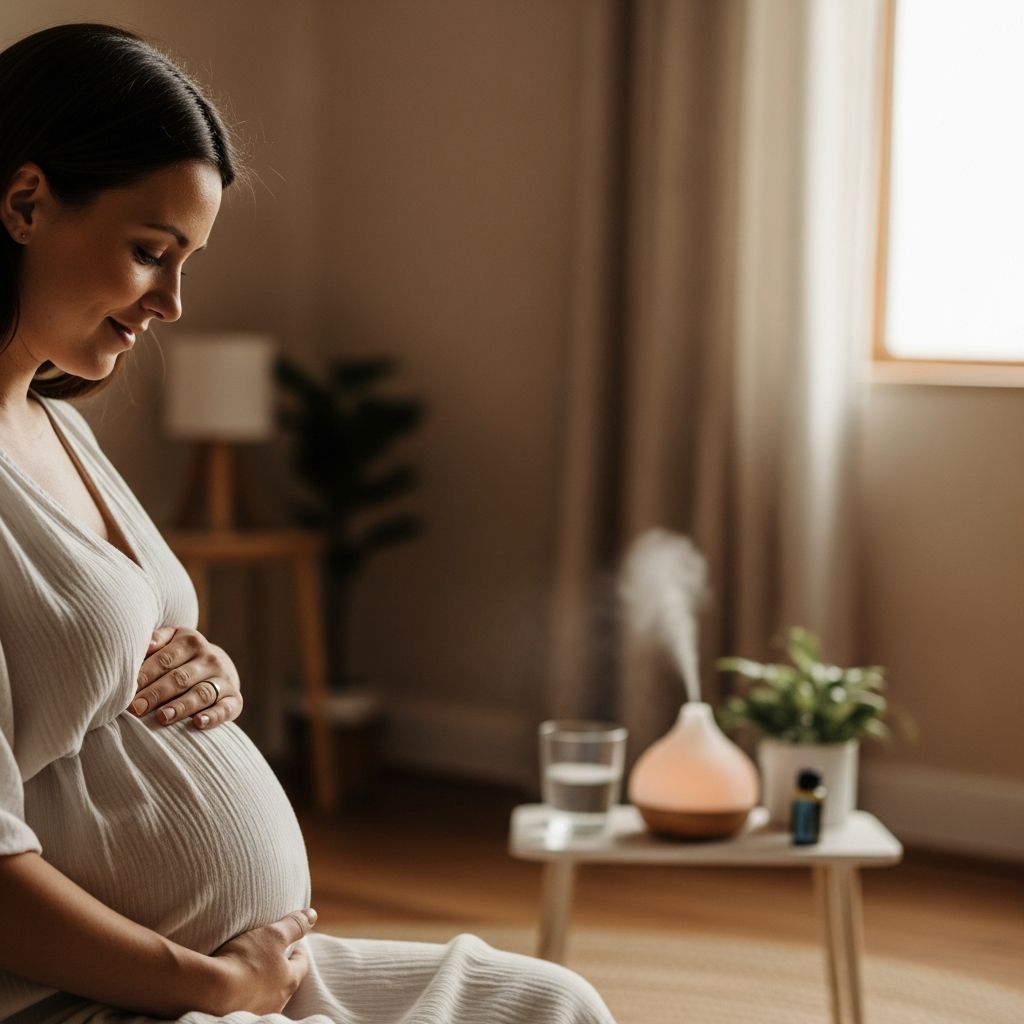
Dim lights, play soothing or energizing music, use essential oils like lavender for calm. Scented cloths or personal items comfort.
Stay Nourished in Early Labor
At home, eat light, high-energy snacks and hydrate to sustain stamina. Avoid solid food once admitted if protocols advise.
Labor at Home Initially
For low-risk pregnancies, early labor (under 6cm dilation) thrives at home, promoting rest and privacy, lowering C-section odds.
Critical Don’ts to Avoid Pitfalls
Steer clear of habits that hinder progress or heighten distress.
- Don’t arrive too early to the hospital: Premature admission often leads to interventions; wait for active labor cues like 5-1-1 contractions (5 mins apart, 1 min long, for 1 hour).
- Don’t tense against contractions: Resistance prolongs labor; relax into them like ocean waves.
- Don’t overlook partner cues: Ignore unhelpful comments; communicate needs clearly.
- Don’t skip position changes: Stagnation stalls dilation; keep shifting.
- Don’t fixate on the clock: Labor varies; impatience invites unnecessary checks.
- Don’t neglect hydration or rest: Dehydration intensifies pain; rest between surges.
Advanced Pain Relief Toolkit
Beyond basics, explore these evidence-backed methods:
- Aromatherapy and music therapy for sensory distraction.
- Visualization or self-hypnosis to reframe pain as productive pressure.
- Warm compresses on lower back or perineum.
- Nitrous oxide if available, for quick-relief without commitment.
Test options prenatally to find your best fits.
Postpartum Transition and Recovery
Natural birth often means faster mobility and breastfeeding initiation. Skin-to-skin contact immediately bonds and stabilizes baby. Plan for rest, perineal care, and emotional support as hormones shift.
Frequently Asked Questions (FAQs)
Is natural birth safe for first-time moms?
Yes, for low-risk pregnancies, with proper preparation and monitoring. Consult your provider.
How long does natural labor typically last?
First labors: 12-24 hours; subsequent: 6-12 hours. Varies widely.
What if I need pain relief suddenly?
Options like nitrous exist; discuss flexible plans upfront.
Can I have natural birth in a hospital?
Absolutely, many facilities support it with tubs, balls, and doulas.
How does partner involvement help?
Coaches provide physical and emotional support, boosting success rates.
References
- Natural Childbirth Techniques — American Pregnancy Association. 2023. https://americanpregnancy.org/healthy-pregnancy/labor-and-birth/natural-childbirth-techniques/
- How To Prepare For Natural Birth — SF Birth Center. 2017-10-01. https://sfbirthcenter.com/2017/10/how-to-prepare-for-natural-childbirth/
- Labor Without Pain Medication: What is Natural Birth & How to Prepare — UPMC. 2024. https://www.upmc.com/services/womens-health/services/obgyn/obstetrics/labor-delivery/birth-experience/natural-birth
- 5 tips on natural childbirth from an Ob/Gyn who experienced it — UT Southwestern Medical Center. 2023. https://utswmed.org/medblog/5-tips-natural-childbirth/
- 8 ways to prepare for natural birth: Easing labor pain — Nebraska Medicine. 2023. https://www.nebraskamed.com/health/healthy-lifestyle/pregnancy-and-birth/8-ways-to-prepare-for-natural-birth-easing-labor-pain
- Guide to Natural Childbirth — Mercy. 2022. https://www.mercy.net/content/dam/mercy/en/pdf/mercy-birthing-center-guide-to-natural-childbirth.pdf
- Thinking About Childbirth Without Pain Medication? Here’s How You Can Prepare — ACOG. 2024-01-16. https://www.acog.org/womens-health/experts-and-stories/the-latest/thinking-about-childbirth-without-pain-medication-heres-how-you-can-prepare