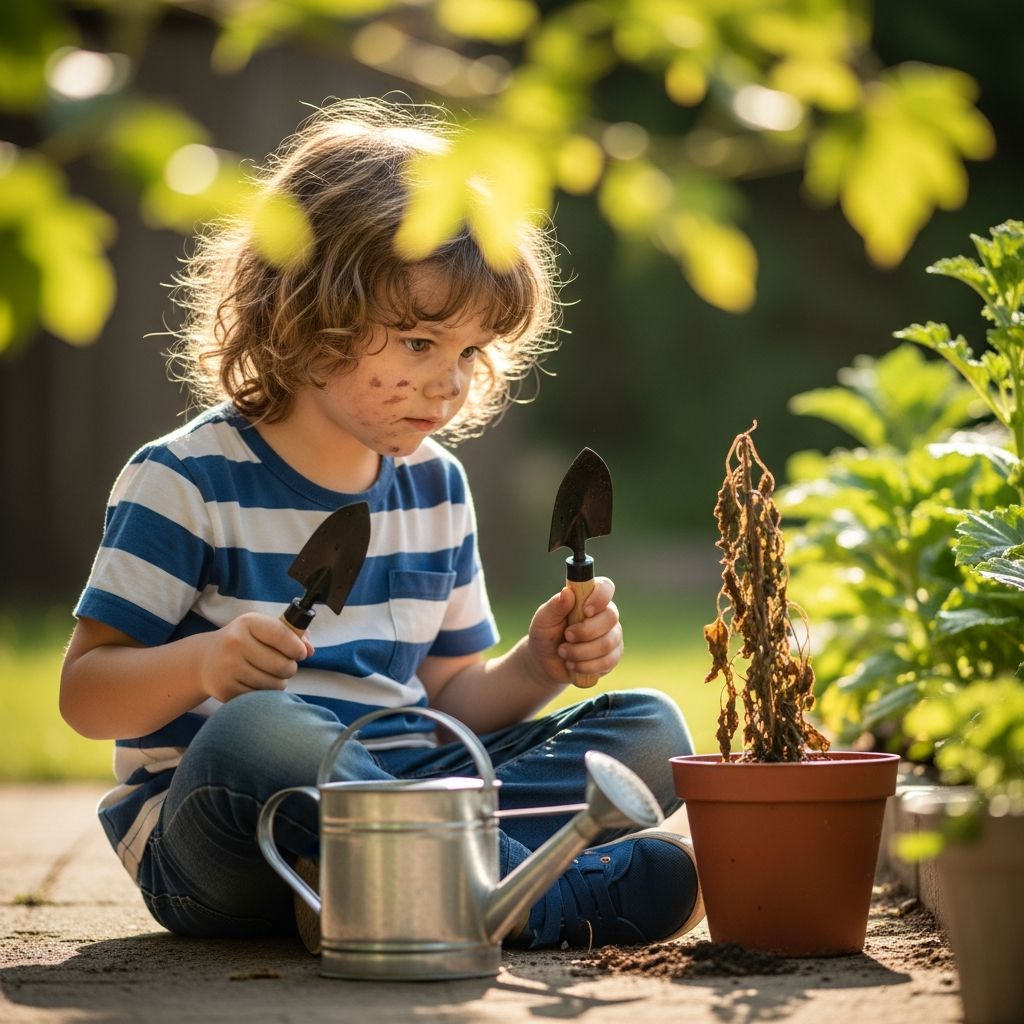
Allowing children to experience the outcomes of their choices is a cornerstone of effective parenting. Natural consequences—those direct results stemming from a child’s actions without parental intervention—offer powerful lessons in responsibility and self-reliance. Unlike punishments, which focus on control, these real-world experiences promote intrinsic motivation and long-term behavioral change.
Understanding Natural Consequences in Everyday Parenting
Natural consequences occur spontaneously when a child’s behavior leads to an unavoidable outcome tied directly to that action. For instance, forgetting a jacket on a chilly day results in feeling cold, teaching the value of preparation without lectures. This approach contrasts with artificial reinforcements, empowering kids to connect cause and effect on their own.
Research from child development experts highlights how such experiences enhance decision-making. Children learn that actions have repercussions, positive or negative, fostering foresight and accountability. A study on behavioral modification notes that natural outcomes help kids internalize lessons more effectively than external rewards, reducing dependency on praise or penalties.
Core Benefits for Child Development
Embracing natural consequences yields multifaceted growth in children. Here’s how it transforms parenting dynamics:
- Cause-and-Effect Mastery: Kids grasp how behaviors influence results, like rust on a neglected bike reinforcing care habits.
- Emotional Regulation: Facing disappointment builds coping skills, turning frustration into resilience.
- Independence Boost: Self-correction without rescue encourages problem-solving and autonomy.
- Reduced Conflicts: Minimizes power struggles by letting outcomes teach instead of imposing rules.
These benefits align with findings from Oklahoma State University Extension, linking natural consequences to healthier emotional development and responsibility.
Practical Areas to Implement Natural Consequences
Identify key life domains where stepping back allows organic learning. Focus on safe scenarios to maximize teachable moments.
Academic Responsibilities
When children neglect homework, the classroom embarrassment of unpreparedness becomes the teacher. This motivates future diligence without parental nagging. Coach calmly post-consequence: “What can you do differently next time?” to reinforce learning.
Personal Belongings and Hygiene
Forget lunch? Hunger prompts better packing habits. Skipping bedtime routines leads to morning grogginess, highlighting rest’s importance. These instances build self-care skills essential for independence.
Social Interactions
Excluding peers at play may result in reciprocal isolation, cultivating empathy through experience. Such social feedback sharpens relationship navigation far beyond advice.
Home Chores and Organization
A messy room yields stepped-on toys or lost items, urging tidiness. No clean clothes from undone laundry? Wear what’s available, linking chores to daily comfort.
Outdoor and Activity Choices
Playing roughly with pets invites scratches; leaving gear outside risks damage. These tangible results instill respect for environment and others.
Distinguishing Natural from Logical Consequences
Not all outcomes are purely natural—some require parental setup for safety. Use this table to compare:
| Aspect | Natural Consequences | Logical Consequences |
|---|---|---|
| Definition | Direct, unassisted results of actions (e.g., cold from no coat) | Parent-imposed but related outcomes (e.g., extra chore for mess) |
| Examples | Hunger from forgotten snack; rust on wet bike | No screen time until room cleaned; delayed play for tardiness |
| Goal | Organic learning via real life | Guided lesson when natural is unsafe |
| Benefits | Promotes intrinsic motivation | Teaches responsibility safely |
Blend both for comprehensive growth, ensuring logical ones respect the misbehavior.
Navigating Challenges and Parental Instincts
Resisting the urge to intervene is tough—watching discomfort tugs at heartstrings. Yet, shielding breeds entitlement, expecting perpetual rescue. Start small: empathize without fixing (“That looks tough; how will you handle it?”)
For children with autism or ADHD, natural consequences excel in real-context learning, enhancing social skills and self-regulation. Immediate feedback, like cold from no coat, solidifies connections without abstraction.
Strategies for Effective Implementation
- Select Safe Opportunities: Avoid health/safety risks; intervene only if needed.
- Offer Empathy First: Validate feelings to open reflection—”I see you’re upset about being cold.”
- Follow with Coaching: Post-outcome discussions brainstorm solutions, building foresight.
- Model Accountability: Share your consequences to normalize learning from errors.
- Track Progress: Note improved choices, celebrating internal shifts.
Consistency pays off; over time, kids anticipate outcomes, choosing wisely.
Long-Term Impact on Resilience and Success
Children raised with natural consequences emerge as resilient adults, skilled in failure recovery and ethical decision-making. They process emotions healthily, form strong relationships, and pursue goals independently. Love and Logic principles affirm this: consequences teach where lectures fail, fortifying parent-child bonds.
Empowering Parents emphasizes failure as motivation—learning prevention from setbacks like poor grades due to skipped study. This echoes iMOM’s view: real repercussions outteach warnings.
Frequently Asked Questions (FAQs)
What age is best for natural consequences?
Start around age 3-4 for simple choices, scaling complexity with maturity. Younger kids need more guidance; teens handle abstract outcomes well.
Does this replace discipline?
No—it complements by teaching via experience, reducing punishment needs. Pair with clear expectations.
What if my child repeats mistakes?
Persist with empathy; deeper coaching or logical consequences may help. Patterns signal readiness for advanced talks.
Is it harsh for sensitive kids?
Not when paired with support—it builds coping precisely where needed, unlike avoidance which weakens resilience.
How does it help neurodiverse children?
Highly effective for autism/ADHD, providing concrete links in natural settings for behavior and social gains.
Empowering Tomorrow’s Leaders Today
By harnessing natural consequences, parents cultivate thinkers who own their paths. This method, rooted in evidence, equips kids for life’s unpredictability with confidence and wisdom.
References
- Why Your Kids Need to Experience Natural Consequences — iMOM. 2023. https://www.imom.com/why-kids-need-experience-natural-consequences/
- The Role of Natural Consequences in Teaching Behavior in ABA Therapy — Ambitions ABA. 2024. https://www.ambitionsaba.com/resources/the-role-of-natural-consequences-in-teaching-behavior-in-aba-therapy
- Why You Should Let Your Child Fail: The Benefits of Natural Consequences — Empowering Parents. 2023. https://www.empoweringparents.com/article/why-you-should-let-your-child-fail-the-benefits-of-natural-consequences/
- How Embracing Natural Consequences Changed My Parenting Style — The Everymom. 2024. https://theeverymom.com/how-i-embrace-natural-consequences-while-parenting/
- Parenting with Natural and Logical Consequences — Oklahoma State University Extension. 2022-01-15. https://extension.okstate.edu/fact-sheets/print-publications/t/parenting-with-natural-and-logical-consequences-t-2390.pdf
- Teaching Power of Consequences: Helping Kids Succeed — Love and Logic. 2024. https://www.loveandlogic.com/blogs/our-blog/teaching-power-of-consequences-helping-kids-succeed