When a child has ongoing breathing, voice, or swallowing problems, doctors sometimes recommend a nasopharyngoscopy to get a clear look inside the nose and throat. This guide explains the test in simple language so parents know what to expect and how to help their child feel safe.
Understanding the Nasopharynx and Endoscope
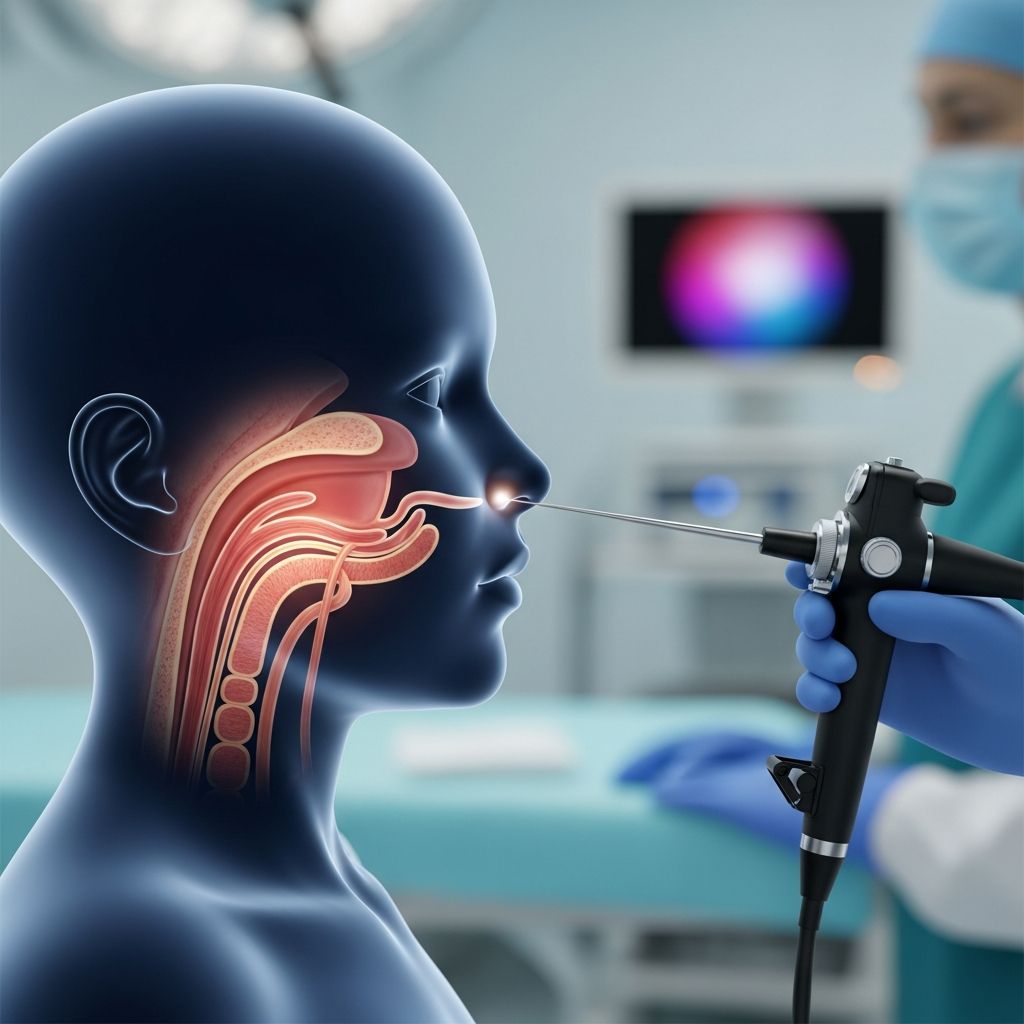
The word “nasopharyngoscopy” describes a close-up look at two connected areas: the inside of the nose (nasal passages) and the upper part of the throat behind the nose (nasopharynx). A thin tube with a camera and light at the tip, called an endoscope, lets the specialist see these areas on a screen.
The endoscope used for children is usually flexible and narrow so it can pass gently through a nostril and curve down toward the back of the throat. The camera sends live images to a monitor, allowing the specialist to examine the nose, adenoids, and parts of the voice box without surgery or cuts.
Why a Doctor Might Recommend This Test
Doctors suggest nasopharyngoscopy when symptoms or prior exams hint that something in the nose, back of the throat, or upper airway needs a closer look. It is often ordered by an ear, nose, and throat (ENT) doctor, but may also be requested by a pediatrician or speech specialist.
The goal is to find or rule out possible causes of a child’s problems so the care team can choose the safest and most effective treatment plan.
Common Situations Where It Helps
- Frequent or noisy breathing, including snoring, squeaky breathing, or pauses in breathing during sleep.
- Chronic nasal congestion that does not improve with standard allergy or cold treatments.
- Recurring ear infections or fluid in the middle ear suspected to be related to enlarged adenoids.
- Persistent sore throat, swallowing difficulties, or a feeling that food “gets stuck.”
- Voice changes, such as hoarseness, weak voice, or nasal-sounding speech.
- Follow-up after surgery, radiation, or other treatments to check healing and make sure no new problems are developing.
Benefits of Nasopharyngoscopy for Children
Although the idea of a scope through the nose can sound frightening, this test has several important advantages, especially in children. It gives the doctor a direct, real-time view of the breathing and swallowing structures without cutting the skin or using X-rays.
Because the child is typically awake, the specialist can see how the throat and voice box move while the child talks, swallows, or breathes, which is not possible during many imaging scans.
Key Advantages at a Glance
- Minimally invasive: No incisions or injections into deep tissues are needed.
- Quick: The actual viewing portion of the exam usually takes only a few minutes.
- Dynamic view: The doctor can observe structures in motion while the child speaks or breathes.
- Low risk: Complications are uncommon and usually mild, such as brief nosebleeds or temporary discomfort.
- Useful for planning: Results help guide decisions about surgery, medication, or speech therapy.
Preparing Your Child: Before the Appointment
Preparation focuses on keeping your child informed in a reassuring, age-appropriate way and following any instructions your care team provides. In many cases, your child can eat and drink normally beforehand, but you should always check the specific directions from your clinic.
Parents can help by explaining what will happen in simple terms and practicing calm breathing or other coping strategies ahead of time.
How to Explain the Test to Kids
Your explanation should match your child’s age and temperament. Young children often respond well to comparisons and pretend play, while older kids may prefer a straightforward, factual description.
- Use simple language such as “The doctor will use a tiny camera to look inside your nose and throat to see why it’s been hard to breathe or talk.”
- Describe what they might feel: a cool spray, a tickly or strange feeling in the nose, and the sense of something sliding in and out quickly.
- Emphasize that the test does not take long and that you will be close by during the exam, if the facility allows it.
- Practice breathing slowly through the mouth so the child is ready when the doctor asks for it.
Checklist: What Parents Should Ask
- Will my child need to avoid food or drink before the test?
- What type of numbing medicine or spray will be used?
- Can a parent stay in the room during the exam?
- How long will the visit take from check-in to check-out?
- When and how will we receive the results?
Step-by-Step: What Happens During the Exam
Although details can vary slightly from one hospital or clinic to another, most nasopharyngoscopies follow the same basic sequence. The exam is usually done in an outpatient setting, such as an ENT office, hospital clinic, or specialized pediatric center.
Understanding each step ahead of time helps reduce anxiety for both children and parents.
Typical Sequence of the Test
- Check-in and brief history
You will review your child’s symptoms, medications, allergies, and any previous surgeries with a nurse or doctor. This ensures that the test is safe and that the team focuses on the right concerns. - Positioning
Your child will usually sit upright in a special chair. Younger children may sit on a parent’s lap for extra comfort and support. - Numbing and decongesting the nose
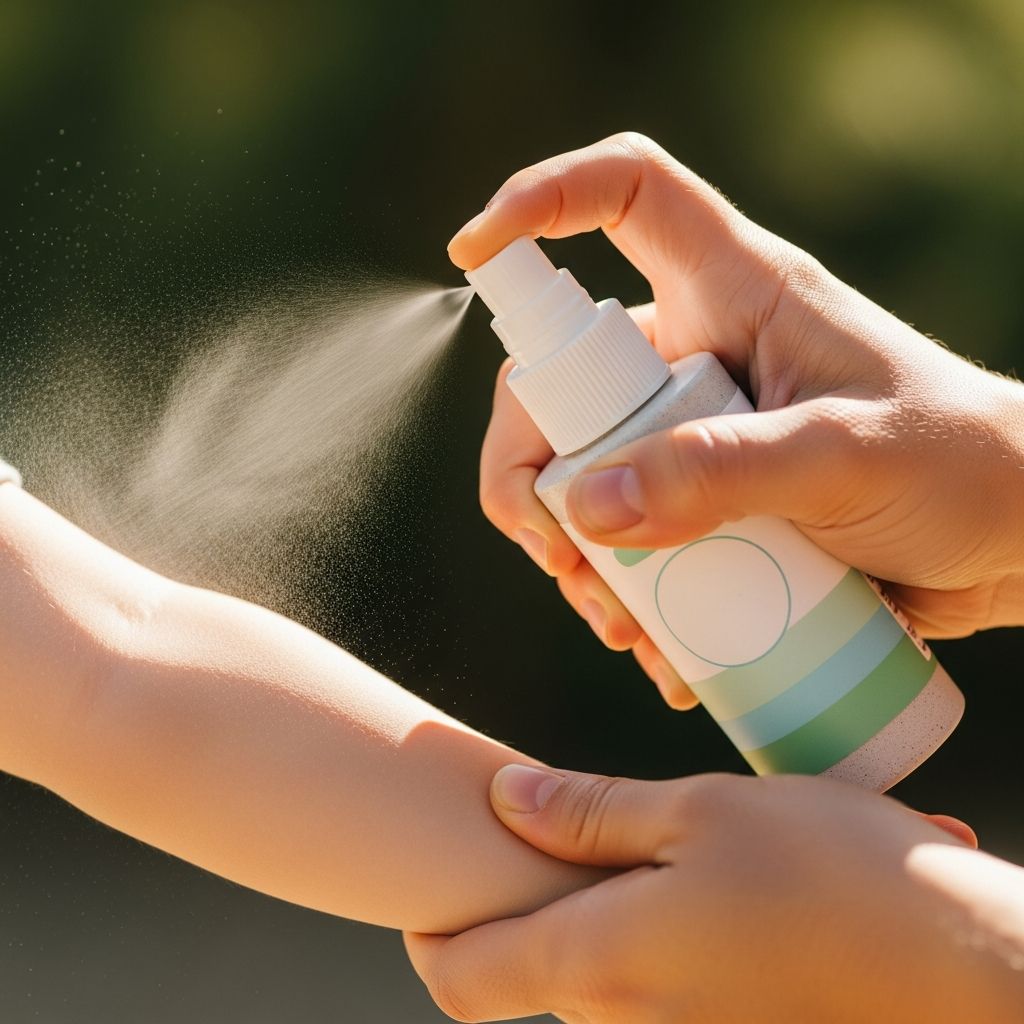
A mist or cotton swab with medicine may be placed inside the nostrils. This typically includes a numbing agent to reduce discomfort and sometimes a medication to shrink the nasal lining so the scope can pass more easily. - Inserting the scope
Once the nose is numb, the doctor gently guides the thin, flexible scope into one nostril. The child is usually asked to breathe quietly through the mouth and keep as still as possible. - Viewing the nasal passages and nasopharynx
The scope moves slowly along the floor or side of the nose, allowing the specialist to inspect the nasal passages, adenoids, and surrounding tissues. Images appear on a screen in real time. - Looking at the throat and voice box
As the scope reaches farther back, the provider observes the soft palate, back of the tongue, and structures of the voice box. The child may be asked to speak, say certain sounds, or swallow to see how the tissues move. - Removing the scope
After the doctor has seen all needed areas, the scope is carefully withdrawn. This step usually takes just a moment and the strange sensation fades quickly.
What the Doctor Can Learn
The images gathered during nasopharyngoscopy provide detailed information that other tests may miss. Doctors can evaluate both the structure and movement of tissues in the upper airway and throat.
This helps in identifying the exact location and nature of any blockage, irritation, or abnormal growth affecting your child’s breathing, speech, or swallowing.
| Area Examined | What the Doctor Looks For | Possible Concerns |
|---|---|---|
| Nasal passages | Swelling, mucus, narrowed passages, or blockage. | Allergy-related swelling, chronic infection, structural narrowing. |
| Nasopharynx and adenoids | Size and shape of adenoid tissue, smoothness of surfaces. | Enlarged adenoids, growths, or unusual tissue. |
| Soft palate and back of throat | Movement during speech and swallowing, closure of the throat space. | Incomplete closure contributing to nasal speech or food regurgitation. |
| Voice box (larynx) | Movement of vocal cords, swelling, redness, or nodules. | Vocal cord weakness, irritation from reflux, or small benign growths. |
Discomfort, Safety, and Possible Risks
Parents often worry that the test will be painful. Most children describe the sensation as odd, tickly, or briefly uncomfortable rather than truly painful. The numbing medicine greatly reduces irritation as the scope moves through the nose.
Complications are rare, but no medical test is entirely risk free. It is important to understand possible issues and how the care team works to prevent and manage them.
Potential Side Effects
- Mild nosebleed that usually stops on its own with gentle pressure.
- Brief burning or stinging feeling in the nose when the spray is applied.
- Temporary numbness in the nose or throat, which can make swallowing feel strange for a short time.
- Watery eyes, sneezing, or a feeling of congestion right after the test.
Serious problems, such as heavy bleeding or breathing difficulties, are uncommon. If your child has a bleeding disorder, severe heart or lung problems, or a history of significant anxiety during medical procedures, let the care team know in advance so they can plan extra safety steps.
After the Test: What to Expect at Home
Once the exam is finished, your child can usually rest for a short time and then go home. Many children are able to return to regular play and school activities the same day, depending on how they feel.
The throat and nose may feel slightly numb or scratchy for a while, especially if numbing spray was used.
Home Care Tips
- Offer sips of cool water once the care team says it is safe for your child to drink and swallow normally.
- Soft foods, such as yogurt or applesauce, may feel more comfortable if there is any lingering throat irritation.
- Avoid hot drinks or very spicy foods until the numbness completely wears off, to prevent burns or extra discomfort.
- If a small nosebleed occurs, have your child sit upright and gently pinch the soft part of the nose for several minutes.
Contact the clinic or on-call provider if your child has ongoing bleeding, trouble breathing, fever, or pain that seems to be getting worse instead of better.
How Results Are Used in Your Child’s Care
The specialist will review the images and notes from the nasopharyngoscopy and explain what was seen. Sometimes the findings confirm a suspected problem, such as enlarged adenoids or irritated vocal cords. In other cases, the test shows that the airway and throat look normal, which can be just as helpful for ruling things out.
Results may guide decisions about medications, surgery, speech therapy, additional imaging tests, or watchful waiting with follow-up visits.
Examples of Treatment Decisions Guided by the Test
- Choosing whether adenoid removal surgery is likely to improve breathing or ear problems.
- Determining if a child with nasal-sounding speech may benefit from surgery, speech therapy, or both.
- Evaluating whether vocal cord swelling might be linked to reflux, overuse, or another condition.
- Deciding if a child needs further imaging, such as a sleep study or other airway tests.
Helping Anxious or Sensory-Sensitive Children
Some children are particularly worried about medical procedures or dislike sensations around the face and nose. Advanced planning can make a big difference for these kids. Many pediatric clinics have child life specialists or behavioral health teams who can support your family.
Ask whether the facility offers extra preparation, such as picture books, videos, or practice equipment to help your child understand what will happen.
Coping Strategies That Can Help
- Bring a favorite stuffed animal, blanket, or small toy for comfort.
- Use deep breathing techniques or counting games to help your child stay calm.
- Let your child choose small decisions, such as which hand to hold or which song to listen to, to create a sense of control.
- Discuss with the team whether distraction tools (tablets, bubbles, or story-telling) can be used during the test.
Frequently Asked Questions (FAQ)
Is nasopharyngoscopy painful for children?
Most children describe the exam as uncomfortable but not truly painful. The numbing spray lessens the feeling of the scope inside the nose, though it may still feel strange or ticklish. The entire procedure is brief, which also helps limit discomfort.
How long does the entire visit take?
The actual camera exam usually lasts only a few minutes. However, time for check-in, preparation, numbing medicine, and post-exam discussion means you should plan to be at the clinic longer, often 30 to 60 minutes in total.
Will my child be asleep during the test?
In most routine cases, children remain awake and seated during nasopharyngoscopy so the doctor can watch their natural breathing, speech, and swallowing. Sedation or anesthesia may be considered only in special situations, such as very young or medically fragile patients, and is decided on a case-by-case basis.
Can both parents be in the room?
Rules vary from one facility to another. Some clinics allow one parent in the room, while others may have space for more. Ask about visitor policies ahead of time so you can plan who will accompany the child.
Will the test need to be repeated?
Repeat exams are sometimes done to track how a problem is changing over time or to check healing after treatment. Whether your child needs more than one nasopharyngoscopy depends on the underlying condition and how they respond to care.
When to Call the Doctor After the Test
Most children do well after nasopharyngoscopy and have no lasting problems, but it is important to know when to reach out for help. Trust your instincts if something does not look or feel right with your child after arriving home.
- Call promptly if your child has difficulty breathing, wheezing, or noisy breathing that is worse than before the exam.
- Seek help for nosebleeds that last longer than several minutes despite gentle pressure.
- Contact the clinic if your child has fever, severe sore throat, or continues to complain of pain that does not improve.
- Ask follow-up questions any time you are unsure about activity restrictions, medications, or next steps.
With clear information and supportive care, nasopharyngoscopy can be an important and manageable part of understanding and treating your child’s nose and throat problems.