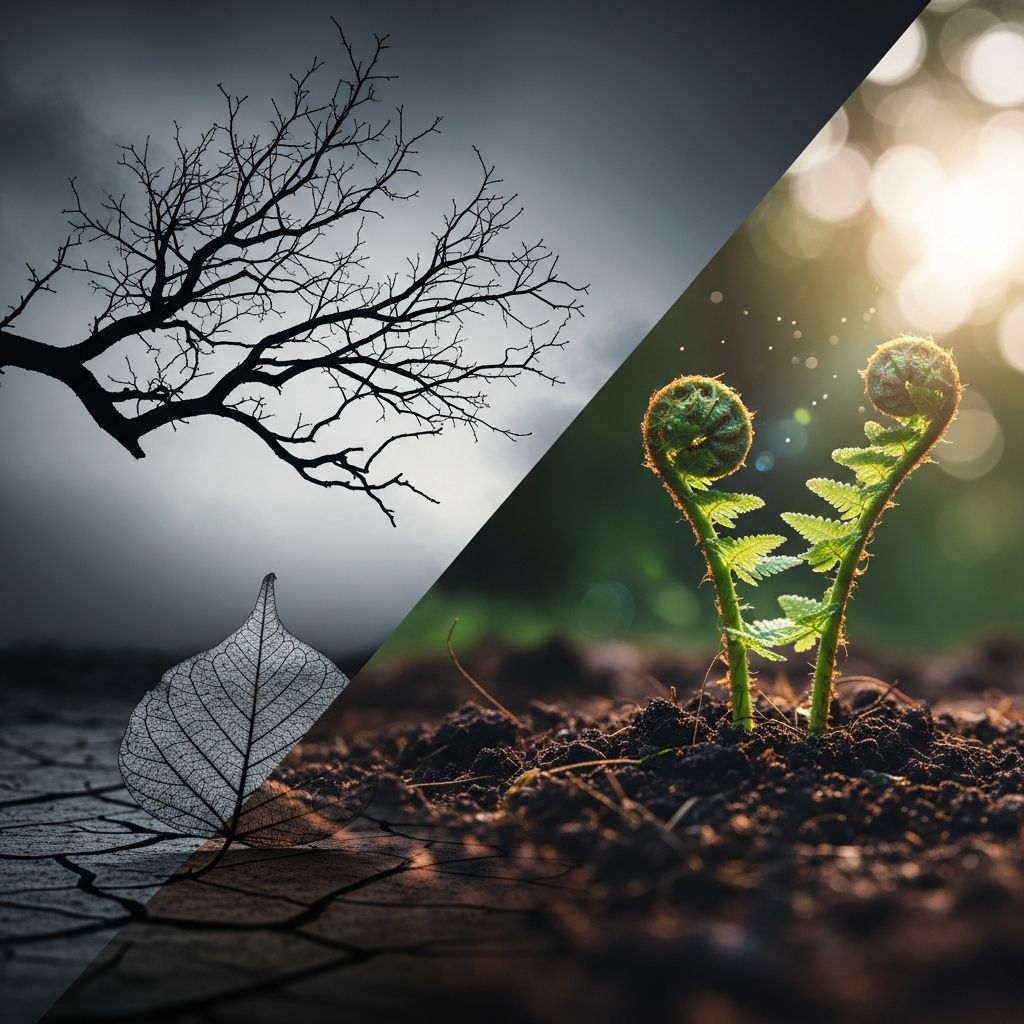
Names connected to death, darkness, and the underworld are no longer just the domain of horror stories and myths; modern parents, writers, and gamers now seek them out for their depth, mystery, and powerful symbolism. Rather than simply sounding ominous, many of these names carry layered meanings about endings, rebirth, courage, and facing the unknown.
This article explores death-related names from a thoughtful, respectful angle—looking at cultural roots, mythological stories, and symbolic themes, while offering practical guidance on choosing a name that feels meaningful rather than merely shocking.
Why Choose a Name Linked to Death?
At first glance, a name that means “death” or is tied to the underworld can seem unsettling. But in many traditions, death is not only about endings; it also represents transition, balance, and the natural cycle between life and renewal. Choosing such a name can be a way to honor this deeper philosophical view.
People are often drawn to these names for characters, online identities, or even babies when they want to convey strength, mystery, or a story of overcoming hardship. The right name can tell a personal narrative about surviving loss, embracing change, or honoring a loved one who has passed.
Understanding the Symbolism of Death Names
Names associated with death rarely stand for simple doom or despair; they frequently reflect complex ideas. Across cultures, death is linked with concepts like purification, transformation, judgment, and spiritual awakening. A name rooted in these ideas can suggest not just an ending but a doorway to something new.
When evaluating these names, it helps to look past the literal meaning and consider symbolism. Some names reference deities who guide souls, others point to darkness as a place of rest or rebirth, and still others highlight the courage required to face mortality.
Cultural Perspectives on Death-Themed Names
Around the world, attitudes toward death significantly shape naming traditions. In some societies, names tied to death or the underworld are taboo; in others, they serve as spiritual protection or as a way to remember ancestors. Understanding these perspectives can help avoid cultural insensitivity.
For instance, one community might see a death-related name as severe and unlucky, while another may use a similar name to honor a powerful protective deity. Researching the culture of origin before using such a name is essential, especially if the name comes from a living spiritual or religious practice.
Key Themes Found in Death-Related Names
Many names that suggest death or darkness fall into a few recurring themes. Recognizing these can help narrow down choices according to the feeling or story you want the name to evoke.
- Literal death: Names whose meanings directly translate to death, dying, or the dead.
- Underworld and afterlife: Names linked to realms of the dead, judges of souls, or guardians of the underworld.
- Darkness and night: Names that reference shadow, night, or the absence of light as metaphors for death.
- Destruction and endings: Names tied to destruction, ruin, or apocalyptic imagery, often balanced by renewal.
- Rebirth and cycles: Names that acknowledge death as part of a cycle, emphasizing renewal and transformation.
Table: Types of Death-Inspired Meanings
The table below outlines broad categories of meanings often found in names associated with death and related themes.
| Theme | What It Suggests | Common Use Cases |
|---|---|---|
| Literal death | Direct reference to death, the dead, or mortality itself. | Dark fantasy characters, symbolic baby names, gothic personas. |
| Underworld deities | Gods, goddesses, or spirits who rule or guide the dead. | Myth-inspired babies, role-playing characters, spiritual symbolism. |
| Shadow and darkness | Darkness, night, or shadow as metaphors for mystery and endings. | Edgy yet subtle names for children or pen names. |
| War and destruction | Endings brought by conflict, catastrophe, or cosmic powers. | Villains, anti-heroes, game avatars, powerful stage names. |
| Cycle and rebirth | Death as a gateway to renewal, seasonal change, or spiritual growth. | Poetic baby names that honor transformation after loss. |
Mythology and the Personification of Death
Many of the most striking names linked to death originate in mythology, where death is often personified as a deity or spirit. These figures might rule the underworld, weigh souls, or simply represent peaceful release from life. Their names carry centuries of stories and symbolism.
Choosing a mythological name brings with it a narrative about how that culture understood mortality. Some deities are terrifying and ruthless, while others are surprisingly gentle gatekeepers, reminding mortals that death is a natural part of the cosmic order.
Masculine Names with Death Associations
Masculine names linked to death often have a bold, imposing sound and evoke power, judgment, or relentless fate. Many are used for warrior characters, anti-heroes, or figures who walk a fine line between protector and destroyer.
- Names drawn from gods of the underworld or angels of death.
- Names with roots in words for “ruin,” “destruction,” or “end.”
- Names referencing battle to the death or fatal destiny.
When considering these names for a child, it can help to focus on those that balance darkness with nobility or guardianship—names that imply responsibility and strength, rather than cruelty alone.
Feminine Names Linked to Death and the Underworld
Feminine names associated with death frequently blend darkness with mystery, magic, or protective power. Many come from goddesses who rule borders between worlds, preside over funerary rites, or guide souls safely through transitions.
- Goddesses who oversee crossroads, graves, or liminal spaces.
- Figures tied to seasonal death in nature, such as winter or barren lands.
- Deities of both birth and death, symbolizing the full life cycle.
Rather than representing mere doom, these names can feel deeply spiritual and complex, suggesting someone who navigates shadowy realms yet still carries wisdom, compassion, or fierce protection.
Gender-Neutral Dark and Death-Inspired Names
For those who prefer unisex options, there are names whose meanings or associations lean into darkness, graveyards, or endings without being strictly masculine or feminine. These are popular for modern babies, nonbinary identities, and fictional characters alike.
- Names referencing valleys of the dead, haunted landscapes, or ancient burial sites.
- Abstract words connected to void, night, or silence.
- Mythical titles or epithets that can work regardless of gender.
Gender-neutral dark names are especially appealing for those who want a moody or gothic vibe without attaching it to a traditional gendered pattern.
Subtle vs. Overt Death Meanings
Not all names need to shout “death” at first glance. Some have very literal meanings—such as “death,” “dead,” or “grave”—while others suggest the theme indirectly through night, sorrow, winter, or ruin. The level of intensity you prefer will influence your choice.
For everyday use, subtlety can be an advantage. A name might sound soft and beautiful in spoken form, with its darker meaning hidden in etymology, making it easier for a child or character to carry without unwanted attention.
Table: Subtle vs. Intense Name Styles
The following table contrasts more overtly death-themed names with gentler, symbolic ones.
| Style | Meaning Style | Typical Impression |
|---|---|---|
| Overt death names | Clearly reference death, decay, or the dead in translation. | Heavy, dramatic, often suited to fantasy or gothic settings. |
| Underworld deity names | Named after death gods, goddesses, or angels of death. | Regal, mythic, powerful; can feel intense for daily use. |
| Symbolic dark names | Use night, winter, or shadow as metaphors. | Moody yet wearable; the meaning is more poetic than literal. |
| Cycle and rebirth names | Imply death through transformation, endings, and new beginnings. | Reflective, spiritual, often the gentlest way to honor loss. |
Practical Tips for Choosing a Death-Themed Baby Name
If you are considering one of these names for a real child, it is important to think beyond aesthetics and symbolism. The name will shape first impressions, school experiences, and how easily others can pronounce and accept it in everyday life.
- Say it out loud in everyday phrases. Imagine calling it at a playground, introducing it to teachers, or writing it on job applications.
- Balance middle and last names. A dark first name can be softened by a lighter, more familiar middle name, or vice versa.
- Check cultural and religious context. Some names may be deeply sacred, restricted, or sensitive within their cultures of origin.
- Consider nicknames. If the full name feels intense, make sure a friendly, approachable nickname comes naturally from it.
- Talk about it with trusted people. Family or friends may highlight associations or jokes you have not anticipated.
Using Death-Themed Names in Fiction and Gaming
For writers, game masters, and players, death-linked names can do a lot of storytelling work before a character even speaks. A grim reaper-like figure, a cursed knight, or a guardian of souls gains added depth through a carefully chosen name with the right cultural or mythological shading.
It is worth considering how literal you want the connection to be: a name meaning “grave” or “destroyer” sends a stronger signal than one tied to winter or dusk. Matching the subtlety of the name to the role the character plays helps keep your worldbuilding coherent.
Ethical and Cultural Considerations
Names rooted in active spiritual traditions deserve particular care. A name that refers to a feared or revered death deity might be sacred, restricted to rituals, or carry meanings outsiders would not fully grasp. Appropriating such names casually can feel disrespectful to the communities that hold them dear.
To use these names responsibly:
- Research their cultural background beyond surface translations.
- Avoid using holy titles or names that practitioners say should not be used lightly.
- Listen to people from that culture if they express discomfort about certain uses.
Respectful use keeps the power of these names intact and prevents them from being reduced to mere “edgy” aesthetics.
FAQ: Names That Mean Death and Darkness
Are names that mean death always negative?
No. In many traditions, death is viewed as part of a larger spiritual cycle rather than a purely negative force. A death-related name may symbolize protection, wisdom, or transformation instead of doom.
Is it appropriate to give a baby a name that directly means “death”?
It can be, but it requires careful consideration. Parents should think about how the child might feel growing up with such a literal meaning, how peers are likely to react, and whether the name has cultural or religious sensitivities attached to it.
What are subtle ways to reference death in a name?
Instead of choosing a name that literally translates to death, some people opt for names connected to night, winter, shadows, or mythological figures who guide souls gently. These options retain a dark or reflective tone while feeling more wearable in everyday life.
Are death-inspired names better suited to fiction and gaming?
Many of the most intense death names do work particularly well for fictional characters, villains, tragic heroes, and avatars, because they instantly convey mood. However, carefully chosen, symbolic options can also serve real children when balanced with empathy and foresight.
How can I make a dark name feel more balanced?
Pairing a dark or death-related first name with a soft, familiar middle name is one way to achieve balance. Another is to choose a name with layered meanings, where motifs of protection, courage, or rebirth soften the harsher associations.
Final Thoughts on Shadow-Inspired Names
Names that touch on death and darkness occupy a fascinating place at the edge of comfort and curiosity. Handled thoughtfully, they can honor complex emotions, memorialize loved ones, or give depth to fictional worlds without glorifying suffering.
Whether the goal is a baby name rich with symbolism, a haunting pen name, or a powerful moniker for a character who walks between worlds, exploring these darker choices can reveal just how intertwined endings and beginnings truly are.