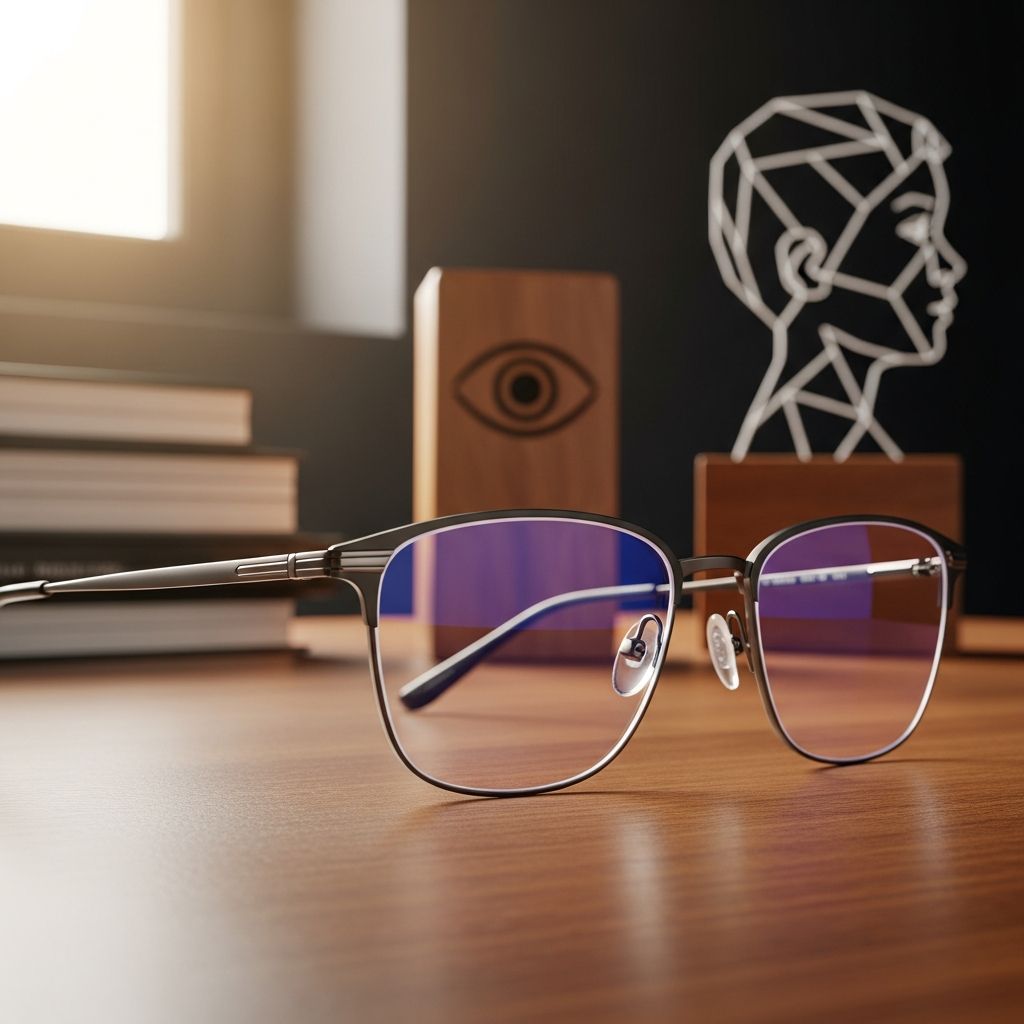
Advancements in pediatric optometry are introducing specialized eyeglass lenses designed specifically to curb the rapid worsening of myopia in children. These innovative spectacles address a growing global health concern where nearsightedness progresses unchecked, potentially leading to serious long-term vision issues. By incorporating unique optical technologies, such lenses not only correct current refractive errors but also actively slow the elongation of the eyeball, a primary driver of myopia advancement.
Understanding Myopia in Young Eyes
Myopia, commonly known as nearsightedness, occurs when the eyeball grows too long or the cornea is overly curved, causing distant objects to appear blurry. In children, this condition often accelerates during school years due to prolonged near-work activities like reading and screen time. Without intervention, myopia can escalate to high levels, increasing risks for retinal detachment, glaucoma, and macular degeneration later in life.
Recent epidemiological data highlights the urgency: myopia rates among children have surged, with some regions reporting over 80% prevalence in urban schoolchildren. Early detection through routine vision screenings is crucial, as uncorrected refractive errors impair not just sight but also learning potential. Children with blurry vision struggle to see blackboards, follow lessons, and engage fully in class, creating a cascade of academic setbacks.
Breakthrough Lens Technologies for Myopia Management
Traditional single-vision lenses correct myopia but do little to prevent progression. Enter next-generation designs like those featuring microscopic deflection zones or diffusion optics embedded across the lens surface. These elements create peripheral defocus, signaling the eye to slow axial growth without compromising central clear vision essential for daily tasks.
Clinical evaluations of such lenses demonstrate compelling results. In controlled trials, children wearing these specialized spectacles experienced up to 60% less myopia progression compared to standard glasses over two years. This optical strategy mimics natural emmetropization processes observed in animal models, where defocused light influences eye development positively.
- Key Features: Haze-control segments reduce peripheral hyperopic defocus.
- Age Suitability: Approved for children aged 6-12, during peak progression windows.
- Comfort: Lightweight frames with anti-reflective coatings enhance wear compliance.
Proven Academic and Developmental Gains
Beyond vision correction, providing children with appropriate eyewear yields measurable improvements in educational outcomes. Research from university-led studies shows that glasses recipients see boosts in reading and math grade point averages. Teachers observe enhanced classroom participation, fewer disruptions, and increased focus once vision barriers are removed.
| Metric | Pre-Glasses | Post-Glasses | Improvement |
|---|---|---|---|
| Reading GPA | 2.8 | 3.2 | +14% |
| Math GPA | 2.9 | 3.3 | +14% |
| Class Engagement | Low | High | 92% Teacher Approval |
These gains extend to cognitive and emotional domains. Corrected vision reduces learning anxiety, improves task persistence, and fosters confidence. Parents report easier homework sessions and less school-related stress at home, underscoring eyewear’s role in holistic child well-being.
Early Intervention: From Toddlers to Teens
Addressing refractive errors early maximizes benefits. For toddlers with astigmatism—a common precursor to myopia—prescribing glasses may enhance language acquisition, motor skills, and cognitive milestones. Ongoing trials use wearable sensors to track compliance, revealing that consistent wear correlates with superior developmental scores measured via standardized assessments.
In school-aged children, combining glasses with behavioral strategies boosts adherence. Group fittings in educational settings normalize eyewear, mitigating stigma and encouraging daily use. Programs targeting underserved communities demonstrate that accessible vision care closes equity gaps in academic achievement.
Overcoming Barriers to Vision Care Access
Despite proven efficacy, millions of children worldwide lack glasses due to cost, awareness, or availability. In low-resource areas, uncorrected vision halves learning efficiency compared to peers with clear sight. Vision screenings in schools, coupled with subsidized spectacles, can avert this loss—half through detection and half through sustained wear.
Initiatives like mobile clinics and school partnerships have scaled solutions effectively. Policymakers advocate integrating eye exams into routine pediatric checkups, emphasizing glasses as educational investments. Economists project substantial societal returns: improved literacy rates translate to higher future productivity.
Complementary Strategies in Myopia Control
Specialized glasses pair well with other evidence-based approaches. Low-dose atropine eye drops relax eye muscles, curbing progression, while orthokeratology lenses reshape the cornea overnight. Multisite studies are evaluating combinations, such as atropine plus advanced spectacles, to optimize outcomes without side effects.
Outdoor time also plays a pivotal role; natural light exposure suppresses myopia development. Guidelines recommend at least two hours daily outdoors, alongside reduced screen time, to complement optical interventions.
Real-World Implementation and Parent Guidance
Selecting myopia-control glasses involves consulting pediatric optometrists for precise prescriptions. Frame choices should prioritize durability and style to appeal to kids. Monitoring progression via annual exams ensures timely adjustments.
Parents can support compliance by establishing routines and celebrating milestones. Educational campaigns frame glasses as “superpower tools” for learning, transforming perceptions from burden to asset.
Frequently Asked Questions
What age is best to start myopia control glasses?
Ideal for children 6-12 years, when progression is fastest, but earlier intervention benefits toddlers with significant refractive errors.
Do these glasses cure myopia?
No, they slow progression but do not reverse existing myopia. Long-term wear is key to sustained control.
How effective are they compared to contacts or surgery?
Highly effective for daily wear, non-invasive, and suitable for young children; surgery is not recommended until adulthood.
Are there side effects?
Minimal; some initial adaptation to peripheral optics, but central vision remains sharp for school and play.
How to ensure my child wears them consistently?
Use fun frames, school programs, and reminders. Trackers in research show parental involvement doubles compliance.
Future Directions in Pediatric Vision Care
Emerging research explores AI-driven personalization of lenses and gene therapies for myopia risk. Global collaborations aim to standardize protocols, ensuring equitable access. By prioritizing vision health, societies can unlock children’s full potential, turning blurry futures into clear successes.
References
- The impact of spectacle correction on the well-being of children with refractive error: a systematic review — PMC/NCBI. 2023-08-11. https://pmc.ncbi.nlm.nih.gov/articles/PMC10436410/
- UCLA Study: Impact Analysis of Vision to Learn — Vision To Learn. 2023. https://visiontolearn.org/impact/ucla-study-impact-analysis-of-vision-to-learn/
- Study Looks to Measure Benefits of Eyeglasses for Toddlers — University of Arizona News. 2023. https://news.arizona.edu/news/study-looks-measure-benefits-eyeglasses-toddlers
- Study seeks to determine best way to treat myopia in children — Vanderbilt University Medical Center News. 2025-12-02. https://news.vumc.org/2025/12/02/study-seeks-to-determine-best-way-to-treat-myopia-in-children/
- New Research Shows Children Who Don’t Get the Glasses They Need Learn Half as Much as Classmates — International Agency for the Prevention of Blindness. 2023. https://www.iapb.org/news/new-research-shows-children-who-dont-get-the-glasses-they-need-learn-half-as-much-as-classmates/