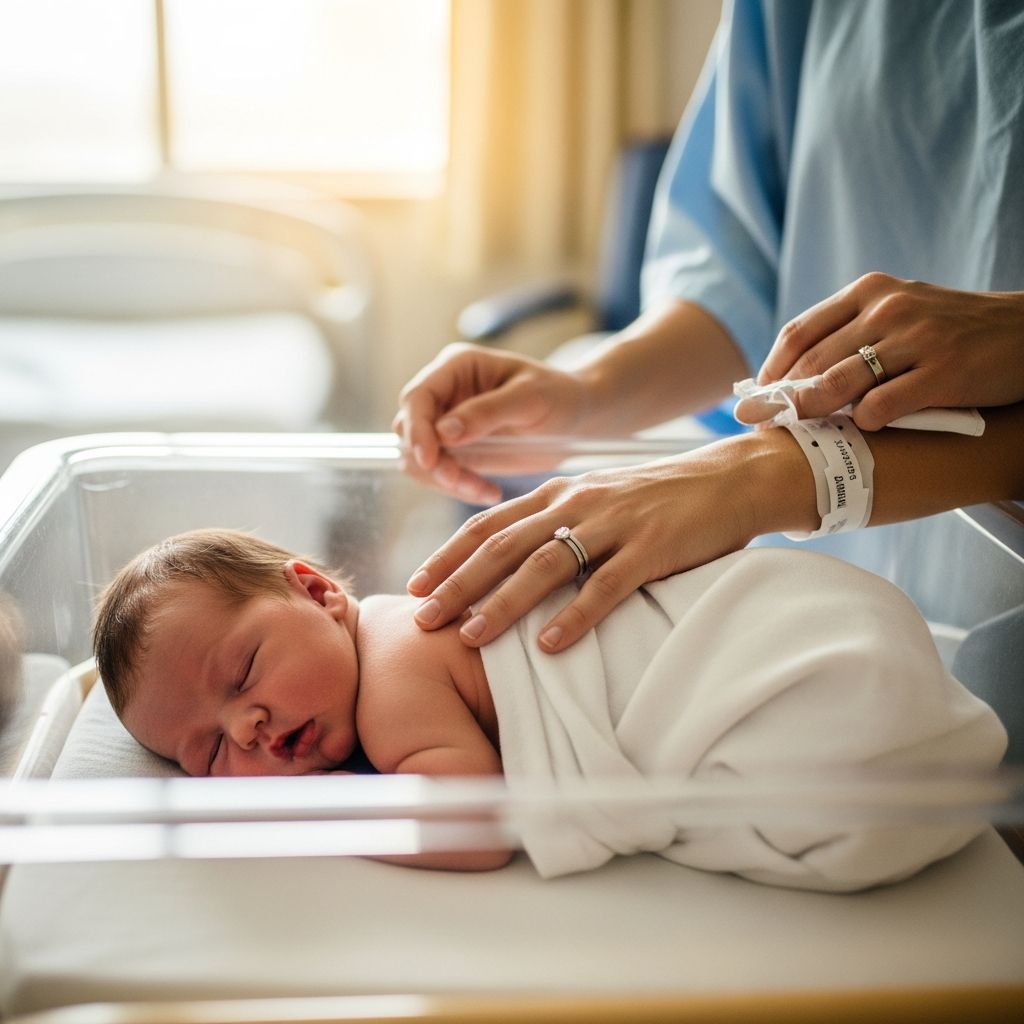
In the world of childbirth, plans often meet reality in surprising ways. This is the story of my first labor, where excitement for a natural birth evolved into decisions for an epidural and an unplanned cesarean section. Sharing these experiences helps demystify the process and offers reassurance to others facing similar paths.
Anticipating the Big Day
Pregnancy brings a mix of joy and preparation. I spent months envisioning a smooth vaginal delivery, attending classes, practicing breathing techniques, and packing a hospital bag with essentials like snacks and playlists. Visions of dim lights and supportive doulas filled my dreams. Yet, as many learn, flexibility becomes key.
By the third trimester, discomforts like backaches and swelling intensified. Friends shared tales of interventions, but I focused on positive affirmations. Little did I know, my body and baby had other ideas, leading to choices that prioritized safety over ideals.
The Onset of Labor: Early Signs and Hospital Arrival
Labor began subtly one evening with mild cramps that built into rhythmic contractions. Timing them at five minutes apart, my partner and I headed to the hospital around midnight. The triage nurse confirmed I was 4 centimeters dilated—a promising start.
Admitted to a delivery room, the atmosphere buzzed with calm efficiency. Monitors tracked contractions and the baby’s heart rate, which remained steady initially. Walking the halls helped progress, but fatigue set in quickly without prior restful sleep.
Intensifying Contractions and Pain Management Choices
As contractions strengthened, pain escalated. I tried positions like squatting and using a birthing ball, but relief was fleeting. Nurses offered options: nitrous gas, opioids, or an epidural. Initially resistant to anything invasive, I opted for laughing gas first.
Hours passed with minimal cervical change—stuck at 5 centimeters. Exhaustion mounted, compounded by the baby’s occasional heart rate dips during peaks. Medical staff monitored closely, explaining risks of prolonged labor.
- Nitrous oxide: Provided brief euphoria but didn’t dull deeper aches.
- Opioids like pethidine: Declined due to potential heart rate impacts on baby.
- Epidural: Emerged as the viable path for rest and progress.
Opting for the Epidural: A Turning Point
After weighing pros and cons—numbness below the waist versus rare complications like headache or drop in blood pressure—I consented. The anesthesiologist arrived swiftly, positioning me sideways. A local anesthetic stung briefly, followed by the catheter insertion.
Within minutes, relief washed over me. Legs heavy yet pain-free, I finally rested, dozing between checks. My partner held my hand, relieved to see me comfortable. Progress resumed, reaching 8 centimeters—a milestone that brought hope.
However, monitors revealed persistent heart rate variability. During intense contractions, dips signaled potential distress. Staff explained fetal heart rate tracing patterns, using tools like EBRAN (Evidence Based Birth Resource Aid for Neonatal decisions) to guide choices collaboratively.
Recognizing the Need for a Cesarean Section
Despite advances, full dilation stalled. Combined with heart rate concerns—decelerations not resolving with position changes or fluids—doctors recommended a cesarean. Overwhelmed, tears flowed, mourning the shift from my plan. Yet, rationality prevailed: baby’s safety first.
Preparation was methodical. IV fluids boosted, antibiotics administered for infection prevention. My partner donned scrubs; I signed consents amid explanations of the procedure’s low risks (infection under 5%, per CDC data).
| Factor | Vaginal Delivery | Cesarean Delivery |
|---|---|---|
| Progress | Stalled at 8cm | Immediate resolution |
| Baby Heart Rate | Intermittent dips | Monitored closely |
| Maternal Rest | Limited by pain | Epidural-enabled |
In the Operating Room: Calm Amid the Unknown
Wheeled to the OR, a sterile brightness contrasted the labor room’s warmth. Spinal block topped off the epidural for complete numbness. A curtain shielded the incision site. My partner sat by my head, squeezing my hand as the team worked efficiently.
Sensations were odd—tugging, pressure—but no pain. The anesthesiologist chatted to ease nerves. Suddenly, cries pierced the air—my daughter arrived at 39 weeks, healthy at 7 pounds 2 ounces, Apgar scores 9 and 9.
She was placed on my chest immediately, skin-to-skin fostering our bond. Stitches completed swiftly; recovery began promptly.
Immediate Post-Op Recovery and Bonding
Transferred to recovery, numbness receded gradually. Nurses encouraged movement to prevent clots. Pain managed with meds, I held my baby, breastfeeding successfully within hours—a triumph after the whirlwind.
My partner captured moments, family visited virtually. Emotional processing mixed relief with processing “what ifs.” Support groups later validated these feelings as normal.
Navigating Physical Healing After Cesarean
Discharged after 48 hours, home recovery involved rest, hydration, and wound care. Incision healed well, though mobility lagged initially. Gentle walks aided healing; constipation from meds challenged but resolved with stool softeners.
- Pain management: Ibuprofen and acetaminophen rotated effectively.
- Activity: Avoided lifting beyond baby weight for six weeks.
- Nutrition: High-fiber foods supported recovery and lactation.
By week four, energy returned; scar faded into a fine line—a badge of my story.
Emotional Reflections: From Disappointment to Empowerment
Grief for the unachieved vaginal birth surfaced, but therapy and mom forums reframed it. My cesarean saved potential complications, per ACOG guidelines on fetal distress. Celebrating the positive: calm surgery, immediate skin-to-skin, thriving baby.
This experience reshaped views on birth—less about “perfect,” more about safe arrival. It empowered advocacy in future pregnancies.
Practical Advice for Expectant Parents
Prepare for all scenarios:
- Discuss preferences: Birth plans as guides, not scripts.
- Learn interventions: Understand epidurals (effective in 90% cases, per NIH) and cesareans.
- Build support: Partners, doulas for emotional anchor.
- Postpartum plan: Meals, help for healing.
Frequently Asked Questions (FAQs)
Is an epidural safe during labor?
Yes, when administered by experts, it provides excellent pain relief with minimal risks like temporary low blood pressure, monitored closely.
What causes unplanned cesareans?
Common triggers include fetal distress, stalled labor, or breech position, decided via continuous monitoring.
How long does C-section recovery take?
Full recovery spans 6-8 weeks, with major improvements in 2-4 weeks using proper care.
Can you breastfeed after cesarean?
Absolutely; skin-to-skin and lactation support ensure success from the start.
Does epidural increase C-section risk?
Studies show slight correlation, but benefits often outweigh in prolonged labors.
Key Takeaways for Your Birth Preparation
Flexibility, informed consent, and trust in providers pave the way to positive outcomes, planned or not. My daughter’s first cry erased doubts—proof that love transcends delivery methods.
References
- Obstetric Care Consensus No. 1: First Trimester Rationale — The American College of Obstetricians and Gynecologists (ACOG). 2024-02-01. https://www.acog.org/clinical/clinical-guidance/obstetric-care-consensus/articles/2024/02/first-trimester-rationale
- CDC: Rates of Cesarean Delivery — United States, 2022 — Centers for Disease Control and Prevention (CDC). 2023-10-15. https://www.cdc.gov/nchs/data/vsrr/vsrr035.pdf
- Epidural Analgesia for Labor and Delivery — National Institutes of Health (NIH), PubMed. 2022-05-12. https://pubmed.ncbi.nlm.nih.gov/32530468/
- Fetal Heart Rate Monitoring Guidelines — World Health Organization (WHO). 2024-01-20. https://www.who.int/publications/i/item/9789240080802
- Postcesarean Recovery Recommendations — Royal College of Obstetricians and Gynaecologists (RCOG). 2023-11-08. https://www.rcog.org.uk/guidance/browse-all-guidance/green-top-guidelines/cesarean-section-green-top-guideline-no-45/