Unlocking Potential Through Specialized Summer Camps
For children living with neuromuscular diseases such as muscular dystrophy, summer camps tailored to their unique needs offer more than just a break from routine—they provide a gateway to independence, self-discovery, and lasting friendships. These camps are designed to ensure every child can participate fully, regardless of physical ability, and are staffed by trained professionals who prioritize safety, inclusion, and fun.
Building Confidence and Community
At specialized summer camps, children with neuromuscular conditions find a community where they are not defined by their diagnosis. Activities are adapted to accommodate a range of abilities, allowing campers to try new things, build self-esteem, and experience the joy of being part of a group. Campers often report feeling accepted and understood, which can be a rare experience outside of these supportive environments.
- Children develop greater self-confidence through participation in activities tailored to their abilities.
- Friendships formed at camp often last beyond the summer, providing a network of support.
- Parents frequently observe increased independence and self-advocacy in their children after attending camp.
Adaptive Activities and Inclusive Experiences
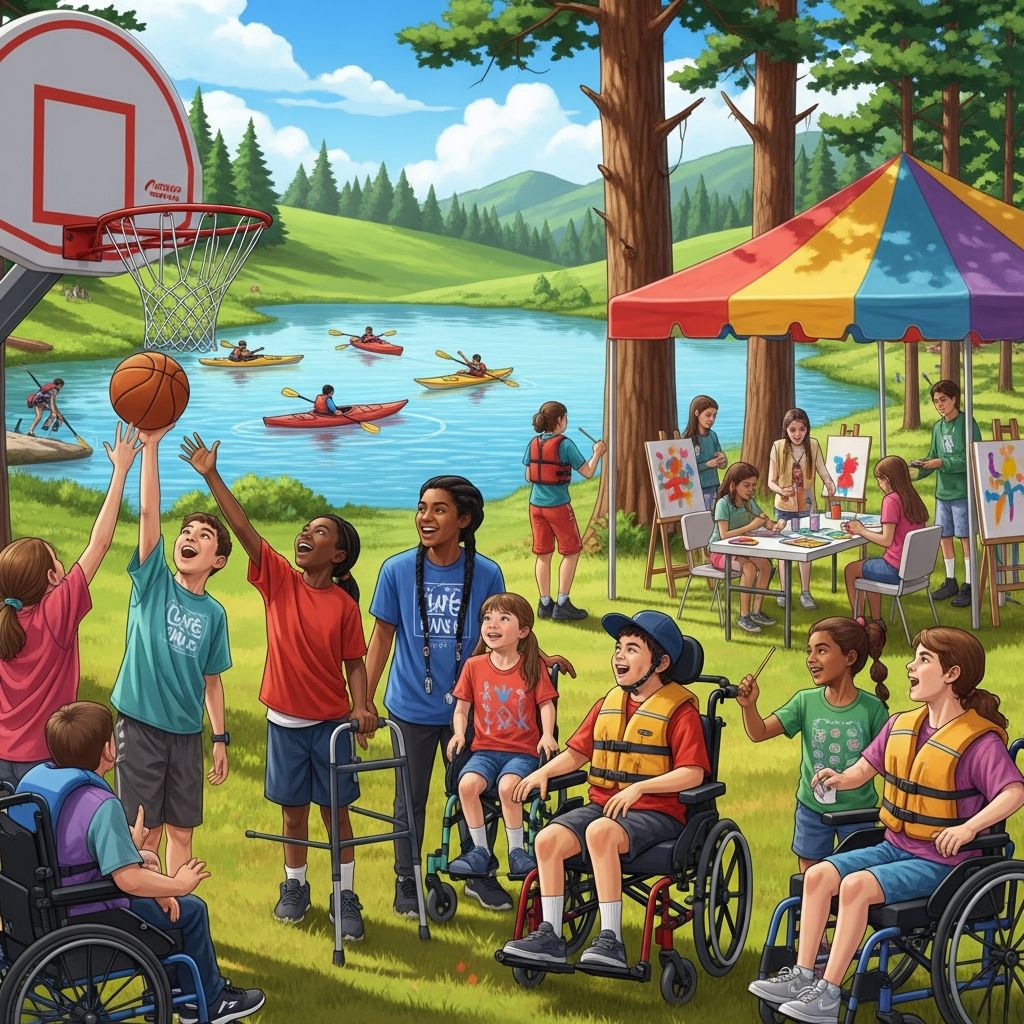
Summer camps for children with muscular dystrophy offer a wide range of activities, from arts and crafts to adaptive sports, all designed to be accessible and enjoyable. These experiences help children discover new interests and talents, while also fostering physical and emotional growth.
| Activity | Adaptation | Benefit |
|---|---|---|
| Arts and Crafts | Adapted tools and seating | Creative expression, fine motor skills |
| Adaptive Sports | Modified equipment, inclusive teams | Physical activity, teamwork |
| Nature Exploration | Accessible trails, guided activities | Connection to nature, sensory stimulation |
Medical Support and Safety
One of the most important aspects of these camps is the comprehensive medical support provided. Licensed health professionals, including nurses, physical therapists, and physicians, are on-site to ensure every camper’s medical needs are met. This allows parents to feel confident that their child is safe and well cared for, while also giving them a much-needed break from caregiving responsibilities.
- Medical teams review each child’s needs before camp and provide ongoing support throughout the week.
- Activities are closely monitored to ensure safety and inclusion for all participants.
- Parents receive detailed information about how to prepare their child for camp, including tips for managing transitions and new environments.
Volunteer Opportunities and Community Impact
These camps rely on dedicated volunteers, including healthcare students and community members, who play a crucial role in supporting campers and creating a positive experience. Volunteering at a muscular dystrophy summer camp offers valuable hands-on experience for those interested in healthcare, education, or social work, while also making a meaningful difference in the lives of children and families.
- Volunteers gain insight into the challenges faced by children with neuromuscular diseases.
- Medical students and professionals develop skills in rehabilitation and patient care.
- Community involvement strengthens support networks for families affected by neuromuscular conditions.
Frequently Asked Questions
- Who is eligible to attend a muscular dystrophy summer camp?
- Most camps are open to children and young adults ages 8-17 who have been diagnosed with a neuromuscular disease.
- Are there virtual camp options available?
- Yes, some camps offer virtual sessions to accommodate families who cannot attend in person.
- How are medical needs managed at camp?
- A team of licensed health professionals oversees all medical care, including medication administration and emergency response.
- What types of activities are offered?
- Activities include adaptive sports, arts and crafts, nature exploration, and more, all adapted to meet individual needs.
- How can families prepare for camp?
- Camps provide resources and guidance to help families prepare their child for the experience, including tips for managing transitions and new environments.
Conclusion
Muscular dystrophy summer camps are more than just a fun getaway—they are transformative experiences that empower children to build confidence, form lasting friendships, and discover their potential in a supportive, inclusive environment. By providing adaptive activities, comprehensive medical support, and opportunities for community involvement, these camps help children with neuromuscular conditions thrive and live without limits.