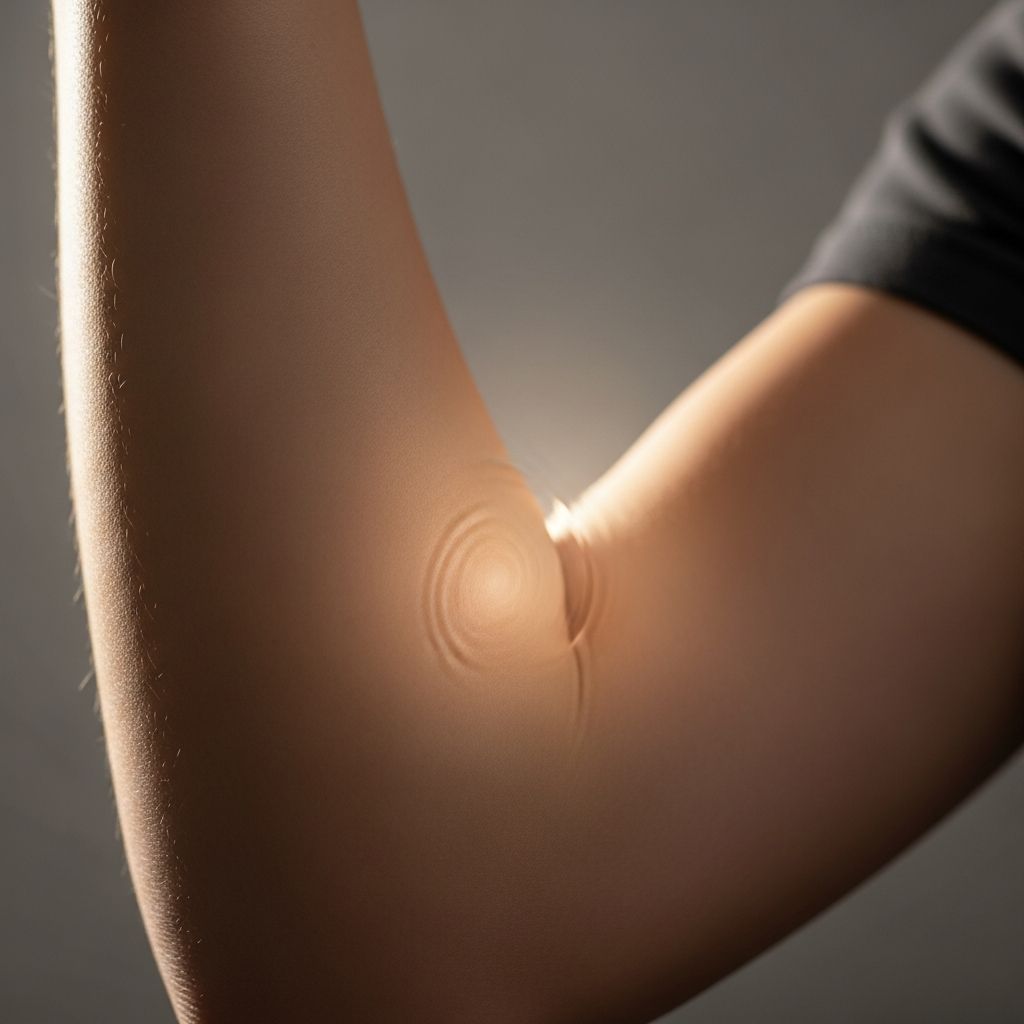
Feeling a tiny twitch in your eyelid, arm, or leg can be annoying and even a little scary. The good news is that most muscle twitches in teens are harmless and go away on their own. Still, it helps to understand why they happen, what you can do about them, and when a twitch might be a sign to talk with a doctor.
What Exactly Is a Muscle Twitch?
A muscle twitch is a brief, involuntary contraction of a small group of muscle fibers. Doctors often call these twitches fasciculations. You cannot control them and they may feel like:
- A quick flutter under the skin
- A tiny jump or “skip” in part of a muscle
- Repeated pulsing in the same spot for a few seconds or minutes
Nerves control your muscles by sending electrical signals. When a nerve is triggered or irritated, it can cause a muscle fiber to contract even when you are trying to relax, leading to a twitch.
Common Places Teens Notice Twitches
Twitches can technically happen in almost any muscle, but teens most often feel them in:
- Eyelids (especially after lots of screen time or little sleep)
- Calves or thighs after sports or exercise
- Thumbs or fingers after long hours texting or gaming
- Arms or shoulders after heavy workouts or carrying a backpack
These are usually short-lived and not a sign of a serious problem.
Why Do Muscle Twitches Happen?
There is rarely just one cause of twitching. Often, several small things add up. Below is a table comparing some of the most common everyday triggers with some less common but more serious causes.
| Type of Cause | Examples | What It Looks/Feels Like |
|---|---|---|
| Everyday lifestyle triggers | Lack of sleep, stress, caffeine, intense exercise, dehydration | Brief twitches in eyelids or limbs, usually no weakness or other symptoms |
| Nutrient / electrolyte issues | Low levels of calcium, magnesium, potassium, or certain vitamins | May include cramps, twitching, or tingling, sometimes after sweating or illness |
| Medication or stimulant effects | Caffeine, energy drinks, some medicines, other stimulants | Twitching that worsens with use and improves when you cut back |
| Nervous system or muscle disorders (rare) | ALS, neuropathy, spinal muscular atrophy, some autoimmune or metabolic diseases | Twitching plus muscle weakness, shrinking muscles, or trouble controlling movement |
Everyday Reasons Your Muscles Might Twitch
For most teens, twitches are linked to habits, schedule, or stress. Common non-serious triggers include:
- Not enough sleep: Sleep helps nerves and muscles recover. Lack of sleep raises stress chemicals in the body and can make twitches more likely.
- Stress and anxiety: When you are stressed, your body releases adrenaline and other chemicals that make nerves more reactive, which can cause small, random contractions.
- Caffeine and energy drinks: Caffeine acts as a stimulant. High doses from coffee, tea, soda, or energy drinks can overstimulate nerves and trigger twitching.
- Hard workouts or sports: Vigorous or long exercise sessions can leave muscles tired and irritated. This fatigue, along with changes in electrolytes from sweating, may cause twitches afterward.
- Dehydration: Losing fluid from sweating, vomiting, or diarrhea can upset the balance of electrolytes like sodium, potassium, calcium, and magnesium, which muscles need to contract smoothly.
Nutrient and Electrolyte Imbalances
Your muscles depend on the right amounts of several minerals and vitamins in the blood. If levels drop or become unbalanced, twitching can happen more easily.
Important nutrients for nerve and muscle health include:
- Calcium: Helps trigger muscle contractions. Low calcium can lead to twitches, spasms, and cramps.
- Magnesium: Supports normal nerve signaling. A deficiency can cause twitching and muscle cramps.
- Potassium: Keeps electrical signals in nerves and muscles stable. Very low potassium may cause weakness, irregular heartbeat, and cramps.
- Vitamin D: Helps your body absorb calcium. Inadequate vitamin D can contribute to muscle symptoms.
- Vitamin B12: Important for healthy nerves. Low B12 can cause numbness, tingling, and sometimes muscle problems.
These issues are more likely if you have a very limited diet, follow a restrictive eating pattern without guidance, or have a condition that affects nutrient absorption.
When Twitching Might Be a Sign of Something More Serious
Although rare in teens, muscle twitching can sometimes be one symptom of a neurological or muscle disorder. In these conditions, twitches usually do not appear alone. Other warning signs are almost always present.
Conditions that can include twitching as one of several symptoms include:
- Nerve damage (neuropathy or pinched nerves): A damaged or compressed nerve can cause twitching, numbness, tingling, or weakness in the area that nerve supplies.
- Motor neuron diseases (such as ALS): These are rare disorders that cause progressive muscle weakness, twitching, and muscle wasting over time.
- Spinal muscular atrophy: A rare condition, usually starting in childhood, that leads to weakness, low muscle tone, and sometimes twitching.
- Metabolic or kidney problems: Some metabolic disorders or severe kidney disease can cause abnormal electrolyte levels and twitching.
- Autoimmune or rare nerve conditions: Disorders such as Isaac syndrome can lead to overactive nerves that cause constant or widespread twitching and stiffness.
These problems often have a clear pattern over weeks or months, such as slowly worsening weakness or visible loss of muscle size, not just brief random twitches.
Red Flag Symptoms: When to Call a Doctor
Most twitching is nothing to worry about. However, you should reach out to a doctor or nurse if you notice any of the following along with your twitches:
- Muscle weakness that is new, getting worse, or affecting daily activities
- Difficulty walking, climbing stairs, or holding objects
- Visible shrinking of a muscle (muscle wasting)
- Problems with speaking, swallowing, or breathing
- Changes in sensation such as numbness, burning, or tingling
- Twitching that is constant, widespread, or keeps you from sleeping
- Recent severe illness, unexplained weight loss, or persistent fatigue
- History of serious nerve or muscle disease in your family and new symptoms appearing
If you ever have sudden trouble breathing, speaking, or moving one side of your body, seek emergency care right away.
How Doctors Evaluate Muscle Twitches
If you see a doctor about twitching, they will start with questions and a physical exam. They may ask about:
- When the twitching started and how often it happens
- Exactly where on your body you feel the twitches
- How much caffeine you drink and your sleep habits
- Your typical diet, exercise routine, and stress level
- Any other symptoms, such as weakness, cramps, or numbness
- Medicines, supplements, or substances you use
Based on what they find, they may suggest tests such as:
- Blood tests to check electrolytes (like calcium, magnesium, potassium), kidney function, and certain vitamins.
- Nerve and muscle tests such as electromyography (EMG) if they suspect a nerve or muscle disorder.
- Imaging (like MRI) if they think a pinched nerve or spinal problem is involved.
Often, when twitches are clearly related to lifestyle factors and there are no red flags, no advanced testing is needed.
Simple Ways to Calm Harmless Twitches
If your doctor believes your twitching is benign (not from a disease), there are several steps you can try at home to help reduce or prevent them:
- Improve your sleep routine
- Aim for 8–10 hours of sleep per night, which is recommended for most teens.
- Keep a regular schedule, even on weekends.
- Limit screens for at least 30–60 minutes before bed.
- Cut back on stimulants
- Reduce coffee, tea, soda, and energy drinks.
- Avoid high-caffeine pre-workout supplements without medical guidance.
- Stay hydrated
- Drink water regularly throughout the day, especially during and after exercise.
- Replace fluids lost from sweating, vomiting, or diarrhea promptly.
- Fuel your body well
- Eat a varied diet with fruits, vegetables, whole grains, dairy or fortified alternatives, and protein.
- Talk to a health professional before taking supplements for calcium, magnesium, vitamin D, or B12.
- Balance your workouts
- Warm up before intense exercise and cool down afterward.
- Gradually increase training intensity instead of making sudden big jumps.
- Manage stress and anxiety
- Try deep breathing, stretching, yoga, or short walks.
- Consider journaling, music, or talking to a trusted person when stressed.
For twitches that feel especially annoying, gentle stretching or massaging the area may help the muscle relax.
Can You Prevent Muscle Twitches Completely?
Probably not. Even very healthy people sometimes experience a random twitch now and then. What you can do is lower how often they happen and how much they bother you by:
- Keeping sleep and stress as balanced as possible
- Avoiding heavy caffeine use
- Staying hydrated and eating regularly
- Getting medical advice if something feels off or persists
Most benign twitches get better over days to weeks once the trigger is removed or reduced.
Living with Frequent but Benign Twitching
Some people have frequent twitches for long periods even though tests show no serious illness. Doctors may call this benign fasciculation if there is no progressive weakness or other concerning signs.
If this is your situation, it may help to:
- Understand that the twitches are bothersome but not dangerous
- Focus on healthy routines rather than constantly checking the twitching spots
- Limit online searching, which can increase anxiety
- Ask your doctor how often you should follow up
Sometimes, anxiety about twitching can make it more noticeable. Talking with a mental health professional can help break that cycle.
Frequently Asked Questions (FAQs)
Are muscle twitches in teens usually serious?
Most muscle twitches in teens are not serious and are often related to stress, fatigue, caffeine, or exercise. Serious causes almost always include other symptoms like weakness or changes in movement.
How long should a normal twitch last?
A typical benign twitch may last a few seconds to several minutes and then stop. It might return off and on over a few days but should gradually become less frequent.
Can anxiety really cause muscle twitching?
Yes. Stress and anxiety increase the activity of the nervous system and can make nerves more likely to fire, which may cause twitching. This does not mean the twitch is dangerous, but it can feel uncomfortable.
Should I be worried about ALS if I have twitches?
ALS is rare in teens. In ALS and similar conditions, twitching almost always occurs together with clear, progressive weakness, muscle wasting, and trouble controlling movements. If you do not have these additional signs, a serious disease is much less likely, but you can always check with a doctor for reassurance.
When is it okay to just watch and wait?
It is usually reasonable to watch and wait if your only symptom is twitching, you feel well otherwise, and you can link it to things like poor sleep, lots of caffeine, or a heavy workout. If it does not improve after a few weeks of healthy changes, or if new symptoms appear, contact a health professional.
References
- Muscle twitching — MedlinePlus Medical Encyclopedia. 2023-05-15. https://medlineplus.gov/ency/article/003296.htm
- Muscle twitch: Causes, symptoms, treatment, and prevention — Medical News Today. 2019-10-31. https://www.medicalnewstoday.com/articles/324641
- Muscle Twitching — Cleveland Clinic. 2022-06-01. https://my.clevelandclinic.org/health/symptoms/15301-myoclonus-muscle-twitch
- Common Causes of Muscle Twitching — GoodRx Health. 2023-01-11. https://www.goodrx.com/conditions/musculoskeletal/what-causes-muscle-twitching
- Annoying Muscle Twitch? When to Seek Help — Rush University Medical Center. 2021-08-18. https://www.rush.edu/news/annoying-muscle-twitch-when-seek-help
- My Muscles are Twitching: Should I Be Worried? — LCMC Health. 2023-02-24. https://www.lcmchealth.org/east-jefferson-general-hospital/blog/2023/february/my-muscles-are-twitching-should-i-be-worried-/