The Growing Phenomenon of Multiple Births
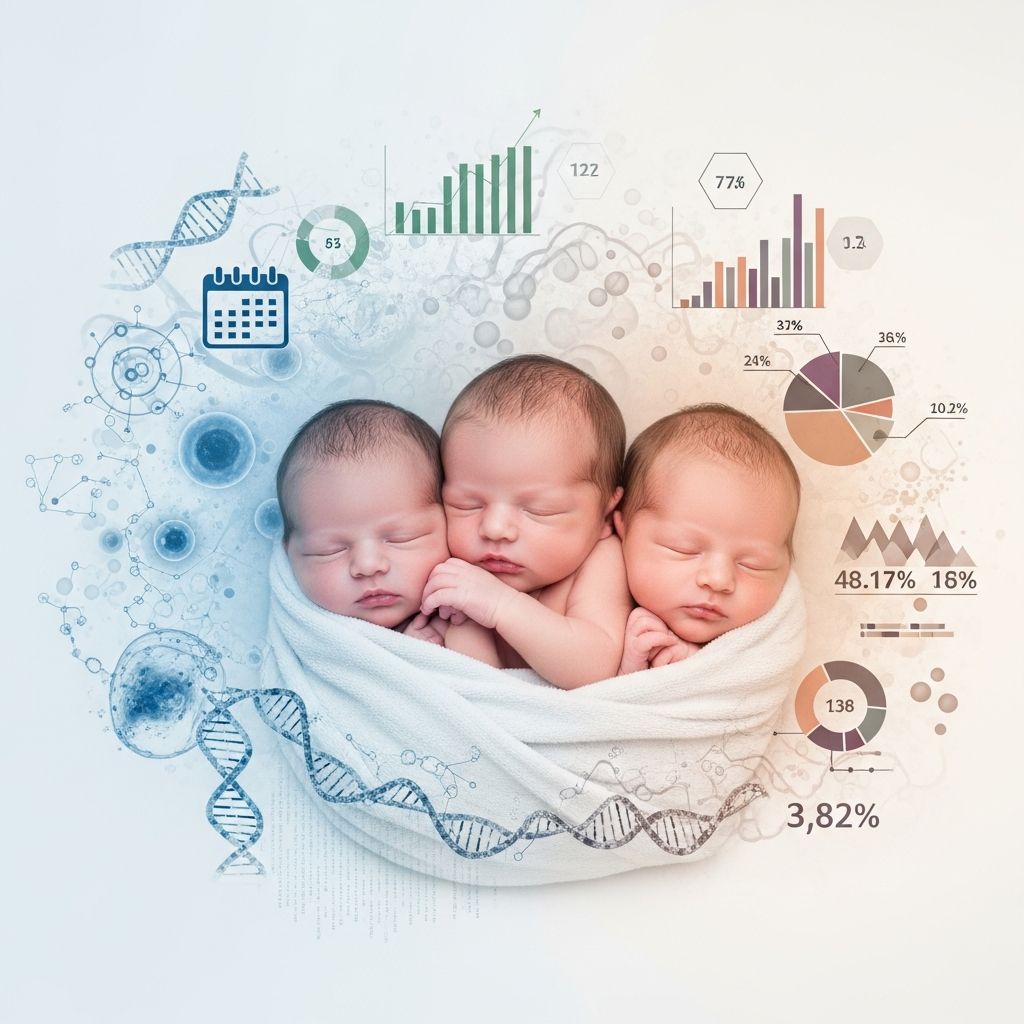
The birth of twins and other multiples represents one of the most remarkable outcomes in modern obstetrics. Over the past four decades, the prevalence of multiple births has increased dramatically across developed nations. In the United States alone, the twin birth rate has surged approximately 70 percent since 1980, rising from roughly 18 per 1,000 live births to over 30 per 1,000 live births in recent years. This upward trajectory reflects significant changes in reproductive patterns, maternal age demographics, and widespread use of assisted reproductive technologies. Despite this growth, multiple births remain relatively uncommon, accounting for only about 3 percent of all deliveries. Understanding the mechanisms behind multiple pregnancies, the factors that influence their likelihood, and the distinctive characteristics of different types of multiples provides expectant parents and the general public with valuable insights into this fascinating biological phenomenon.
How Multiple Pregnancies Develop: The Biological Foundation
Multiple pregnancies originate through two fundamentally different biological pathways, each producing distinct outcomes. Understanding these mechanisms is essential for comprehending the differences between identical and fraternal multiples.
Identical Twins: When One Becomes Two
Identical twins, scientifically termed monozygotic twins, arise when a single sperm fertilizes one egg, and subsequently, this fertilized embryo spontaneously divides into two separate entities. This division typically occurs within the first fourteen days following fertilization. Because both embryos originate from identical genetic material, identical twins share 100 percent of their DNA, resulting in remarkable physical similarities and always matching biological sex. The occurrence of identical twins appears to be a random biological event with no genetic predisposition; therefore, identical twinning occurs with relatively consistent frequency across all populations and demographic groups, affecting approximately 3 to 5 in every 1,000 births worldwide. Interestingly, the propensity for identical twinning cannot be inherited, as the event itself is unpredictable and not influenced by family history or maternal characteristics.
Fraternal Twins: Multiple Eggs, Multiple Sperm
Fraternal twins, formally known as dizygotic twins, form through a distinctly different mechanism. During ovulation, a woman’s ovary releases multiple eggs instead of the single egg typical in most menstrual cycles. When each of these eggs becomes fertilized by separate sperm cells, fraternal twins result. Fraternal twins share approximately 50 percent of their DNA, similar to biological siblings born at different times. Importantly, fraternal twins may be of different sexes and can display varying physical characteristics. Fraternal twinning demonstrates a strong hereditary component, particularly on the maternal side of the family, as women with a family history of releasing multiple eggs during ovulation show elevated likelihood of conceiving fraternal multiples. Fraternals constitute approximately 70 percent of all twin pregnancies, making them substantially more common than identical twins.
The Vanishing Twin Phenomenon: A Lesser-Known Reality
One of the most surprising discoveries in reproductive medicine involves the phenomenon known as vanishing twin syndrome. Research indicates that approximately 1 in 8 pregnancies begin with two embryos, yet only 1 in 70 pregnancies result in the delivery of two babies. This discrepancy occurs because one embryo fails to develop properly, typically early in pregnancy, and is naturally reabsorbed by the body. The surviving fetus absorbs the tissue of its non-viable sibling through a process that leaves minimal evidence by the time of delivery. This occurrence happens most frequently during the first trimester, when many women may not even realize they conceived multiples. Modern ultrasound technology has made detection of vanishing twin more common, yet many instances go unrecognized because early pregnancy loss of one twin often produces no symptoms beyond what might be attributed to a singleton pregnancy.
Statistical Landscape: By The Numbers
Current Birth Rate Data
Recent statistics paint a detailed picture of multiple birth prevalence in contemporary society. In the most recent complete data year, the United States recorded 110,393 twin births, with a twin birth rate of 30.7 per 1,000 live births. Triplet births occurred in 2,505 instances, while quadruplet and higher-order births numbered only 148 cases. These numbers underscore how dramatically rarer higher-order multiples have become compared to twins. The triplet or higher-order birth rate stands at 73.8 per 100,000 live births, indicating that such pregnancies represent extraordinary medical events. Globally, the picture differs somewhat, with approximately 33 sets of twins born per 1,000 births in the United States as of recent counts, representing a dramatic increase from historical baselines. Worldwide, only about 1 to 1.2 percent of live births result in twins, with the United States experiencing rates substantially higher than the global average.
Geographic Variations in the United States
The distribution of multiple births across American states reveals intriguing regional patterns. New Jersey holds the distinction of having the highest percentage of twin births among all states, with approximately 4.31 percent of deliveries producing twins according to recent CDC data. However, California hosts the largest absolute number of twin births due to its massive population, with nearly 46,559 twin pairs born in a single reporting year. Conversely, New Mexico demonstrates the lowest twin birth rate nationally at 2.4 percent, while Vermont recorded the fewest twin births in absolute numbers with only 599 pairs during the same period. These variations likely reflect differences in maternal age, ethnicity composition, and access to fertility treatments across different regions.
Demographic and Genetic Influences on Twin Conception
The Impact of Maternal Age
One of the most significant predictors of multiple birth likelihood is maternal age at conception. Research consistently demonstrates that older mothers experience substantially higher rates of fraternal twins. Women between ages 30 and 39 are approximately twice as likely to conceive fraternal twins compared to mothers under age 20, while women over 40 face three times the likelihood of fraternal twinning. This age-related increase occurs because older women experience physiological changes in ovulation patterns, releasing multiple eggs more frequently than younger women. The CDC determined that approximately one-third of the overall increase in multiple birth rates over recent decades can be directly attributed to women choosing to delay childbearing into their thirties and forties. Notably, this pattern reverses for women pursuing in vitro fertilization, where advancing maternal age actually decreases twin conception rates, likely due to diminished egg quality and fertilization success with aging.
Ethnicity and Genetic Predisposition
Fascinating variations in twin birth rates exist across different ethnic and racial groups. African American women demonstrate the highest natural rate of fraternal twinning among all racial groups in the United States. White women assigned female at birth, particularly those over age 35, show the highest rates of higher-order multiples such as triplets. Asian Americans and Native Americans experience the lowest rates of natural twin conception. Internationally, these patterns continue, with Nigerian populations showing the highest global rates of fraternal twinning, while Japanese populations demonstrate among the lowest frequencies. These variations reflect genetic differences in ovulation patterns and hormone levels that influence the propensity to release multiple eggs during individual menstrual cycles.
Family History and Prior Pregnancies
A personal or family history of multiple pregnancies significantly influences the likelihood of future fraternal twinning. Women who have previously experienced a multiple pregnancy substantially increase their chances of conceiving fraternal twins again, as their bodies appear predisposed toward releasing multiple eggs. Additionally, women with four or more prior pregnancies between ages 35 and 40 are three times more likely to conceive twins compared to women under 20 without previous pregnancies. This cumulative effect suggests that repeated pregnancy itself may alter ovulation patterns or hormone dynamics in ways that favor fraternal twinning. Interestingly, if previous twins were identical, the chances of having another set of identical twins return to baseline levels, approximately 1 in 250 pregnancies, since identical twinning remains a random occurrence uninfluenced by maternal characteristics or family history.
Fertility Treatments and Multiple Birth Risk
Ovulation-Stimulating Medications
Fertility medications represent one of the most significant modifiable factors influencing multiple birth likelihood. Clomiphene citrate (Clomid), one of the most commonly prescribed fertility drugs, increases the twin conception rate to approximately 7.4 percent, substantially higher than the natural rate. Letrozole (Femara), an alternative ovulation stimulant, produces somewhat lower rates at 3.4 percent. More dramatically, injectable gonadotropins like follicle-stimulating hormone (FSH) elevate the twin conception rate to approximately 30 percent, representing a tenfold increase compared to natural conception. These medications work by stimulating the ovaries to produce multiple mature eggs during a single cycle, directly increasing the probability that multiple eggs will be fertilized and result in fraternal twins or higher-order multiples.
In Vitro Fertilization Outcomes
In vitro fertilization technology carries substantial multiple birth risk, particularly when multiple embryos are transferred. For women under age 35, IVF with fresh embryo transfer results in twin pregnancies at a rate of 12.1 percent. Women aged 35 to 37 experience a slightly lower rate of 9.1 percent, while women aged 38 to 40 face a 5.3 percent twin conception rate, and those 43 and older drop to just 0.5 percent. These declining rates with age reflect decreased fertility and embryo viability in older women. The mechanism of IVF-related multiple births occurs when clinicians transfer multiple embryos to increase the likelihood of successful implantation; when all transferred embryos implant and develop, twins or higher-order multiples result. Interestingly, complex scenarios can occur, such as when one transferred embryo spontaneously divides while others implant, potentially creating fraternal-identical chimeras with both types of multiples present.
Early Detection and Prenatal Bonding
Modern obstetric imaging has revealed remarkable insights into twin development and behavior in utero. Research utilizing three-dimensional ultrasound technology found that twin fetuses demonstrate interactive touching behaviors as early as 14 weeks of gestation, suggesting prenatal bonding and awareness of each other’s presence. These ultrasound observations challenge previous assumptions that twins existed in isolation until birth and demonstrate that maternal-fetal bonding may extend to sibling recognition before delivery. Understanding these early developmental milestones provides additional context for the biological and emotional reality of multiple pregnancies.
Health Considerations in Multiple Pregnancy
Multiple pregnancies present unique medical considerations distinct from singleton pregnancies. Pregnancies involving identical twins who share a single placenta face particular risks, including twin-to-twin transfusion syndrome (TTTS), a condition occurring in approximately 10 to 15 percent of monozygotic pregnancies sharing a placenta. This syndrome develops when blood transfuses abnormally between the twin fetuses through placental connections, potentially creating significant health disparities requiring specialized monitoring and sometimes intervention. Maternal complications also increase with multiple pregnancies, including elevated risks of gestational diabetes, preeclampsia, and premature delivery. These medical considerations necessitate specialized prenatal care and more frequent monitoring compared to singleton pregnancies.
Frequently Asked Questions About Multiple Births
Q: Can you increase your chances of having twins naturally?
A: You cannot reliably increase identical twinning odds, as that remains a random occurrence. However, you can slightly increase fraternal twinning by delaying childbearing past age 30, as older women naturally release more eggs during ovulation. Family history of fraternal twins also increases likelihood, particularly maternal family history.
Q: Are identical twins always the same sex?
A: Yes, identical twins always share the same biological sex at birth because they originate from a single fertilized egg containing the same chromosomes. Fraternal twins, conversely, can be different sexes just like regular siblings.
Q: How common is vanishing twin syndrome?
A: While estimates suggest 1 in 8 pregnancies start as multiples, only 1 in 70 deliver multiples, meaning most cases of vanishing twin go undetected because they occur early in pregnancy without obvious symptoms to the mother.
Q: Does fertility treatment always increase multiple birth risk?
A: Fertility treatments significantly increase multiple birth likelihood, but the degree varies by medication type. Injectable gonadotropins carry the highest risk at approximately 30 percent, while some medications carry more modest increases to natural baseline rates.
Q: If I have fraternal twins, are my chances of having twins again higher?
A: Yes, if your previous twins were fraternal, your chances of conceiving fraternal twins again are substantially elevated compared to women without prior multiple pregnancies. However, if your previous twins were identical, your chances return to baseline rates of approximately 1 in 250.
References
- FastStats – Multiple Births — Centers for Disease Control and Prevention. 2024. https://www.cdc.gov/nchs/fastats/multiple.htm
- 18 Fun Facts About Twins — Loma Linda University Center for Fertility and IVF. https://lomalindafertility.com/twins-facts/
- Overview of Multiple Pregnancy — Stanford Medicine Children’s Health. https://www.stanfordchildrens.org/en/topic/default?id=overview-of-multiple-pregnancy-85-P08019
- How to Have Twins: The Science Behind Multiples — The Bump. https://www.thebump.com/a/how-to-have-twins
- What Are the Chances of Having Twins and Can You Increase Them? — Healthline. https://www.healthline.com/health/pregnancy/chances-of-having-twins
- Pregnant with Twins — National Health Service (NHS). https://www.nhs.uk/pregnancy/your-pregnancy-care/pregnant-with-twins/
- Multiple Birth Statistics — Twins Trust. https://twinstrust.org/