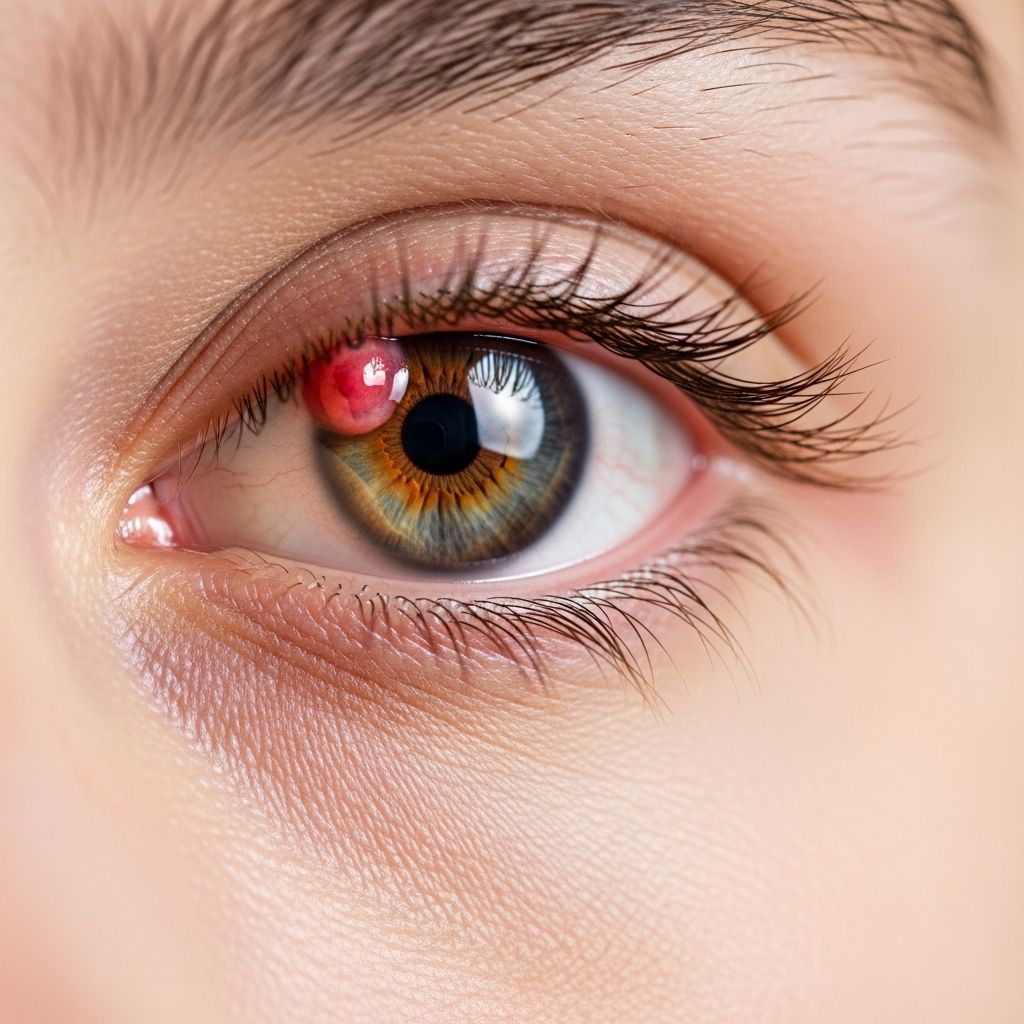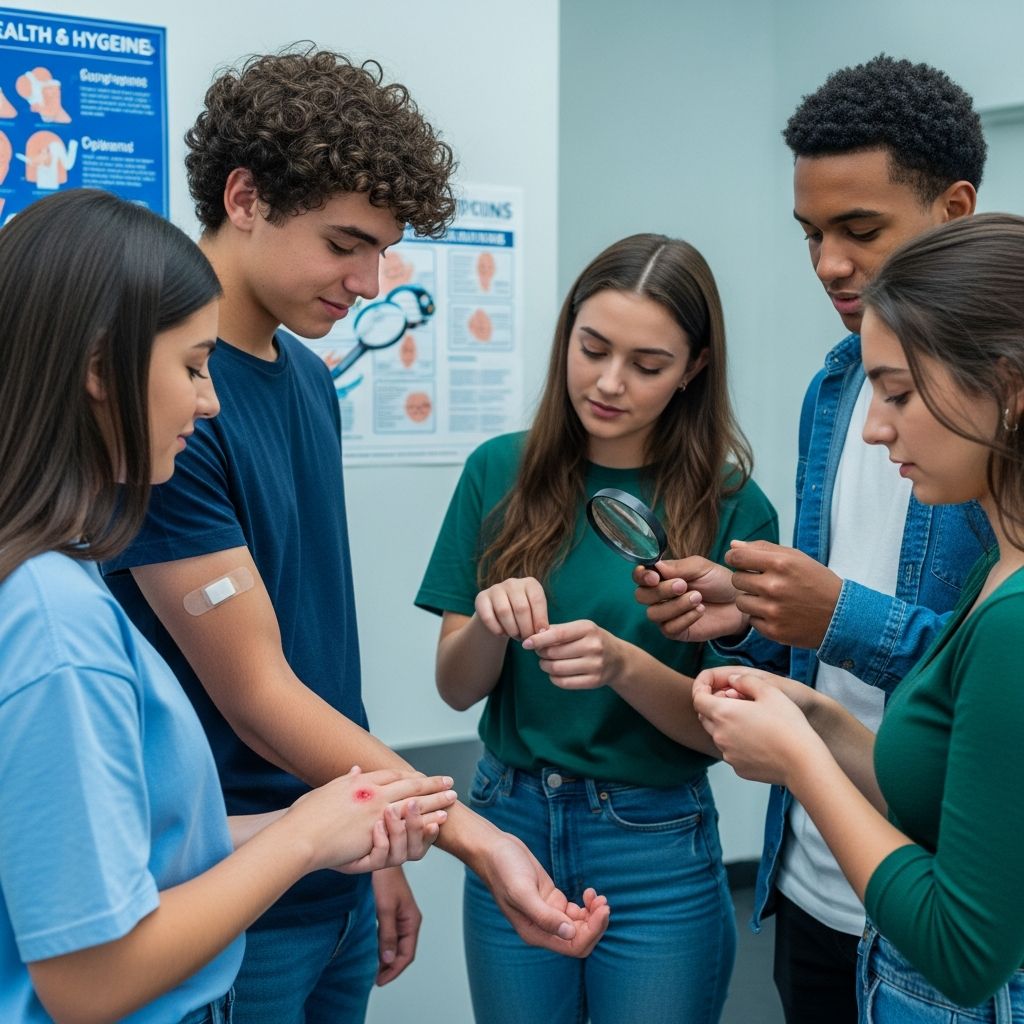
MRSA may sound like a complicated medical term, but it is simply a kind of staph bacteria that has learned how to resist some of the antibiotics doctors usually use to treat infections. Understanding how MRSA behaves, how it spreads, and what early warning signs look like can help teens protect themselves and get help quickly if something seems wrong.
This guide explains MRSA in clear language, focusing on situations common for teenagers, such as sports teams, locker rooms, sleepovers, and shared electronics. You will learn how to spot a possible MRSA skin infection, how doctors treat it, and what you can do every day to lower your risk and keep the people around you safer.
What Is MRSA, in Simple Terms?
MRSA stands for Methicillin-Resistant Staphylococcus aureus. “Staph” bacteria normally live on human skin and in the nose and usually cause no problems at all. Trouble starts when these bacteria get inside the body through a cut, scrape, or other break in the skin and begin to multiply.
The “resistant” part means this particular strain of staph is harder to kill with some common antibiotics. That does not mean it cannot be treated. Instead, health professionals must choose other medications or procedures that still work against these bacteria.
How MRSA Fits Into Everyday Life
Most teens come across staph bacteria without realizing it. These germs can live harmlessly on the skin or in the nose of healthy people who never feel sick. The concern with MRSA is that if it enters damaged skin or deeper tissues, it may cause infections that do not respond to the usual first-choice drugs.
There are two broad settings where MRSA shows up:
- Community-associated MRSA (CA-MRSA): Infections that happen in otherwise healthy people outside of hospitals, often linked to close physical contact, shared equipment, or crowded conditions.
- Healthcare-associated MRSA (HA-MRSA): Infections that appear more often in hospitals, long-term care facilities, or in people with serious medical conditions or devices like catheters.
Teens usually encounter the community type, especially around sports, clubs, or social activities where people share space, objects, and sometimes personal items.
How MRSA Spreads Among Teens
MRSA spreads mostly by direct contact with infected skin or with objects that have touched infected areas. You cannot “see” MRSA on surfaces, so prevention depends on habits rather than trying to spot germs with your eyes.
Common Ways MRSA Can Spread
- Skin-to-skin contact during sports like wrestling, football, basketball, or martial arts.
- Sharing personal items such as razors, towels, washcloths, makeup brushes, or bar soap.
- Using unclean gym equipment, mats, benches, or shared training gear without a barrier or proper cleaning.
- Not covering cuts, scrapes, or turf burns, allowing bacteria to enter or leave the body through broken skin.
- Living or spending long periods in crowded places where people are often in close contact, such as dorms, camps, or locker rooms.
MRSA is not spread through casual quick contact like walking by someone in a hallway, but the more intense and frequent the contact, the higher the risk if the bacteria are present.
Warning Signs: What MRSA Skin Infections Often Look Like
MRSA infections commonly start on the skin. They may be mistaken for a simple pimple, bug bite, or ingrown hair at first. Paying attention to how the area looks and feels over time is important, because MRSA-related sores tend to get worse rather than better.
Typical Skin Changes to Watch For
- A red, painful bump that may look like a pimple, boil, or spider bite.
- Swelling or warmth around the spot; the area may feel hot to the touch.
- Thick yellow or whitish fluid (pus) or other drainage coming from the bump.
- A sore that gets larger quickly or does not improve over several days.
- Multiple sores or blisters in one area, especially under equipment straps or clothing seams.
Sometimes these infections appear in areas covered by clothing or equipment, like the thighs, buttocks, armpits, or under pads and uniforms, so they can be easy to miss unless you regularly check your skin.
When MRSA Becomes More Serious
Most MRSA problems in teens involve the skin, but in some cases the bacteria can spread deeper into the body. This is more serious and can affect the bloodstream, lungs, or other organs. These situations require urgent medical care.
Red flags that suggest the infection might be spreading beyond the skin include:
- High fever or chills along with a skin infection.
- Feeling unusually tired, weak, or confused.
- Shortness of breath, chest pain, or a very rapid heartbeat.
- Red streaks spreading out from the infected area, or large areas of redness.
- Severe pain that seems out of proportion to how the skin looks.
These symptoms can signal a more serious infection that needs hospital-level care, such as intravenous antibiotics or other procedures.
How Doctors Diagnose MRSA
A healthcare provider usually starts with a physical exam and questions about the sore and your recent activities, such as sports, travel, or contact with others who have had infections. The provider will look closely at the skin for signs of pus, warmth, and tenderness.
To confirm MRSA, a small sample may be taken from the wound or from inside the nose using a swab. This sample is sent to a lab, where technicians find out which bacteria are present and which antibiotics are still effective. In more serious cases, blood tests or imaging studies may be used to check whether the infection has spread deeper.
Treatment Options: What to Expect
Treatment depends on how advanced the infection is and where it is located. Many mild skin infections can be managed as outpatient cases, meaning the teen can stay at home while following the treatment plan.
Common Parts of a Treatment Plan
- Drainage of the sore: For many boils and abscesses, a provider makes a small cut to let pus drain out. This should only be done by a trained professional, not at home, to avoid spreading the bacteria or causing more damage.
- Antibiotics: If needed, the provider will prescribe antibiotics that MRSA is still sensitive to. It is critical to take the full course exactly as directed, even if the sore looks better earlier.
- Wound care at home: Instructions may include cleaning the area, changing bandages, and watching for signs that the infection is getting worse.
- Hospital care: More serious infections may require hospital admission, intravenous antibiotics, and close monitoring.
Following the full treatment plan helps prevent the infection from returning and lowers the chances of the bacteria becoming resistant to more medications.
Daily Habits That Help Prevent MRSA
The most effective way to reduce MRSA risk is to block common paths the bacteria use to move from person to person. Small changes in routine can make a big difference, especially in environments like gyms, locker rooms, and team buses.
Practical Prevention Tips for Teens
- Wash hands often with soap and water for at least 20 seconds, especially after sports or using shared equipment.
- Carry an alcohol-based hand sanitizer for times when soap and water are not available.
- Keep cuts, scrapes, and blisters clean and covered with a dry bandage until they heal.
- Avoid sharing towels, razors, clothing, uniforms, or pads that touch bare skin.
- Shower as soon as possible after practice or games, and put on clean clothes.
- Clean and disinfect personal sports gear and water bottles regularly.
- Report suspicious skin sores early to a parent, coach, school nurse, or healthcare provider.
Teams and schools can support these efforts by keeping facilities clean, providing places to wash hands, and encouraging students to speak up about injuries and infections.
MRSA Risk Factors Especially Relevant for Teens
Not every teen faces the same level of risk. Certain activities and health conditions create more opportunities for MRSA to spread or cause serious disease. Understanding these factors helps teens and families stay alert in higher-risk situations.
| Risk Situation | Why It Matters | Simple Protection Step |
|---|---|---|
| Contact sports (e.g., wrestling, football) | Frequent skin-to-skin contact and minor injuries provide entry points for bacteria. | Cover wounds, shower soon after practice, and avoid sharing personal items. |
| Crowded locker rooms and gyms | Shared benches, mats, and equipment can carry bacteria from person to person. | Use a barrier (like a towel) on benches and clean equipment before use. |
| Living in close quarters (dorms, camps) | Many people in one space makes it easier for germs to spread. | Keep personal items separate and practice frequent handwashing. |
| Chronic skin conditions (e.g., eczema) | Damaged or dry skin provides more openings for bacteria. | Follow skin-care plans, moisturize, and treat flare-ups early. |
| Recent antibiotics or hospital stays | Changes in normal bacteria and exposure to healthcare environments may increase risk. | Discuss concerns with a healthcare provider and follow home-care directions closely. |
Myths and Facts About MRSA
Misinformation can lead to unnecessary fear or stigma. Knowing what is true and what is not helps teens respond in a calm, responsible way if MRSA appears at their school or on their team.
- Myth: Only “dirty” people get MRSA.
Fact: Even clean, healthy people can carry MRSA on their skin or in their nose without any symptoms. Good hygiene lowers the odds of infection but does not mean someone is to blame if they get sick. - Myth: A pimple that hurts is always MRSA.
Fact: Many skin problems look similar. Only a healthcare provider and lab tests can confirm that MRSA is involved. - Myth: Once you have MRSA, you will always be infected.
Fact: Some people carry MRSA for a time and later test negative. Others may have repeated infections, but this depends on many factors, including health conditions and environment. - Myth: Antibiotics can be stopped once the skin looks better.
Fact: Stopping antibiotics early can leave some bacteria alive, making it easier for them to become more resistant and possibly cause another infection.
How Teens Can Support Friends With MRSA
Finding out a friend has MRSA can be worrying, but it is also an opportunity to show support. Isolation and judgment make it harder for people to follow through with treatment and prevention steps. Respect, kindness, and practical help can make a big difference.
- Do not tease or blame. Infections can happen to anyone, even those who are very careful.
- Encourage your friend to follow the treatment plan and keep wounds covered as instructed.
- Help remind others on the team or in the group about good hygiene without singling anyone out.
- If you share a room or common area, keep shared surfaces clean and avoid swapping personal items.
Frequently Asked Questions (FAQs)
1. Can I go to school if I have a MRSA skin infection?
Many teens with a MRSA skin infection can still attend school if the infected area can be completely covered with a clean, dry bandage and they can follow hygiene instructions from their healthcare provider. The decision may also involve school policies and how well the infection is responding to treatment, so it is important to check with both the provider and the school nurse.
2. Is MRSA the same as “staph”?
MRSA is one type of staph bacteria, but not all staph is MRSA. Regular staph infections often respond to common antibiotics, while MRSA requires different medications because it resists some of the standard drugs.
3. How can I tell the difference between a regular pimple and MRSA?
It can be very hard to tell. A MRSA infection may start as a red bump or pimple-like spot but often becomes more painful, swollen, and filled with pus. If a sore gets worse quickly, does not improve in a few days, or is accompanied by fever, a healthcare provider should examine it.
4. Do I need to throw away all my clothes if I have MRSA?
Clothes and bedding usually do not need to be thrown away. Washing items in hot water with detergent and drying them on a hot setting is typically enough to remove bacteria. Follow any specific advice your healthcare provider gives for your situation.
5. Can MRSA be completely cured?
Many MRSA infections clear up with the right treatment. Some people may still carry the bacteria on their skin or in their nose afterward, while others do not. Even if someone has carried MRSA in the past, they can often live normally by following hygiene and wound-care steps recommended by their provider.
6. Should everyone in my family be tested if I have MRSA?
Not every household member automatically needs testing. A healthcare provider may suggest testing or treatment for close contacts if there are repeated infections or specific risk factors in the home. Until then, the whole family can focus on frequent handwashing, not sharing personal items, and proper cleaning of surfaces.
7. What should I do if I think a teammate has a MRSA infection?
Encourage your teammate to talk with a parent, coach, or school nurse and see a healthcare provider. Avoid direct contact with any open sores and do not share personal gear. You can also remind your team about general hygiene practices without pointing fingers at anyone.
Taking Charge of Your Health
MRSA is a serious infection, but it is not something teens need to fear constantly. By learning what MRSA is, noticing early warning signs, and practicing everyday hygiene habits, you can lower your risk and help protect the people around you. If a suspicious sore appears, speaking up quickly and seeking medical advice gives you the best chance for fast, effective treatment.