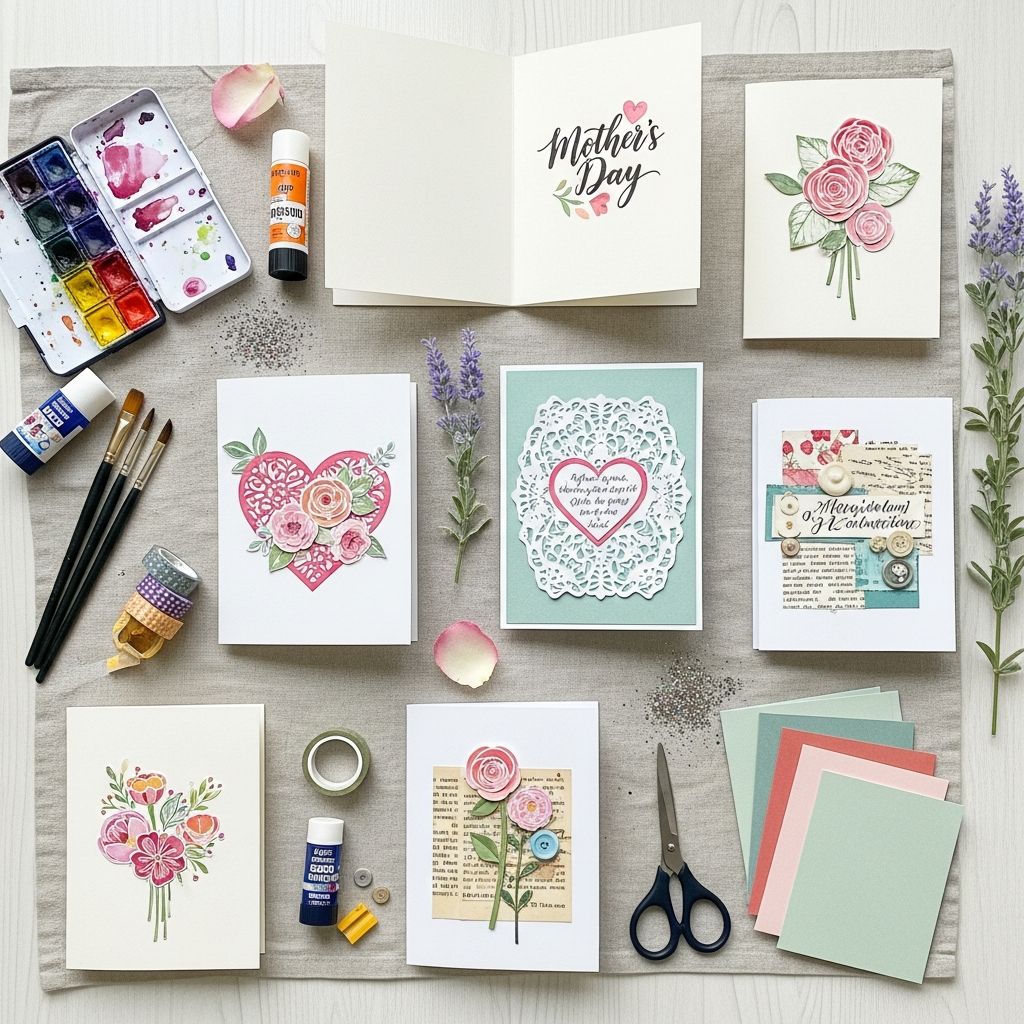
Mother’s Day cards do more than mark a holiday; they capture memories, gratitude, and tiny moments that often go unsaid the rest of the year. Whether you reach for scissors and glue or prefer a quick printable, the right card can feel like a hug that fits in an envelope.
This guide offers fresh ideas for creating and choosing Mother’s Day cards that feel personal and heartfelt, without requiring advanced crafting skills or expensive supplies. You’ll find inspiration for kids, partners, and grown children who want to celebrate the mothers and mother-figures in their lives.
Why the Card Matters More Than the Gift
Flowers wilt and brunch ends, but a thoughtful card is often what mothers keep tucked away for years. A few meaningful sentences on folded cardstock can outshine elaborate presents, especially when the words feel honest and specific.
- Cards preserve moments in time: a child’s wobbly handwriting, a teenager’s first sincere thank-you, or a partner’s quiet appreciation.
- They give a voice to people who find it hard to say emotional things face to face, turning written words into a safe, lasting gesture.
- They help kids learn how to express gratitude and recognize daily acts of love.
Planning the card with intention—rather than grabbing the first card at the store—sends a powerful, simple message: time was taken just for her.
Types of Mother’s Day Cards to Consider
Before diving into designs, it helps to decide what kind of card feels right for your situation. Different relationships and ages call for different styles.
- Homemade cards: Perfect for young children, budget-conscious families, and anyone who enjoys crafts. Imperfections become part of the charm.
- Printable cards: Great for busy schedules; they offer polished artwork with room to add personal messages, colors, or photos.
- Photo cards: Ideal for new moms or grandparents who adore updated pictures of the kids or the whole family.
- Minimalist cards: A simple design with one thoughtful sentence can feel elegant and sincere, especially for moms who prefer less fuss.
- Interactive cards: Pop-ups, mini booklets, and cards with pockets or pull-tabs add a playful surprise that kids love to help create.
| Card Style | Best For | Time Required | Personalization Level |
|---|---|---|---|
| Homemade | Kids, crafty families, tight budgets | Medium to high | Very high (fully custom) |
| Printable | Busy parents, last-minute planners | Low to medium | Medium (coloring, notes) |
| Photo card | Grandparents, new moms, long-distance families | Medium | High (photos, captions) |
| Minimalist | Moms who dislike clutter, adults | Low | Medium (message-focused) |
| Interactive | Young kids, playful families | High | Very high (custom content and design) |
Essential Elements of a Meaningful Card
Regardless of style, memorable Mother’s Day cards tend to share a few key elements. Focus on these, and even a simple sheet of printer paper can become a keepsake.
- Specific gratitude: Instead of a general “You’re the best,” mention particular things she does—late-night talks, favorite meals, help with homework, or emotional support.
- Personal memories: One brief, vivid memory—like a camping trip, a bedtime story tradition, or a shared joke—can make the message feel intimate.
- Real voice: Let the card sound like the person writing it. Kids’ spelling mistakes, teens’ humor, or a partner’s quiet tenderness all matter more than polished language.
- Visual touches: Simple drawings, stickers, pressed flowers, or printed patterns turn plain text into something visually special.
Think of the card as a tiny story about why she matters, told in images and words that only your family could create.
Simple DIY Card Ideas for Every Skill Level
You don’t need a full craft room to make something beautiful. A few basic supplies—paper, pens, and maybe some tape or glue—are enough for these easy ideas.
1. The “Three Reasons I’m Grateful” Card
This card is quick to create but emotionally powerful. It encourages both kids and adults to think about concrete ways mom makes life better.
- Fold a piece of cardstock in half.
- On the front, write a short title such as “Three Reasons You’re Amazing.”
- Inside, list three specific reasons, each with a small doodle or symbol (a pan for a favorite meal, a book for bedtime reading, a heart for emotional support).
- Add a final line of thanks and sign with the date to mark the year.
This structure helps kids who struggle to think of what to write, and it keeps adults from defaulting to generic phrases.
2. Handprint Bouquet Card
For younger children, turning their hands into a bouquet combines sentimental value with easy execution. Watching the handprints grow from year to year can be moving for any parent.
- Trace the child’s hand on colored paper several times and cut out the shapes.
- Glue the handprints onto the front of a folded card like flower petals, with drawn stems and leaves.
- Have the child sign their name or initial in the palm of one handprint.
- Write a simple, age-appropriate message inside, even if it’s just “I love you, Mom.”
Parents and caregivers often tuck these cards away, because they capture both the child’s size and their emerging writing at a specific moment in time.
3. Pocket of Promises Card
This idea works for partners or older kids who want to offer practical help along with heartfelt words. It’s part card, part coupon book.
- Create a small paper pocket on the inside of the card using a folded and glued rectangle.
- Fill the pocket with several mini “promise slips,” like doing the dishes, handling bedtime, planning a coffee date, or taking over a chore she dislikes.
- Decorate each slip with a tiny drawing or color-code them by theme (self-care, chores, fun).
- Use the inside text to explain the idea: the card is also a collection of future acts of love.
Because it extends beyond the day itself, this style of card helps Mother’s Day feel like the start of ongoing support rather than a one-time performance.
Making the Most of Free Printables
Printable Mother’s Day cards can save time while still offering a personal touch. The trick is to treat them as a starting point, not a finished product.
- Print on better paper: Use cardstock or thick matte photo paper for a sturdier, more professional feel.
- Add color and texture: Encourage kids to color, paint, or collage over the printed design to make it unique.
- Customize the inside: Leave the inside blank whenever possible so you can write your own message, draw mini comics, or add small photos.
- Resize creatively: Print some designs smaller to use as gift tags, mini notes tucked into pockets, or labels on homemade treats.
Think of printables as a collaboration between the designer and your family, not a ready-made replacement for your own creativity.
Ideas for Different Mother Figures
Mother’s Day can include a wide circle of caregivers and role models. Tailoring your card to the specific relationship shows awareness and sensitivity.
- Grandmothers: Include multiple grandchildren in the card by having each draw a small picture or write one sentence about a favorite memory.
- Stepmoms: Focus on gratitude for what she has chosen to do—listening, supporting, and showing up—rather than trying to mimic a traditional script if it doesn’t fit.
- Expectant mothers: Use imagery of anticipation, such as footprints or growing hearts, and language about the journey just beginning.
- Honorary moms (aunts, mentors, friends): Emphasize how their guidance, time, or emotional support has shaped your life.
Being specific about the role each person plays can help avoid awkward wording and make the message feel more genuine.
Thoughtful Messages to Inspire Your Own
While it’s important to avoid copying generic phrases, a simple framework can make writing easier. Use these structures as inspiration and then adapt them with your own details.
- For kids: “Thank you for [specific thing]. My favorite time with you is when we [shared activity]. I love you because [reason].”
- For partners: “I see how you [daily effort], even when no one else notices. Our family feels [emotion] because of you.”
- For adult children: “You taught me [lesson], and I still think about it when I [situation]. I’m grateful that you [ongoing support or trait].”
- For complicated relationships: “I appreciate that you [positive aspect you can name]. Today I’m choosing to honor that part of our story.”
When in doubt, aim for one sentence of thanks, one sentence of memory, and one sentence of love or hope for the future.
Presenting the Card in a Special Way
How the card is given can be as memorable as what it says. Small rituals help carve out a quiet, meaningful moment amid the rest of the day.
- Place the card on her breakfast tray, pillow, or favorite chair to create a joyful surprise.
- Have each family member read their card aloud if she enjoys public affection, or give her private time to read and respond if she prefers quiet.
- Pair the card with a simple act of service—taking over morning tasks, scheduling time off, or giving her an uninterrupted hour alone.
These gestures reinforce the idea that the card is not an obligation but an expression of real care.
Frequently Asked Questions About Mother’s Day Cards
How early should I start planning a Mother’s Day card?
Starting at least one week in advance gives time to gather supplies, help kids with their designs, and think about what you want to say. If you’re mailing the card or including photos, building in extra days helps ensure it arrives on time without stress.
What if I’m not crafty at all?
Lack of crafting skills does not reduce the meaning of a card. Choose a simple design, print a clean template, and focus your energy on the message; honest words and a clean, minimal layout can feel more heartfelt than elaborate decorations.
Is it okay to send a digital Mother’s Day card?
Digital cards can be thoughtful, especially for long-distance families or last-minute situations. To make them feel more personal, include a photo, a short recorded message, or a typed note that goes beyond generic greetings and speaks directly to your relationship.
What should I write if our relationship is strained?
It’s acceptable to keep the message simple and honest. Focus on one positive quality or memory you feel comfortable acknowledging, and avoid pressure to pretend everything is perfect if that does not match your experience.
Can I reuse a design from a previous year?
Repeating a design is completely fine, especially if it has become a family tradition. Change the colors, update the photos, or vary the written message to reflect how the relationship and your lives have grown since the last celebration.
Turning a Simple Card into a Lasting Tradition
When Mother’s Day cards become an annual ritual rather than a rushed afterthought, they form a quiet record of family history. Over time, a box of handmade and printable cards tells the story of how children grew, how challenges were faced, and how love kept showing up in ink and paper.
Whether you choose a quick printable or a multi-layered craft, the most important ingredient is attention. Taking a few unhurried minutes to put your gratitude into words is a gift that costs almost nothing, yet can mean everything.