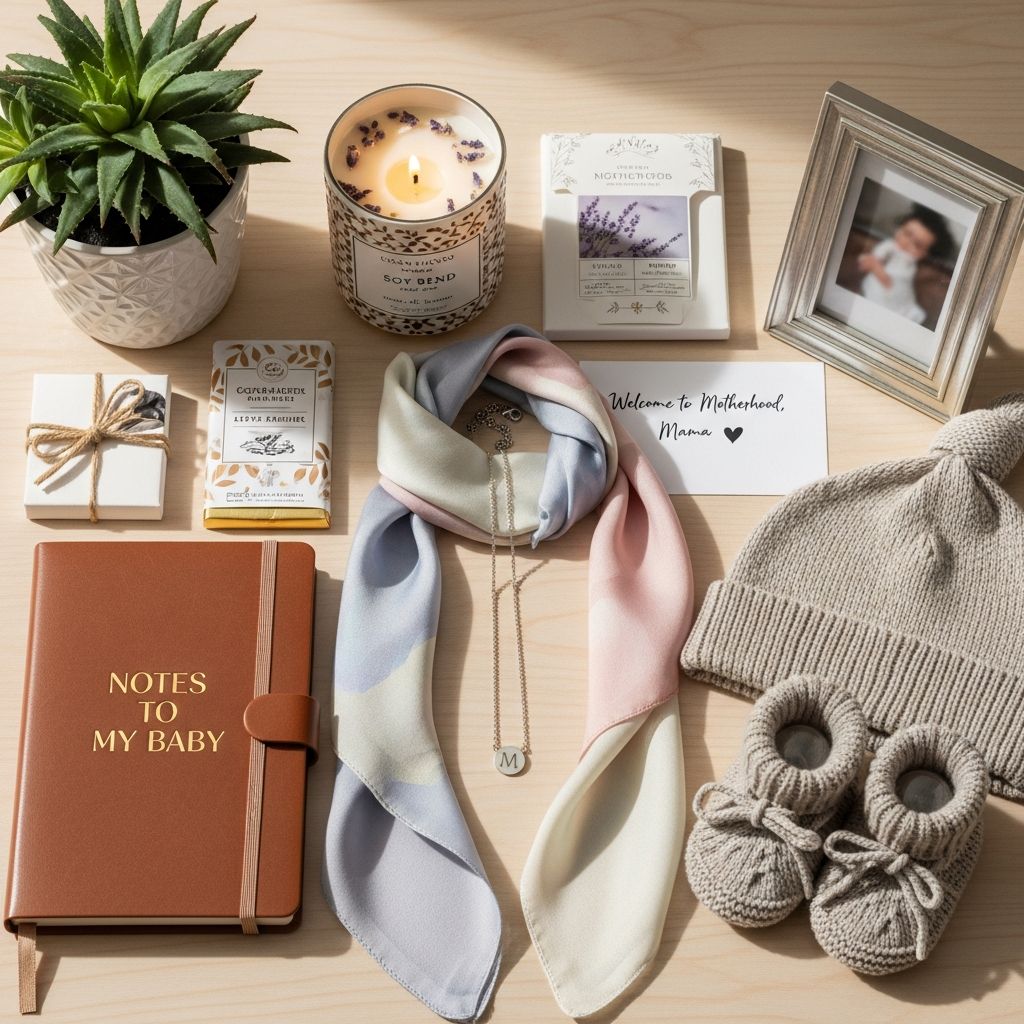
Motherhood reshapes every aspect of a woman’s life, blending profound joy with unrelenting demands. Yet within this whirlwind, there lies an opportunity to reconnect with one’s core self. This journey involves acknowledging exhaustion, celebrating small victories, and nurturing personal growth amid family chaos.
The Hidden Strength of Daily Parenting Rituals
Every day, mothers engage in countless unseen tasks that form the backbone of family life. These rituals—from preparing meals to soothing cries—build resilience and quiet power. Far from mundane, they represent a tapestry of love woven through persistence.
- Waking early to pack lunches fosters foresight and care.
- Navigating tantrums teaches emotional intelligence.
- Balancing work and home cultivates multitasking mastery.
These acts accumulate into a profound legacy, proving that ordinary efforts yield extraordinary outcomes. Mothers often underestimate this strength, viewing it as routine rather than heroic.
Navigating the Invisible Burden of Mental Labor
The mental load weighs heavily on mothers, encompassing the cognitive effort of anticipating needs and orchestrating household harmony. This invisible workload leads to burnout if unaddressed, yet recognizing it is the first step toward relief.
Studies from the American Psychological Association highlight how this cognitive burden disproportionately affects women, correlating with higher stress levels. Mothers track appointments, meal plans, and emotional cues simultaneously, a feat deserving acclaim rather than exhaustion.
| Aspect of Mental Load | Daily Impact | Strategies for Balance |
|---|---|---|
| Remembering Schedules | Constant mental calendar | Shared digital apps |
| Meal and Nutrition Planning | Weekly foresight required | Meal prep rotations |
| Emotional Support | Always on call | Mindful boundaries |
| Home Maintenance | Ongoing oversight | Family chore charts |
By distributing this load, mothers reclaim mental space for creativity and rest, transforming overwhelm into equilibrium.
Finding Beauty in the Chaos of Family Life
Amid spilled milk and sleepless nights, moments of pure magic emerge. A child’s laughter or a shared glance with a partner illuminates the chaos, reminding mothers of their role in crafting irreplaceable memories. These instances affirm that even imperfect days hold deep significance.
Psychological research from the Journal of Family Psychology emphasizes how such positive micro-moments buffer against stress, enhancing overall well-being. Mothers who pause to savor them report greater life satisfaction.
Overcoming the Myth of Perfect Motherhood
Society peddles an illusion of flawless parenting, but reality thrives in imperfection. Dropping the ball occasionally—forgetting a school form or serving cereal for dinner—does not diminish maternal worth. Embracing flaws fosters authenticity and models resilience for children.
- Perfectionism breeds anxiety; realism builds confidence.
- Vulnerable moms raise empathetic kids.
- Self-compassion is a superpower in parenting.
This shift liberates mothers from unrealistic standards, allowing genuine connections to flourish.
Reclaiming Partnership Amid Parenting Demands
Parenthood can strain romantic bonds, yet intentional reconnection sustains them. Simple acts like a lingering touch or whispered appreciation reignite the spark dimmed by diapers and deadlines. Partners who prioritize ‘us’ time navigate hectic days with renewed unity.
Data from the Pew Research Center shows couples who share parenting duties report higher relationship satisfaction. Communication about needs prevents resentment, turning challenges into shared adventures.
Cultivating Self-Care Without Guilt
Self-care is not selfish; it’s essential fuel for effective mothering. Brief respites—a solo walk, a favorite book—recharge depleted reserves. The World Health Organization underscores maternal mental health’s ripple effect on family dynamics, advocating routine wellness practices.
Incorporate these into daily rhythms:
- Five-minute breathing exercises during nap time.
- Evening journaling for reflection.
- Weekly hobby slots, guilt-free.
The Power of Maternal Community and Solidarity
No mother parents alone, despite the myth. Online forums, playgroups, and heartfelt messages from strangers weave a virtual village. Sharing stories normalizes struggles, offering validation and practical wisdom.
Communities amplify voices, turning isolation into collective empowerment. A single encouraging note can refracture self-doubt into determination.
Embracing the Evolution of Mom Brain
The phenomenon dubbed ‘mom brain’—forgetfulness and fog—is a real neurological shift, per neuroimaging studies in Nature Neuroscience. Hormonal changes prioritize child-related cues, a adaptive superpower rather than deficit. Accepting this eases frustration, allowing strategies like lists and grace.
Transforming Exhaustion into Empowerment
When fatigue whispers defeat, counter with affirmations of capability. ‘Enjoy every moment’ advice often lands amid exhaustion, but truth resides in honoring the present’s rawness. Mothers excel by showing up, day after weary day.
Reframe exhaustion as evidence of deep investment, a badge of devoted presence.
Frequently Asked Questions
How can I manage the mental load effectively?
Delegate tasks using apps, communicate openly with partners, and practice saying no to non-essentials. Prioritize high-impact duties first.
Is it normal to feel lost in motherhood?
Absolutely. Identity shifts are common; reconnect through hobbies, therapy, or mom groups to rediscover your multifaceted self.
What if I miss my pre-baby relationship?
Schedule intentional date nights and daily check-ins. Small gestures rebuild intimacy over time.
How do I handle mom guilt over self-care?
View it as modeling healthy boundaries for kids. A rested mom parents better.
Does ‘mom brain’ ever go away?
It evolves but persists mildly; tools like routines and sleep hygiene mitigate it effectively.
Building Resilience Through Storytelling
Personal narratives demystify motherhood, revealing universal threads in diverse experiences. From ecological awakenings to partnership yearnings, stories illuminate paths forward. Sharing yours contributes to this vital tapestry.
Expand word count with depth: Motherhood’s narrative arc—from anticipation to adaptation—mirrors personal growth cycles. Each phase, be it newborn haze or toddler triumphs, imprints unique lessons. Reflective writing or group shares processes these, fostering emotional agility.
Consider the ecological self: Parenting attunes women to sustainability, mirroring nurturing instincts with planetary care. This holistic view enriches identity beyond domestic spheres.
Moreover, in dual-income eras, balancing careers amplifies mental load. Strategies like time-blocking empower dual roles without sacrifice. Research from Harvard Business Review validates flexible structures boosting productivity and satisfaction.
Seasonal shifts influence rhythms too—holidays heighten demands, yet offer bonding pivots. Preemptive planning preserves sanity.
Ultimately, motherhood unveils latent strengths: patience forged in waiting rooms, creativity in craftless play, leadership in guiding tiny humans. These transcend home, enriching professional and communal lives.
Encouragement cascades: A fellow mother’s nod affirms, ‘You’re enough.’ Internalize this, silencing inner critics. Celebrate milestones—first steps, school successes—as collective triumphs.
In fatigue’s grip, recall: Your presence is the gift. No village required when one fierce heart suffices. Yet lean into support; vulnerability invites reciprocity.
This reclamation journey spans years, ebbing with phases. Toddlerdom yields to school-age independence, unveiling new self facets. Lifelong learning defines it.
References
- Gender and Stress — American Psychological Association. 2023-10-15. https://www.apa.org/topics/stress/gender
- Maternal Brain Changes — Nature Neuroscience. 2022-05-20. https://www.nature.com/articles/s41593-022-01082-4
- Parenting and Partnerships — Pew Research Center. 2024-03-12. https://www.pewresearch.org/social-trends/2024/03/12/parenting-in-america-today/
- Maternal Mental Health — World Health Organization. 2025-01-08. https://www.who.int/health-topics/maternal-health
- Work-Life Balance for Women — Harvard Business Review. 2024-07-22. https://hbr.org/2024/07/how-women-can-achieve-work-life-balance