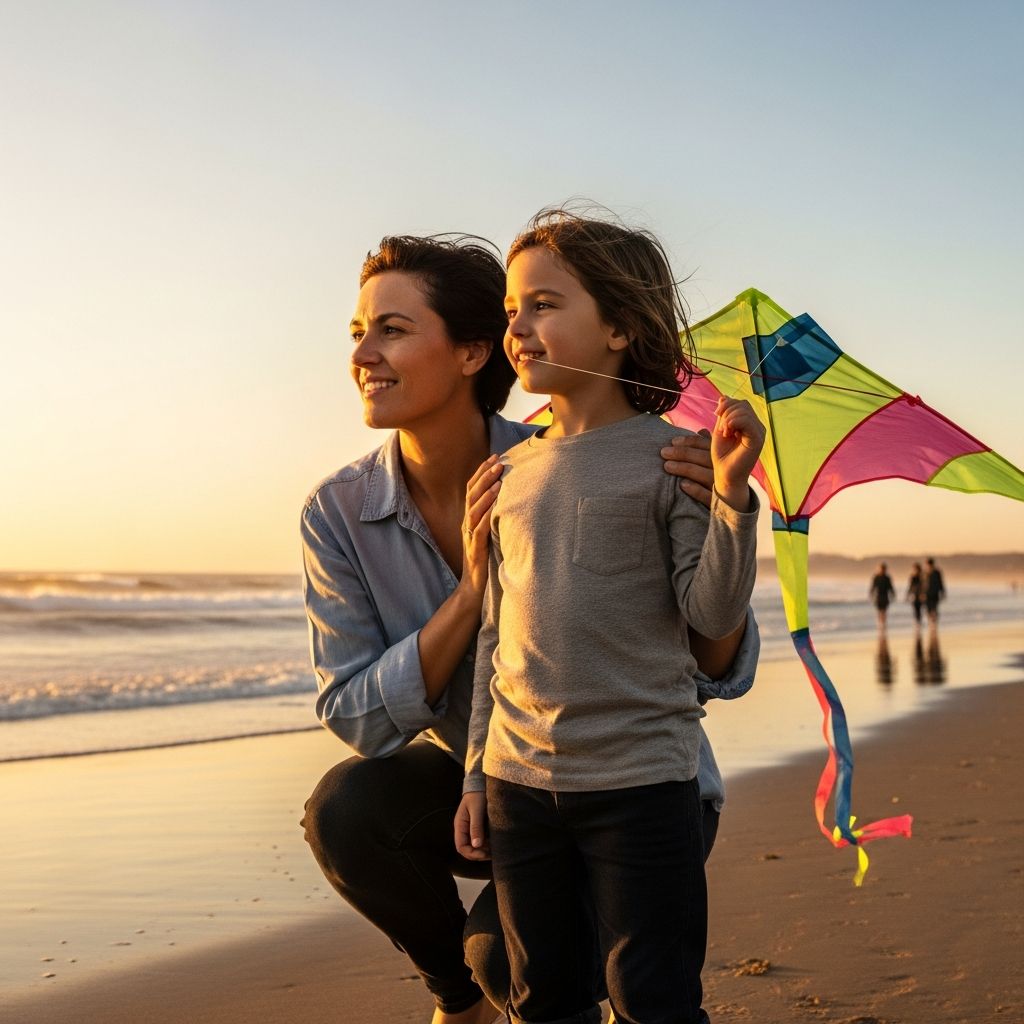
Motherhood demands the same level of discipline, physical prowess, and mental fortitude as competing on the world’s grandest athletic stage. Just as Olympic athletes push human limits, moms navigate endless challenges with grace and power, turning daily routines into triumphs of endurance and skill.
The Rigors of Daily Training Regimens
Every mom embarks on an unrelenting training schedule from the moment her child arrives. Sleepless nights morph into dawn patrols for feedings, diaper changes, and soothing cries, building a stamina that rivals marathon runners. This constant cycle forges a body accustomed to high-intensity intervals—think sprinting after a toddler one moment and lifting a squirming preschooler the next.
Professional athletes like Allyson Felix, a six-time Olympic gold medalist and mother, describe how parenting amplifies their training ethos. Felix notes the joy in her daughter’s smile as a motivator, much like a personal best time fuels an athlete’s drive. Moms train not just physically but emotionally, adapting to unpredictable demands that sharpen reflexes and build resilience.
Physical Transformations and Peak Conditioning
Pregnancy and postpartum recovery represent profound bodily adaptations, akin to an athlete’s off-season overhaul. Moms’ bodies stretch, strengthen, and rebound, housing new life before returning to action. Hormonal shifts, muscle rebuilding, and nutritional demands mirror the precise fueling and recovery protocols of elite competitors.
Consider Serena Williams, who returned to tennis dominance post-childbirth, embracing vulnerability as a strength. She contrasts athletic stoicism with motherhood’s raw openness, a duality that enhances performance. Research from sports science underscores how such physiological feats enhance long-term fitness, with maternal bodies often achieving superior core stability and cardiovascular efficiency.
Mental Fortitude Under Pressure
Olympic glory hinges on mindset, and moms excel here too. Facing colic, tantrums, or school crises requires the composure of a gymnast on the beam. Visualization techniques—picturing a calm resolution—become second nature, much like athletes mentally rehearse routines.
Kerri Walsh Jennings, three-time Olympic beach volleyball gold medalist and mom of three, credits parenting for teaching acceptance of uncertainty. Her philosophy: maintain a positive attitude and work ethic, as outcomes unfold naturally. This mirrors cognitive behavioral strategies used by champions to conquer performance anxiety.
Nutritional Mastery and Fueling the Machine
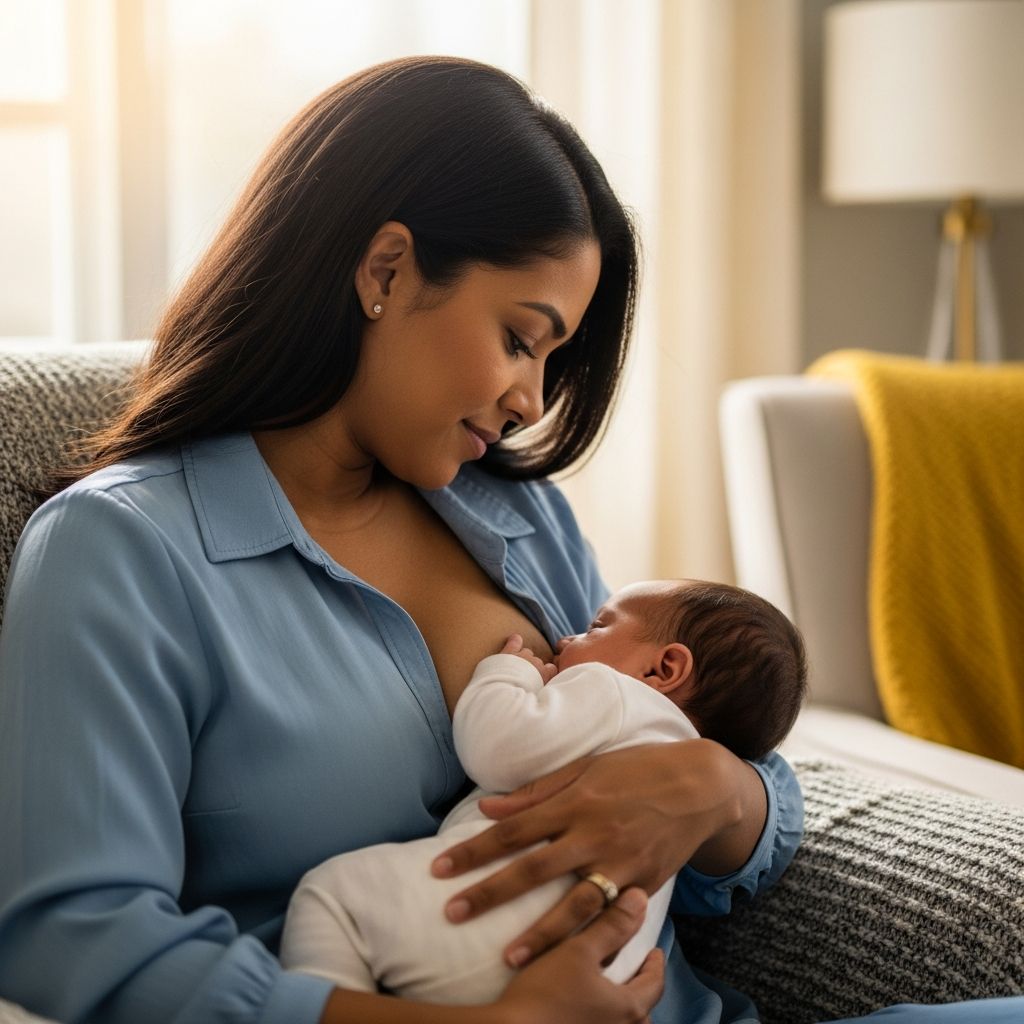
Athletes obsess over macros; moms master family nutrition while sustaining themselves. Preparing balanced meals amid chaos hones strategic eating—packing snacks for outings, sneaking veggies into picky eaters’ plates. Breastfeeding adds a layer, demanding extra calories and hydration like an endurance event.
The Paris 2024 Olympics introduced mom-friendly facilities like nurseries with breastfeeding areas, recognizing these dual demands. Moms intuitively balance their intake, often prioritizing kids, yet emerge with optimized health profiles supported by maternal physiology studies.
Recovery Protocols in a Non-Stop Arena
Rest is sacred for athletes; for moms, it’s stolen in snippets. Naps become power recovery sessions, yoga stretches double as playtime, and deep breathing combats exhaustion. This fragmented recharge builds superior adaptability, turning sleep deprivation into a superpower.
Support networks prove vital, as noted in analyses of mom-athletes who rely on family and coaches to share loads. Like team sports recovery, communal aid prevents burnout, fostering sustained peak performance.
Team Dynamics and Support Ecosystems
No athlete succeeds solo; moms thrive in partnerships. Spouses, relatives, friends form a pit crew for childcare handoffs, meal preps, and emotional boosts. This mirrors Olympic training camps where camaraderie amplifies results.
Pro athletes echo this: moms like Walsh Jennings beam at compliments on their kids’ kindness, validation akin to medal ceremonies. Strong ecosystems not only sustain but elevate maternal achievements.
Goal Setting and Milestone Achievements
Olympians chase podiums; moms target potty training, first steps, academic wins. Breaking these into micro-goals cultivates the same progressive overload principle, yielding exponential growth. Celebrating small victories releases dopamine surges paralleling race finishes.
Lauren Regula, three-time Olympian and mom, advises focusing on intrinsic gains over comparisons, teaching kids humility amid competition. This mindset propels moms toward long-term successes like family harmony.
Adversity as the Ultimate Coach
Injuries sideline athletes; illnesses, setbacks test moms. Yet, each hurdle builds antifragility—emerging stronger, wiser. Postpartum mood shifts or childcare crises hone problem-solving rivaling strategic game plans.
Mom-athletes break stereotypes, proving motherhood enhances rather than hinders excellence. Their narratives inspire, reshaping perceptions of women’s capabilities in sports and beyond.
Injury Prevention and Body Awareness
Moms intuitively guard against strain, lifting with knees bent, pacing activities. This somatic intelligence echoes athletes’ proprioceptive training, preventing repetitive stress from household marathons.
Workplace parallels emerge: policies for parental leave and lactation support empower working moms, framing their efforts as Olympic-worthy.
The Podium of Personal Bests
Every bedtime story, every crisis averted is a personal record. Moms accumulate “medals” in love, growth, legacy—intangibles outshining gold.
| Mom Challenge | Olympic Parallel | Key Skill Gained |
|---|---|---|
| Sleepless nights | Overnight training | Endurance |
| Multitasking chaos | High-pressure events | Focus |
| Emotional support | Team motivation | Leadership |
| Recovery from setbacks | Injury rehab | Resilience |
Legacy Building Beyond the Finish Line
Moms craft enduring impacts, role-modeling perseverance for generations. Their stories, like those of Felix and Williams, motivate daughters to dream unbound. This ripple effect cements motherhood’s status as the ultimate athletic pursuit.
Frequently Asked Questions (FAQs)
How do Olympic mom-athletes balance training and parenting?
They leverage support networks, prioritize recovery, and view motherhood as enhancing mental toughness, as shared by athletes like Kerri Walsh Jennings.
Can everyday moms adopt athlete mindsets?
Yes, through goal-setting, micro-training routines, and positivity, mirroring strategies from Olympians and sports psychologists.
What role does nutrition play in maternal athleticism?
Strategic fueling supports energy for daily demands, similar to athletic protocols, with breastfeeding adding unique nutritional layers.
How has the Olympics evolved for parent athletes?
Facilities like Paris 2024’s nursery provide childcare and lactation support, recognizing moms’ dual roles.
Why is mental resilience key for moms?
It enables handling unpredictability, fostering growth like in elite sports, per insights from champion mothers.
References
- Why Athletes Thank Their Moms — Daily Burn. 2016-08-10. https://dailyburn.com/life/fitness/athletes-grateful-for-moms/
- Life lessons from women who decided to do both — NBC Olympics. N/D. https://www.nbcolympics.com/news/motherhood-olympics-life-lessons
- Balancing Acts: The Challenges and Triumphs of Being a Mom-Athlete — Perinatal Wellness. N/D. https://www.perinatalwellness.net/post/challenges-and-triumphs-of-mom-athletes
- Raising an Athlete? Advice from an Olympic Mom — Dr. Lisa Damour, PhD. N/D. https://drlisadamour.com/resource/raising-an-athlete-advice-from-an-olympic-mom/
- Olympic Moms Are Changing the Game — Fisher Phillips. 2024-07-26. https://www.fisherphillips.com/en/insights/insights/olympic-moms-are-changing-the-game