The Wardrobe Crossroads: Understanding the Motherhood Transition
Becoming a mother represents one of life’s most profound transformations, affecting not only how we spend our time and energy but also how we present ourselves to the world. For many women, this transition includes a significant shift in their relationship with clothing and fashion. The journey from pre-motherhood wardrobe choices to post-motherhood realities often involves confronting deeply personal feelings about body image, identity, and what it means to feel comfortable in one’s own skin. This evolution extends far beyond simply swapping one style of jeans for another; it represents a fundamental recalibration of priorities and values.
The physical changes that accompany pregnancy and childbirth are undeniable and varied. While some women experience relatively minor alterations to their body shape, others undergo more dramatic transformations that persist long after delivery. These changes can affect not only how clothing fits but also how women feel about themselves when they look in the mirror. The psychological impact of these shifts cannot be understated, as many new mothers grapple with reconciling their pre-pregnancy identity with their evolved physical form.
The Symbolic Meaning of Restrictive Clothing
Tight-fitting garments, particularly form-hugging styles popular in recent decades, carry psychological weight that extends beyond their physical construction. For many women, pre-pregnancy clothing becomes symbolic of their former life—a life characterized by different daily challenges, different body dimensions, and different priorities. Holding onto these garments often means holding onto the expectation of returning to one’s exact pre-pregnancy state, a goal that may be unrealistic, unhealthy, or simply no longer aligned with current life circumstances.
The decision to retire restrictive clothing items can represent a powerful moment of acceptance and self-compassion. Rather than viewing this choice as defeat, many mothers find that releasing the pressure to fit into smaller sizes allows them to redirect energy toward activities that genuinely matter—spending quality time with their children, pursuing meaningful work, or simply enjoying their daily lives without physical discomfort. This mental shift often proves more valuable than any physical transformation.
Redefining Comfort and Practicality in Your Closet
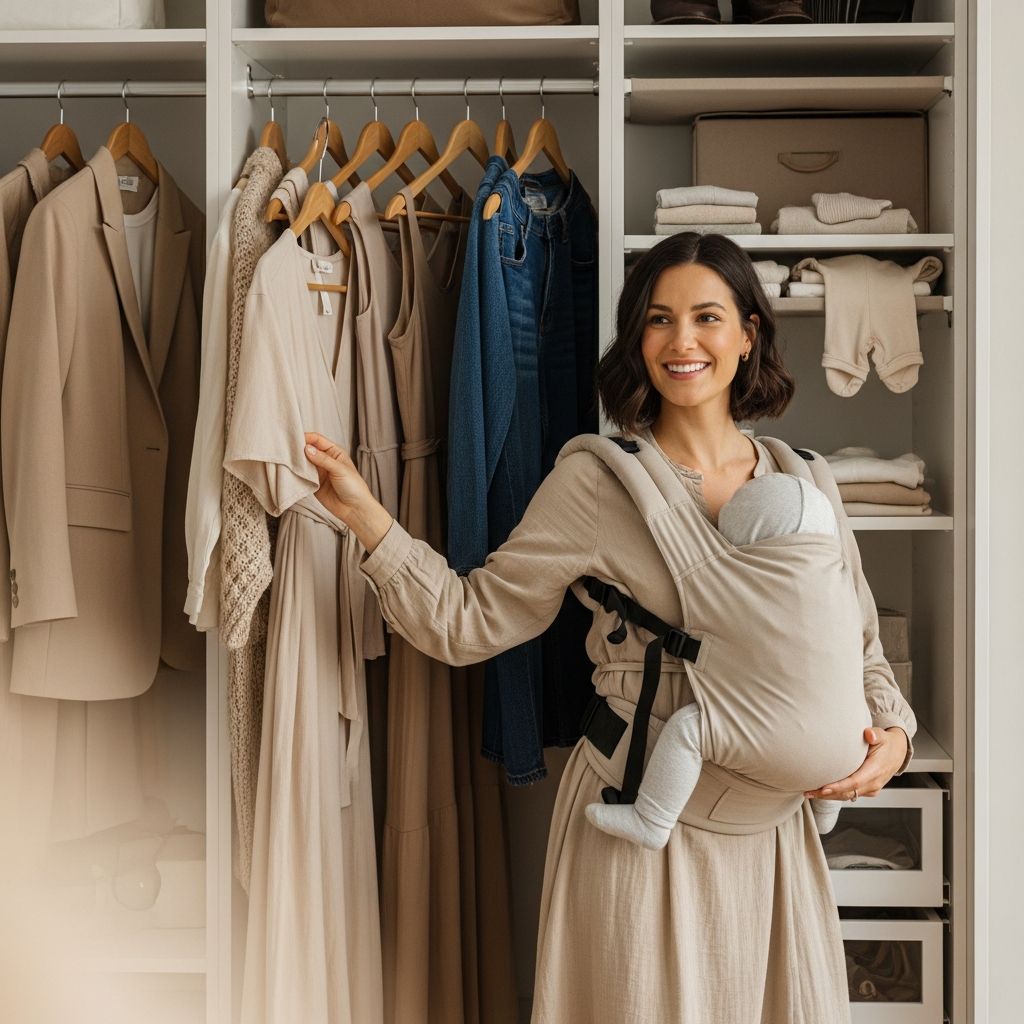
Motherhood fundamentally changes what women require from their clothing. Pre-motherhood fashion choices often prioritized aesthetics, trend-alignment, or body enhancement. Post-motherhood wardrobes, by contrast, must accommodate numerous practical demands. Mothers need clothing that allows for freedom of movement, accommodates frequent hand-washing and potential staining, works with a variety of activities from playground visits to professional meetings, and can withstand the accelerated wear and tear that comes with an active lifestyle.
This shift toward functionality doesn’t require sacrificing style. Modern fashion increasingly recognizes that comfort and elegance need not be mutually exclusive. High-quality fabrics with natural stretch, well-constructed silhouettes, and thoughtful design can provide both the comfort mothers need and the confidence boost that comes from feeling put-together. The key lies in intentionally building a wardrobe around pieces that serve both aesthetic and practical purposes.
Essential Elements of a Mother-Friendly Wardrobe:
- Breathable fabrics that accommodate temperature fluctuations during active caregiving
- Durable materials that withstand frequent washing and outdoor activities
- Versatile pieces that transition seamlessly between different settings and occasions
- Clothing with functional details like pockets, secure closures, and adjustable fits
- Layerable items that adapt to changing weather and activity levels
- Professional options that work for mothers who balance work and caregiving responsibilities
The Intersection of Body Image and Maternal Identity
The relationship between body image and maternal identity represents a complex psychological terrain. Society often presents conflicting messages about mothers’ bodies—simultaneously expecting women to prioritize their children above all else while also maintaining pre-motherhood physical appearance. This contradiction creates internal pressure that many mothers internalize, leading to shame about their changing bodies or guilt about caring about appearance at all.
Developing a healthier relationship with one’s postpartum body requires intentionally resisting these external narratives. Many mothers report that accepting their changed bodies freed them to appreciate what those bodies could do—carry children, provide comfort, engage in activities with their families—rather than fixating on what they looked like. This reframing doesn’t happen automatically; it requires conscious effort to challenge internalized messages about femininity and value.
Exercise, Wellness, and Self-Care Without Punishment
The decision to exercise and eat well as a mother need not be tied to fitting into specific clothing sizes. Many women discover that separating health behaviors from appearance goals actually improves their relationship with physical activity and nutrition. When exercise becomes an opportunity for mental health benefits, stress relief, and increased energy rather than a means to a specific aesthetic outcome, it often becomes more sustainable and enjoyable.
Similarly, nourishing one’s body well serves the practical purpose of sustaining the energy required for parenting rather than existing purely as a tool for weight management. This shift in perspective allows mothers to make food choices based on how they feel and function rather than on guilt or perceived obligation. The result is often a healthier, more balanced approach to wellness that doesn’t require constant self-monitoring or restrictive behaviors.
Fashion Trends and Motherhood: Finding Your Personal Style
The cyclical nature of fashion means that styles regularly return to popularity, sometimes decades after their original moment. Mom jeans, characterized by higher waistbands and a more relaxed fit, exemplify how fashion evolves to reflect changing priorities and body diversity. The resurgence of these styles reflects not only aesthetic preference but also a broader cultural shift toward valuing comfort and functionality alongside appearance.
For mothers navigating fashion trends, the most important consideration involves identifying what genuinely works for their bodies and lifestyles rather than forcing themselves into trends that don’t serve them. Personal style develops through experimentation and self-knowledge, and motherhood often accelerates this process by forcing women to prioritize what actually matters to them over what they think they “should” want.
Key Considerations When Building a Personal Style:
- Identify fabrics and fits that feel good on your body as it exists now
- Invest in versatile basics that work across multiple outfits and occasions
- Experiment with trends selectively rather than adopting every seasonal shift
- Consider your lifestyle and choose clothing that supports your actual daily activities
- Prioritize quality over quantity to reduce decision fatigue and increase wardrobe flexibility
- Allow your style to evolve as your life circumstances change
The Psychological Liberation of Wardrobe Choices
Many mothers describe a profound sense of relief that accompanies the decision to update their wardrobes with pieces designed for their current lives rather than aspirational future selves. This liberation extends beyond the physical comfort of wearing appropriate clothing; it represents psychological permission to accept where they are now rather than constantly striving toward an imagined previous state. This acceptance often catalyzes broader improvements in mental health and overall well-being.
The act of intentionally retiring clothing that no longer serves you can serve as a symbolic gesture marking the transition into a new life chapter. Rather than viewing this as loss, many mothers find it empowering to acknowledge that their needs, their bodies, and their priorities have legitimately changed. This acceptance creates mental space for appreciating the present rather than mourning the past.
Building Confidence in Your Evolved Self
Confidence in one’s appearance isn’t primarily determined by clothing size but rather by feeling genuinely comfortable and authentically expressed through what you wear. Mothers who invest time in understanding their personal style, their body’s actual needs, and what makes them feel capable and comfortable report significantly higher confidence levels than those who continue struggling to fit into clothing designed for a different body or different life stage.
This confidence extends into other areas of life. When mothers stop fighting against their bodies and instead work with them, energy previously devoted to appearance anxiety becomes available for other pursuits. Professional development, creative projects, deeper relationships, and personal interests all benefit from the mental and emotional resources freed up by releasing unrealistic appearance expectations.
Moving Forward: Creating Your Sustainable Wardrobe
Building a sustainable wardrobe as a mother involves making intentional choices aligned with your current reality. This includes being honest about how you actually spend your time, what activities dominate your schedule, and what types of clothing genuinely make you feel good. It also means giving yourself permission to invest in clothing that serves your current life, even if that represents a significant shift from your pre-motherhood preferences.
The journey toward accepting your postpartum body and updating your wardrobe accordingly isn’t linear. Many mothers experience moments of grief mixed with relief, regret alongside liberation. Both emotions can coexist, and honoring this complexity allows for a more authentic integration of this life transition. Over time, most mothers find that their evolved wardrobes and their acceptance of their changed bodies contribute meaningfully to their overall well-being and life satisfaction.
Frequently Asked Questions
Q: Is it unhealthy to stop trying to return to my pre-pregnancy weight?
A: Not at all. Many women’s bodies are healthier at their postpartum weight than at pre-pregnancy weights. The most important measures of health are how you feel, your energy levels, your ability to engage in activities you enjoy, and what healthcare providers observe about your specific health markers. Focusing on these factors rather than a specific number often produces better health outcomes than restrictive practices aimed at reaching an arbitrary weight target.
Q: How can I feel fashionable while prioritizing comfort?
A: Fashion and comfort are complementary rather than contradictory. Look for well-made pieces in fabrics with natural stretch, classic silhouettes that work across body types, and colors that complement your skin tone. Experiment with layering, accessorizing, and mixing casual and more polished pieces to create outfits that feel authentically you while meeting your practical needs.
Q: What should I do with clothing that no longer fits?
A: Consider donating items to organizations serving mothers in transition, selling pieces online if they’re in good condition, or passing them along to friends. This creates both practical benefit for others and psychological closure for you. Some mothers prefer donating all at once, while others transition gradually. Choose the approach that feels right for your emotional processing of this change.
Q: How do I talk to my partner or family about these wardrobe changes?
A: Clear communication about your reasons for updating your wardrobe—comfort, practicality, and self-care—helps others understand these decisions as positive rather than problematic. Frame these changes as investments in your well-being and your ability to engage fully in motherhood rather as compromises or failures. Most supportive partners and family members will appreciate understanding how wardrobe choices directly impact your daily functioning and mental health.
Q: Is updating my wardrobe after motherhood expensive?
A: Building a functional postpartum wardrobe doesn’t require significant expenditure. Focusing on versatile basics, shopping sales, and quality over quantity allows you to create a practical wardrobe within various budget levels. Many mothers find that investing in fewer, higher-quality pieces that work across multiple outfits proves more economical than maintaining a large closet of items they rarely wear.
References
- Mom Jeans Are Back. It’s About Time. — The New Republic. 2014. https://newrepublic.com/article/121346/mom-jeans-are-back-fashion-trend-gets-deserved-resurrection
- Hello, motherhood. Goodbye, skinny jeans — Motherly. https://www.mother.ly/life/hello-motherhood-goodbye-skinny-jeans/
- I’m a young mum, is fashion for me anymore? — Fashion Journal. https://fashionjournal.com.au/fashion/motherhood-fashion/