Redefining What It Means to Be a Mother in Today’s World
The journey of motherhood is one of the most transformative experiences a woman can undertake. From the moment a child enters the world, parents are thrust into an entirely new role that demands emotional, physical, and mental resources. Yet amid the countless responsibilities of raising children, many mothers find themselves grappling with a fundamental question: Who am I beyond being someone’s mom? This question is not selfish or ungrateful; rather, it reflects a deeper understanding that true fulfillment comes from honoring all dimensions of one’s identity. The modern mother faces a unique challenge in contemporary society—balancing the profound joy and meaning that parenthood brings with the equally important need to maintain a sense of self that existed long before children arrived.
Understanding the Complete Picture of Maternal Identity
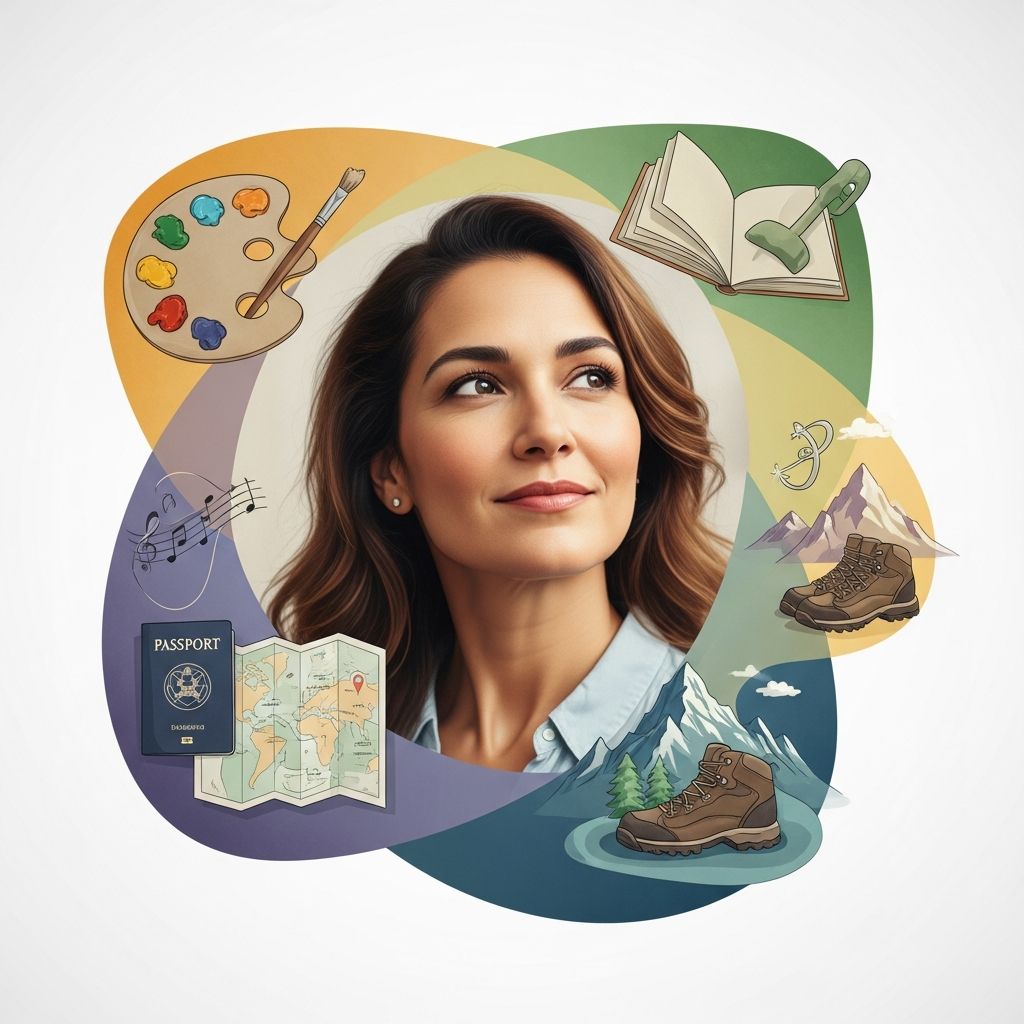
Motherhood is undoubtedly a central and cherished role for many women, yet it represents only one facet of a multifaceted identity. Before becoming a parent, most women possessed dreams, talents, passions, and professional aspirations that shaped who they were. These elements of self do not disappear upon becoming a mother; instead, they often become dormant or secondary as the demands of childcare consume time and energy. Recognizing this reality is crucial for maternal well-being. A woman who is an accomplished musician, a dedicated career professional, an engaged community volunteer, or a creative entrepreneur possesses these identities regardless of her parental status. The challenge lies in finding ways to honor these facets while simultaneously meeting the needs of one’s children and family.
The pressure to adopt a singular identity—that of caretaker and nurturer—can create an internal conflict that manifests as guilt, resentment, or a profound sense of loss. When women introduce themselves solely through their role as a mother, they inadvertently diminish the complexity of their personhood. This diminishment can have lasting effects on self-esteem, mental health, and long-term life satisfaction. Acknowledging that mothers are teachers, artists, entrepreneurs, friends, daughters, and individuals with their own goals represents not a rejection of motherhood but rather an embrace of full humanity.
The Foundation: What Mothers Sacrifice and What They Deserve
The sacrifices that mothers make are real and often profound. Whether choosing to work outside the home or remain as primary caregivers, mothers navigate complex decisions that fundamentally reshape their daily lives and long-term trajectories. Many mothers experience interrupted career paths, delayed personal projects, financial limitations, and the constant mental load of managing household operations. These sacrifices are often made willingly and with love, yet they can gradually erode the sense of self if not actively countered with intentional self-care and identity affirmation.
What mothers deserve in return is not merely gratitude from their children or recognition from their partners, though both are valuable. Mothers deserve permission—explicit permission—to pursue their own interests, maintain their pre-motherhood identities, and develop new aspects of themselves as they evolve. They deserve to know that nurturing their own creative pursuits, professional goals, and personal relationships is not selfish but rather essential to their wellbeing and, paradoxically, to their ability to be more present and fulfilled parents.
The Many Hats Mothers Wear Beyond Childcare
Consider the diverse roles that mothers simultaneously occupy. A mother might be:
- A professional in her field, bringing expertise and leadership to her workplace
- An artist or creative practitioner with original visions and artistic voice
- A friend offering emotional support, wisdom, and companionship to her social circle
- A daughter with her own responsibilities and relationships with aging or present parents
- A partner or spouse contributing to a romantic relationship that requires attention and intimacy
- A community member engaged in volunteer work or civic participation
- An entrepreneur or business owner pursuing financial independence and innovation
- A lifelong learner constantly acquiring new skills and knowledge
- An athlete, musician, writer, or practitioner of any creative or physical discipline
Each of these roles existed or emerged independently of motherhood. Each requires time, mental energy, and emotional investment. When mothers allow motherhood to completely consume their identity, these other roles atrophy. The musician stops playing her instrument. The entrepreneur shelves her business plan. The friend finds her social calendar perpetually empty. The artist abandons her creative practice. Over time, this erosion of other identities can lead to a profound sense of dissatisfaction that no amount of parental achievement can offset.
Honoring Your Pre-Parenthood Self While Embracing Motherhood
The path forward involves acknowledging that the woman you were before becoming a mother is still present within you. The passions, talents, and dreams that defined you have not vanished simply because you now have children. Instead, they coexist with your identity as a parent. This coexistence is not only possible but necessary for integrated, authentic living.
Many mothers struggle to reconnect with pre-parenthood identities due to practical constraints. Time is limited. Energy is finite. Resources are stretched. Yet small acts of reclamation can have disproportionate effects on mental health and self-perception. Setting aside even one hour per week to engage in a personally meaningful activity—whether that involves playing an instrument, writing, painting, exercising, or engaging in professional development—communicates to oneself and to one’s family that the mother’s personhood matters and deserves protection.
Furthermore, modeling this behavior teaches children an invaluable lesson: that adults are complete human beings with their own lives, goals, and identities. Children benefit from seeing their parents pursue their own interests with passion and dedication. This modeling demonstrates the importance of personal fulfillment, the validity of individual goals, and the balance necessary for long-term happiness and stability.
The Impact of Full Identity Expression on Family Dynamics
When mothers live authentically—pursuing their interests, maintaining their professional identities, and engaging in activities that bring them personal fulfillment—they often report improved relationships with their children and partners. This improvement occurs because resentment diminishes when personal needs are being met. A mother who feels seen as a complete person, rather than merely a caretaker, brings more patience, creativity, and presence to her interactions with her family.
Additionally, when mothers pursue their own goals and maintain their own identities, family members learn to respect boundaries and develop greater independence. Children who see their mothers engaged in pursuits outside of childcare develop healthier models of adult life. They understand that adulthood involves multiple roles and that personal fulfillment is compatible with family responsibilities.
Navigating Guilt and Societal Expectations
One of the primary obstacles preventing mothers from fully embracing their complete identities is guilt. Many mothers internalize messages that suggest pursuing personal interests is selfish, that time spent on non-parenting activities is time stolen from children, and that good mothers prioritize childcare above all else. These messages are destructive myths that undermine maternal well-being without actually improving child outcomes.
Challenging these guilt narratives requires conscious effort. It involves recognizing that children do not need a mother who has sacrificed her entire self on the altar of parenting. They need a mother who is mentally healthy, fulfilled, and modeling authentic living. It involves reframing personal pursuits not as selfish indulgences but as essential maintenance of mental health and personal integrity.
Practical Strategies for Maintaining Identity While Parenting
Maintaining a multifaceted identity while actively parenting requires intentionality and creative problem-solving. Some practical approaches include:
- Scheduling dedicated personal time and treating it with the same respect given to medical appointments or professional meetings
- Involving family members in supporting your pursuits, whether through childcare sharing, transportation, or simply emotional encouragement
- Finding efficient ways to maintain your interests, such as writing during lunch breaks or exercising during children’s school hours
- Creating community with other mothers who share similar interests and can offer both practical support and understanding
- Redefining success in your pursuits, recognizing that maintaining identity looks different during intensive parenting years than it might in other life stages
- Using technology mindfully to maintain professional networks or engage with creative communities without requiring physical presence
- Communicating clearly with partners and family about the importance of these pursuits and enlisting their active support
The Long-Term Benefits of Integrated Identity
Mothers who successfully maintain and develop their multifaceted identities report greater long-term life satisfaction, improved mental health outcomes, and more authentic relationships with their children and partners. These women model resilience, authenticity, and the possibility of integrated living. They demonstrate to their children that adults can pursue multiple goals simultaneously and that personal fulfillment is compatible with family commitment.
Additionally, maintaining pre-parenthood identities ensures that mothers do not face an identity crisis when children eventually become more independent. Women who have continued to develop their professional skills, creative practices, and personal relationships often transition more smoothly into new life stages as their children mature and require less intensive parenting.
Reframing the Conversation Around Maternal Value
Society often measures maternal worth through the lens of sacrifice and selflessness. A “good mother” is one who puts her children’s needs before her own, who finds complete fulfillment in childcare, and who defines herself primarily through her role as parent. This framework is both unrealistic and harmful. It sets impossible standards and devalues the complexity of women’s lives and identities.
A healthier framework recognizes that mothers are complete human beings whose worth is not contingent on their parenting performance. A mother’s value exists independent of her children—in her professional accomplishments, creative contributions, relationships, and personal integrity. When mothers are valued for their wholeness rather than their sacrifice, the entire family system becomes healthier.
Creating Space for Growth and Evolution
Motherhood does not represent the end of personal growth or evolution. Women continue to develop, learn, and change throughout their lives. The intensive years of parenting young children represent just one chapter in a much longer personal narrative. Protecting space for continued growth—whether through education, career advancement, creative development, or personal exploration—ensures that mothers remain engaged with their own becoming.
This ongoing development is not separate from good parenting; it is integral to it. A mother who continues to grow and develop is modeling lifelong learning and personal agency for her children. She is demonstrating that adulthood involves continued development, that pursuing one’s interests is normal and healthy, and that life offers opportunities for ongoing growth at every stage.
Frequently Asked Questions
Q: Is it selfish to prioritize personal goals alongside parenting responsibilities?
A: No. Prioritizing personal well-being and maintaining your identity is essential for sustainable, healthy parenting. When you meet your own needs, you have more emotional and mental resources available for your family. This is not selfish; it is necessary maintenance of your overall health and capacity to be present with your children.
Q: How can I maintain my professional identity while managing childcare?
A: Consider flexible work arrangements, clear communication with your employer about your needs, support systems with your partner or family, and realistic expectations about what’s possible during intensive parenting years. Many professionals maintain careers while parenting through creative scheduling and intentional boundary-setting.
Q: What if my family doesn’t support my personal pursuits?
A: Communication is key. Help your family understand that your pursuits benefit everyone by improving your mental health and modeling healthy adult behavior. Consider enlisting a therapist or counselor to facilitate conversations about family dynamics and the importance of supporting each family member’s individual identity.
Q: How do I handle guilt about time spent on non-parenting activities?
A: Recognize that this guilt often reflects internalized cultural messages rather than reality. Children benefit from seeing their parents engaged in fulfilling activities. Reframe personal pursuits as essential to your health rather than as time stolen from your children. Consider working with a therapist to process and release this guilt.
Q: Can I balance motherhood with creative or artistic pursuits?
A: Absolutely. Many creative mothers integrate their artistic practices into their lives by setting realistic expectations, finding efficient time blocks for creative work, and involving family members in supporting these pursuits. Your artistic identity remains valid and valuable regardless of your parenting responsibilities.
References
- In Case You Need It Today, Mama: You Are More Than Enough — Motherly. 2024. https://www.mother.ly/parenting/in-case-you-need-it-today-mama-you-are-more-than-enough/
- Mom, You’re More Than Just My Mother — The Odyssey Online. 2023. https://www.theodysseyonline.com/mom-youre-more-than-just-mother
- You Are So Much More Than “Just” a Mom — Her View From Home. 2024. https://herviewfromhome.com/you-are-so-much-more-than-just-a-mom/
- I Am More Than Just A Mom — Scary Mommy. 2023. https://www.scarymommy.com/more-than-just-mom
- I’m More Than Just A Mom — The Mama Notes. 2024. https://themamanotes.com/im-more-than-just-a-mom/