Pregnancy transforms a woman’s life in profound ways, sparking countless questions about body changes, baby development, and daily life adjustments. In the digital age, Google becomes the first stop for answers, with expectant mothers typing in queries ranging from practical to peculiar. Data shows pregnancy-related terms like “pregnancy” garner over 500,000 monthly searches globally, while specific concerns like “pregnancy and sex” average 48,100 hits. This article dives into the most frequent searches, why they arise, and reliable insights to address them.
Why Pregnant Women Turn to Google for Answers
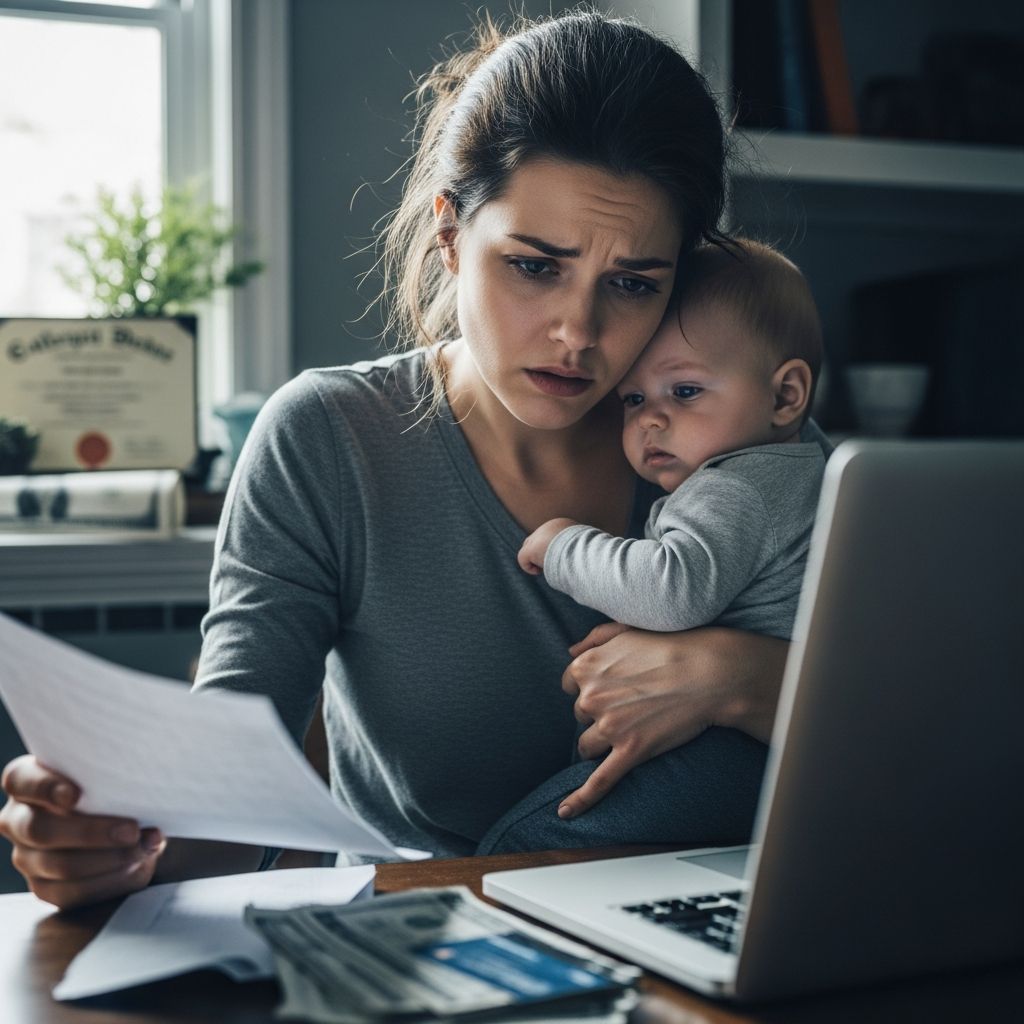
During pregnancy, hormonal shifts, physical discomforts, and anticipation create a perfect storm of curiosity and anxiety. Surveys reveal that 67% of new moms view the internet as a lifeline, posing over 1,000 questions across nine months—more often to search engines than midwives or family. British data indicates nearly one-third of expectant mothers search 3-5 times weekly, with top queries like “how many weeks is pregnancy?” hitting 181,000 monthly searches.
This reliance stems from embarrassment over personal topics, lack of immediate access to professionals, and the 24/7 availability of online info. However, while Google offers quick relief, it can amplify worries through unverified anecdotes. Understanding these patterns helps demystify the journey.
Intimacy and Relationships: The Most Searched Pregnancy Topic
Surprisingly, sexual concerns dominate searches. “Pregnancy and sex” leads with 48,100 average monthly queries, outpacing many health worries. Expectant couples wonder about safety, positions, and changes in desire amid shifting libidos and body images.
- Is sex safe during pregnancy? Generally yes, unless advised otherwise by a doctor for high-risk cases.
- Does it harm the baby? The uterus and amniotic fluid protect the fetus.
- What about orgasms? They are safe and can even ease back pain.
Global variations highlight cultural nuances: In Nigeria and South Africa, “have sex during pregnancy” tops lists, while U.S. searches focus on “how to have sex.” Partners also search differently—romantic poems in Mexico versus practical “what now?” in the U.S.
Food Cravings and Dietary Dilemmas
Cravings for ice, salt, sweets, and spicy foods appear universally, but specific queries vary by culture. Common searches include “can pregnant women eat shrimp?” and “drink wine?” in the U.S., reflecting seafood and alcohol debates.
| Country | Top ‘Can Pregnant Women Eat/Drink?’ Searches |
|---|---|
| United States | Shrimp, wine, sushi, caffeine, soft cheese |
| UK | Chocolate, spicy food, pineapple (myth-busting) |
| India | Mangoes, papaya (ripeness concerns) |
These reflect listeria fears and old wives’ tales. Moderation is key: Shrimp is safe if cooked, wine best avoided.
Body Changes and Symptom Searches
Physical shifts prompt frantic typing: “Do pregnant women fart a lot?” “Have discharge?” “Get cramps?” Autocomplete data confirms these quirks. Weight gain worries follow, with “pregnancy and weight” at 18,490 searches monthly.
Stretch marks, sleep struggles, and vomiting top “how to” lists: “Prevent stretch marks,” “Stop vomiting,” “Sleep better.” Vaginal discharge and rashes signal potential issues but are rarely severe.
Baby Development Milestones Moms Track Online
“How big is the baby now?” ranks high, as does “baby name ideas.” Moms crave visuals of fruit-sized comparisons—from poppy seed to watermelon—tracking growth weekly.
- Week 8: Raspberry-sized.
- Week 12: Lime.
- Week 20: Banana.
- Week 40: Watermelon.
Unlikely queries reveal deeper wonders: “What happens to baby’s pee/poop in the belly?” (Kidneys filter waste into amniotic fluid, swallowed and recycled.) “Can baby drown?” (No, fluid cushions constantly.)
Sleep, Energy, and Daily Life Adjustments
“Do pregnant women sleep a lot?” Yes, fatigue peaks in first and third trimesters due to progesterone. Searches spike for tips on side-sleeping, pillows, and combating insomnia.
Exercise queries like “workout during pregnancy” emphasize safety: Walking, yoga, swimming recommended; contact sports avoided.
The Quirkiest and Most Embarrassing Searches
Pregnancy unlocks unfiltered curiosity:
- “Do pregnant women ovulate?” (No, ovulation pauses.)
- “Can I dye my hair?” (Highlights safer post-first trimester.)
- “Feel baby move at 12 weeks?” (Usually later for first-timers.)
- “Baby express gestures?” (Yes, thumb-sucking visible on ultrasound.)
These “crazy” searches normalize the weirdness, reminding moms they’re not alone.
Risks of Googling: Misinformation and Anxiety
While empowering, excessive searching fuels anxiety. Parents query baby cries, sleep, feeding over 2,000 times yearly. Confirmation bias leads to scary forums. Experts urge verifying with OB-GYNs; 71% of parents credit pros for surviving year one.
Global Perspectives on Pregnancy Searches
Searches differ: U.S. focuses on symptoms, Mexico on romance, India on traditions. Yet core themes—intimacy, food, body—unite. Aggregate data from 20 countries shows pregnancy keywords average 145,400 monthly hits, less than HPV but vital.
Frequently Asked Questions (FAQs)
Is it normal to search Google so much during pregnancy?
Yes, 67% of moms do, averaging 1,000+ queries for reassurance.
Can sex during pregnancy cause miscarriage?
No, in low-risk pregnancies; consult your doctor.
Why do I crave weird foods?
Hormones alter taste; nutrient needs may play a role.
How often should I feel baby move?
10 movements in 2 hours by third trimester.
Is it safe to travel while pregnant?
Generally until 36 weeks; check airline rules.
Expert Tips for Healthy Googling Habits
Stick to trusted sites: ACOG.org, MayoClinic.org, CDC.gov.
Limit search time: Set a 10-minute rule per worry.
Journal symptoms: Track for doctor visits.
Join communities: Verified mom groups for support.
Balanced searching enhances, not hinders, pregnancy joy.
References
- Google and Women’s Health-Related Issues: What Does the Search Data Say? — NIH/PMC. 2014-10-29. https://pmc.ncbi.nlm.nih.gov/articles/PMC4235320/
- Most Searched Pregnancy Terms: Autocompletes & Autofills — BabyMed. N/A. https://www.babymed.com/most-searched-pregnancy-questions-google-autocompletes-autofills
- 34 Crazy Things Pregnant Women Actually Google — Mom.com. N/A. https://mom.com/pregnancy/crazy-things-pregnant-women-might-google
- What Do Pregnant Women Google? — Tampa Bay Times. 2014-05-25. https://www.tampabay.com/archive/2014/05/25/what-do-pregnant-women-google/
- Top 50 Questions Googled During Pregnancy — Vitabiotics. N/A. https://www.vitabiotics.com/blogs/talkmum/top-50-questions-googled-during-pregnancy
- Parents Google Over 2,000 Baby-Related Questions a Year — The Bump. N/A. https://www.thebump.com/news/parent-google-searches