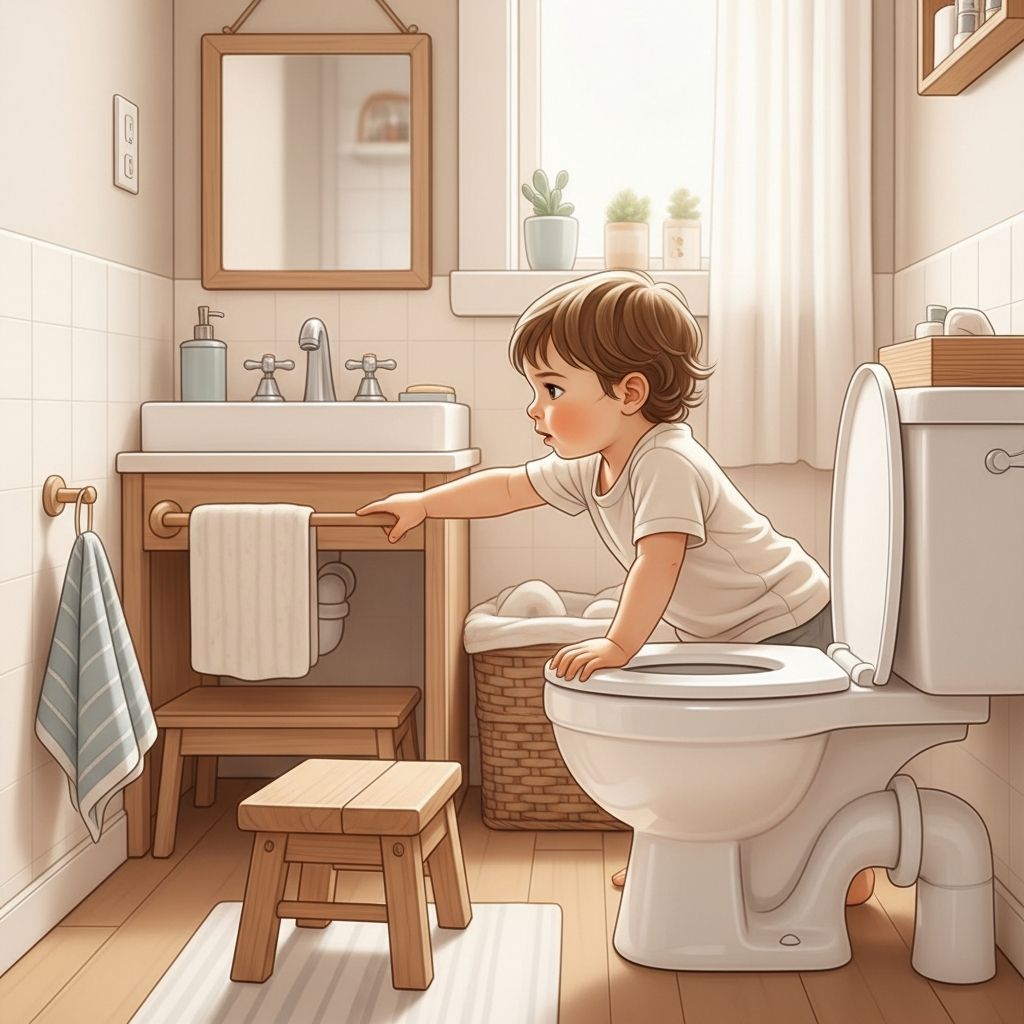
Parents often approach the transition from diapers to independent toileting with apprehension, viewing it as a milestone that must be conquered within a specific timeframe. The Montessori philosophy, however, reimagines this developmental process as a natural progression that unfolds according to each child’s unique readiness and pace. Rather than imposing external timelines or using behavioral incentives, the Montessori method emphasizes observation, environmental preparation, and the child’s innate desire for independence. This approach transforms what many families experience as a stressful period into a calm, respectful journey that honors the child’s autonomy and developmental capabilities.
Understanding the Difference Between Training and Learning
A fundamental distinction exists between what is commonly called “potty training” and what Montessori educators refer to as “toilet learning.” Traditional training often implies that an adult directs and controls the process, typically introducing intensive techniques within a compressed timeframe. This approach frequently relies on external motivators such as rewards, praise, or consequences to achieve quick results. In contrast, toilet learning acknowledges that children possess an inherent drive toward mastering skills that align with adult behaviors they observe daily. The Montessori perspective views the child as an active participant in their own development rather than a passive recipient of adult-imposed instruction.
This philosophical difference shapes every aspect of how families implement the approach. Where traditional methods might emphasize “getting it done,” toilet learning prioritizes the child’s growing awareness of their body, their capacity for self-regulation, and their emerging independence. The timeline expands considerably, sometimes spanning several years from initial introduction to complete mastery, but the process typically involves fewer power struggles and greater confidence in the child’s abilities.
Preparing the Foundation: Creating the Right Environment
The Montessori method emphasizes that the adult’s primary responsibility is to prepare the environment rather than force the child’s participation. This environmental preparation begins long before any expectation of toilet use and establishes the conditions under which learning naturally emerges.
Physical Space Considerations
- Install a child-sized potty chair or use an adapter ring with a step stool to make the adult toilet accessible without assistance
- Position the potty or toilet in the bathroom so the child can see and access it easily during daily routines
- Ensure adequate lighting and ventilation in the bathroom space
- Keep supplies within the child’s reach, including underwear, wipes, and hand soap
- Use visual supports such as simple diagrams or mirrors to help children observe and understand the process
Normalizing Bodily Functions
Long before introducing the toilet, parents can begin normalizing conversations about bodily functions during diaper changes. Rather than treating elimination as an unpleasant necessity, describe it matter-of-factly as a natural process that everyone experiences. Avoid making facial expressions of disgust or discomfort, as children absorb these attitudes and may develop shame or anxiety around their bodies. Introducing vocabulary words naturally during everyday care helps children understand what is happening and develops confidence in discussing their physical needs.
Recognizing Signs of Readiness
Children typically show interest in toilet-related activities around 12 months of age, though their readiness for actual independent toileting develops gradually over the following months and years. Recognizing genuine readiness signals ensures the process unfolds smoothly rather than meeting frustration from either child or caregiver.
Key Readiness Indicators Include:
- Showing curiosity about the toilet, bathroom, or other family members’ routines
- Communicating the need to use the toilet through words, gestures, or behavioral cues
- Staying dry for extended periods, particularly during naps or overnight sleep
- Demonstrating the ability to follow simple instructions and imitate adult behaviors
- Showing interest in pulling clothing up and down independently
- Expressing discomfort or awareness when wearing wet or soiled diapers
Rather than viewing these signs as a checklist to complete, the Montessori approach treats them as gentle invitations to introduce toilet learning when multiple indicators are present. Introducing the concept before these signs appear typically results in resistance and setbacks, whereas waiting for genuine readiness allows the process to progress naturally.
Establishing Consistent Routines Without Rigidity
While Montessori philosophy avoids rigid schedules, establishing predictable routines creates opportunities for the child to develop awareness of their body’s patterns. Unlike forced bathroom visits at arbitrary times, these routines align with natural moments when elimination is likely to occur.
Natural Times for Bathroom Visits:
- Upon waking in the morning or after naps
- Before leaving the house or going outside
- After returning indoors from outdoor activities
- Following meals
- Before bedtime
- At other times when the child demonstrates awareness or signals a need
The way adults invite the child to use the toilet matters significantly. Rather than asking “Do you want to use the potty?” (which invites refusal) or suggesting “I think you need to go” (which places responsibility on the adult), simply stating “It’s time to use the toilet” provides gentle guidance while respecting the child’s emerging bodily awareness. As children develop greater self-awareness, they will increasingly communicate their own needs and desires regarding toilet use.
Teaching Specific Skills with Independence
Once a child shows interest in sitting on the toilet or potty, teaching the specific mechanics of toileting begins. The Montessori approach breaks this complex skill into manageable steps, allowing the child to master each component at their own pace while maintaining as much independence as possible.
Sequential Skills Development:
- Pulling down pants and underwear independently or with minimal assistance
- Sitting comfortably on the toilet or potty chair
- Understanding and using toilet paper appropriately
- Pulling up clothing independently
- Flushing the toilet (though this can be taught later if it causes anxiety)
- Washing hands thoroughly after toileting
During these lessons, adults demonstrate each step slowly and clearly, then allow the child ample opportunities to practice. When mistakes occur—and they will—they are treated as natural learning experiences rather than failures. Involving the child in cleanup, such as helping to change clothes or dispose of soiled items, builds competence and investment in the process. A child who participates in managing the consequences of accidents develops greater ownership of their learning than one who has messes cleaned up by frustrated adults.
Creating Psychological Comfort and Confidence
Beyond the physical mechanics of using the toilet, children require emotional support and confidence-building to succeed. The Montessori environment fosters this through specific strategies that validate the child’s efforts and address common anxieties.
Building Comfort Strategies:
- Provide a sturdy step stool that allows the child’s feet to rest securely on the floor, reducing feelings of instability
- Allow adequate time for sitting on the toilet without pressure or time limits
- Offer the child something to hold or lean against for grounding and security
- Use positive, matter-of-fact language that acknowledges effort without excessive praise
- Allow the child to observe family members or older siblings using the toilet when appropriate
- Address fears or anxieties directly with honest, age-appropriate explanations
Many children experience fear around the toilet’s flushing mechanism, the sensation of sitting on the toilet, or concerns about what happens to waste. Rather than dismissing these fears as silly, acknowledging them and explaining the process in simple terms helps children move through anxiety at their own pace. Some children benefit from practicing using the toilet without flushing initially, with the flushing introduced as a separate skill later.
Handling Setbacks and Accidents Without Shame
During the toilet learning process, accidents are inevitable and should be expected as part of normal development rather than failures. The adult’s response to accidents significantly influences the child’s emerging relationship with their body and their confidence in future attempts.
When accidents occur, the Montessori approach emphasizes calm, matter-of-fact responses. Rather than expressing disappointment or frustration, acknowledge what happened and involve the child in the cleanup process. Statements such as “Your underwear is wet. Let’s change them and clean up together” communicate that accidents are manageable problems rather than sources of shame. This approach helps children develop resilience and maintains their confidence in their ability to eventually master the skill.
Some children regress during times of stress, illness, or significant life changes. These temporary setbacks do not indicate failure but rather reflect the child’s need for increased security during challenging periods. Responding with patience and reduced expectations helps the child move through the transition and resume progress when they are ready.
Understanding the Role of Overnight Dryness
Nighttime dryness develops on a different timeline than daytime toilet use and is largely governed by physiological maturation rather than learning. Many children achieve daytime dryness while continuing to wet the bed at night, and this is entirely normal and unrelated to the child’s daytime progress or intelligence.
Rather than introducing nighttime expectations before the child’s body is ready, parents can observe when children consistently wake dry from naps and overnight sleep before making a transition away from nighttime protection. Some children signal their own readiness by requesting to move away from nighttime diapers or pull-ups, and following the child’s lead often results in quick success. Others may benefit from remaining in protective nightwear until age five or beyond, and this variation falls well within the normal range of development.
The Absence of Rewards and Punishments
Perhaps the most distinctive feature of the Montessori approach is the deliberate absence of external reward systems or consequences. While many parents have been taught that sticker charts, special treats, or enthusiastic praise motivate toilet learning, the Montessori philosophy suggests this approach may actually undermine the child’s internal motivation and connection to their body.
When children learn to use the toilet for external rewards, they begin to associate the skill with pleasing adults rather than with their own body awareness and desire for independence. This can create power struggles, encourage hiding accidents, or result in regression when rewards are removed. The Montessori method trusts that children possess an intrinsic motivation to master skills that align with what they observe adults doing. The pleasure of independence, the pride in accomplishment, and the satisfaction of controlling one’s own body provide sufficient motivation when the environment is appropriately prepared and the adult’s role is properly defined.
Adapting the Approach for Individual Children
While the principles of Montessori toilet learning remain consistent, the specific timeline and strategies adapt to individual children’s temperaments, developmental pace, and family circumstances. Some children progress rapidly, while others benefit from a more extended timeline. Neither pace indicates future success or capability; they simply reflect each child’s unique developmental pattern.
Children with sensory sensitivities may require additional time to become comfortable with the sensations involved in toileting. Those with language delays may benefit from additional visual supports and modeling. Children who are highly motivated by autonomy may thrive when given maximum control over the process, while those who prefer clear structure may benefit from more explicit routines. Observing the individual child and adjusting the approach accordingly ensures the process remains positive and respectful.
Managing Expectations and Timeline
Most families beginning toilet learning should anticipate a process spanning several months to a few years rather than weeks. Complete mastery—including consistent daytime dryness, nighttime dryness, and independent management across all situations—typically develops over an extended period.
Starting around 15 to 18 months for families using cloth diapers or allowing significant diaper-free time, and somewhat later for those using highly absorbent disposable diapers, children can begin spending portions of the day without diapers. This extended timeline allows children to gradually develop the physical and cognitive abilities necessary for consistent toileting while reducing the pressure and conflict that accompany accelerated training approaches.
Frequently Asked Questions
At what age should I begin toilet learning with my child?
Rather than a specific age, begin when your child demonstrates multiple readiness signs, such as staying dry for extended periods, showing curiosity about the toilet, and communicating their needs. For most children, this occurs between 18 months and three years, though some children are ready earlier or later.
What if my child resists using the toilet?
Resistance often indicates the child is not yet ready or that pressure has created anxiety. Take a break from active teaching, maintain the prepared environment, and wait for clearer signs of readiness. Avoid power struggles, as forcing the issue typically results in increased resistance and can create lasting negative associations with toileting.
Should I use pull-ups or underwear during toilet learning?
Underwear allows children to feel wetness and develop awareness of their bodily functions more effectively than absorbent pull-ups. However, some families find pull-ups helpful during outings or certain situations. The key is consistency and avoiding messages that confuse the child about the learning process.
How do I handle accidents in public places?
Keep a change of clothes easily accessible and respond to accidents with the same calm, matter-of-fact approach you use at home. Many children benefit from wearing clothing that is easy to remove quickly. As your child becomes more reliable, gradually expand the range of environments where you spend time outside the home.
Is it normal for children to regress after initially becoming toilet trained?
Yes, regression is entirely normal during times of stress, transition, illness, or significant life changes. Respond with patience and temporarily reduced expectations, recognizing that this behavior reflects the child’s emotional needs rather than a loss of capability.
References
- A Montessori Approach to Toilet Training — The Montessori Notebook. 2024. https://themontessorinotebook.com/montessori-approach-toilet-training
- A Montessori Perspective on Potty Learning — Lovevery. 2024. https://blog.lovevery.com/podcast/a-montessori-perspective-on-potty-learning/
- Potty Training The Montessori Way: The Toilet Learning Approach — New Darlings. 2022. https://newdarlings.com/2022/03/potty-training-the-montessori-way-the-toilet-learning-approach/
- Montessori Potty Training: A Complete Guide — Geneva Montessori. 2024. https://www.genevamontessori.org/montessori-potty-training-a-complete-guide
- Toilet Learning the Montessori Way — Home and On the Way. 2024. https://www.homeandontheway.com/blog/toilet-learning-the-montessori-way