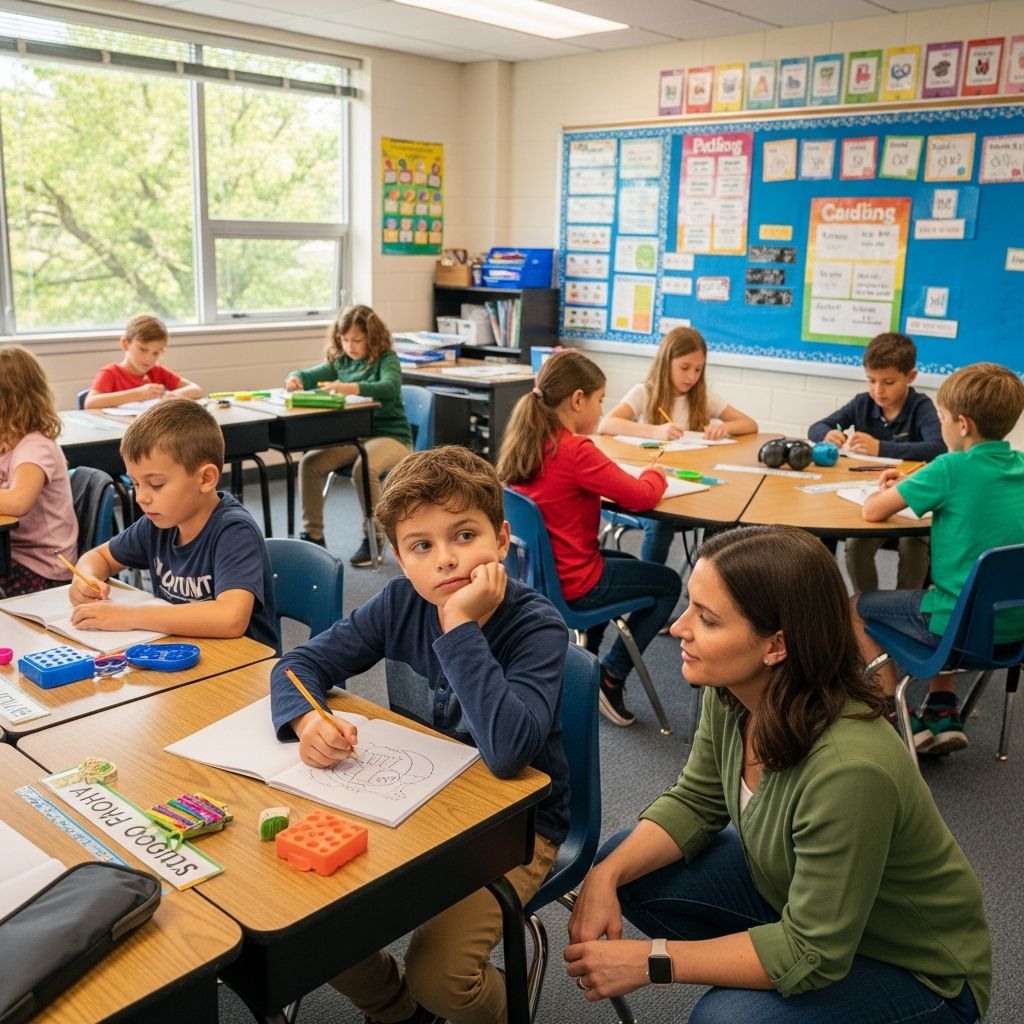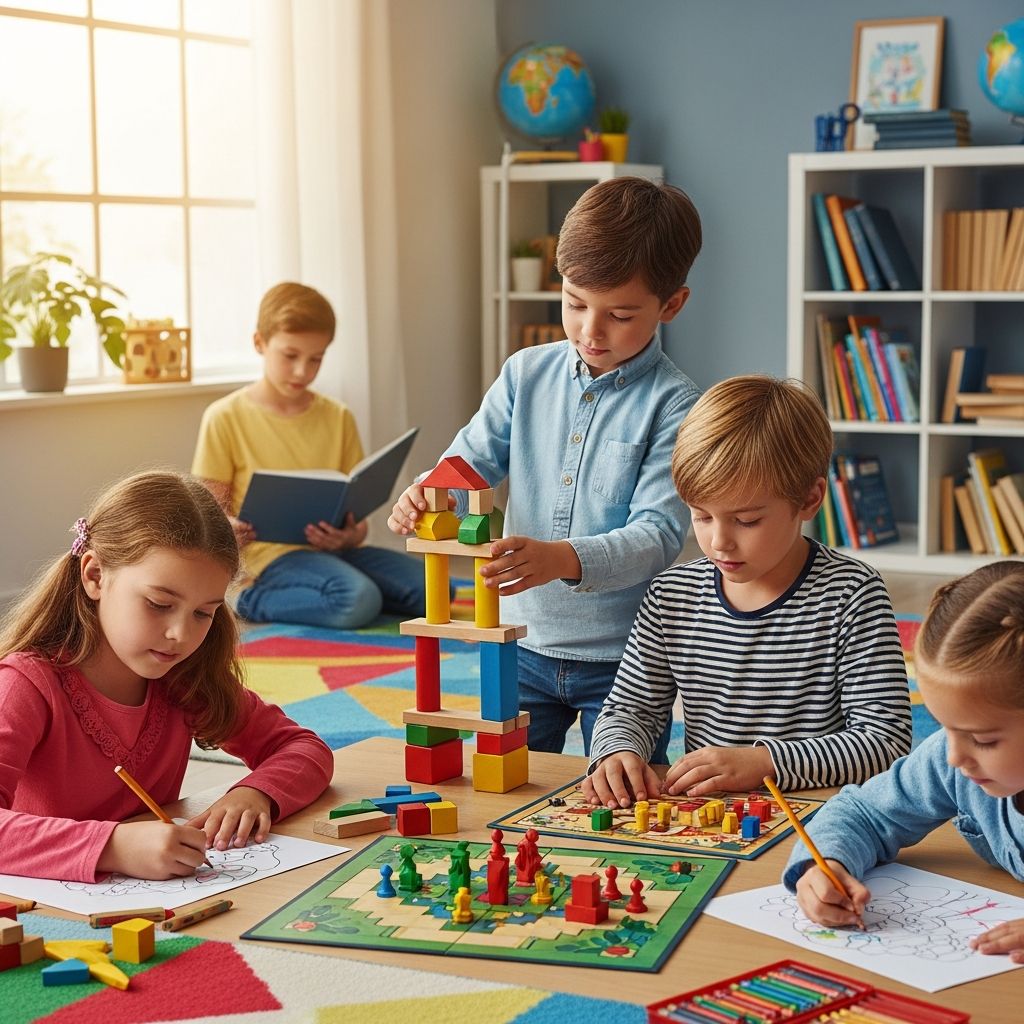
Montessori education emphasizes nurturing a child’s natural drive for independence and self-mastery. By using specific, intentional language, parents and educators can guide children toward developing strong self-control without relying on commands or external rewards. This approach shifts focus from obedience to intrinsic motivation, helping kids build resilience, emotional awareness, and problem-solving abilities that last a lifetime.
The Power of Words in Child Development
Language shapes how children perceive their abilities and challenges. In Montessori classrooms, teachers select words that respect the child’s autonomy while providing gentle guidance. Research from child development experts highlights how positive, effort-focused phrasing enhances executive function skills, such as impulse control and emotional regulation. At home, adopting these phrases creates consistency between school and family life, reinforcing lessons in a supportive environment.
Unlike directive commands like “Stop that now,” Montessori-inspired language invites reflection and choice. This method aligns with findings from the American Academy of Pediatrics, which stresses the importance of supportive parenting in fostering self-regulation from an early age. Parents who incorporate these phrases report children who are more persistent, empathetic, and capable of managing frustrations independently.
Essential Phrases to Encourage Effort and Growth
One cornerstone of Montessori teaching is praising process over product. Phrases that highlight persistence build a growth mindset, where children view challenges as opportunities rather than failures.
- “I notice how much effort you’re putting into this.” This acknowledges concentration without judging the outcome, encouraging children to value their hard work. For example, when a child struggles with a puzzle, this phrase motivates them to keep trying, fostering resilience.
- “You’re showing such great focus right now.” Commenting on attention span helps kids recognize their own progress in self-control, a key skill for academic and social success.
These expressions draw from Montessori’s emphasis on intrinsic motivation, as outlined in foundational texts on the method. They replace generic praise like “Good job,” which can create dependency on adult approval.
Promoting Independence Through Questioning
Encouraging children to solve problems themselves is vital for building confidence. Montessori teachers often respond to questions with guiding inquiries that prompt self-reliance.
| Child’s Situation | Traditional Response | Montessori Phrase | Benefit |
|---|---|---|---|
| Lost toy | “I’ll find it for you.” | “Where did you last see it? Let’s check there first.” | Teaches problem-solving and memory recall. |
| Frustrated task | “Let me help.” | “What part feels tricky? How can we tackle it?” | Empowers child to identify and address obstacles. |
| Curious question | “I don’t know.” | “That’s an interesting question—what do you think?” | Stimulates critical thinking and curiosity. |
By posing these questions, parents model a mindset of capability. Studies from the National Association for the Education of Young Children (NAEYC) support this, showing that inquiry-based interactions improve cognitive flexibility in preschoolers.
Fostering Self-Reflection and Awareness
Self-assessment is a hallmark of Montessori learning, where children learn to evaluate their own actions. Phrases that prompt introspection help kids develop internal standards rather than seeking constant validation.
- “Tell me about your creation—what do you like most?” After art or building activities, this invites children to articulate their choices, boosting creativity and pride in their work.
- “How did that feel when you kept trying?” Reflecting on emotions during challenges builds emotional intelligence, essential for self-control.
- “What would you do differently next time?” This encourages learning from mistakes without shame, aligning with resilience-building practices recommended by child psychologists.
Implementing self-reflection routines, like end-of-day discussions, strengthens neural pathways for self-regulation, per insights from developmental neuroscience.
Guiding Behavior with Empathy and Boundaries
Montessori environments thrive on clear limits presented respectfully. Phrases that remind children of community norms while honoring their feelings prevent power struggles.
Instead of “No running,” try: “In our home, we walk to keep everyone safe. How does that sound?” This collaborative tone, rooted in Montessori’s prepared environment concept, teaches consideration for others.
- “I see your friend looks upset—how can we help?” Promotes empathy and social awareness.
- “Let’s take a deep breath together before we choose.” Introduces simple mindfulness for impulse control.
Creating a Supportive Home Environment
Beyond phrases, self-control flourishes in structured yet flexible spaces. Montessori principles advocate for child-sized tools and accessible materials that allow safe exploration.
- Set consistent routines: Predictable schedules reduce anxiety and build discipline.
- Model calm responses: Children imitate adult emotional regulation.
- Offer choices within limits: “Do you want the red or blue cup?” empowers without overwhelming.
- Incorporate movement breaks: Physical activity supports focus and self-management.
- Celebrate small wins: Note progress subtly to reinforce positive habits.
These strategies, when combined with targeted language, create a holistic framework for growth. Evidence from longitudinal Montessori studies indicates participants exhibit superior executive function skills into adulthood.
Age-Appropriate Adaptations
Tailor phrases to developmental stages for maximum impact.
| Age Group | Key Focus | Example Phrase |
|---|---|---|
| Toddlers (1-3) | Basic independence | “You poured it yourself—amazing!” |
| Preschool (3-5) | Problem-solving | “Where should we start looking?” |
| Early Elementary (6+) | Self-reflection | “What worked well in your plan?” |
Adjusting language ensures relevance, supporting progression from external guidance to internal mastery.
Frequently Asked Questions (FAQs)
What if my child ignores these phrases?
Consistency is key. Repeat calmly and model the behavior. Over time, repetition builds habit, as supported by habit-formation research from the CDC.
Can these work in non-Montessori families?
Absolutely—these universal principles enhance any parenting style by promoting emotional skills backed by pediatric guidelines.
How quickly will I see results?
Changes vary, but many parents notice improved focus within weeks. Track progress through a simple journal.
Are there books for deeper learning?
Explore Maria Montessori’s original works or modern adaptations like “The Montessori Toddler” for comprehensive insights.
Long-Term Benefits of Montessori Language
Children raised with these phrases develop into adaptable, empathetic individuals. They excel in self-directed learning, conflict resolution, and stress management—skills vital in today’s world. By investing in this language now, parents lay the foundation for a confident, capable future.
References
- Developing Self-Control in Montessori — Shelton School. 2023-05-15. https://www.shelton.org/shelton-teacher-training/montessori/macar/macar-required-reading/developing-self-control
- Building Self-Regulation in Young Children — American Academy of Pediatrics. 2024-01-10. https://publications.aap.org/pediatrics/article/151/1/e2022057681/188000
- Montessori: The Science Behind the Genius — Oxford University Press. 2016-03-01. https://global.oup.com/academic/product/montessori-9780199751943
- Position Statement on Early Childhood Curriculum — NAEYC. 2025-02-20. https://www.naeyc.org/resources/position-statements
- Executive Function Development — Harvard Center on the Developing Child. 2024-11-05. https://developingchild.harvard.edu/science/key-concepts/executive-function/
- Montessori Prepared Environment — Association Montessori Internationale. 2023-09-12. https://montessori-ami.org/about-montessori
- Longitudinal Outcomes of Montessori Education — NIH PubMed. 2022-07-18. https://pubmed.ncbi.nlm.nih.gov/35866481/
- Positive Parenting Tips — CDC. 2025-03-01. https://www.cdc.gov/parents/essentials/index.html