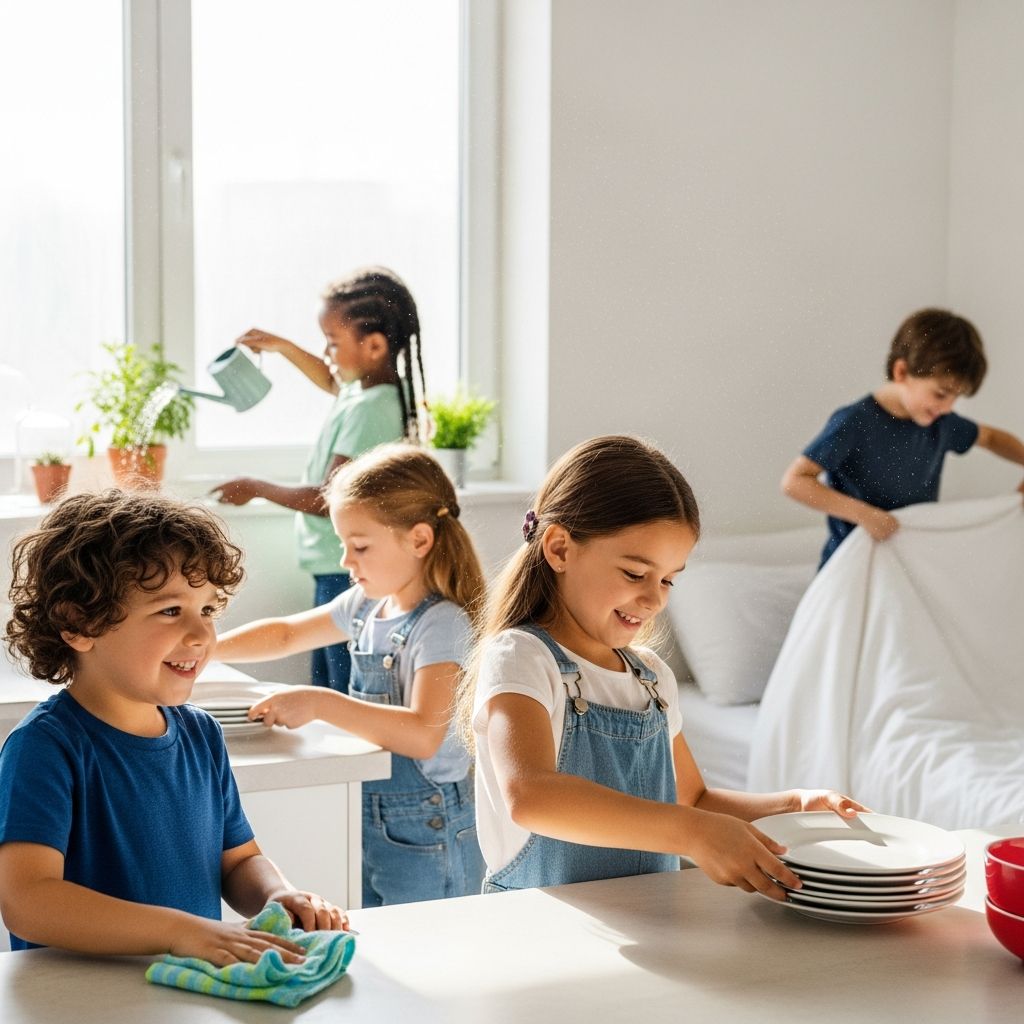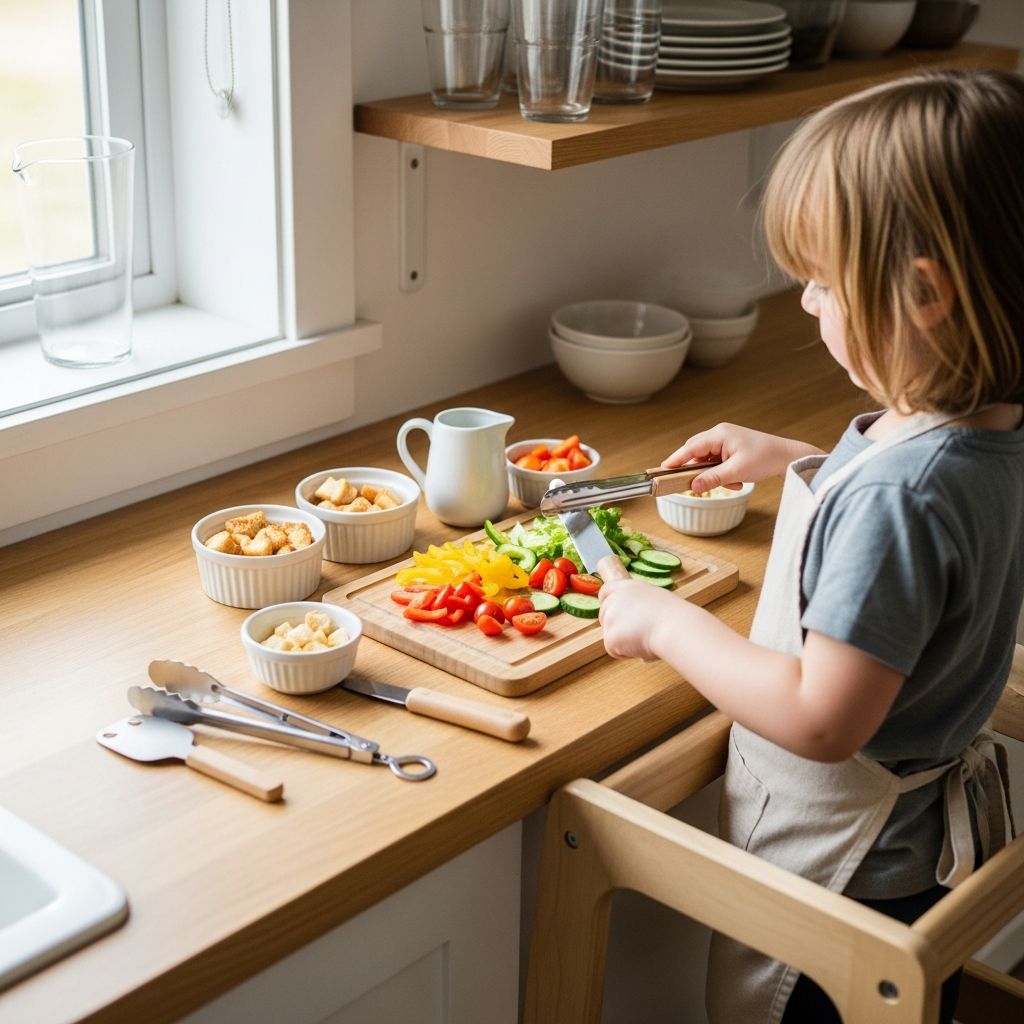
Transforming the kitchen into a space of discovery and growth aligns perfectly with Montessori philosophy, which emphasizes hands-on learning and self-reliance. By involving children in cooking from an early age, parents can cultivate practical skills, boost confidence, and encourage nutritious eating habits. This approach turns everyday meal prep into meaningful educational moments, allowing kids to explore textures, flavors, and processes while developing coordination and responsibility.
Building a Child-Friendly Kitchen Environment
Creating an accessible kitchen starts with thoughtful organization. Assign specific spots for utensils, ingredients, and tools so children can easily find and return items, promoting order and independence. Invest in child-sized furniture like low shelves, step stools, or learning towers to bring little ones to counter height safely.
Stock your space with durable, safe equipment: small pitchers for pouring, wooden spoons for stirring, and serrated knives for soft foods. Hygiene is paramount—designate hand-washing stations with reachable soap dispensers and towels. This setup not only prevents accidents but also teaches cleanliness as a routine.
- Low open shelves for daily essentials like plates and bowls.
- Accessible drawers with safe tools grouped by function.
- A dedicated ‘child corner’ with aprons, mitts, and spill mats.
Age-Appropriate Tasks to Foster Independence
Montessori activities scale with development stages, matching complexity to a child’s abilities. For the youngest participants, focus on sensory exploration; older kids tackle more intricate steps.
Activities for 1-2 Year Olds
At this stage, emphasize gross motor skills and simple manipulation. Children thrive on repetitive, low-risk actions that build muscle control.
- Transferring dry goods like beans or rice between bowls.
- Tearing soft greens or bread into pieces.
- Spreading soft items like yogurt or nut butter on crackers.
- Peeling soft fruits, such as bananas or grapes (halved for safety).
These tasks introduce cause-and-effect while keeping frustration low.
Tasks for 2-3 Year Olds
Refine fine motor skills with tools that require precision. Supervision remains key, especially with edges.
- Squeezing citrus for flavored water.
- Grating soft cheese or vegetables like carrots.
- Using tongs to pick up items like pasta or peas.
- Whisking eggs or light batters in small bowls.
Encourage narration: explain steps to reinforce language and comprehension.
Challenges for 3-5 Year Olds
Introduce sequencing and measurement as cognitive layers.
- Chopping soft produce with child-safe cutters.
- Measuring ingredients using scoops and cups.
- Assembling simple salads or wraps.
- Setting timers and monitoring cooking progress.
| Age Group | Key Skills | Example Tools |
|---|---|---|
| 1-2 Years | Gross motor, sensory | Bowls, spoons, soft foods |
| 2-3 Years | Fine motor, coordination | Tongs, graters, whisks |
| 3-5 Years | Sequencing, math | Measuring cups, timers, cutters |
Simple Recipes to Try Together
Begin with quick, forgiving recipes that yield tasty results, minimizing cleanup stress. Categorize by effort level to match your schedule.
Quick Starters (Under 10 Minutes)
Fruit Yogurt Parfaits
- Wash and slice soft fruits like strawberries.
- Layer yogurt and fruits in clear glasses.
- Sprinkle oats or granola on top.
Kids love the visual stacking and tasting along the way.
Veggie Sticks with Dip
- Cut carrots, cucumbers into sticks.
- Mix yogurt with herbs for dip.
- Arrange on a platter for dipping fun.
Medium Effort (15-20 Minutes)
Mini Veggie Frittatas
Preheat oven to 350°F. Dice veggies like broccoli, mix with beaten egg, bake in muffin tins. Children handle dicing soft bits and stirring—wash hands post-egg handling to mitigate risks.
Banana Pancake Bites
Mash bananas, blend with oats and egg. Cook small dollops on a hot pan. Flipping builds dexterity with practice.
Special Occasion Projects (30+ Minutes)
Roasted Root Veggies
Wash, peel (with supervision), chop beets or carrots. Toss in oil, roast. Discuss colors and changes during cooking.
Homemade Bread Dough
Mix flour, water, yeast. Knead on floured surface. Let rise, bake. Kneading teaches elasticity and patience.
Safety First: Essential Guidelines
Prioritize prevention: clear hot zones, use back burners, and model safe habits. Teach ‘stop and check’ before touching anything warm. For raw eggs or allergens, enforce handwashing and separation.
- Learning tower with guardrails for stability.
- Aprons and non-slip mats.
- Immediate supervision near heat or blades.
Start with demonstrations: slowly show each motion, then invite imitation. Gradually reduce help as mastery grows.
The Lasting Benefits of Kitchen Involvement
Beyond meals, these sessions enhance focus, problem-solving, and family bonds. Children who prep food are more eager to eat it, promoting balanced diets. Research from educational bodies underscores how practical life activities sharpen executive function and self-efficacy.
Track progress: celebrate small wins like independent pouring to sustain motivation. Over time, this evolves into lifelong competencies.
Frequently Asked Questions
What if my child makes a mess?
Embrace it—have towels ready. Messes teach cleanup responsibility, turning errors into learning.
Is it safe for toddlers near knives?
Use wavy cutters or butter knives on soft items under close watch. Skills build gradually.
How often should we cook together?
Daily short sessions beat infrequent marathons. Consistency reinforces habits.
What if my kid loses interest?
Follow their lead; rotate tasks. Keep it playful, not obligatory.
Can this help picky eaters?
Yes—familiarity through handling boosts willingness to try new foods.
References
- Cooking with Children in the Montessori Classroom — Montessori Services. 2023-01-15. https://www.montessoriservices.com/ideas-insights/cooking-with-children-in-the-classroom
- Montessori Kids in the Kitchen — The Montessori Notebook. 2022-05-10. https://themontessorinotebook.com/montessori-kids-in-the-kitchen
- 10 Tips for Seasoning Your Kitchen with Montessori — River Bend Montessori. 2024-03-20. https://riverbendmontessori.com/10-tips-for-seasoning-your-kitchen-with-montessori/
- Children in the Kitchen: 8 Tips for Cooking with Your Child — American Montessori Society. 2023-08-14. https://amshq.org/blog/at-home-family/2023-08-14-8-tips-for-cooking-with-your-child/
- How to Create a Montessori Kitchen — Montessori Generation. 2023-11-05. https://montessorigeneration.com/blogs/montessori/how-to-create-a-montessori-kitchen
- Montessori Kitchen Setup: Practical Tips for Parents — Ahimsa Home. 2024-02-28. https://ahimsahome.com/blogs/childrens-health-blog/transform-your-kitchen-with-a-montessori-approach