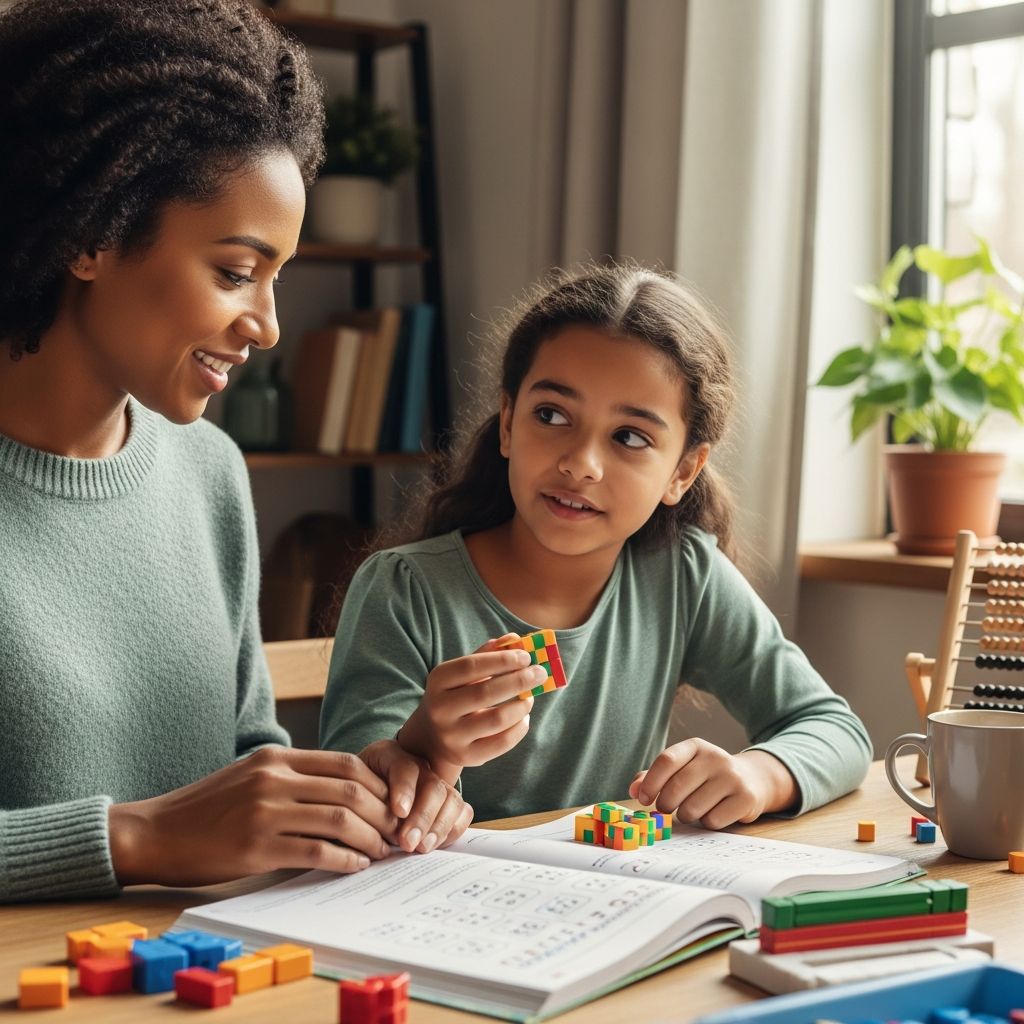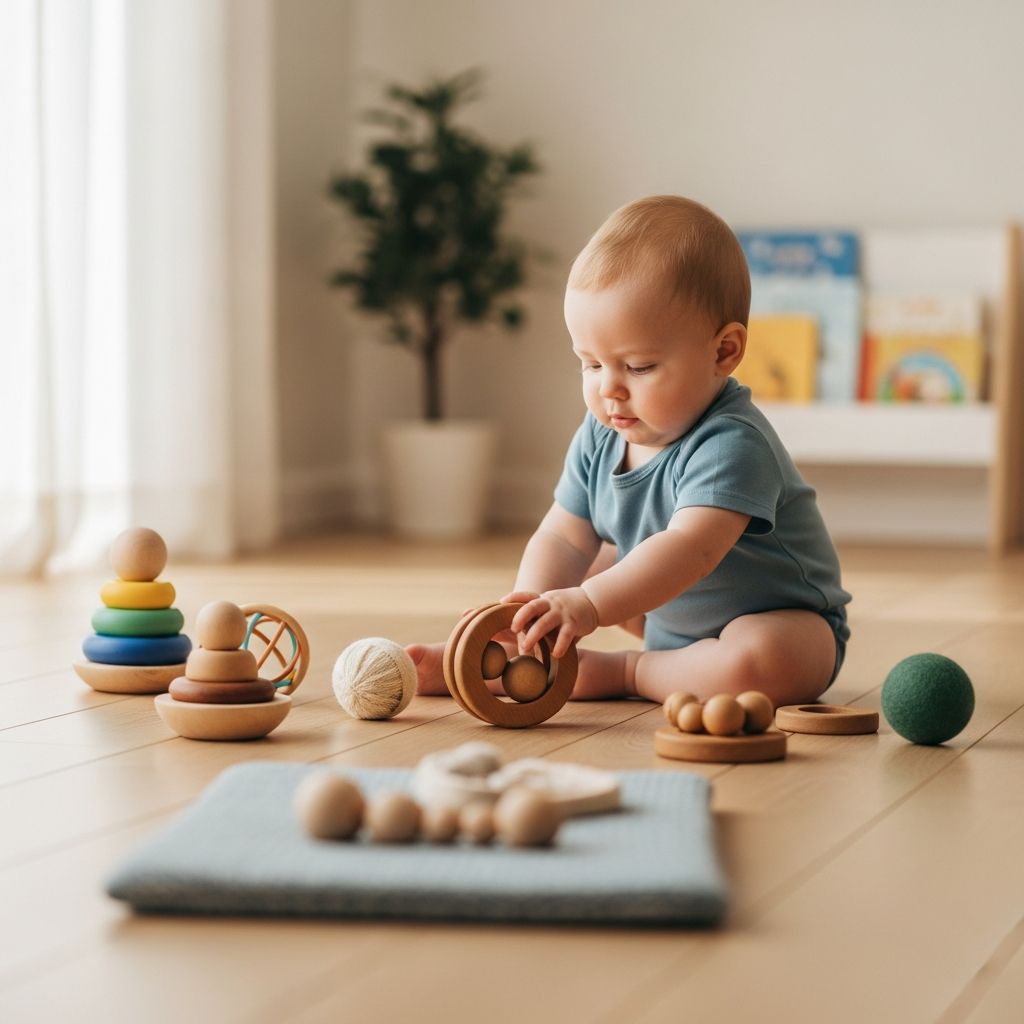
From the moment of birth, babies are eager explorers ready to engage with their world. Montessori principles honor this innate curiosity by creating safe, inviting spaces filled with natural materials that encourage self-directed discovery. These approaches prioritize freedom of movement, sensory stimulation, and respect for the child’s pace, laying a strong foundation for lifelong learning.
Core Principles of Montessori for the Youngest Learners
Montessori education views infants as competent individuals capable of meaningful learning when given appropriate opportunities. Key tenets include preparing the environment with child-sized, accessible items; observing the child’s interests to guide activities; and fostering independence through practical, real-world tasks. This method supports rapid brain development, where infants form up to 1,000 neural connections per second, by providing rich sensory, motor, and language experiences.
Unlike traditional play that often involves restrictive devices like swings or walkers, Montessori emphasizes open floor spaces for unrestricted movement, promoting milestones such as rolling, crawling, and walking naturally. Secure attachments with caregivers build emotional security, while mixed-age interactions—even in home settings—model social behaviors and empathy.
Setting Up a Baby-Friendly Montessori Space at Home
Transform any room into a Montessori haven with minimal changes. Start with a low floor bed or firm mattress directly on the ground to allow safe exploration without barriers. Use natural light, soft rugs, and mirrors at baby level to encourage visual tracking and body awareness.
- Low shelves: Stock with 2-3 rotating items like wooden grasping toys or soft books, easily reachable to promote choice-making.
- Movement area: A defined 6×6 foot space with a mat, free of clutter, for tummy time and play.
- Natural materials: Wood, fabric, metal—avoid plastics for tactile authenticity.
- Mobile display: Hang visuals at baby’s eye level during awake times, separate from sleep areas.
This setup not only prevents overstimulation but also teaches order and routine, helping babies feel secure. Observe daily to rotate items based on engagement, ensuring the space evolves with your child’s growth.
Birth to 3 Months: Awakening the Senses
Newborns enter the world with heightened senses, focusing on high-contrast patterns and gentle sounds. Montessori activities at this stage introduce visual and auditory stimulation to support focusing and tracking skills.
Visual Mobiles for Focus and Coordination
Craft or purchase black-and-white mobiles featuring geometric shapes or simple images. Position them 8-10 inches above baby’s chest during supervised awake periods in the movement area. As eyes strengthen, transition to subtle colors like pastels. These encourage head lifting and visual pursuit, foundational for later coordination.
Gentle Sound Explorations
Offer soft rattles made of wood or wool that produce mellow tones when shaken. Hold near baby’s hand to invite grasping attempts, building arm strength and cause-effect understanding. Sing lullabies or speak descriptively about surroundings to immerse in language rhythms.
Daily routine: 5-10 minutes of tummy time 3-4 times, observing for fatigue cues.
3 to 6 Months: Grasping and Intentional Movement
Babies now reach with purpose, mouthing objects to explore textures. Activities refine fine motor control and hand-eye coordination while expanding visual fields to colors and patterns.
Grasping Beads and Tactile Toys
Introduce smooth wooden beads on a string or fabric-wrapped rings sized for tiny fists. These invite reaching, holding, and transferring between hands, strengthening grip for future self-feeding. Vary textures—silk, cotton, wool—for sensory discrimination.
Patterned Mobiles and Rattles
Upgrade to mobiles with complex shapes in bold hues, swaying gently to captivate attention. Pair with rattles that require shaking for sound, teaching persistence and control.
| Activity | Skills Developed | Materials Needed |
|---|---|---|
| Grasping Beads | Fine motor, texture awareness | Wooden beads, natural string |
| Color Mobiles | Visual tracking, focus | Fabric shapes, hanging frame |
| Soft Rattles | Cause-effect, grasping | Wood core, fabric cover |
Encourage floor time post-naps when energy peaks, fostering prolonged independent play.
6 to 9 Months: Sitting, Crawling, and Discovery
Sitting steadily opens new horizons, prompting crawling quests. Focus shifts to bilateral coordination, object permanence, and early problem-solving.
Object Permanence Box
A wooden box with a ramp invites dropping a ball in top hole, watching it emerge below. This demonstrates ‘hidden but present’ concept, boosting cognitive persistence. Begin with larger balls for success.
Treasure Baskets for Sensory Adventure
Fill a low basket with safe household items: wooden spoons, pinecones, fabric scraps. Babies select, examine, and manipulate, honing pincer grasp and categorization instincts. Refresh weekly for novelty.
- Supervise closely to ensure safety.
- Limit to 6-8 items to avoid overwhelm.
9 to 12 Months: Standing, Walking, and Independence
Pre-walking babies crave vertical exploration. Activities now incorporate practical life skills, language, and social elements.
Weaning Table and Chair for Meals
A child-sized table allows self-feeding with finger foods and an open cup for water sips. This builds hand control, concentration, and table manners from infancy.
Pushing Toys and Walker Alternatives
Low wooden wagons or push toys without wheels encourage balance and stepping. Avoid wheeled walkers to prevent improper gait.
Simple Puzzles and Nesting
Two-piece wooden puzzles or nesting cups teach spatial relations and fine motor precision. Narrate actions: “The red circle fits here!” to enrich vocabulary.
Daily Routines to Embed Learning
Consistency reinforces security. Sample schedule:
- Morning: Movement area with mobile/rattle (20 min).
- Midday: Treasure basket or permanence box post-nap.
- Afternoon: Practical skills like wiping spills or plant watering.
- Evening: Book time with cloth books, naming objects.
Integrate songs, rhymes, and descriptive talk throughout, exposing to rich language. Care for environment—sweeping crumbs or folding cloths—instills responsibility.
Benefits Backed by Development Science
Montessori for babies accelerates holistic growth:
- Motor: Open movement hastens crawling/walking.
- Cognitive: Sensory tools sharpen perception, problem-solving.
- Emotional: Independence breeds confidence, resilience.
- Social/Language: Interactions and narration boost empathy, vocabulary.
Studies affirm hands-on exploration enhances neural pathways critical in early years.
Frequently Asked Questions
What age can I start Montessori activities?
From birth, with visuals and sounds; expand as motor skills emerge.
Do I need expensive materials?
No—household naturals like baskets, spoons suffice; prioritize quality over quantity.
How much time daily?
Short bursts (10-30 min) multiple times, following baby’s cues.
Is it safe for unsupervised play?
Always supervise; prepared environments minimize risks.
Can this replace daycare?
Adapts to home or complements programs emphasizing observation and independence.
References
- The Benefits of Montessori Infant Care: Why Starting Early Makes a Difference — OCKids Preschool. 2023. https://ockidspreschool.com/the-benefits-of-montessori-infant-care-why-starting-early-makes-a-difference/
- The Benefits of Montessori Education for Infants and Toddlers — Montessori Teachers Training. 2023. https://montessoriteacherstraining.ca/the-benefits-of-montessori-education-for-infants-and-toddlers/
- 7 Benefits Your Child Can Get When Starting Montessori Early — Montessori.cz. 2023. https://www.montessori.cz/imsp-blog/7-benefits-your-child-can-get-when-starting-montessori-early-p232/
- Montessori for Babies: A Complete Beginner’s Guide — Guidepost Montessori. 2023. https://guidepostmontessori.com/blog/montessori-for-babies-complete-beginners-guide/
- Why Montessori Cognitive Activities Benefit Your Child — Kids USA Montessori. 2023. https://kidsusamontessori.org/why-montessori-cognitive-activities-benefit-your-child-a-comprehensive-guide/
- Montessori for Infants & Toddlers — AMSHQ. 2023. https://amshq.org/about-us/inside-the-montessori-classroom/infant-and-toddler/