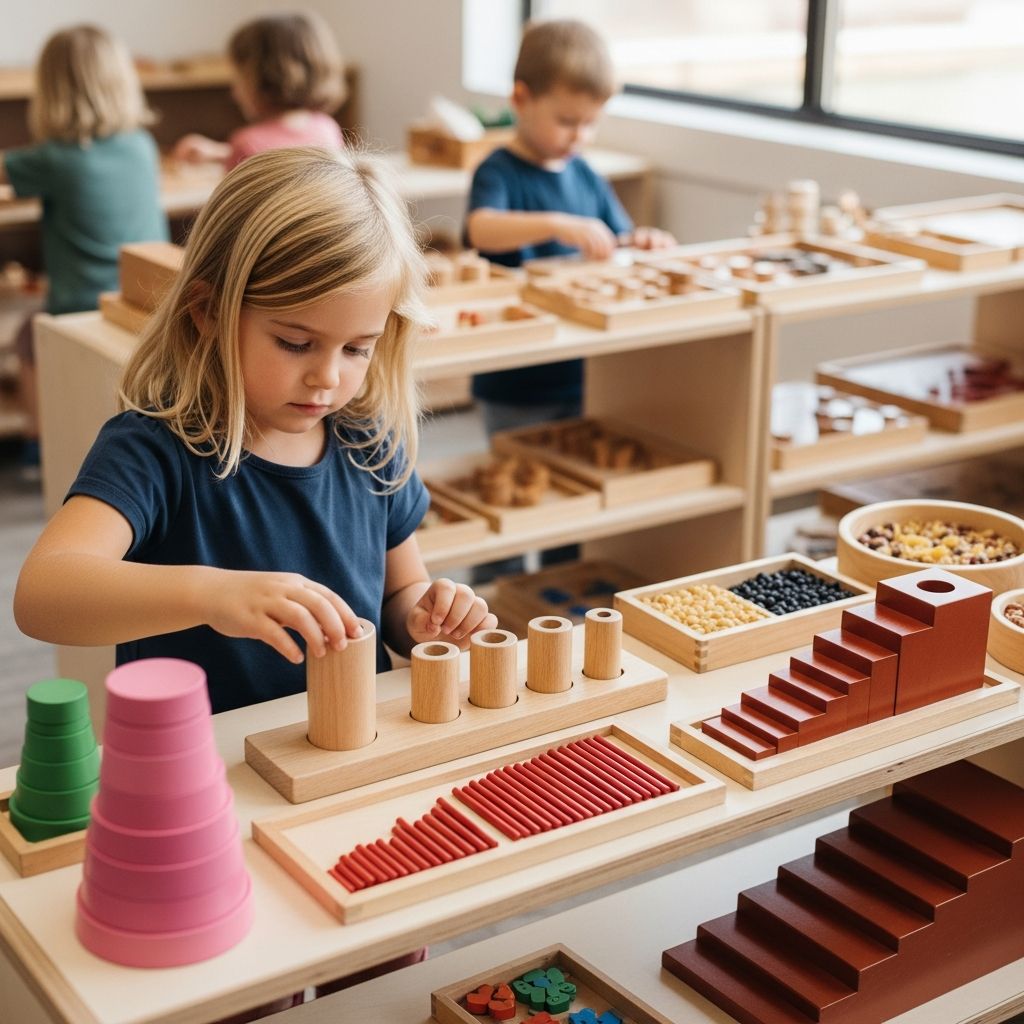
Montessori education empowers children through self-directed learning in thoughtfully designed environments, promoting independence, concentration, and a deep love for discovery from an early age.
Origins and Evolution of the Montessori Approach
Developed by Dr. Maria Montessori, an Italian physician and educator, this method emerged in the early 1900s from observations of children’s natural learning tendencies in Rome’s impoverished neighborhoods. She identified that kids thrive when given freedom to explore within structured settings, leading to the first Casa dei Bambini in 1907. Today, it spans global classrooms, adapting to diverse needs while preserving core tenets like hands-on materials and child-led progress.
Unlike traditional rote learning, Montessori views education as a lifelong process starting from birth, emphasizing psychological growth through interaction with the surroundings. Dr. Montessori’s work drew from anthropology, psychology, and child development science, proving children’s innate drive for purposeful activity.
Fundamental Principles Driving Montessori Learning
At its heart, Montessori rests on respect for the child’s individuality, recognizing each as a unique learner capable of self-guidance when supported properly.
- Respect for the Child: Treat children as competent beings, trusting their choices without constant intervention, fostering confidence and self-reliance.
- Absorbent Mind and Sensitive Periods: Young minds (birth to six) absorb knowledge effortlessly, with windows for skills like language or order; educators align activities to these phases.
- Auto-Education: Children teach themselves via intriguing materials, building intrinsic motivation over external rewards like stickers.
- Freedom Within Limits: Kids choose activities but follow ground rules ensuring respect for self, others, and materials.
- Holistic Development: Nurture intellectual, physical, social, emotional, and spiritual growth equally through interconnected experiences.
These principles create lifelong learners who derive joy from mastery, not praise.
The Signature Montessori Classroom Environment
Classrooms are “prepared environments”—calm, inviting spaces scaled to child size, with low shelves displaying self-correcting materials for easy access.
Key features include:
- Mixed-Age Grouping: Ages 3-6 or 6-9 together; older peers mentor younger ones, building leadership and empathy.
- Hands-On Materials: Wooden tools teach concepts like math via bead chains or language through sandpaper letters, isolating one skill for mastery.
- Uninterrupted Work Cycles: 2-3 hour blocks allow deep focus; children select, work, clean up, and repeat at their pace.
- Beauty and Order: Natural elements, plants, and uncluttered spaces promote tranquility and real-world connections.
Teachers act as guides, observing to introduce lessons during readiness, modeling grace like polite greetings.
| Age Group | Typical Work Period | Focus Areas |
|---|---|---|
| 0-3 years (Nido/Infant) | 45-60 min | Movement, language basics, independence |
| 3-6 years (Primary) | 2-3 hours | Practical life, sensorial, math intro |
| 6-12 years (Elementary) | 3 hours | Cosmic education, group projects |
This setup contrasts traditional desks-in-rows by prioritizing movement and collaboration.
Daily Life and Activities in Montessori Settings
A typical day blends individual exploration with communal routines. Morning circles build community through songs and sharing, followed by work periods where kids pour water, sort cylinders, or construct grammar symbols— all reinforcing coordination and cognition.
Practical life exercises like buttoning frames or food prep teach fine motor skills and cultural norms. Sensorial materials refine senses via color grading or sound cylinders. Math evolves from concrete (golden beads for 1000s) to abstract. Language integrates writing before reading via movable alphabets.
Grace and courtesy lessons—interrupting politely or walking gracefully—embed social graces naturally.
Proven Benefits Backed by Research and Observation
Montessori cultivates executive function, creativity, and social skills. Studies show participants excel in concentration, problem-solving, and collaboration compared to peers. Long-term, alumni report stronger self-motivation and adaptability.
- Enhanced focus from uninterrupted cycles builds attention spans.
- Independence reduces reliance on adult approval.
- Mixed ages foster empathy and reduced competition.
- Holistic growth supports emotional regulation.
Critics note potential gaps in standardized test prep, but proponents highlight deeper comprehension over memorization.
Implementing Montessori Principles at Home
Parents can replicate elements without full commitment:
- Weaning Table and Low Shelves: Child-sized furniture for autonomy in eating or play.
- Simple Activities: Sorting laundry, polishing shoes, or nature walks mimic classroom work.
- Observation Over Direction: Follow interests; offer choices like “red or blue cup?”
- Minimal Toys: Rotate few high-quality items to spark imagination.
- Modeling Behavior: Demonstrate calm, respectful interactions.
Create a dedicated shelf with 4-6 trays of activities like transfer work (pouring beans) or puzzles, introducing one weekly. Limit screen time to preserve concentration.
Finding and Evaluating Montessori Programs
Seek AMS or AMI-affiliated schools for trained staff and authentic materials. Observe: Are children engaged, not just occupied? Is the space orderly yet inviting? Tour multiple, ask about teacher turnover and parent involvement.
Costs vary; public charters offer free access in some areas. Transition tips: Prepare with home routines; embrace slower academic pacing initially.
Frequently Asked Questions
What ages is Montessori best for?
Ideal from birth through adolescence, with profound impacts in early childhood (0-6) during absorbent mind phases.
Does Montessori delay academics?
No—children often read/write earlier via concrete methods, though group standardization differs.
How to choose between Montessori and traditional?
Observe your child’s needs: Thrives on independence? Montessori. Needs structure? Hybrid options exist.
Can Montessori work for neurodiverse kids?
Yes, individualized pace suits ADHD, autism, supporting strengths.
What if we can’t afford private Montessori?
Home practices and public programs bridge gaps effectively.
Potential Challenges and Solutions
Challenges include higher costs and adjustment from teacher-led norms. Solutions: Financial aid, gradual enrollment, parent education workshops. Measure success by joy in learning, not grades alone.
Montessori evolves with research, incorporating tech sparingly for collaboration.
References
- 5 Core Components of Montessori Education — Association Montessori Internationale (AMS). 2023. https://amshq.org/the-ams-difference/core-components-of-montessori/
- Montessori Philosophy — The Montessori School of Evergreen. 2024. https://www.montessori-evergreen.org/montessori-philosophy
- Key Montessori Principles Of Education — Montessori Academy. 2023. https://montessoriacademy.com.au/montessori-education/principles-of-montessori-education/
- 10 Guiding Principles of Montessori — Guide and Grow. 2024. https://www.guideandgrow.com/10-guiding-principles-of-montessori/
- 10 Montessori Principles — Times Montessori. 2023. https://www.timesmontessori.com/montessori/montessori-principles
- Montessori education — Wikipedia (citing primary sources). 2025-01-10. https://en.wikipedia.org/wiki/Montessori_education
- The Six Principles of the Montessori Prepared Environment Explained — Springstone Kids. 2023. https://www.springstonekids.com/six-principles-montessori-prepared-environment-explained/