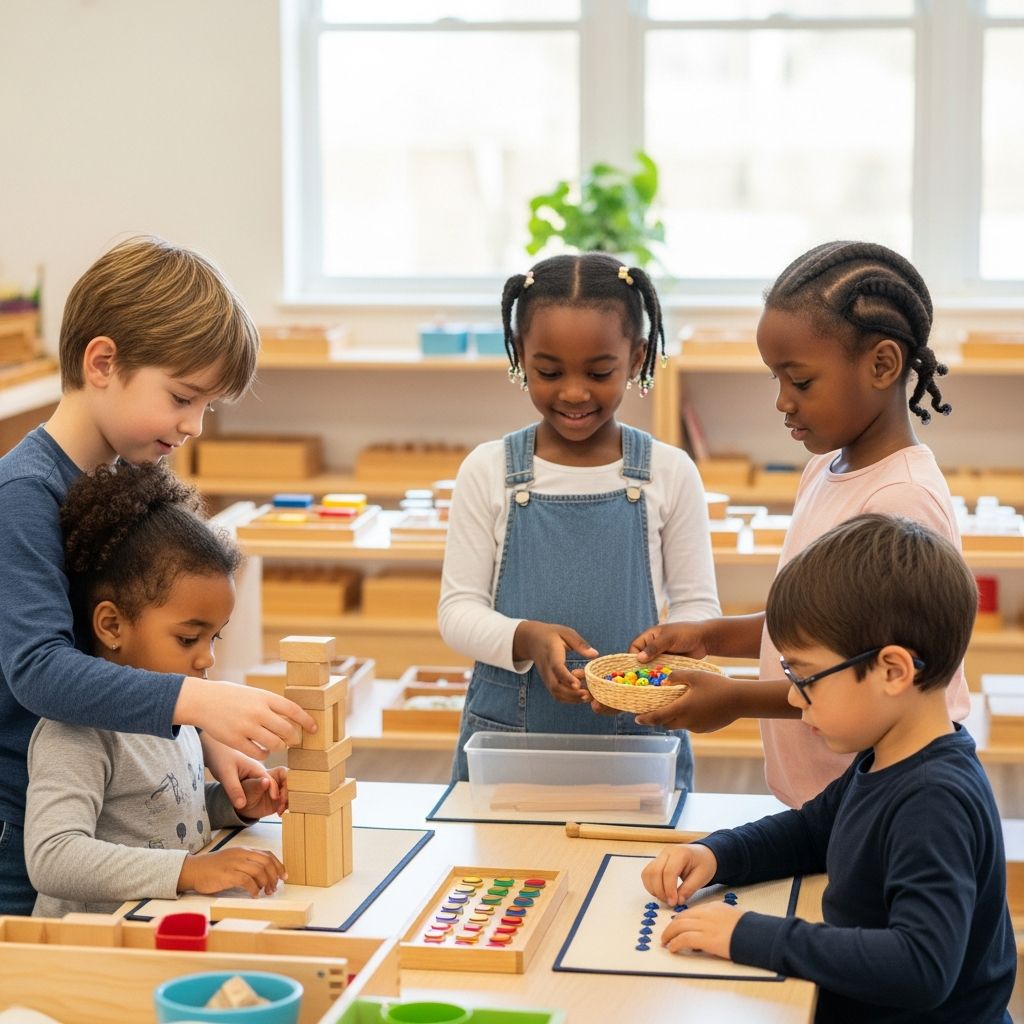
Cooperation in young children emerges naturally when parents align with their developmental needs rather than forcing compliance. Montessori philosophy emphasizes nurturing a child’s inner drive for harmony, leading to voluntary participation in family life without reliance on rewards or punishments.
Understanding Cooperation Through a Child’s Eyes
At its core, cooperation means aligning individual desires with group needs, creating mutual respect. Young children, especially toddlers and preschoolers, thrive when given opportunities to exercise their growing will. This approach, rooted in Maria Montessori’s observations, progresses through stages of obedience: from external control to self-mastered discipline.
Children aged 2-6 are in a sensitive period for order and independence. Forcing tasks leads to resistance, while supporting their process-oriented exploration fosters eagerness to join family activities. Research from child development experts highlights that process-focused interactions build long-term self-regulation skills.
Creating a Foundation with Prepared Environments
A child’s surroundings profoundly influence cooperation. Simplify spaces to make tasks accessible: low shelves for toys, child-sized utensils, and labeled bins encourage self-initiated cleanup. This setup signals trust in their abilities, reducing overwhelm.
- Declutter daily zones: Keep only age-appropriate items visible to avoid decision paralysis.
- Organize for independence: Place coats and shoes on hooks at their height for easy access.
- Designate work areas: A small table for pouring water or sorting laundry invites participation.
Consistent routines further solidify this foundation. Predictable sequences—like morning dressing followed by breakfast—provide security, making transitions smoother. Over time, children anticipate and contribute willingly.
Mastering the Art of Meaningful Choices
Offering limited, acceptable options empowers children without sparking conflict. This technique respects their need for autonomy while guiding outcomes. For instance, during mornings: “Do you want the red shirt or blue one?” Both choices work for you, yet the child feels in control.
| Scenario | Non-Negotiable | Choice Offered |
|---|---|---|
| Leaving for school | We must go now | Walk like robots or hop like frogs? |
| Bedtime reading | Two books only | The animal story or truck adventure? |
| Mealtime help | Set table together | Silver fork or plastic one? |
Avoid open-ended questions or good/bad framing, as they invite defiance. Practice daily to build habit; children internalize this as normal, leading to proactive decisions.
Effective Communication for Lasting Connection
Clear, concise dialogue captures attention and conveys respect. Kneel to eye level, speak softly, and use few words—toddlers process the last phrases best. Instead of repeating commands, pause for engagement: “Eyes here. Let’s pick up blocks.”
Describe observations positively: “I see you sorted the colors neatly—our shelf looks inviting now.” This boosts esteem without empty praise, reinforcing effort. Listen actively too; acknowledging feelings like “You seem frustrated with the puzzle” often diffuses tension, inviting cooperation.
Modeling Behavior as the Ultimate Teacher
Children mirror adults effortlessly. Demonstrate calm task completion: narrate softly while folding laundry or watering plants. Joint activities amplify this—washing vegetables together teaches sequencing and joy in contribution.
- Garden as a family: Hand tools matching theirs for digging.
- Bake simple bread: Measure ingredients side-by-side.
- Clean windows: Spray and wipe in tandem.
Such modeling instills grace and order, as Montessori noted in children’s natural affinity for purposeful work.
Fostering Peer Cooperation at Home
Even without siblings, simulate group dynamics through play. Role-play turn-taking with dolls: “Your turn with the ball, now mine—thank you!” This builds empathy and sharing instincts early.
For siblings, facilitate collaborative projects like building block towers, emphasizing team success. Montessori environments promote mixed-age interactions, teaching older ones leadership and younger ones observation.
Positive Guidance Over Rewards and Punishments
Extrinsic motivators like stickers yield short-term compliance but undermine intrinsic drive. Positive discipline focuses on firm, kind directions: “Walk inside to keep toys safe.” It cultivates responsibility and self-belief.
Slow the pace during transitions—rushing heightens resistance. Breathe deeply, connect first, then guide. Consistency across caregivers reinforces these habits.
Daily Routines That Promote Harmony
Structure days around natural rhythms: wake, move, eat, rest, play. Visual charts with pictures aid comprehension—point and choose steps like brushing teeth or packing bags.
Evening wind-downs with cooperative cleanup rituals end days positively, setting up success for tomorrow.
Common Challenges and Montessori Solutions
Resistance During Transitions
Toddlers resist endings because they savor processes. Warn ahead: “Five more puzzle pieces, then lunch.” Use timers visually, like sand hourglasses, for gentle cues.
Mealtime Battles
Involve in prep: chopping soft fruits builds investment. Serve family-style to encourage self-serving and sharing.
Sibling Squabbles
Intervene minimally: “How can we solve this together?” Guide negotiation, praising resolutions.
Frequently Asked Questions
What age is best for Montessori cooperation techniques?
These methods shine from 18 months to 6 years, aligning with sensitive periods for independence and order.
Do I need Montessori materials to start?
No—household items suffice. Focus on environment prep and adult demeanor.
What if my child ignores choices?
Stay calm, implement the non-negotiable kindly. Revisit later; persistence builds the habit.
How long until I see results?
Weeks to months with consistency. Track small wins to stay motivated.
Can this work with multiple kids?
Yes—assign roles by age, like youngest sets napkins, oldest pours water.
Long-Term Benefits of Montessori Cooperation
Families adopting these practices report calmer homes, confident kids, and stronger bonds. Children develop emotional intelligence, problem-solving, and a lifelong love of learning. As they mature, this foundation eases school transitions and peer relations.
Embrace patience—your modeling shapes their will toward harmony.
References
- How to get your child to cooperate — Village Montessori Miami. 2018-11-15. https://www.montessorischoolmiami.com/post/2018/11/15/how-to-get-your-child-to-cooperate
- Fostering Positive Peer Interactions in Preschool — Montessori Anaheim Hills. N/A. https://www.montessorianaheimhills.com/fostering-positive-peer-interactions-in-preschool
- Montessori Parenting Tips: Cooperation and Choices — Children’s House Montessori. 2019-07-09. https://childrenshouse-montessori.com/2019/07/09/montessori-parenting-tips-cooperation-and-choices/
- How to Encourage Sharing From a Young Age — Inspire Kids Montessori. N/A. https://inspirekidsmontessori.com/how-to-encourage-sharing-from-a-young-age/
- How to Increase Cooperation Among Toddlers — Lifetime Montessori School. N/A. https://lifetimemontessorischool.com/how-increase-cooperation-among-toddlers
- Positive Guidance: How to Give Firm and Kind Positive Directions — The Montessori Muse. 2019-05-15. https://www.montessoriteachered.com/the-montessori-muse-blog/2019/5/15/positive-guidance-how-to-give-firm-and-kind-positive-directions-and-actually-get-cooperation
- How to encourage kids to cooperate the Montessori way — Motherly. N/A. https://www.mother.ly/child/how-to-encourage-kids-to-cooperate-the-montessori-way/