Early parent–child classes, often called “mommy-and-me” sessions, offer a gentle way to step out of the house, meet other families, and support your baby’s development through play. These groups are designed for caregivers and little ones to participate together, turning ordinary moments of rocking, singing, and exploring into meaningful learning experiences.
Whether you are caring for a sleepy newborn, an active crawler, or an opinionated preschooler, there is likely a class that fits your child’s stage and your family’s personality. Understanding what these classes provide—and what they do not—helps you choose options that feel supportive rather than stressful.
What Are Mommy-and-Me Classes?
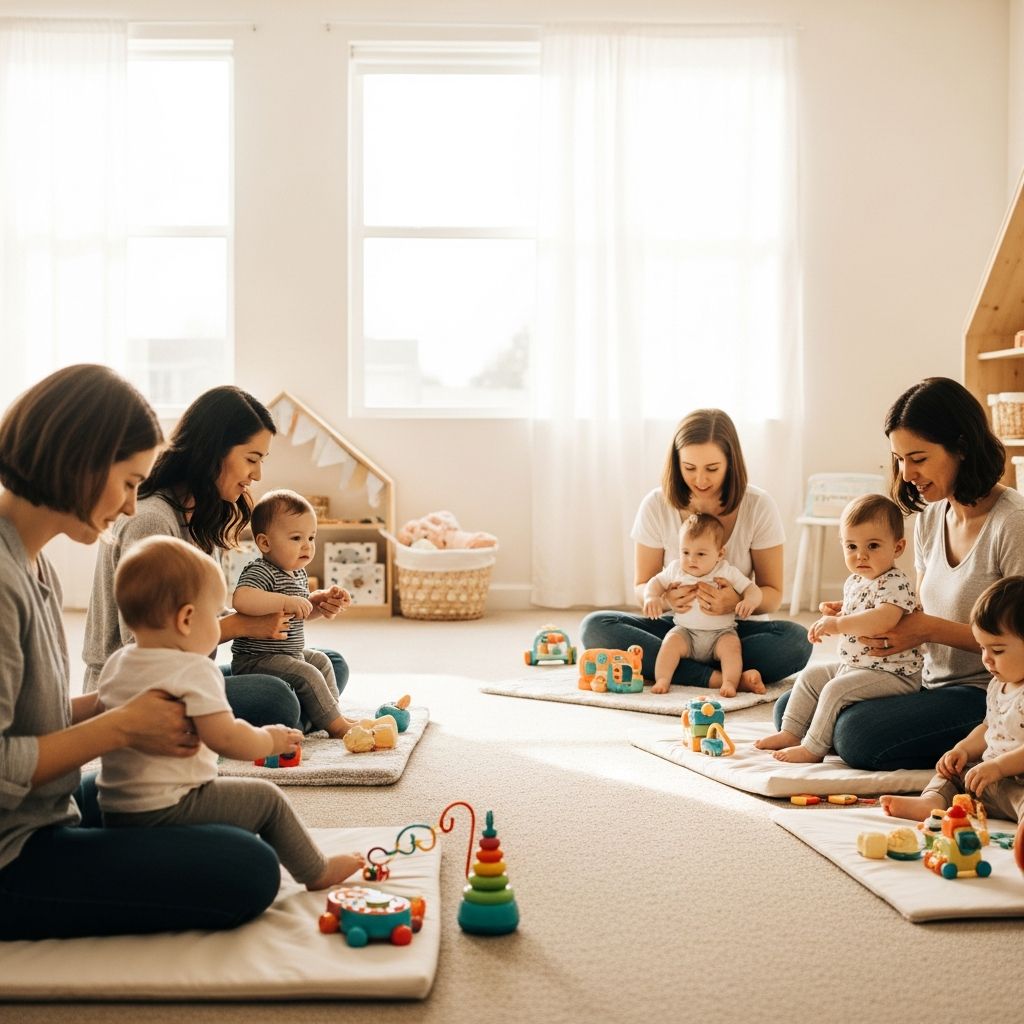
Mommy-and-me classes are structured group sessions where a parent or caregiver participates in activities alongside an infant or young child. The core idea is shared experience: adults do not simply watch from the sidelines; they stretch, sing, splash, or build right beside their children.
These programs can be offered through community centers, private studios, recreation departments, libraries, hospitals, and faith-based organizations. They may be marketed toward “moms,” but most are open to all caregivers, including dads, grandparents, nannies, and adoptive or foster parents.
Common Features
- Small groups of babies or toddlers in a similar age range.
- An instructor who guides the session and models activities.
- Hands-on participation by caregivers rather than drop-off care.
- Predictable routines, such as a welcome song, activity blocks, and a closing ritual.
Why These Classes Matter
At first glance, a class may look like simple playtime, but a well-designed program intentionally supports several areas of early development. While children explore, adults gain ideas for play they can easily repeat at home.
| Area | How Classes Help |
|---|---|
| Emotional bond | Shared routines, cuddling, and eye contact strengthen secure attachment. |
| Social skills | Babies and toddlers practice being near peers, taking turns, and watching others. |
| Language growth | Songs, rhymes, and simple instructions expose children to rich, repeated language. |
| Motor skills | Climbing, rolling, grasping, and dancing build strength, balance, and coordination. |
| Parent confidence | Caregivers learn play ideas, gain reassurance, and connect with a support network. |
Types of Mommy-and-Me Classes
Not every program will fit every family. Exploring a few different styles can reveal what lights up your child and feels sustainable for your schedule and budget.
Music and Movement Classes
Music classes often include singing, finger plays, simple instruments, and gentle movement. Babies might bounce in a caregiver’s lap, while toddlers march, sway, or use scarves and shakers.
- Highlights rhythm, listening, and early language skills.
- Works for a wide age range because activities can be easily simplified or extended.
Gym and Sensory Play Classes
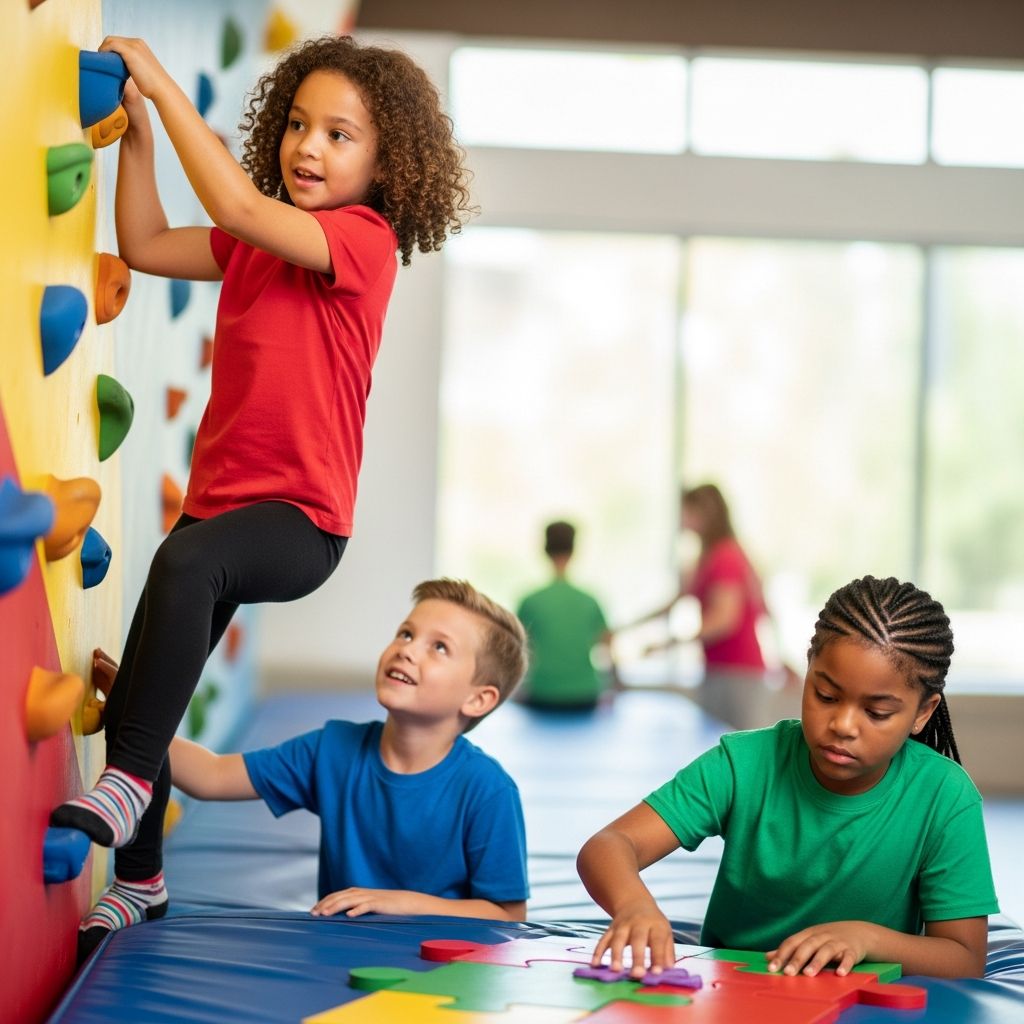
Gym-style classes provide soft mats, low ramps, tunnels, balance beams, and balls for safe exploration. Instructors may set up obstacle courses or stations and encourage caregivers to spot and support their children.
- Ideal for active babies and toddlers who love to move and climb.
- Helps children experiment with their bodies in a controlled environment.
Water and Swim Classes
Parent–child swim sessions focus on water comfort and safety skills, not formal stroke technique. Caregivers hold children at all times while practicing floating, kicking, and splashing games.
- Builds familiarity with water and introduces safety rules early.
- Requires close attention to pool policies and instructor qualifications.
Art and Creative Play Classes
These classes introduce simple art materials in a way that is safe for small children. Think finger paints, chunky crayons, play dough, collage materials, and sensory bins.
- Emphasizes process over product; the goal is experimentation, not perfect crafts.
- Lets parents outsource the mess while learning easy set-ups for home.
Yoga, Dance, and Fitness Classes
Movement classes might blend stretches for caregivers with bouncing, swinging, and poses adapted for children. Some sessions are calmer and yoga-inspired, while others feel more like a playful workout.
- Supports caregiver wellness without needing separate childcare.
- Teaches children that movement and exercise are a normal, enjoyable part of life.
Language, Literacy, and Sign Classes
Language-focused programs may include story time, puppets, early literacy activities, or baby sign language. The emphasis is on everyday communication and shared enjoyment of books and conversation.
- Gives parents strategies for talking with babies long before they can respond in words.
- Can help toddlers express themselves and reduce frustration.
Age-by-Age Guide: What to Expect
Although every child develops at a unique pace, certain types of classes tend to fit particular age ranges better. Use the following as a flexible guide rather than a strict rule.
| Age | Typical Focus | What Feels Realistic |
|---|---|---|
| 0–6 months | Gentle music, cuddling, sensory exposure. | Short classes, flexible seating, plenty of time for feeding. |
| 6–12 months | Tummy time play, simple movement, lap games. | Safe floor space for rolling, scooting, and early crawling. |
| 12–24 months | Gross motor exploration, simple turn-taking, songs with actions. | Gym, music, or mixed play classes with loose structure. |
| 2–3 years | More complex movement, early pretend play, simple instructions. | Shorter waiting times, choices between stations, clear routines. |
| 3–4 years | Early group skills, listening, and following multi-step directions. | Classes that gently prepare children for future drop-off programs. |
What Actually Happens in Class?
Stepping into a room full of unfamiliar parents can feel intimidating. Knowing roughly how a session might flow can lower the pressure and help you relax into the experience.
Typical Session Flow
- Welcome period: Families arrive, put belongings away, and greet the teacher. There may be a simple hello song to signal the start.
- Warm-up activity: Gentle movement, stretches, or a quiet game to help babies and toddlers settle and notice the space.
- Main activities: The instructor leads a series of short segments such as songs, movement games, or exploration stations. Each part usually lasts only a few minutes to match young attention spans.
- Free play or practice time: Children roam, experiment with props, or revisit favorite songs while caregivers follow their lead.
- Closing ritual: A final song, story, or breathing moment lets everyone know class is ending and can ease transitions to home or nap.
In most classes, it is completely normal for babies to nurse, bottle-feed, or fuss and for toddlers to wander or sit out an activity. Instructors who work with young children expect this ebb and flow.
How to Choose the Right Class for Your Family
With so many options, it helps to clarify what you hope to gain. Your goals may change over time: some seasons you might prioritize adult conversation, while others you might focus more on your child’s energy needs.
Questions to Ask Yourself
- Is the main goal social time for you, for your child, or both?
- Does your child currently need a calm, predictable environment or a high-energy outlet?
- What time of day aligns with naps, feeding, and your own energy level?
- Will you feel more relaxed in a small, cozy setting or a bustling, active studio?
Questions to Ask the Provider
- What is the age range and typical group size?
- How are safety and cleanliness handled, especially for shared toys and equipment?
- What training or background do instructors have with infants and toddlers?
- Are trial classes, make-up sessions, or flexible passes available?
- How does the program respond when a child cries, clings, or needs to sit out?
Preparing for Your First Class
Good preparation does not mean having the perfect diaper bag; it means managing expectations. Children often use the first few visits simply to observe the space, and that is a valid form of participation.
What to Pack
- A change of clothes for your child (and possibly for you, especially for art or water).
- Snacks or milk, if allowed, plus any needed feeding supplies.
- Diapers, wipes, and a portable changing pad.
- A small comfort item if your child finds new spaces overwhelming.
- Non-slip socks or soft shoes, depending on the facility’s rules.
Plan to arrive a few minutes early so your child can take in the environment at their own pace. A quick walk around the room together before class begins can reduce anxiety for both of you.
Making the Most of Each Session
The value of a mommy-and-me class often shows up between sessions, when you use songs, games, or routines from class at home. Treat the instructor as a resource; ask questions about adapting activities to your living room or to siblings of different ages.
Simple Strategies
- Repeat favorite songs at diaper changes, mealtimes, or before naps.
- Re-create a small version of a play station using pillows, boxes, or safe household objects.
- Notice what your child gravitates toward—music, climbing, water, or art—and build that into daily routines.
- Use the class as a weekly check-in with yourself: what felt joyful, what felt stressful, and what adjustments might help?
Myths and Misconceptions
Marketing can sometimes make it sound as though missing out on early classes will harm a child’s future. In reality, children learn best through responsive relationships, and there are many ways to provide that at home or in informal settings.
- Myth: “A packed schedule is better.” Young children need unstructured time to explore independently. One or two thoughtfully chosen activities are usually plenty.
- Myth: “If my baby cries, we are failing.” Tears are a normal way for babies to communicate. You are allowed to step outside, comfort your child, and rejoin when you are both ready.
- Myth: “Only outgoing parents belong in groups.” Many quiet or introverted caregivers find classes helpful precisely because they create gentle, low-pressure social contact.
Budget-Friendly Alternatives
Formal classes can be wonderful, but they are not the only path to connection and learning. With a bit of creativity, you can borrow the structure and spirit of mommy-and-me sessions without the full price tag.
- Visit free library story times or music hours.
- Rotate playdates with a small group of parents, each hosting simple activities.
- Use online videos as loose inspiration, then put your own twist on songs and games.
- Design your own “class” at home: a hello song, two short activities, and a goodbye song once a week.
Frequently Asked Questions
What is the best age to start mommy-and-me classes?
There is no single perfect age. Some programs welcome babies as young as a few weeks old, while others focus on sitters, crawlers, or walkers. The best time is when you feel ready to be out of the house regularly and your baby’s health and temperament allow short outings. Many families find that around three to six months offers a good balance of alertness and flexibility.
How often should we attend?
Once a week is usually enough to gain benefits without overwhelming your schedule. More frequent attendance may work for families who thrive on routine and have the budget and energy, but it is not necessary for healthy development. Consistency over time matters more than crowding every day with structured activities.
What if my child refuses to participate?
Watching quietly from your lap is still participation. Many children spend several classes observing before they feel ready to join in actively. You can model gentle engagement—swaying to the music, tapping the drum, or crawling through the tunnel—while giving your child permission to approach at their own pace.
Can working parents benefit from these classes?
Absolutely. Evening and weekend options may be available, and even occasional attendance can provide special one-on-one time away from household tasks and screens. Caregivers can also alternate: one week with a parent, another with a grandparent or nanny, depending on what fits your family.
Do we need mommy-and-me classes for our child to thrive?
No class is a prerequisite for a secure, curious, and capable child. What matters most is a caring adult who responds to the child’s cues, offers opportunities to explore, and provides comfort when needed. Mommy-and-me style programs simply offer one helpful setting where those interactions can take place—with the added bonus of community and fresh ideas for play.
Used thoughtfully, these classes can turn a small slice of your week into a meaningful ritual: a time to be fully present with your child, to notice new skills emerging, and to remember that you do not have to navigate early parenthood alone.