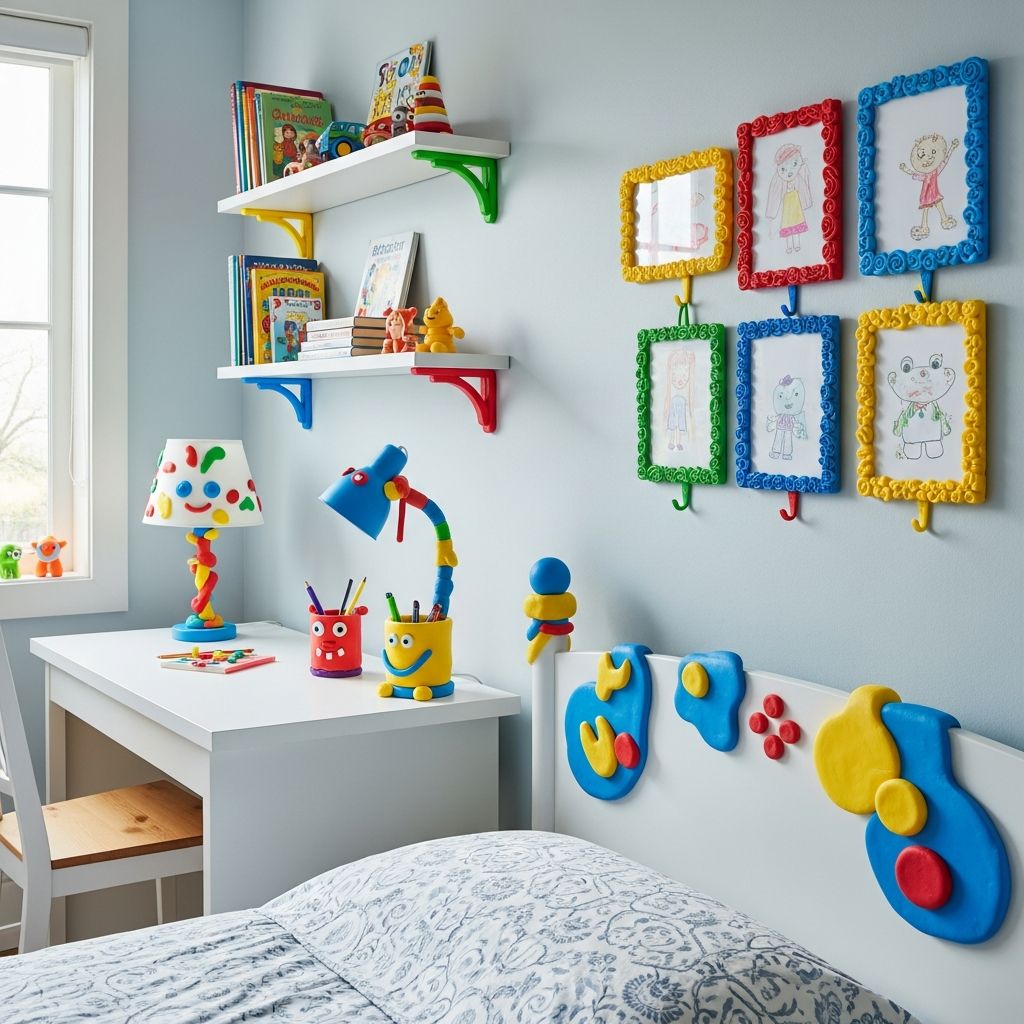
Parents do not need a full renovation to make a child’s bedroom safer, more organized, and more fun. A simple, flexible material like moldable glue can help anchor, repair, and customize almost every corner of the room with very little mess or tools.
Why Moldable Glue Belongs in Every Kid’s Room
Moldable glue is a putty-like material that starts soft and shapeable, then cures into a firm, rubbery surface. It usually sticks to many common household materials such as wood, plastic, glass, and metal, which makes it ideal for small, targeted fixes in a child’s room.
Because it can be molded by hand, it is perfect for irregular shapes, rounded corners, or awkward places where traditional hooks or brackets do not fit. After curing, it often remains slightly flexible, which absorbs small bumps and makes it gentler than hard plastic or metal add-ons.
Planning Your Mini Makeover
Before opening the package, spend a few minutes looking at the room through your child’s eyes. Notice the places where toys pile up, where cords dangle, or where your child struggles to reach important items. These are the best candidates for moldable-glue upgrades.
- Walk through the room with a small notepad and list areas that feel unsafe or cluttered.
- Measure or estimate dimensions for walls, furniture edges, and shelves you might modify.
- Choose a set of complementary colors if your moldable glue comes in multiple shades, to match the room decor.
This short audit will help you use each blob of glue efficiently and avoid peeling things off and starting again.
Safety First: Simple Protective Upgrades
Young children move quickly, fall often, and grab anything within reach. Moldable glue is useful for softening sharp edges and securing items so that bumps and pulls are less dangerous.
Softening Sharp Corners
Sharp table corners and low shelves are at perfect head height for toddlers. Instead of buying bulky corner guards that may not match your furniture, moldable glue lets you build low-profile, custom cushions.
- Pinch off a small piece, roll it into a thick worm shape, and wrap it snugly around the corner.
- Press and smooth until it forms a rounded bumper that blends into the furniture.
- Use contrasting colors to make the corners clearly visible, or matching colors for a subtle look.
Stabilizing Wobbly Items
Picture frames, small lamps, and decorative objects often wobble on uneven surfaces or when children bump furniture. A few tiny pads of moldable glue under the base can add friction and prevent tipping.
- Form three or four pea-sized blobs and press them under the base corners.
- Place the item where you want it and gently press down so the pads conform to the surface.
- Let the glue cure, creating semi-permanent anti-slip feet.
Cord Taming for Lamps and Nightlights
Bedside lamps and nightlights often trail cords toward outlets, tempting little hands. Moldable glue can serve as custom cable clips that keep cords off the floor and out of the way.
- Roll a small cylinder, press it against the wall or furniture, and press a cable gently into it.
- Shape a small arch over the cord, leaving it visible but snugly held in place.
- Arrange several clips along the route so that the cable hugs the wall instead of dangling.
Smart Storage: Encourage Kids to Put Things Away
Children are more likely to tidy up if storage is easy to reach, easy to understand, and a little bit fun. Moldable glue offers a low-commitment way to add hooks and holders exactly where they are helpful.
Hooks at Kid Height
Standard coat hooks are often too high for small children, which means backpacks and jackets end up on the floor. Creating hooks at child level invites independence and routine.
- Shape the glue into thick, curved “noses” or U-shaped hooks directly on the wall or furniture.
- Angle each hook slightly upward so items stay put once hung.
- Reserve one color per child, so they immediately know which hook is theirs.
Mini Holders for Tiny Objects
Small objects such as toy cars, hair accessories, and collectible figures are usually the first to scatter across the floor. Instead of adding more boxes, create dedicated parking spots.
- On the side of a bookcase or dresser, form small ledges or cups with moldable glue.
- Use matching colors for each type of item, for example one color for toy cars and another for figurines.
- Encourage kids to “dock” each piece at night as part of their bedtime routine.
Reinforcing Existing Storage
Sometimes the storage you already own almost works but needs small tweaks. Moldable glue can reinforce weak spots or add grip where necessary.
- Add thin strips under drawer organizers to stop them sliding every time the drawer opens.
- Secure plastic bins to closet shelves with small dots of glue at the corners, preventing them from tipping over.
- Create soft bumpers behind swinging closet doors so they do not slam into walls.
Transforming Walls Without Heavy Tools
Parents often hesitate to drill holes in walls, especially in rentals or in rooms that will change as the child grows. Moldable glue can support light objects and creative displays without major damage.
Display Rails for Art and Photos
Children bring home a steady stream of drawings, certificates, and photos. Instead of letting them pile up, build a flexible art gallery that can change frequently.
- Create small, evenly spaced knobs or tabs of moldable glue along a horizontal line on the wall.
- Use string, light wire, or thin wooden dowels resting in these tabs to form a rail.
- Attach art using mini clothespins, clips, or even more tiny dots of glue.
Custom Wall Hooks for Costumes
Dress-up clothes and superhero capes can quickly swallow floor space. Make dedicated wall hooks shaped like stars, crowns, or rockets from moldable glue for a playful storage solution.
- Sketch a small shape lightly with a pencil on the wall as a guide.
- Fill the outline with the glue, then build a sturdy protruding nub or hook from the center.
- Once set, hang light costumes, hats, or masks to keep them visible but off the floor.
Mounting Lightweight Shelves
Some brands of moldable glue can help secure very light shelves or ledges when combined with other fixings, but always respect the recommended weight limits. These mini ledges are perfect for small books or decorative toys.
- Use screws or existing bracket holes for the main load, then apply moldable glue as supplemental support and vibration dampening.
- Fill small gaps between shelf brackets and uneven walls so everything sits flush.
- Test carefully with books or toys before letting your child access the shelf.
Furniture Fixes and Upgrades
Kids are tough on furniture. Drawer handles loosen, bed slats squeak, and chair legs scrape the floor. Moldable glue can extend the life of existing furniture and make pieces more child-friendly.
No-Slip Feet for Chairs and Stools
Chairs that slide too easily can cause sudden spills and tumbles. Adding a bit of grip to the bottom of each leg can make sitting and standing safer.
- Flatten four small discs of moldable glue, one for each foot of the chair or stool.
- Press the discs firmly onto clean leg bottoms and smooth the edges around the sides.
- Let them cure fully before use; the cured pads should provide traction and protect the floor.
Repairing Loose Knobs and Handles
Loose drawers and wardrobe handles are common in kids’ rooms and can pinch fingers or fall off entirely. Moldable glue can reinforce the connection without replacing the hardware.
- Remove the knob if possible and clean the screw and contact surfaces.
- Apply a small amount of moldable glue around the base or inside the knob cavity.
- Reattach, tighten, and wipe away any excess before it cures.
Soft Stops for Drawers and Doors
Slamming drawers and doors are noisy and can trap small fingers. Simple bumpers made of moldable glue can slow the impact and reduce sound.
- Place tiny beads of glue at the inside corners where the drawer front meets the frame.
- Close the drawer gently once to mark the contact, then reshape the beads into smooth cushions.
- Repeat for wardrobe doors or toy chests to prevent hard banging.
Lighting and Nighttime Comfort
Even a well-organized room can feel intimidating at night. Strategic lighting and a few thoughtful touches help children feel secure and comfortable after lights-out.
Secure Nightlights and Fairy Lights
Nightlights and string lights make bedtime cozier, but dangling cords and falling fixtures are not ideal. Moldable glue can secure lightweight lights while still allowing future changes.
- Create small cable saddles on the wall or along the bed frame to guide cords neatly.
- Fix LED fairy light wires at key points so that shapes (like hearts or stars) stay crisp and visible.
- Use neutral or wall-colored glue for an almost invisible finish.
DIY Bumpers for Bedside Lamps
If a bedside lamp sits on a small nightstand, one accidental elbow can send it toppling. Add small bumpers and non-slip pads to keep it stable.
- Place two or three moldable-glue wedges between the lamp base and the wall as discreet guards.
- Add grip pads under the base to prevent sliding if the table is bumped.
- Make sure the lamp remains ventilated and that no glue touches hot parts like bulbs.
Playful Details Kids Will Love
Practical improvements are important, but kids respond strongly to playful details. Use moldable glue as a craft material to add personality and storytelling to the room.
3D Labels and Icons
Instead of written labels, younger children often understand symbols better. Sculpt tiny 3D icons on drawers and bins as visual cues.
- A book icon on a drawer that holds bedtime stories.
- A small car on a box for vehicles.
- A star or moon for pajamas or bedtime accessories.
Mini Hooks for Headphones and Gadgets
Older children may have headphones, handheld game devices, or small gadgets that easily get lost. Personalized hooks or holders can help them build habits around caring for their tech.
- Create a narrow U-shaped hook on the side of a desk or shelf for headphones.
- Add a shallow tray shape near an outlet where they naturally charge devices.
- Use a color your child chooses so it feels like their own station.
Simple Project Table: Ideas at a Glance
The table below summarizes some of the easiest ways to use moldable glue in a kids’ bedroom, along with difficulty and who each project suits best.
| Project | Main Purpose | Difficulty | Best For |
|---|---|---|---|
| Corner bumpers on furniture | Protect against bumps and bruises | Easy | Toddlers and preschoolers |
| Child-height wall hooks | Encourage independent tidying | Easy | Preschoolers and school-age kids |
| Anti-slip chair feet | Reduce sliding and noise | Moderate | Any age, especially active kids |
| Cord clips for lamps | Improve safety and reduce clutter | Easy | Rooms with lamps, chargers, or nightlights |
| Art display rail | Showcase drawings and projects | Moderate | Creative kids who bring home lots of art |
Tips for Working Safely With Moldable Glue
Although moldable glue is user-friendly, adults should always read the instructions on the package. Each brand has specific curing times, weight limits, and safety guidelines that you should respect.
- Keep unused material out of reach of very young children and pets.
- Avoid placing it on very hot surfaces or directly on light bulbs and heaters.
- Test adhesion on a small inconspicuous area first if you worry about paint or finishes.
FAQs About Kids’ Bedroom Hacks With Moldable Glue
How strong is moldable glue for hanging things?
Most moldable glues are designed for light to medium loads, such as hooks for small items, cable clips, and bumpers. For heavy shelves or large frames, use proper mechanical fixings such as screws and wall anchors, and treat moldable glue as a helper rather than the main support.
Will moldable glue damage my walls or furniture?
Whether a surface is damaged on removal depends on the product and the material underneath. Smooth, sealed surfaces like glass or certain plastics usually fare better, while delicate paint or wallpaper may peel if the bond is very strong.
Can my child help with these projects?
Older children typically enjoy shaping and decorating with moldable glue. However, adults should supervise closely, handle any tools, and manage projects that involve electrical cords or fixtures.
Is moldable glue reusable?
After curing, moldable glue normally becomes a permanent, rubbery fixture and is not meant to be reused in another shape. Once set, it can sometimes be removed by cutting or peeling, but it will not return to its original putty form.
Where should I start if I only have one small pack?
Focus first on high-impact areas such as sharp corners, dangerous cords, or loose furniture parts. Once those safety basics are covered, use any remaining material for one or two small organizational or decorative touches your child will notice every day.
With a few small, thoughtful projects, moldable glue can help turn a chaotic kids’ bedroom into a safer, more organized, and more playful space—without a drill, without a big budget, and without a major renovation.