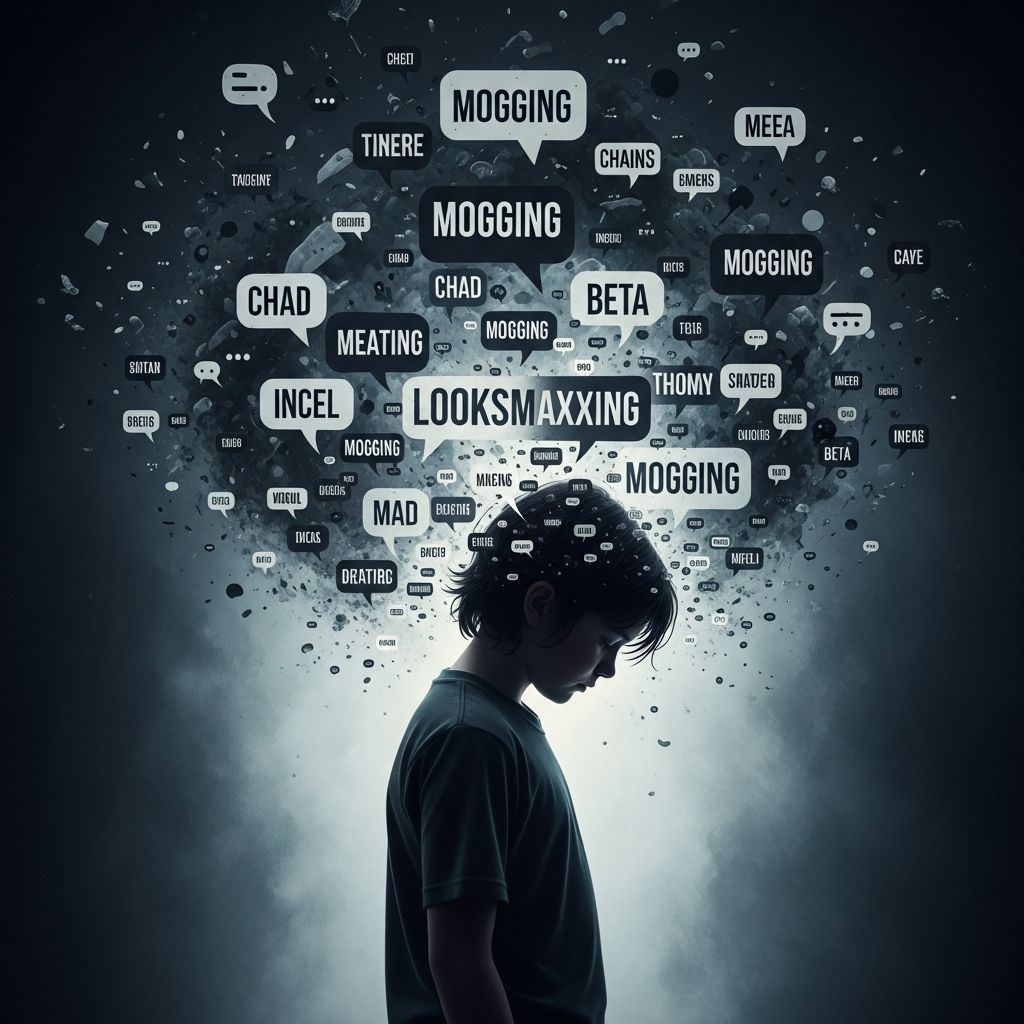
Modern internet slang like mogging is reshaping how young people view themselves and others, often prioritizing physical dominance in subtle yet damaging ways. This trend, born from online communities, can erode children’s confidence by turning everyday interactions into unspoken beauty contests.
Decoding the World of Viral Youth Lingo
Slang evolves at breakneck speed on platforms like TikTok and Instagram, serving as a cultural currency for teens seeking identity and connection. Terms spread globally through viral videos, creating ‘inside jokes’ that signal belonging to specific groups. For instance, Gen Z lingo transcends borders, turning phrases into universal markers of coolness or irony.
Children aged 5-11 already incorporate social media-inspired words into their writing, with mentions of trendy animals like capybaras surging 11% due to TikTok virality. By adolescence, this language becomes a tool for rapid emotional expression, compressing complex ideas into single words like ‘slay’ or ‘rizz’ for efficiency in fast-paced chats.
- Identity Building: Slang helps kids align with subcultures, fostering peer bonds during vulnerable teen years.
- Quick Exchange: Short forms enable dynamic conversations on character-limited apps.
- Exclusion Tool: It acts as a barrier, keeping adults at arm’s length while strengthening youth solidarity.
What Exactly Does Mogging Signify?
Mogging refers to dominating someone visually or physically, implying one person’s superior facial structure or presence overshadows another’s. Originating in niche online forums, it has exploded on TikTok, where users post side-by-side comparisons or edits highlighting ‘moggers’ who ‘outshine’ others effortlessly.
This isn’t harmless fun; it quantifies attractiveness through pseudoscientific traits like jawline prominence or height, reducing individuals to aesthetic hierarchies. Videos rack up millions of views, normalizing judgments that pit siblings, friends, or strangers against each other in silent competitions.
| Term | Meaning | Example Usage |
|---|---|---|
| Mogging | Visually dominating via superior looks | ‘He mogged the whole room with that jaw.’ |
| Orbital Mog | Eye area dominance | ‘Her orbitals completely mogged his.’ |
| Heightmog | Taller person outshining shorter one | ‘She heightmogged everyone at the party.’ |
While playful on the surface, these terms embed toxic comparisons, especially among impressionable youth navigating puberty’s changes.
How Online Slang Infiltrates Young Minds
Social media accelerates slang adoption, with 9 in 10 teens on YouTube and majorities on TikTok and Snapchat using emojis, hashtags, and captions laced with trends. This digital immersion influences even children’s creative writing, blending viral memes with traditional storytelling.
AI and algorithms amplify reach, mainstreaming niche terms rapidly. What starts as a forum joke becomes environmental noise—absorbed via memes and shorts rather than direct talk. Parents note kids ‘observe’ more than ‘use’ it, yet it shapes perceptions subconsciously.
The Hidden Dangers Lurking in Trendy Terms
Not all slang is benign. Some mask cyberbullying, self-harm nods, or exploitative rhetoric. ‘Devious licks’ once spurred school theft videos, showing how terms can incite real harm. Manosphere slang from influencers like Andrew Tate has entered classrooms, with 60% of UK teachers in 2025 linking social media to worsened boy behavior, including misogynistic views.
For mogging, risks escalate: it promotes ‘looksmaxxing’—extreme efforts to enhance features via mewing (tongue posture), gymmaxxing, or surgeries. This fixates youth on unchangeable traits, breeding obsession.
- Cyberbullying Vector: Comments like ‘You got mogged hard’ sting publicly.
- Body Dysmorphia Risk: Constant rankings fuel dissatisfaction with natural features.
- Social Division: Hierarchies fracture friendships based on appearance.
Why Appearance-Focused Slang Hits Confidence Hard
Social media’s curated perfection triggers self-esteem drops through endless comparisons. Mogging intensifies this, turning passive scrolling into active self-audits. Teens with heavier tech exposure and fewer real interactions show smaller vocabularies and heightened isolation, compounding emotional vulnerability.
Girls face idealized beauty pressures; boys grapple with ‘alpha’ ideals blending looks and dominance. Result? Anxiety, depression, and eroded social skills as kids prioritize online validation over genuine bonds.
Real-World Ripples: From Screens to Schoolyards
Online lingo bleeds offline. Boys as young as 10 echo Tate-inspired disdain toward female authority, per teacher reports. Mogging manifests in playground stares or cafeteria cliques where ‘looks tiers’ dictate status, sidelining those deemed ‘submogged.’
A 2025 survey revealed social media’s role in behavioral shifts, with viral slang normalizing judgment. This erodes empathy, replacing nuanced interactions with superficial scans.
Parental Playbook: Spotting and Countering Threats
Parents aren’t expected to master every term—authenticity trumps perfection. Start conversations: ‘What’s mogging mean to you?’ This builds trust without cringe.
- Monitor Actively: Use parental controls for flagged content; review apps like TikTok.
- Educate Gently: Discuss how edits distort reality, emphasizing inner strengths.
- Model Positivity: Praise efforts over looks; ban appearance-based teasing at home.
- Encourage Offline Ties: Sports, clubs boost real confidence, offsetting digital noise.
- Seek Pros if Needed: Counselors help unpack dysmorphia or bullying trauma.
Incorporate slang sparingly with humor to connect, but prioritize teaching critical media literacy.
Building Bulletproof Confidence Amid Digital Storms
Foster resilience through routines celebrating non-physical traits: kindness, creativity, perseverance. Family games or shared hobbies reinforce belonging beyond screens.
Limit exposure: device-free dinners, screen-time caps. Promote diverse role models showcasing varied successes, countering narrow beauty ideals.
Research shows balanced social interactions buffer tech’s downsides, enhancing vocab and emotional health. Empower kids to curate feeds mindfully, muting toxic trends.
Frequently Asked Questions About Mogging and Slang
Is mogging just harmless fun?
No, it often promotes harmful hierarchies based on looks, contributing to low self-esteem and bullying. Encourage kids to question such content.
How can parents learn teen slang without seeming try-hard?
Ask openly and use naturally—focus on understanding over imitation to build genuine dialogue.
What if my child is obsessed with looksmaxxing?
Address root insecurities compassionately; professional therapy can redirect focus to holistic growth.
Does social media always hurt confidence?
Not inherently—positive communities aid connection, but comparison-heavy trends like mogging pose risks. Balance is key.
Can slang signal bigger dangers?
Yes, watch for terms tied to self-harm, exploitation, or extremism; early intervention matters.
Navigating Tomorrow’s Lingo Landscape
As slang accelerates via AI and global platforms, parental vigilance evolves too. Tools like monitoring apps bridge gaps, but empathy forges strongest bonds. By decoding trends like mogging, caregivers safeguard mental health, nurturing confident kids ready for digital realities.
References
- Slang Words 2025 in Social Media: A Parent’s Safety Guide — Parental-Control.net. 2025. https://parental-control.net/en/blog/article/slang-words-2025-in-social-media-a-parents-safety-guide
- Online Gen-Z Slang: Should Parents Study Up? — Digital Wellness Lab. 2025. https://digitalwellnesslab.org/articles/online-gen-z-slang-should-parents-study-up/
- Use of Language — Safeguarding Network. 2025. https://safeguarding.network/content/use-of-language
- Social media drives language change in children’s writing — Oxford University Press. 2024-12-01. https://corp.oup.com/news/social-media-drives-language-change-in-childrens-writing/
- I Asked My Kids About Slang — and Learned How Fast Language Shifts — Business Insider. 2025-12. https://www.businessinsider.com/asked-kids-about-slang-and-learned-how-fast-language-shifts-2025-12
- Understanding Social Media’s Effect on Children’s and Teen’s Mental Health — Miller Children’s & Women’s Hospital. 2025. https://www.millerchildrens.memorialcare.org/blog/understanding-social-medias-effect-childrens-and-teens-mental-health
- Social interactions offset the detrimental effects of digital media use — PMC (PubMed Central). 2024. https://pmc.ncbi.nlm.nih.gov/articles/PMC11213284/