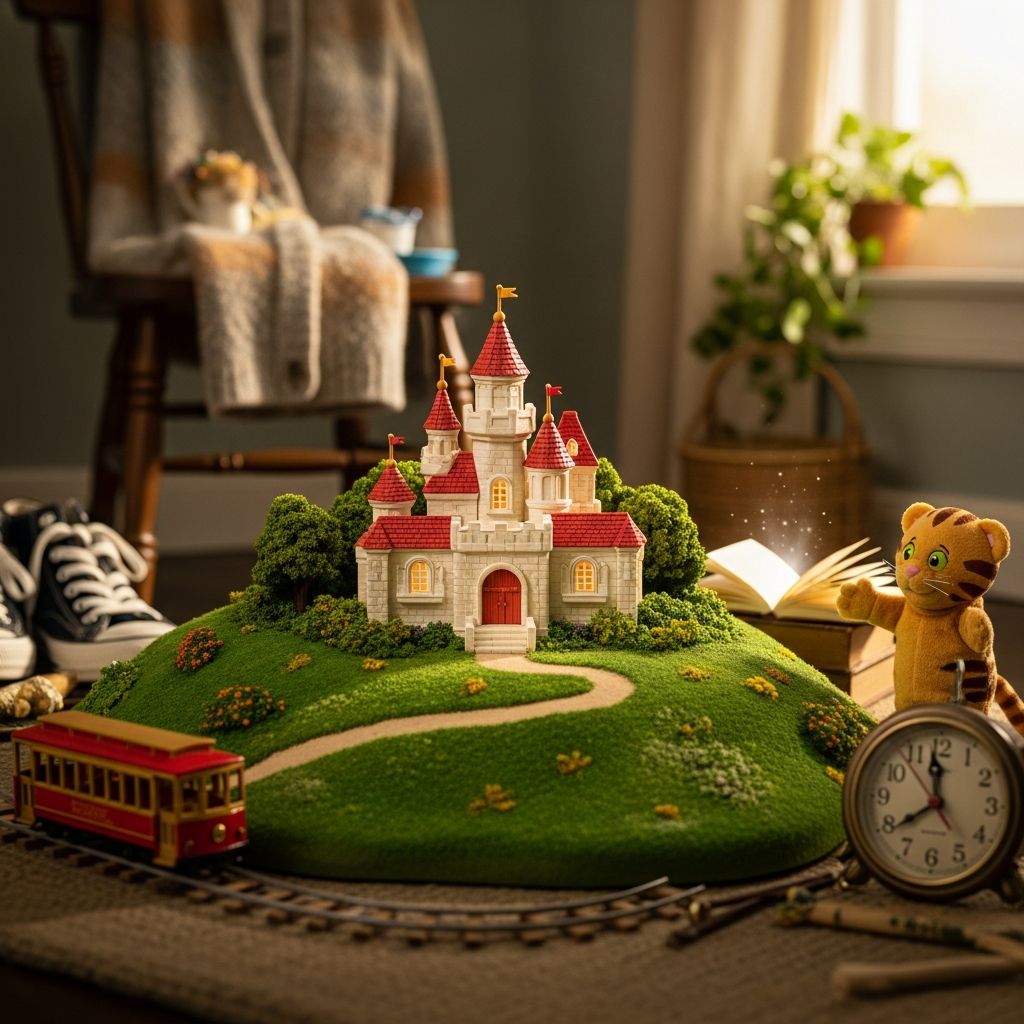
For more than three decades, Mister Rogers’ Neighborhood helped children make sense of a complicated world through calm conversation, music, and play. The show’s most memorable episodes did more than entertain; they gave children tools to name their feelings, understand others, and feel safe asking hard questions.
This guide revisits standout types of episodes from the series and translates their themes into practical ideas for today’s parents and caregivers. Rather than ranking episodes, it focuses on the big lessons that appear across the show’s history and how families can still use them.
Why Mister Rogers Still Matters
Decades after the show first aired, Fred Rogers’ approach aligns closely with what learning scientists now know about how children grow and thrive: they need strong relationships, chances to play and wonder, and adults who listen carefully and treat them with respect. These ingredients form the basis of what many educators today call social-emotional learning (SEL).
- Emotional safety – Children learn best when they feel safe, loved, and valued.
- Connection – Warm, predictable adult relationships help kids make sense of their experiences.
- Play and curiosity – Open-ended play helps children experiment, imagine, and problem-solve.
- Community – Feeling part of a neighborhood or group nurtures empathy and responsibility.
Mister Rogers built these ideas into every visit to his television “neighborhood,” long before they became common in education research.
Core Themes Hidden in Classic Episodes
Across hundreds of episodes, several themes appear again and again. Many of the most beloved installments center on one or more of these ideas:
| Core Theme | What Children Learn | How Parents Can Reinforce It |
|---|---|---|
| Feelings are mentionable & manageable | All emotions are valid; there are safe ways to express them. | Invite kids to name feelings and talk about them openly. |
| Every person has worth | They are liked and loved just by being themselves. | Offer unconditional acceptance alongside gentle guidance. |
| Curiosity is a strength | Questions lead to understanding, not trouble. | Turn questions into small investigations or projects. |
| Neighborhoods share responsibility | Everyone contributes something valuable to a community. | Point out helpers and ways your child can help too. |
| Media can be gentle and respectful | Television can support, not overwhelm, young minds. | Choose slow, thoughtful content and watch together. |
Episodes that Help Children Understand Feelings
Some of the most powerful moments in Mister Rogers’ Neighborhood involve Fred Rogers taking a difficult emotion—fear, anger, jealousy, sadness—and turning it into a conversation that children can understand. Research on children’s media shows that programs which model naming and managing emotions can support social-emotional skills when adults talk with kids about what they watch.
1. When Children Feel Afraid
Mister Rogers often responded to frightening news events or common childhood fears (like monsters, storms, or changes in routine) by slowing down and explaining what was happening in simple, concrete language.
Key messages from fear-focused episodes:
- It is okay to feel scared; fear is a normal emotion.
- Adults are working hard to keep children safe, even when the world feels confusing.
- Talking about fears with a trusted adult can make them feel smaller.
Try this at home:
- Ask, “What part of that felt scary to you?” instead of “Don’t be scared.”
- Offer a simple, truthful explanation before reassuring your child.
- Point out helpers—firefighters, doctors, neighbors—who respond when something goes wrong.
2. When Anger Feels Overwhelming
Fred Rogers treated anger as a feeling that could be understood and channeled, not punished. He modeled ways to express strong emotions without hurting oneself or others, a core aspect of healthy self-regulation.
- Strong feelings do not make a child “bad.”
- There are safe outlets for anger: words, art, music, and physical activity.
- Calming down takes practice and support from caring adults.
Ideas for parents:
- Help your child build a “feelings vocabulary” with words like frustrated, disappointed, or annoyed.
- Offer physical outlets: jumping in place, squeezing a pillow, or taking deep breaths.
- After the storm passes, revisit what happened and brainstorm alternative responses for next time.
Episodes about Big Life Changes
Mister Rogers regularly addressed topics that many children’s shows avoided: divorce, new siblings, moving, illness, and even death. He knew that children experience these realities whether adults talk about them or not, and that honest, gentle explanations help kids feel less alone.
3. Welcoming a New Baby or Sibling
Episodes that introduced babies and growing families highlighted both excitement and jealousy. Fred Rogers named the resentment older children sometimes feel when adults seem suddenly busier or more focused on the newborn.
What these episodes teach:
- It is possible to feel love and jealousy at the same time.
- Older children still matter deeply to their parents.
- There are new ways big kids can help and participate.
How to apply this at home:
- Set aside predictable one-on-one time with the older child, even if it is brief.
- Invite them into simple caregiving tasks—fetching a diaper, singing a song, choosing an outfit.
- Normalize mixed feelings: “You can be tired of the baby and still love them.”
4. Talking about Illness and Loss
In episodes that touched on illness or death, Mister Rogers never rushed past sadness. He gave children permission to cry, ask questions, and remember people or pets they had lost, aligning with guidance from child development specialists on grief.
- Use clear language like “died” rather than confusing euphemisms.
- Share your own feelings in simple terms so children see that adults grieve too.
- Offer rituals—drawing pictures, lighting a candle, telling stories—to honor the person or pet.
Play, Curiosity, and Everyday Wonder
A defining feature of Mister Rogers’ Neighborhood is how often Fred Rogers visited factories, workshops, and neighborhood businesses. He showed how crayons are made, where mail goes, how musicians practice, and countless other behind-the-scenes processes. These segments embodied a set of “fundamentals of learning” that education writers still draw on today: play, wonder, curiosity, solitude, close observation, trust, and self-worth.
5. How Things Work
Factory visits and demonstrations helped children see that the everyday world is full of systems, tools, and people using skills they developed over time.
Learning goals in these episodes:
- Encourage cause-and-effect thinking (If we do X, then Y happens).
- Show that complex objects are built step by step.
- Highlight workers’ roles and pride in their craft, nurturing respect for different kinds of jobs.
Ideas for everyday life:
- Turn errands into field trips: describe what the pharmacist, cashier, or mechanic is doing.
- Follow your child’s “how” questions with a simple demonstration or look up an explanation together.
- Create a home “maker space” with recycled materials for building and experimenting.
6. Make-Believe and Imagination
The Neighborhood of Make-Believe allowed children to explore friendship challenges, rule-setting, fairness, and problem-solving at a safe distance. Psychologists note that pretend play helps kids practice emotional regulation and social skills in low-stakes scenarios.
- Use puppets or stuffed animals to act out tricky situations (sharing toys, waiting for a turn).
- Let your child lead pretend play instead of scripting it for them.
- When a story goes wrong, pause to ask, “What could the characters try next?”
Belonging, Diversity, and Community
Many classic episodes quietly modeled inclusion and respect—in friendships between characters who looked or lived differently, in scenes that showed people with disabilities contributing to the neighborhood, and in frequent reminders that every person is unique and important.
7. Meeting Neighbors Who Are Different
Mister Rogers invited guests from varied professions, backgrounds, and abilities into his living room. Rather than focusing on labels, he emphasized each person’s story and gifts. This approach reflects research-backed ideas that children benefit when they see diverse, positive role models in the media they consume.
- Differences in appearance, culture, or ability are part of what makes a community interesting.
- Everyone has something to teach and something to learn.
- Belonging comes from mutual respect and kindness, not sameness.
At home, you can:
- Read books and watch shows featuring diverse characters and families.
- Notice and name real-life examples: “Our neighbor uses a wheelchair. Let’s see how the ramp helps them get inside.”
- Help your child practice inclusive language and standing up for others.
8. Responsibility and Helping Others
From mail carriers to shop owners, Mister Rogers highlighted how each neighbor contributed to the well-being of the whole community. Today’s educators frequently cite his “neighborhood” metaphor as a model for building learning environments where everyone has a role to play.
- Invite your child to choose a small job that helps the family (watering plants, feeding a pet).
- Point out helpers in your community and discuss what they do.
- Plan occasional family “helping projects,” such as picking up trash at a park or donating outgrown clothes.
Watching Mister Rogers with Intention
Fred Rogers believed that television could support children’s growth when it was used thoughtfully and paired with caring adults who would extend the conversation. Instead of using episodes as background noise, you can treat them like storybooks you read together.
Tips for Parents and Caregivers
- Watch together when possible. Sit nearby, ask what your child notices, and respond to their questions.
- Pause and reflect. After an important moment, stop the episode and ask, “How do you think that character felt?”
- Connect episodes to daily life. When a similar situation arises, remind your child of what happened in the neighborhood.
- Follow your child’s lead. If they seem especially interested in a topic (music, factories, helpers), look for related real-world experiences.
Sample Conversation Starters After an Episode
To help you turn screen time into connection time, here are questions you can adapt after almost any Mister Rogers episode:
- “What was your favorite part of the episode? Why?”
- “Did anything in the story feel confusing or surprising?”
- “Which character would you want to be friends with?”
- “Did anyone feel left out? What could the neighbors have done?”
- “Is there anything from today’s episode that reminds you of something in our life?”
Frequently Asked Questions (FAQs)
Q: What age is Mister Rogers’ Neighborhood best for?
The show is generally suited for preschool and early elementary children, roughly ages 3–8. Younger kids benefit from the gentle pacing and clear language, while older children can engage more deeply with themes like friendship, fairness, and community responsibilities.
Q: Are the episodes still relevant for today’s kids?
Yes. Although the clothing and technology look dated, the core topics—feelings, relationships, dealing with change, and understanding the wider world—remain the same challenges children face today. Research on social-emotional learning supports the value of media that emphasizes empathy, reflection, and conversation, all of which are central to the show.
Q: How many episodes should my child watch at once?
Because Mister Rogers moves slowly and invites reflection, one episode at a time is usually enough for younger children. This gives them space to process the ideas and talk with you about what they saw, which is when the deepest learning tends to happen.
Q: My child is sensitive. Will episodes about hard topics upset them?
Sensitive children can benefit from the show’s calm, honest handling of difficult subjects, but your presence matters. Preview episodes if you are unsure, watch together, and be ready to pause or stop if your child feels overwhelmed. Remind them that they can always ask questions and share how they feel.
Q: How does Mister Rogers compare to faster-paced kids’ shows?
Many modern programs are designed around rapid cuts and constant action, which can make it harder for young children to practice focusing and reflecting. Mister Rogers’ slower pace, direct eye contact, and simple visuals create more room for children to think, wonder, and respond—qualities that align with recommendations from child development experts for early media use.
References
- Continuing Mister Rogers’ Neighborhood: Returning Compassion, Connection, and Social Presence — Educause Review (R. Schroeder). 2018-10-08. https://er.educause.edu/articles/2018/10/continuing-mister-rogers-neighborhood-returning-compassion-connection-and-social-presence
- Evoking the Lessons of “Mister Rogers’ Neighborhood” to Transform Education — Education Reimagined (Interview with G. Behr & R. Rydzewski). 2021-06-23. https://education-reimagined.org/evoking-the-lessons-of-mister-rogers-neighborhood-to-transform-education/
- A Fred Rogers–Inspired Approach to SEL — Edutopia (D. M. Douds). 2021-03-26. https://www.edutopia.org/article/fundamentals-learning-fred-rogers/
- Our Story — Fred Rogers Productions. 2024 (last updated). https://www.fredrogers.org/our-story/
- Lessons from Mr. Rogers’ Neighborhood — Central Michigan University Libraries. 2025-05-19. https://www.cmich.edu/blog/university-libraries/2025/05/19/lessons-from-mr.-rogers-neighborhood